

Amorim on the Brink: The Moment Milan Signaled a New Era
The football world has zeroed in on AC Milan with breaking headlines: Rúben Amorim—Sporting CP mastermind and one of Europe’s most innovative coaches—is a leading contender for the Rossoneri dugout. As the news cycle explodes with speculation, few pause to ask what this means between the white lines. At The Bench View Soccer, we’ll bypass the managerial carousel gossip and pose a stronger question: Will Amorim’s positional play transform AC Milan—and Serie A altogether?
"If AC Milan land Amorim and buy into his positional play, they won’t just modernise—they’ll set a new Serie A standard for tactical complexity and attacking interplay."
Amorim’s methods won’t just usher in fresh faces or training routines. They could redefine how Italian football perceives space, movement, and collective buildup. This is the real tectonic shift Euro football experts should be talking about.
Why Amorim’s Paradigm Is Different: The Anatomy of Positional Play
Central Overloads, Asymmetric Structures, and Fluid Front Lines
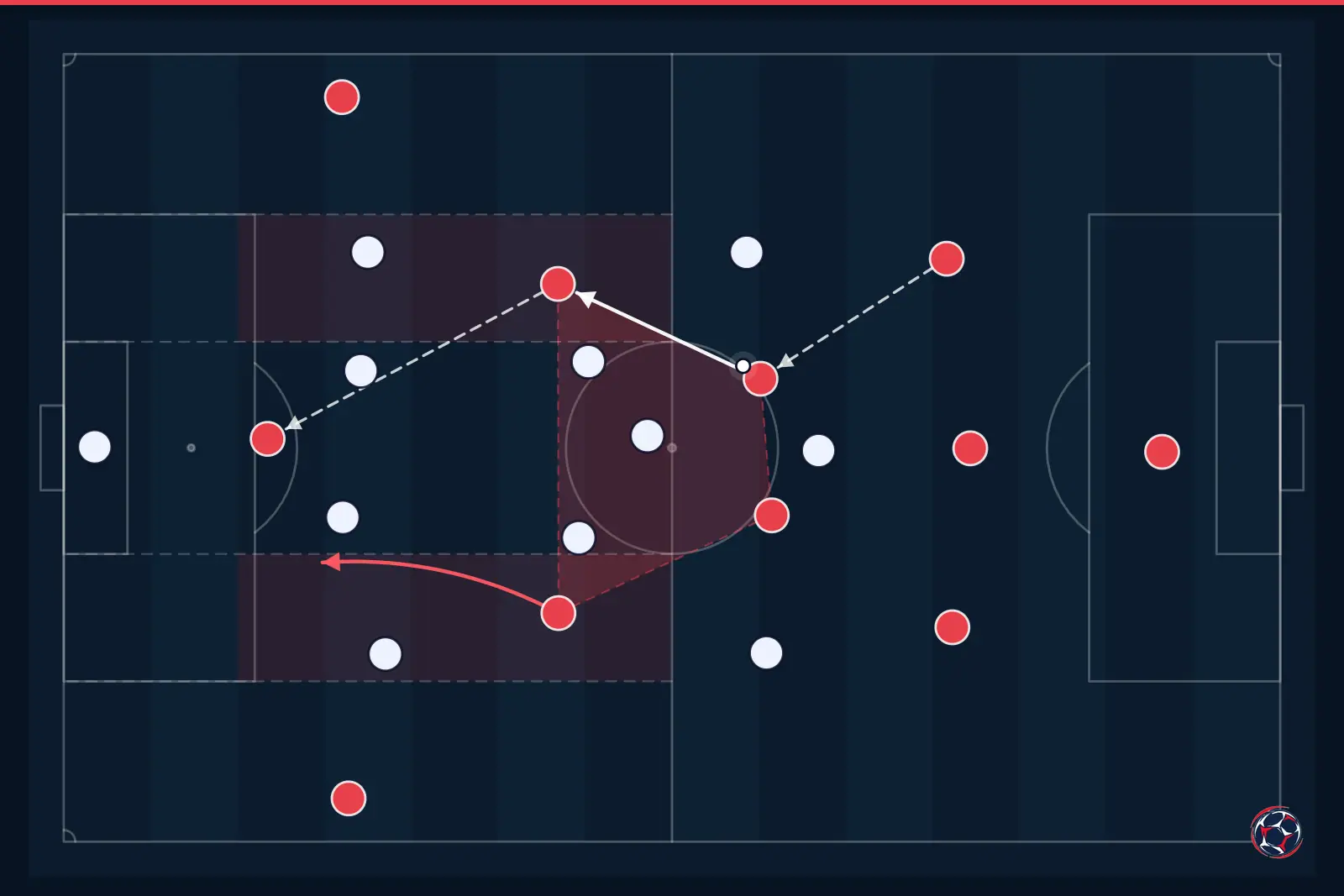
Amorim’s Sporting CP are renowned for their 3-4-3 hybrid—but the numbers barely tell the story. His sides construct play through strong positional superiority: players are coached to claim—or vacate—zones to manipulate opponents, generate third-man runs, and unbalance pressing schemes. The underlying logic? If you control the important spaces, you control the game.
Key features of Amorim’s model, especially evident in his last two Sporting campaigns, include:
- Box Midfield: The central double pivot plus advanced interiors create a box, enabling numerical superiority in buildup (see stat card below).
- High-and-wide wingbacks: Wingbacks hug the touchline, stretching vertical lanes to pull opposition fullbacks out.
- Flexible front three: Forwards constantly swap roles—dropping, pinning, or darting between zones—creating unpredictable movement.
- Intentional half-space occupation: Especially in the final third, advanced midfielders arrive late into the half-spaces (left or right channel between center back and fullback), creating unmarked shooting opportunities.
This dynamism is far removed from the stale 4-2-3-1 models Serie A has sometimes relied on for compactness and defensive stability. Amorim’s is a system built for mastery—not just safety.
Minute-by-Minute: What Would This Look Like at San Siro?
Imagine a typical Milan build. In the 15th minute against a mid-table press, Bennacer drops next to the center backs while Calabria pushes almost level with the attack. Wingbacks (Theo Hernández and Florenzi) set up shop at the touchline. Pulisic, starting as a right-sided forward, underlaps into the right half-space. The opposition’s central midfield is overloaded; Milan slice through. This isn’t fantasy—these patterns are Sporting trademarks.
Expect fluid triangles and third-man combinations—‘Amorim-isms’—to unlock deep blocks that haunted Milan under Pioli, especially when teams bunkered at the San Siro. In the 37th minute, watch for a back-post run from the left wingback after three quick wall passes in front of the box, a sequence frequently yielding goals for Sporting’s Pedro Gonçalves.
Serie A Resistance: Will Amorim’s Playbook Translate?
Historical Context—Tactics Meetings Tradition
Italy’s top flight is not new to imports bearing tactical innovations. Sacchi’s pressing in the late 1980s, Zeman’s vertical play at Foggia, Sarri’s Sarrismo: all altered the calculus of what was possible in Italian football. But none implemented the dogmatic, zone-based system that defines Amorim’s work. Even Conte’s 3-5-2 was more about verticality and dynamism than strict positional play.
Yet caution lingers: Italian sides, especially mid-to-lower table, are experts at compact low blocks. Can positional play, which often struggles when speed of ball circulation drops, consistently break down such defenses? Guardiola’s City sometimes foundered against packed lines—the same potential awaits in Serie A.
Personnel: Who Wins—and Loses—If Amorim Lands?
Pulisic, Leão, and the New Front Three
Christian Pulisic, coming off a breakout Serie A debut, may be the biggest immediate beneficiary. His skill set—explosive first step, elusive dribbling, underlapping runs—maps perfectly onto Amorim’s half-space rotations. The American international excelled when given license to attack interior channels; under Amorim, expect him to receive more cutback and third-man balls, amplifying his production. Inverted winger duty could see him replicate Pote’s numbers at Sporting.
Rafael Leão—the team’s X-factor—stands to thrive (if he stays). His favoured left half-space could become a permanent staging area for 1v1s and late box arrivals. But he’ll need to adapt to more collective pressing triggers and loss of individual freedom, especially tracking back in Amorim’s pressing scheme.
Olivier Giroud’s departure opens a tactical puzzle. The striker role under Amorim requires relentless off-ball movement to destabilise lines. Okafor and Jović may fit this better, but Milan could move for a new forward who relishes smart decoy runs and sharp link play—think a more mobile, pressing-first number 9.
Midfielders and Defence: Who Must Evolve
Key to Amorim-ball’s success is the double pivot’s reliability and the back three’s composure under pressure. Bennacer and Reijnders possess the feet and foresight required, but question marks remain over defensive profiles. Thiaw and Tomori are aggressive in duels, yet less proven in large spaces—an inevitable consequence when wingbacks bomb on. Recruitment may have to address a lack of ball-playing center backs and athletic depth.
The Underpinning Logic: Positional Superiority Is More Than Jargon
Controlling Zones, Controlling Games
Where Amorim diverges from ordinary managers is his obsession with not just passing or shooting, but claiming zones from which the highest value actions flow. In Sporting matches, stat diagrams show 60+ percent of attacks generated from entering the half-spaces or overloads in central lanes. The typical Serie A side, with their man-oriented and compact mid-block, is set up to counteract this—iron sharpens iron.
Advanced data from recent Sporting campaigns reveal a spike in “progressive pass origins” from the double pivot to wingbacks or splitting the nearest line—another metric Milan analysts will want to watch. An uptick in passes completed from center backs to advanced midfielders, bypassing opposition lines, would mark genuine evolution at the San Siro.
Potential Pitfalls: Where It Can Break Down
No tactical system is a silver bullet. Amorim’s positional play can struggle if key midfielders are pressed out of the game. Sporting have looked toothless on rare days when opponents denied the pivots early build. Serie A sides, celebrated for astute tactical discipline, could exploit this by shutting supply lines and countering at speed into vacated spaces behind wingbacks.
Moreover, Milan’s recent turnover in coaching and recruitment staff could hinder the kind of 18-month buy-in required for complex system building. If supporters and the board demand instant results, patience may be short. The risk: a return to bland caution if early setbacks are misinterpreted as system flaws rather than teething pains.
Counterargument: The Limits of “Importing” Complexity
Some argue that Amorim’s approach, beautiful in the lab, may not survive the grind of a league where aggressive defending and physical duels are still decisive. While Sporting played attractive football, some critics assert they won Portugal’s title more on relative squad value and big-team advantages than tactical genius per se. Milan fans should be aware: adoption is not seamless, and results are never purely about chalkboard clarity.
Long-Term: What This Means for Milan—and Serie A
The Big Picture
If AC Milan successfully install—and sustain—Amorim’s positional play, they won’t just modernise. They’ll differentiate themselves from the league’s run-of-the-mill pressing or direct models, positioning the club as innovators in Italy’s next tactical renaissance. This could restore Milan’s appeal to top continental attackers and develop young players in an idea-rich, progressive environment.
For Serie A at large, a functional model in red-and-black would challenge rival clubs to rethink their set-ups. Could Juve adopt similar rotations? Would Roma counter with hybrid pressing structures? The last time an Italian club exported such a strong identity, it redirected the league’s global perception.
For America’s Pulisic, Amorim’s arrival may be the catalyst for making him the league’s most dangerous transition threat, accelerating his evolution from hype prospect to bonafide European star.
The Shareable Verdict: Milan at the Tactical Crossroads
"Amorim’s potential arrival isn’t just a new managerial page for Milan—it’s a manifesto. If the Rossoneri dare to fully embrace positional play, we predict they will become Serie A’s most tactically daring side, with ripple effects echoing across Italian football. The question isn’t if Milan are ready for Amorim, but if Serie A is ready for this bold new Milan."
The Bench View app
Don’t just read football — train it
Everything you read here, turned into training you can follow step by step.
Physical training at home
AI daily sessions adapted to your level and position. No equipment needed.
Tactical training courses
Step-by-step courses on positioning, pressing, build-up and decision making.
- 7 days free
- No commitment
- Cancel anytime
Free account: 2 physical sessions + the first tactical course. PRO: 7-day free trial — cancel before day 8 and you pay nothing.
More Analysis
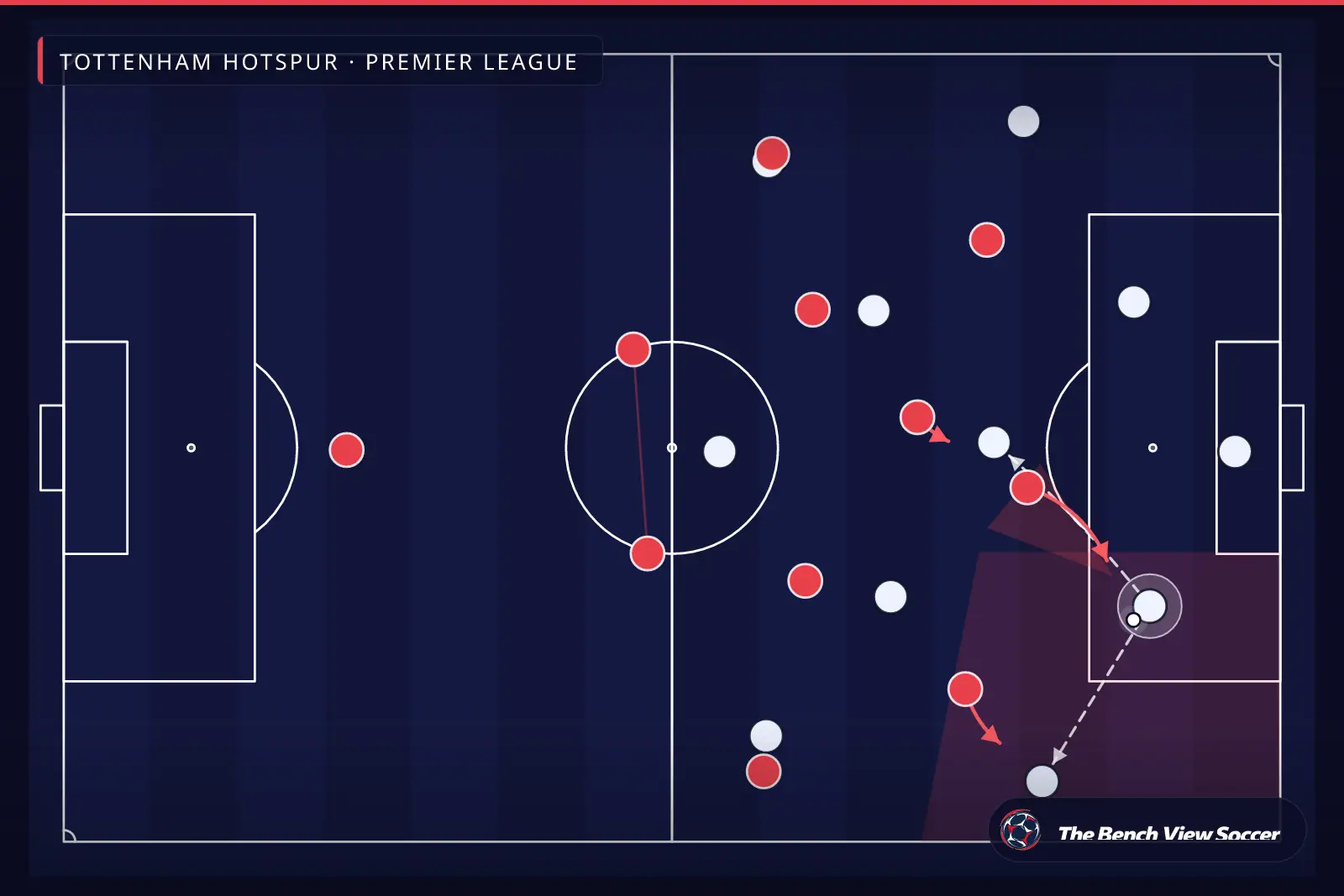
Tottenham Hotspur: How World Cup 2026 Is Warping Their Press
August 27, 2026
Chelsea's 3-2-5 Rest-Defense Is the Real Champions League Edge
August 27, 2026
Aston Villa's Box Midfield Is the Premier League's Real Edge
August 26, 2026
Chelsea's Box Midfield Is Fueling Chaos at the Cottage — Why
August 24, 2026