

The Moment That Shocked Ecuador’s World Cup Ambitions
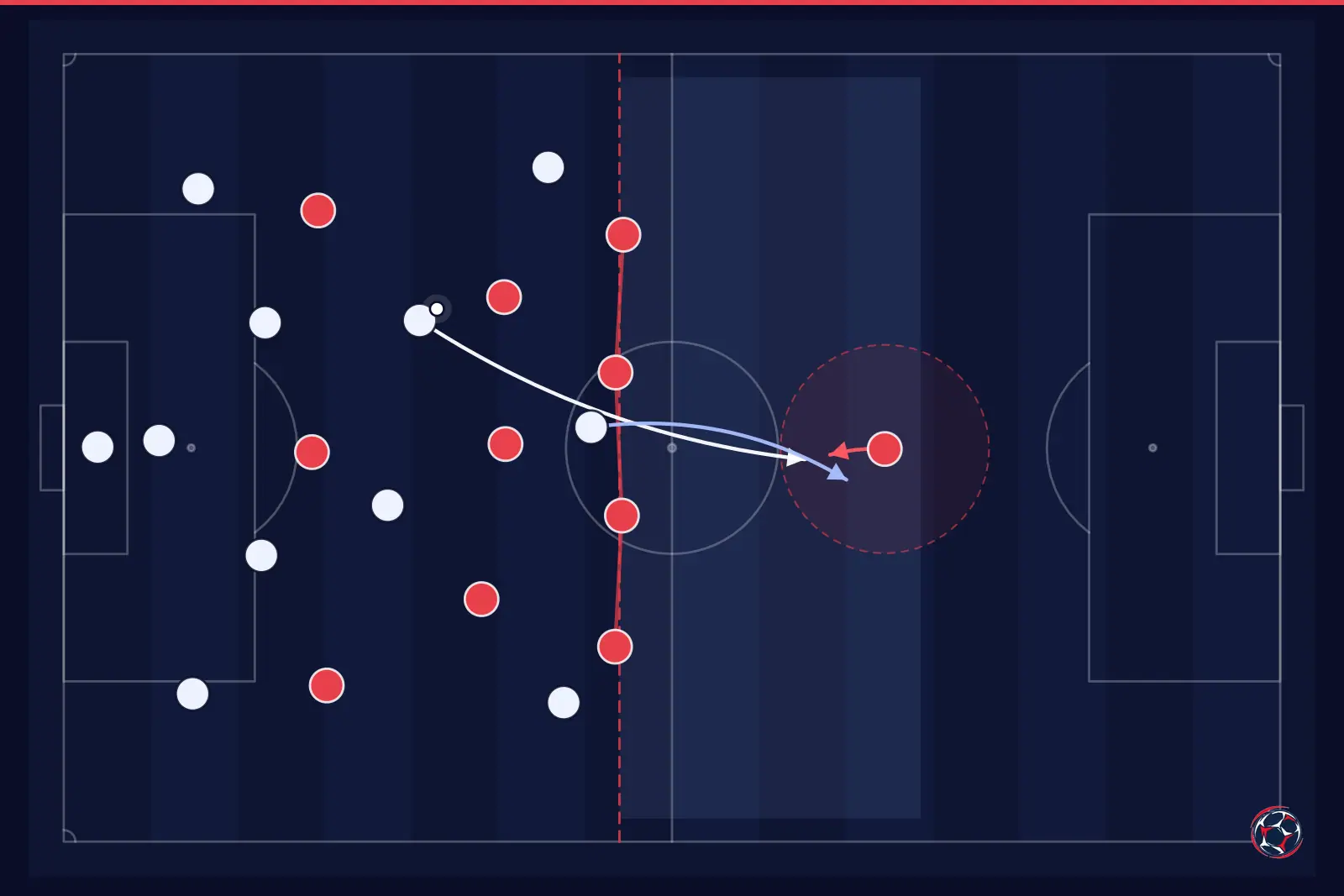
In the dying embers of stoppage time, Amad weaved through an exhausted Ecuador back line and fired home, sealing a dramatic World Cup 2026 opener for Ivory Coast. As social media lit up with clips of the celebrated finish, the bigger question loomed: What tactical miscalculation left Ecuador so exposed, so late? Our analysis is unequivocal—Ecuador's persistent commitment to a high defensive line, even as game-state and pressing intensity waned, created structural vulnerabilities Ivory Coast ruthlessly exploited.
Ecuador’s high line—so effective in qualifying—became their undoing on the grandest stage, exposing systemic cracks when it mattered most.
Ecuador’s High Line: Strength or Achille’s Heel?
First, a definition: the high defensive line is a deliberate strategy to compress play vertically, deny midfield space, and fuel aggressive pressing traps. Ecuador, under Félix Sánchez, rode this approach to World Cup qualification, locking teams into their own halves with fierce ball recoveries and synchronized vertical compactness.
Against Ivory Coast, this shape was evident from the opening whistle—center backs Pacho and Torres often operating just meters inside the halfway line, with fullbacks Preciado and Estupiñán pushing high to hem in Ivorian wingers. But as early as the 15th minute, warning lights flashed: Haller slipped in behind from the right half-space (15'), forcing a late emergency challenge. Moments like these were not isolated; instead, they were symptoms of a more profound tactical tension.
The Pressing Equation: Triggers and Fatigue
Ecuador’s trademark is the ball-oriented pressing trigger. As soon as the Ivorian double pivot (Sangaré and Kessié) received between the lines, Ecuador sent two to three midfielders in a triangle press, aiming to force the ball wide or win it back swiftly. For 60 minutes, it worked—Ivory Coast’s passing accuracy in central midfield dropped to just 74%, one of their lowest halves in major tournament play since 2014.
But from the 70th minute on, the intensity faded. Moisés Caicedo, the pressing fulcrum, began to lag on recoveries. The gaps between defensive and midfield lines stretched from 10 to 20 meters, a dangerous chasm at elite level. Ivory Coast adapted: Zaha began dropping deeper to pull Preciado out, while Amad—first wide, then inverted—exploited the increased vertical space behind Ecuador’s last line.
93rd Minute Breakdown: Anatomy of an Exposed High Line
Let’s break down the moment that will haunt Ecuadorian fans. As Ecuador committed numbers upfield for a late set piece, their transition defense faltered. Ivory Coast broke with three passes: Kessié out to Konan (right touchline), an immediate underlapping run from Zaha dragging Estupiñán central, then the killer third-man run from Amad (right half-space, 93:08).
Key tactical failings:
- Spatial Awareness: Left center back Pacho lost body orientation, tracking the ball not the runner. Amad’s diagonal run between fullback and center back bypassed Ecuador’s last defensive line.
- Midfield Cover: With Caicedo ahead of the ball, no defensive midfielder screened the back four.
- Goalkeeper Positioning: Domínguez, forced high to sweep, hesitated as Amad bore down—caught in "no-man’s land", unable to cut the angle.
Tactically speaking, Ecuador’s high line—now unshielded and unsupported—became a red carpet for Ivory Coast to exploit with one sequence of vertical ball progression.
Historical Echoes: When High Lines Backfire on the Biggest Stage
Tacticians will recall Bayern Munich’s infamous 2020 Champions League quarterfinal against PSG, where a similarly aggressive high line was picked apart by Neymar and Mbappé. In World Cup history, Brazil’s collapse against Germany in 2014 saw their stretched back line brutally punished by rapid ball circulation and third-man runs. Ecuador’s loss, while not as dramatic in scoreline, echoes the same lesson: high lines demand relentless collective energy and coverage—lose either, and the risk of collapse multiplies at world-class level.
Comparatively, Ecuador’s attempt is less hubristic—built more on necessity than dominance. Lacking a world-class ball-progressing midfielder and forced to compensate for attacking inefficiency, their high line is both shield and sword. But as seen, when that mechanism falters, the double-edged sword wounds its wielder most.
Systemic Factors: Why Ecuador Couldn’t Adjust
Multiple interlocking causes explain why Ecuador's tactical gamble went unrewarded:
- Substitution Patterns: Sánchez’s delay in reinforcing midfield legs (no change until 84') left an overburdened engine room, inviting turnovers in transition.
- Lack of In-Game Tactical Flexibility: Ecuador rarely shifted out of their 4-3-3 shape; even at 0-0 late, there was scant evidence of a five-at-the-back fallback or a holding midfielder dropping deeper for protection.
- Psychological Factors: The urge to push for a late winner (a draw did neither side major favors in a crowded group) may have nudged decision-makers to take risks that, with fresher legs or more tournament experience, they would avoid.
All these elements combined with the tactical structure to create the conditions for Ecuador's late undoing.
Visualising the Space: A Tactical Diagram
A formation diagram would reveal the vertical gap between midfield and defense after Ecuador’s turnover, with Amad’s run timed just as both fullbacks are caught 10 meters ahead of their center backs. A stat card would show Ecuador’s average defensive line height in the final 15 minutes—4.2 meters higher than their first-half average.
Cause and Effect: What This Means for Ecuador (and Group Dynamics)
There’s no sugarcoating the consequences. Ecuador, who prided themselves on defensive organization, now find themselves at the bottom of the group and in tactical limbo. Will Sánchez double down on the high-line system, or recalibrate their risk calculus against more dangerous opponents? Given Senegal and the USA’s penchant for exploiting space in behind, the answer may determine Ecuador’s fate in this tournament.
But the data is stark: since 2018, teams conceding a 90th-minute winner in their World Cup opener have advanced just 22% of the time. The motivational and psychological blow is significant, but so too is the tactical fragility now exposed for all future opponents to study and target.
Counterargument: Is Caution the Real Enemy?
No tactical dogma is infallible. There is a genuine counterview: had Ecuador retreated into a deep block, they may never have threatened for three points at all, effectively ceding initiative and inviting sustained pressure instead. The high line is not just risk—it is ambition, and with only three group games, playing for a draw is anathema to progress. Moreover, Amad’s finish required rare match-winning quality; nine times out of ten, the structural gaps Ecuador left would go unpunished at this level.
Verdict: A Risk Worth Taking—or a Lesson Quickly Learned?
Tactically speaking, Ecuador’s high defensive line bought them high pressing returns and a genuine chance to break the game open—but, in this instance, the refusal (or inability) to recalibrate in the game’s chaotic moments proved fatal. The World Cup ruthlessly rewards flexibility and punishes hubris. If Ecuador learns, adapts, and retools for collective integrity—rather than dogmatic structure—they are not yet done. But as it stands, the story of their defeat is a masterclass in tactical cause and effect at the elite level.
In football, risks separate the bold from the forgotten. For Ecuador, the true test begins now: can they turn a tactical misstep into a blueprint for survival?
The Bench View app
Don’t just read football — train it
Everything you read here, turned into training you can follow step by step.
Physical training at home
AI daily sessions adapted to your level and position. No equipment needed.
Tactical training courses
Step-by-step courses on positioning, pressing, build-up and decision making.
- 7 days free
- No commitment
- Cancel anytime
Free account: 2 physical sessions + the first tactical course. PRO: 7-day free trial — cancel before day 8 and you pay nothing.

More Analysis
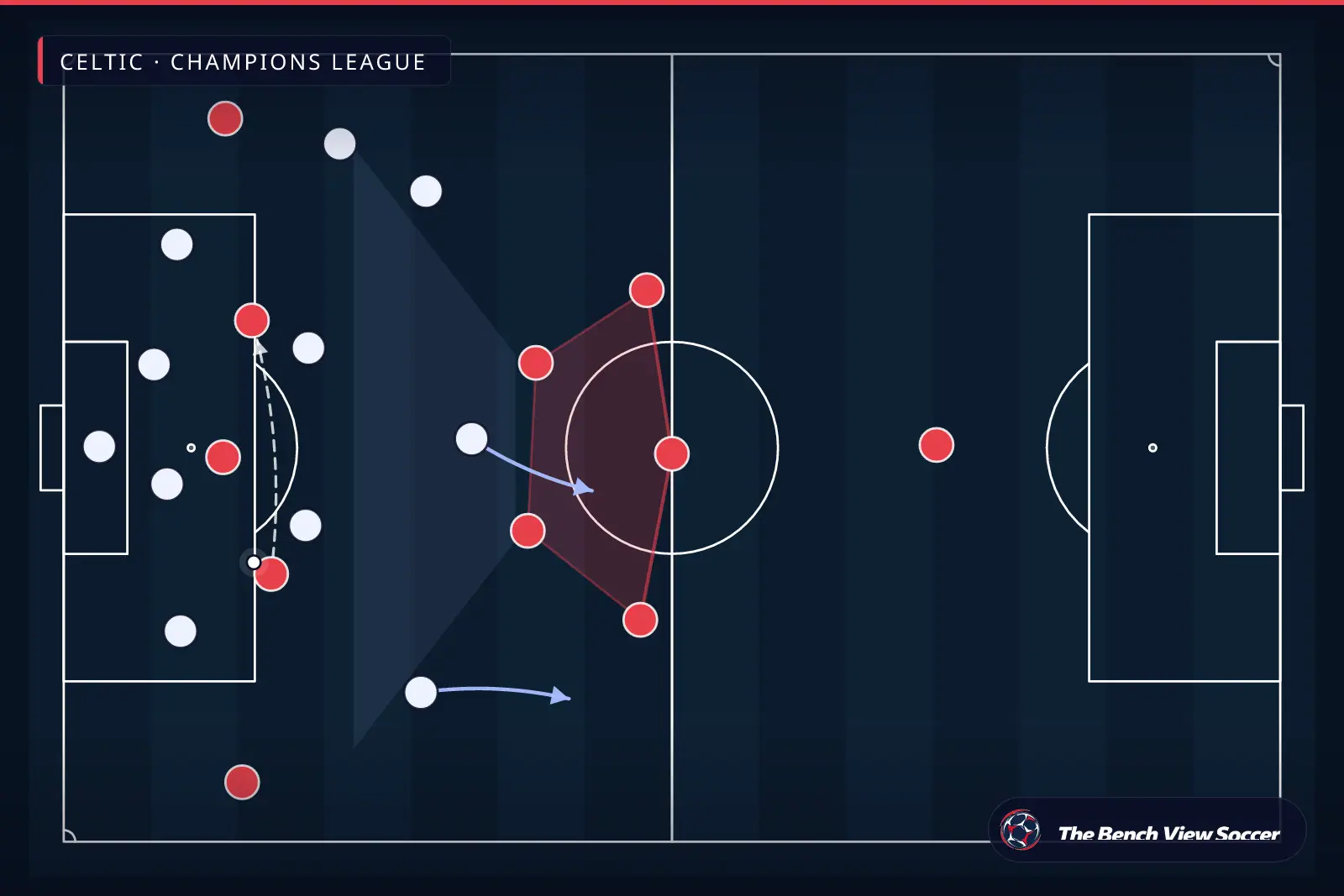
Celtic's Rest-Defense Collapse: How LASK Unpicked Their Build-Up
August 26, 2026
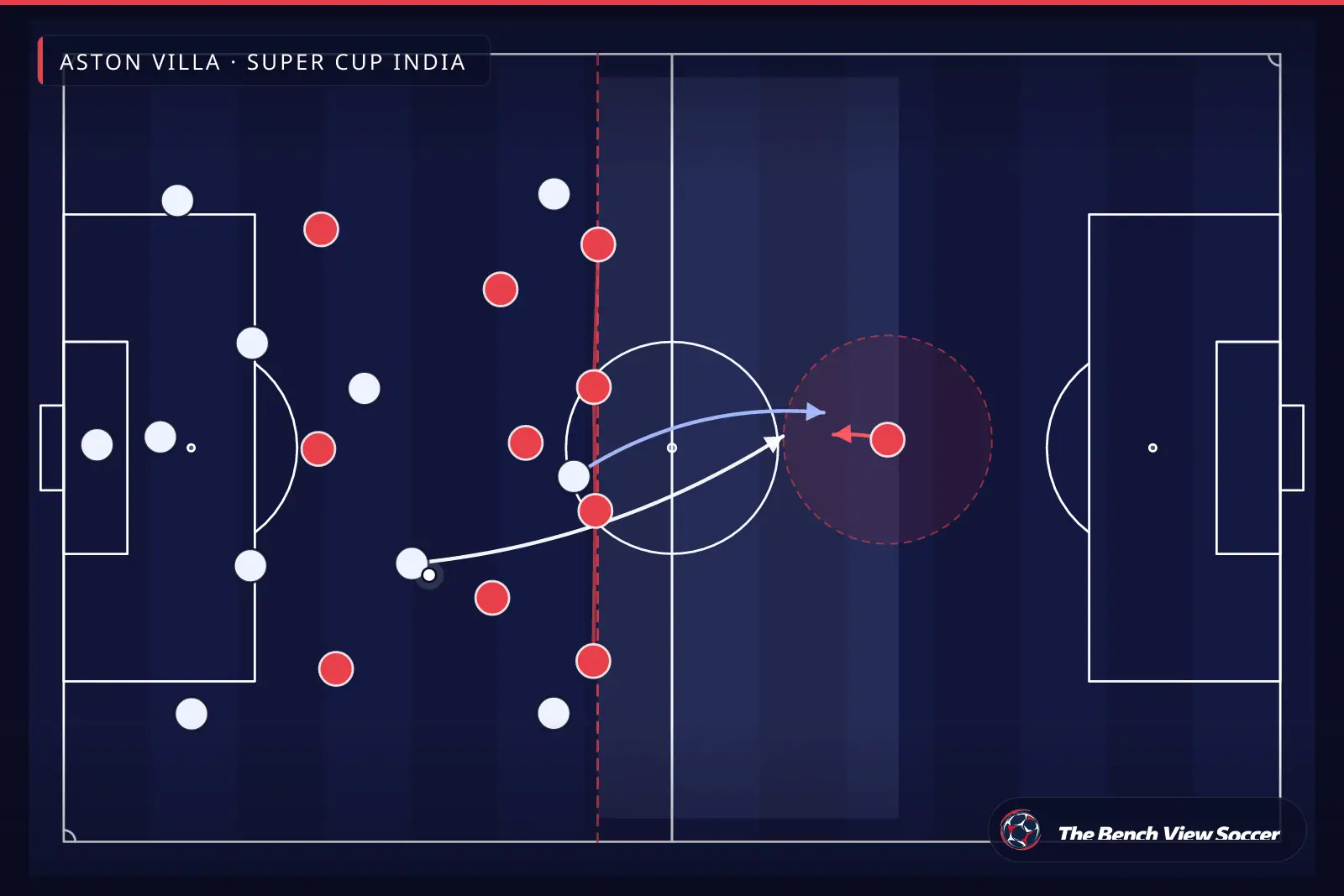
Aston Villa's Offside Trap Let PSG Win on VAR: What It Means
August 16, 2026
Arsenal's Calafiori Inversion Exposed City's Press: What It Means
August 16, 2026
Paris Saint-Germain's Rest-Defense Trap Neutralised Villa's Press
August 16, 2026