Introduction
In football, the timing of the final pass can make the difference between a scoring opportunity and a missed chance. For an attacking midfielder, the ability to decide when to deliver that critical pass is a skill that can elevate a team’s attacking play. Understanding how and when to time the final pass not only enhances individual performance but also contributes to the overall effectiveness of the team’s strategy. This article delves into the tactical nuances of timing the final pass and highlights why it matters in today’s fast-paced game.
Tactical Breakdown
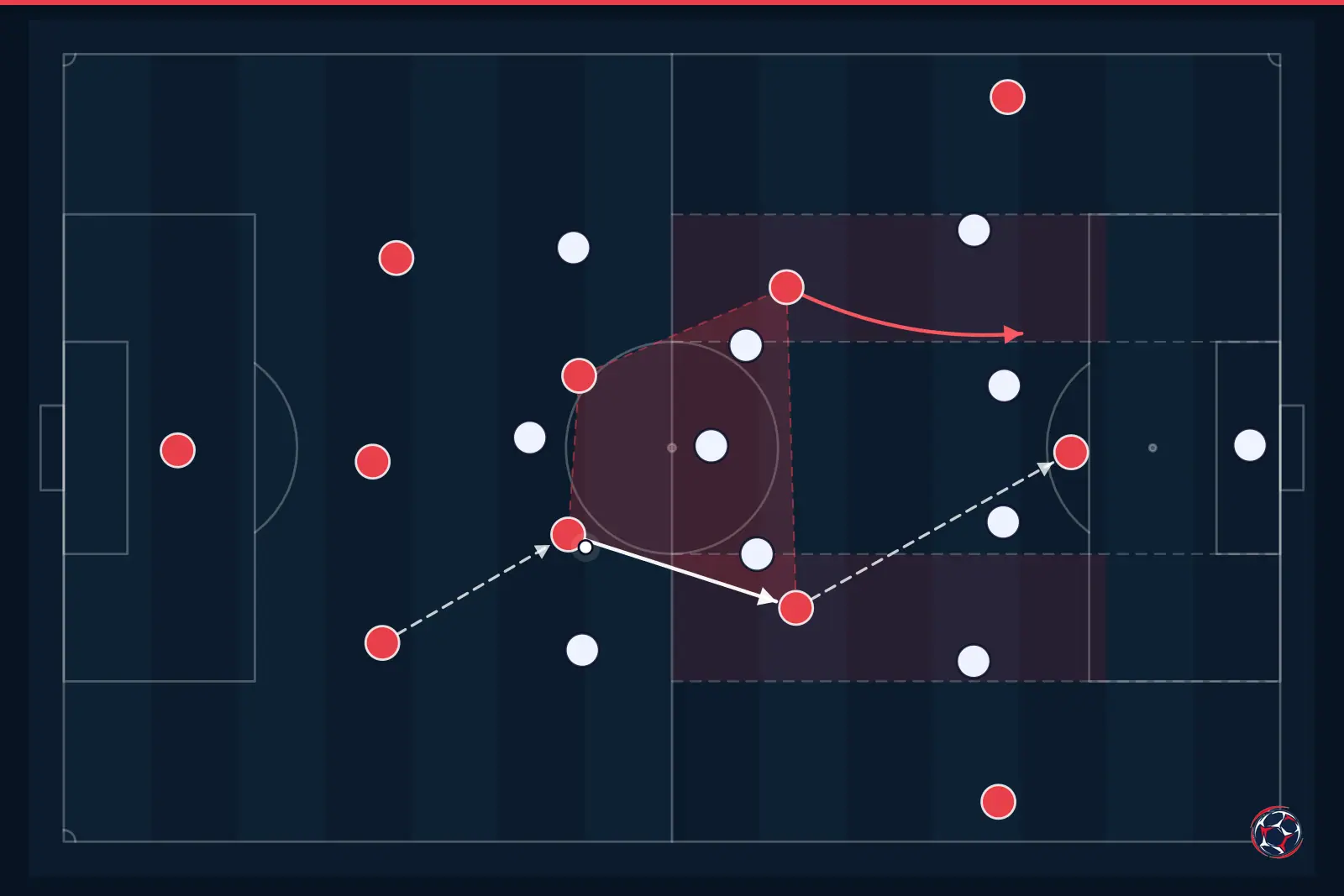
The final pass is often the decisive moment in an attacking sequence, and its timing can be broken down into a few key elements. An attacking midfielder must possess a keen sense of awareness, both of their teammates' positions and the defenders' movements. The most effective final passes are made when the attacking player is able to exploit gaps in the opposition's defense, which often requires a combination of vision, precision, and timing.
When in possession, the attacking midfielder should assess their options: Is there a player making a run into space? Are the defenders out of position? The goal is to deliver the ball just as the runner reaches the optimal point, allowing for a seamless transition from passing to shooting. Utilizing a variety of passes—through balls, weighted passes, or angled crosses—can help keep the defense guessing and create opportunities. Players like Kevin De Bruyne exemplify this skill, as he consistently delivers perfectly timed passes that unlock defenses.
Real Match Examples
One of the best examples of timing the final pass can be seen in Manchester City’s attacking plays under Pep Guardiola. In a match against Liverpool, De Bruyne executed a perfectly timed through ball that split the defense and allowed a teammate to score. His ability to read the game and anticipate movement created a clear goal-scoring opportunity.
Another notable example is Lionel Messi during his time at Barcelona. In La Liga, Messi often delivered final passes that not only met the runner at the right moment but also evaded multiple defenders. His understanding of timing and space was crucial to his team’s success. During a match against Real Madrid, his assist to Luis Suárez was a perfect representation of how timing the final pass can change the outcome of a match.
Key Principles
Key Principles for Coaches
- Awareness of Space: Encourage players to constantly scan the field for optimal passing lanes.
- Timing with Movement: Foster a connection between midfielders and forwards to ensure they understand when to time their runs.
- Variety in Passing: Train players to use different types of passes to keep defenders off balance.
- Anticipation: Develop the ability to predict the movements of both teammates and defenders to make timely decisions.
Training Implications
To effectively train players on timing the final pass, coaches can implement small-sided games that emphasize quick transitions and decision-making under pressure. For example, set up a scenario where attacking midfielders have to make final passes to forwards while being closed down by defenders. This setup not only helps in practicing timing but also improves awareness of space and movement. Additionally, incorporating drills that focus on different types of passes—such as through balls, chipped passes, and low crosses—will equip attacking midfielders with the skills needed to adapt to various match situations. Regular feedback and video analysis can further enhance their understanding of timing in real match contexts.
The Bench View app
Don’t just read football — train it
Everything you read here, turned into training you can follow step by step.
Physical training at home
AI daily sessions adapted to your level and position. No equipment needed.
Tactical training courses
Step-by-step courses on positioning, pressing, build-up and decision making.
- 7 days free
- No commitment
- Cancel anytime
Free account: 2 physical sessions + the first tactical course. PRO: 7-day free trial — cancel before day 8 and you pay nothing.