Arsenal have been urged to "unleash" Dowman, while a Liverpool v Chelsea tie in the Carabao Cup sits on the immediate horizon. Separately, Maresca has publicly backed Donnarumma, a Manchester City goalkeeper’s mistakes were described as normal, and Iraola has spoken of a growing bond at Anfield. Liverpool’s head coach is reported to be upbeat ahead of the cup meeting with Chelsea.
What happened
Press coverage has argued that Arsenal should consider increasing Dowman’s involvement. Media attention also focuses on an upcoming Liverpool v Chelsea match in the Carabao Cup, with Liverpool’s head coach described as upbeat before the tie. In other stories, Maresca has given public backing to Donnarumma. One report characterised a Manchester City goalkeeper’s mistakes as normal. Separately, Iraola said a sense of bond is developing at Anfield.
The tactical reading
The combination of these items points to a period where squad selection and confidence are at the forefront for multiple clubs. Calls to "unleash" a young or fringe player typically reflect a belief that that player’s strengths can change a team’s dynamic — either by offering different attacking profiles, refreshing the forward line or creating tactical variety off the bench. An Arsenal coach weighing such an option would be balancing the immediate tactical benefit against rhythm and cohesion within existing structures.
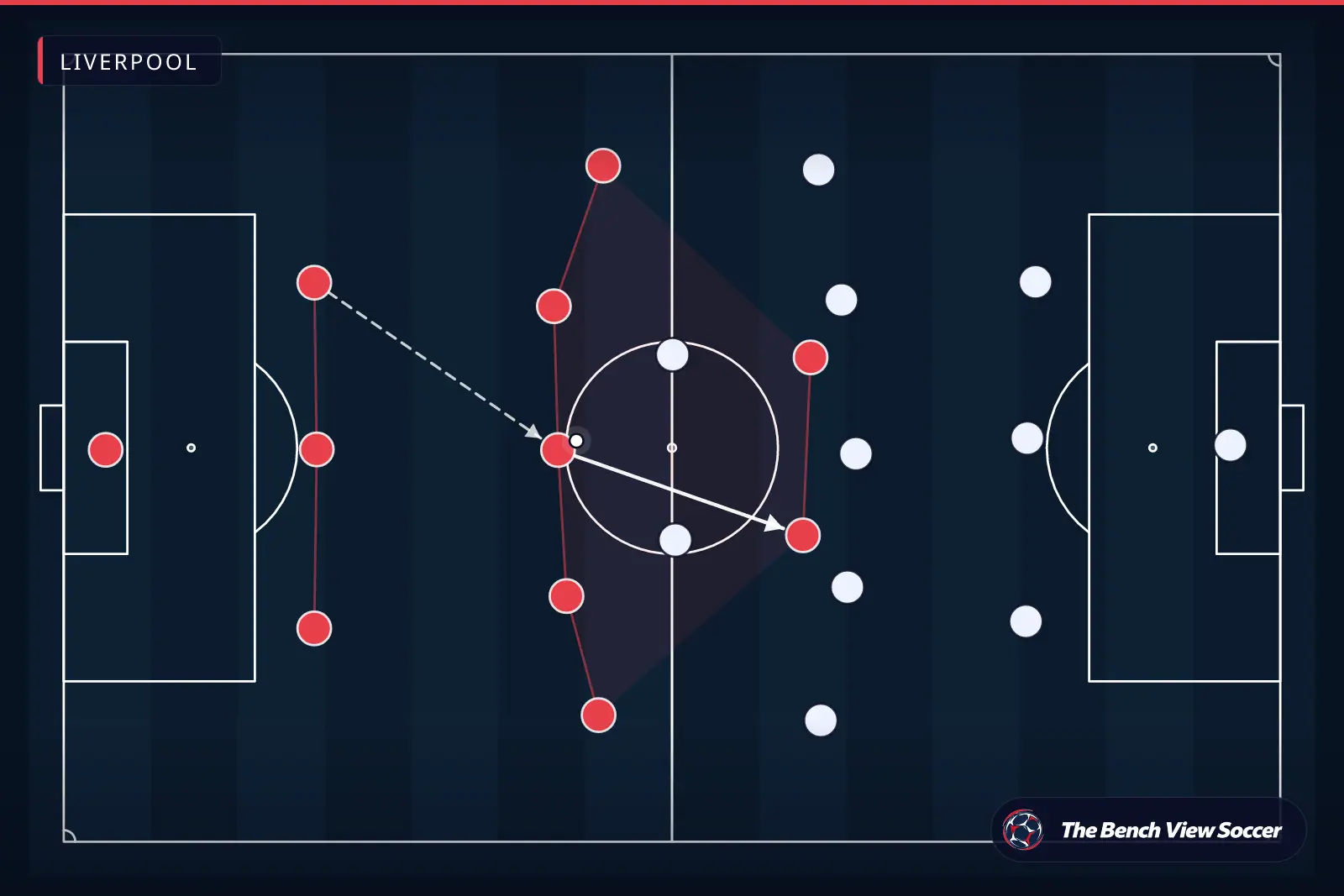
An upcoming cup tie between Liverpool and Chelsea suggests both coaches face classical cup dilemmas: whether to prioritise the competition by selecting experienced starters or to use it as a platform for rotation. The report that Liverpool’s head coach is upbeat before the tie signals confidence in his squad depth and readiness, which often translates into tactical flexibility. Teams in that position typically consider how to preserve core defensive shape while experimenting in attack, or vice versa, depending on the balance of risk they accept in a one-off knockout match.
Maresca’s public backing of Donnarumma and the framing of a Manchester City goalkeeper’s mistakes as "normal" highlight an important coaching principle: managing goalkeeper confidence and error tolerance. When managers frame errors as part of normal development or the demands of a role, it implies an approach that protects a player’s decision-making and encourages recovery rather than punitive benching. This affects how teams defend from the front, how keepers are coached to play with risk (for example, sweeping or quick distribution), and how defensive lines position themselves to mitigate transient lapses.
Iraola’s comment about a growing bond at Anfield points to a cultural and organisational element that can feed into tactical coherence. When personnel report increasing cohesion, it usually shows in quicker transitions between phases, clearer role acceptance, and fewer misunderstandings in pressing triggers or defensive cover. For a coach, fostering that bond can be as tactically valuable as drilling patterns: it underpins collective reactions to in-game scenarios, such as coordinated pressing or rapid reshaping after lost possession.
Key tactical points
- Introducing a player like Dowman is often recommended when a coach needs a new attacking dimension; it also requires clear role definition to avoid disrupting existing patterns.
- Cup matches force trade-offs between rotation and cohesion; selecting a mix of experience and fresh legs is a common way to balance match control with squad development.
- Publicly backing a goalkeeper can serve to stabilise their decision-making and encourage proactive play; that stance affects team tactics around pressing and the high line.
- Characterising errors as normal is a tool to preserve a player’s confidence but needs to be paired with targeted training to reduce repeat mistakes.
- Growing team bonds accelerate tactical learning: better communication and shared instincts shorten the time needed to implement complex pressing schemes or transitional patterns.
What to watch next
Against the backdrop of these reports, watch how managers handle selection for immediate matches. Will Arsenal alter their attacking setup to incorporate Dowman more prominently, and if so, how will that change their balance? In the Liverpool v Chelsea cup tie, the composition of both sides’ line-ups will indicate whether the clubs prioritise progression or squad management. Look for whether Liverpool’s reported upbeat tone translates into an assertive tactical approach or a cautious combination of starters and rotated players.
Also observe goalkeeper usage and public messaging in the coming rounds. Managers’ comments and subsequent selection choices will show whether backing is accompanied by concrete tactical adjustments — for example, changing how often a keeper is asked to play out from the back or to act as a sweeper — and whether defensive units alter their positioning to support keepers judged to be in a vulnerable phase.
Train it
To train the themes above — integrating a new attacking profile while protecting goalkeeper confidence and promoting team bonding — use a phased rondo-based drill that progresses into conditioned small-sided games. The aim is to rehearse role clarity for an attacking newcomer, encourage keepers to make positive decisions under pressure, and build shared defensive and pressing triggers.
- Phase 1: 6v2 rondo with a designated "attacker" who must make a minimum number of progressive passes per sequence to encourage forward combinations and clarity of role.
- Phase 2: Add a goalkeeper and require the team to build from the back under light pressure, rewarding successful outward progression to the attacking zone; allow the keeper to sweep and distribute.
- Phase 3: Conditioned 6v6 SSG where the team must complete a set number of progressive entries or transitions to score; rotate the attacker and allow the keeper to influence play, emphasizing communication and recovery after mistakes.
- Coaching point 1: Define the newcomer’s specific tasks (vertical runs, wide combinations, hold-up) before the drill to limit role ambiguity.
- Coaching point 2: Frame goalkeeper errors as learning moments; give immediate, specific technical feedback and a clear plan for the next repetition rather than public criticism.
- Coaching point 3: Emphasise collective triggers for pressing and cover in transitions; use debriefs to reinforce shared cues and build the "bond" that speeds tactical understanding.
Sources
La app de The Bench View
No solo leas fútbol: entrénalo
Todo lo que lees aquí, convertido en entrenamiento que puedes seguir paso a paso.
Entrenamiento físico en casa
Sesiones diarias con IA adaptadas a tu nivel y posición. Sin material.
Entrenamiento táctico
Cursos paso a paso de posicionamiento, presión, salida de balón y toma de decisiones.
- 7 días gratis
- Sin compromiso
- Cancela cuando quieras
Cuenta gratis: 2 sesiones físicas + el primer curso táctico. PRO: 7 días de prueba gratis; cancela antes del día 8 y no pagas nada.