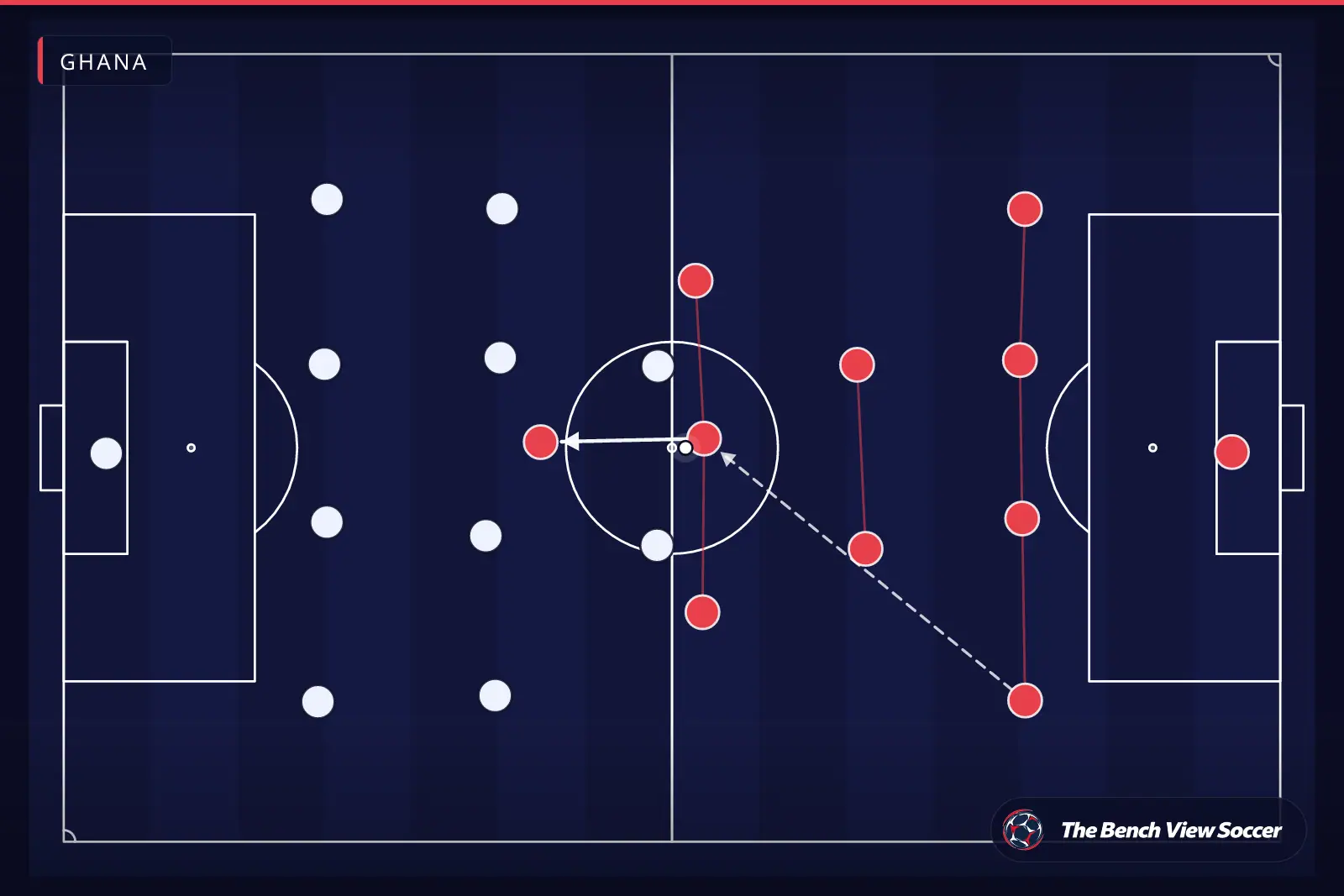
AFCON tactics Ghana analysis
Ghanaian football is steeped in a tradition of athletic, tactically adaptable teams that perform on the continental stage. The Black Stars arrive at AFCON with expectations born from historic runs, driven by domestic giants Hearts of Oak and Asante Kotoko and export talent such as Thomas Partey and Jordan Ayew.
This AFCON tactics Ghana analysis breaks down the core systems, practical steps for coaches and motivated players, and real examples from the Ghana Premier League so you can apply these lessons in training or match preparation.
What is AFCON tactics analysis for Ghana?
AFCON tactics analysis for Ghana is the study of how the Black Stars and Ghanaian clubs set up to win continental matches: formation choices, defensive structure, midfield roles, transition patterns, set-piece plans, and player selection influenced by local club culture and player export pipelines.
How to implement AFCON tactics for Ghana?
- Assess squad strengths: identify your best number 6 (holding), number 8s (box-to-box), and wide attackers; Ghana often relies on a powerful holding midfielder like Thomas Partey to shield the back four.
- Choose a base formation: deploy a 4-2-3-1 or 4-3-3 for balance. A double pivot provides protection against counterattacks common at AFCON.
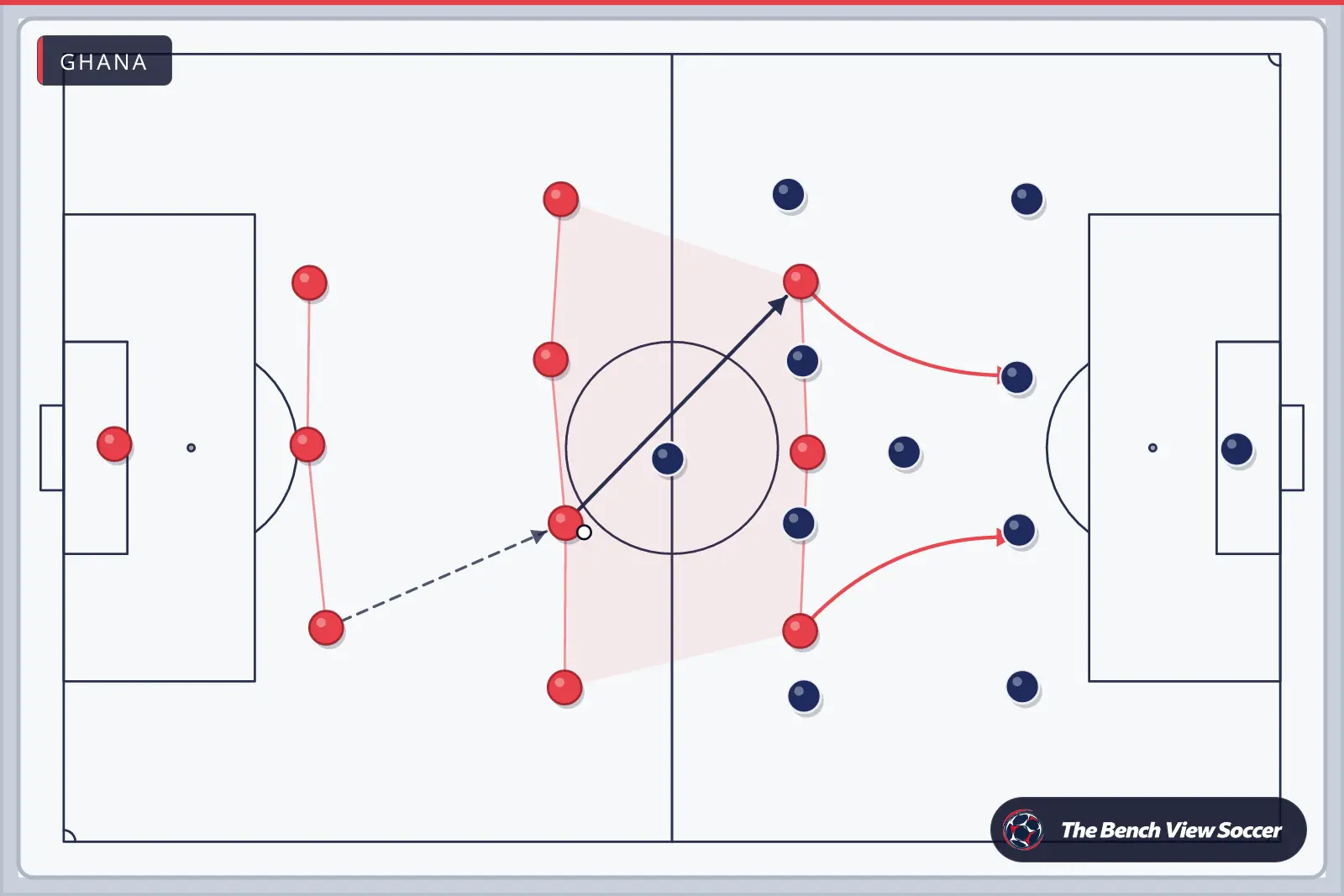
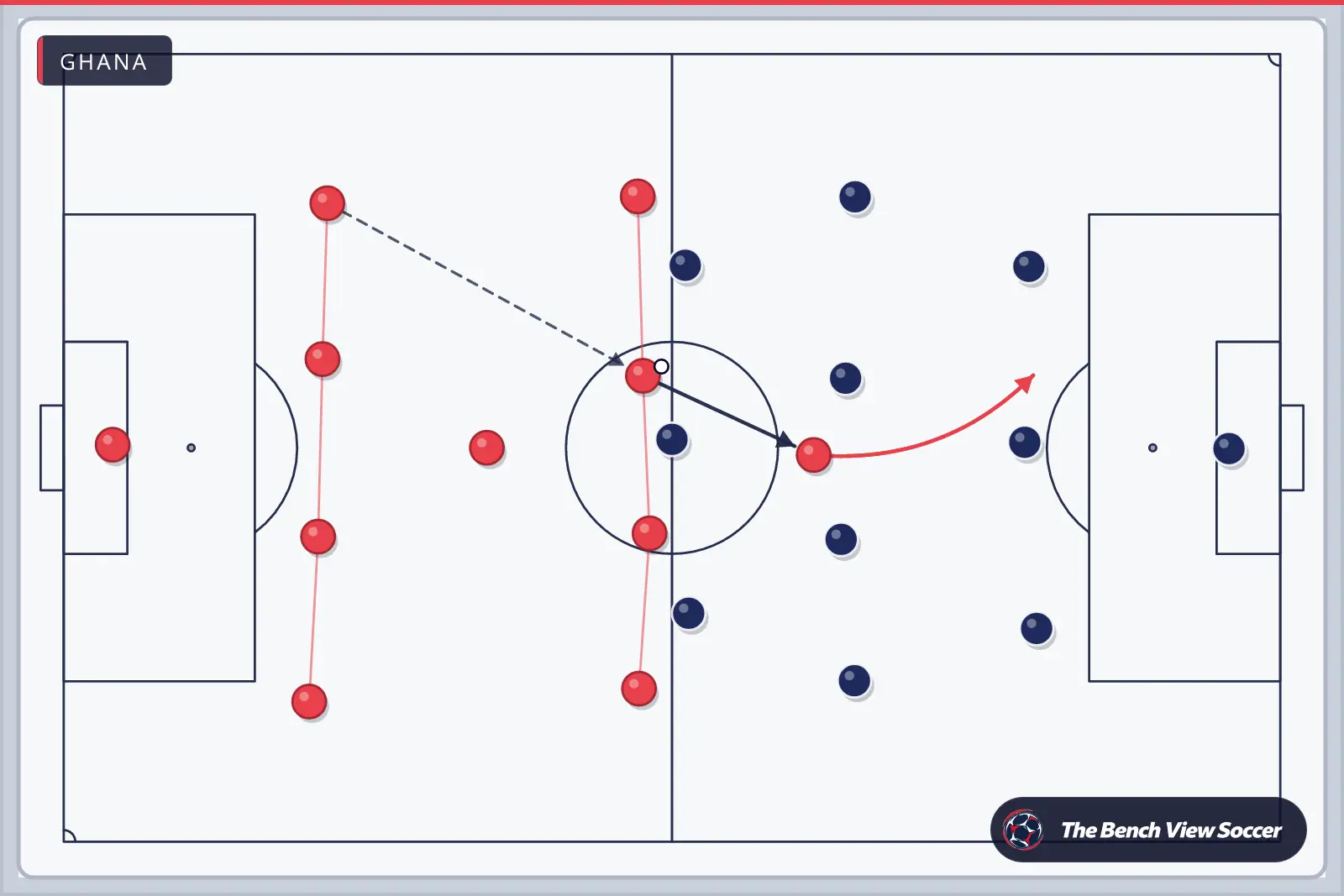
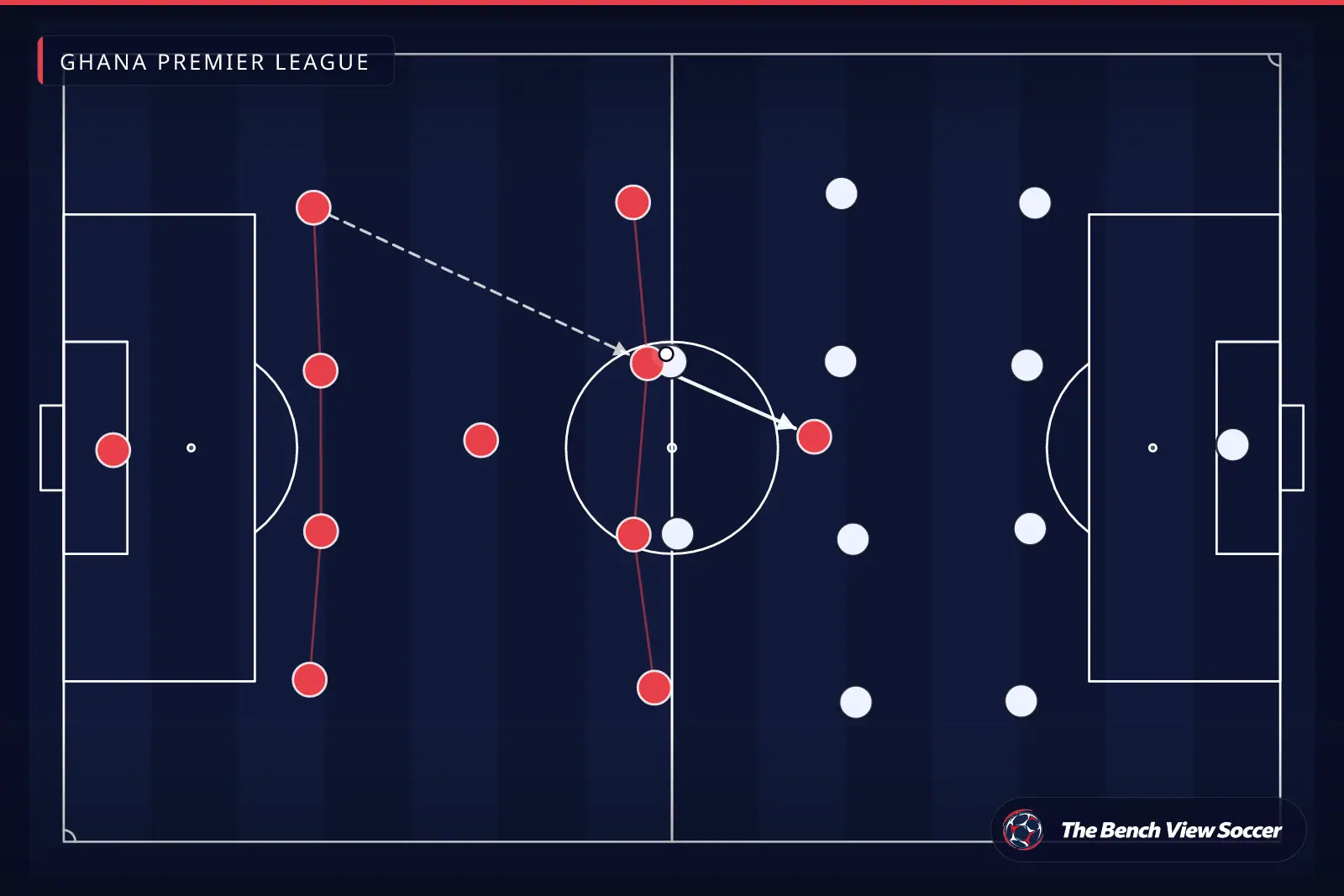
- Train transition phases: practice quick vertical passes from the holding midfield to wide players and runners in behind. Speed in transition is a Ghanaian strength and a decisive AFCON tactic.
- Work on set plays and pressing triggers: coach coordinated pressing moments and rehearsed corner routines. Ghanaian sides score and concede set-piece goals — manage both proactively.
- Adapt to opponent and in-game signals: use halftime adjustments, substitution patterns, and tactical switches (e.g., to 3-5-2) to neutralize specific threats and exploit weaknesses.
What are real examples from the Ghana Premier League?
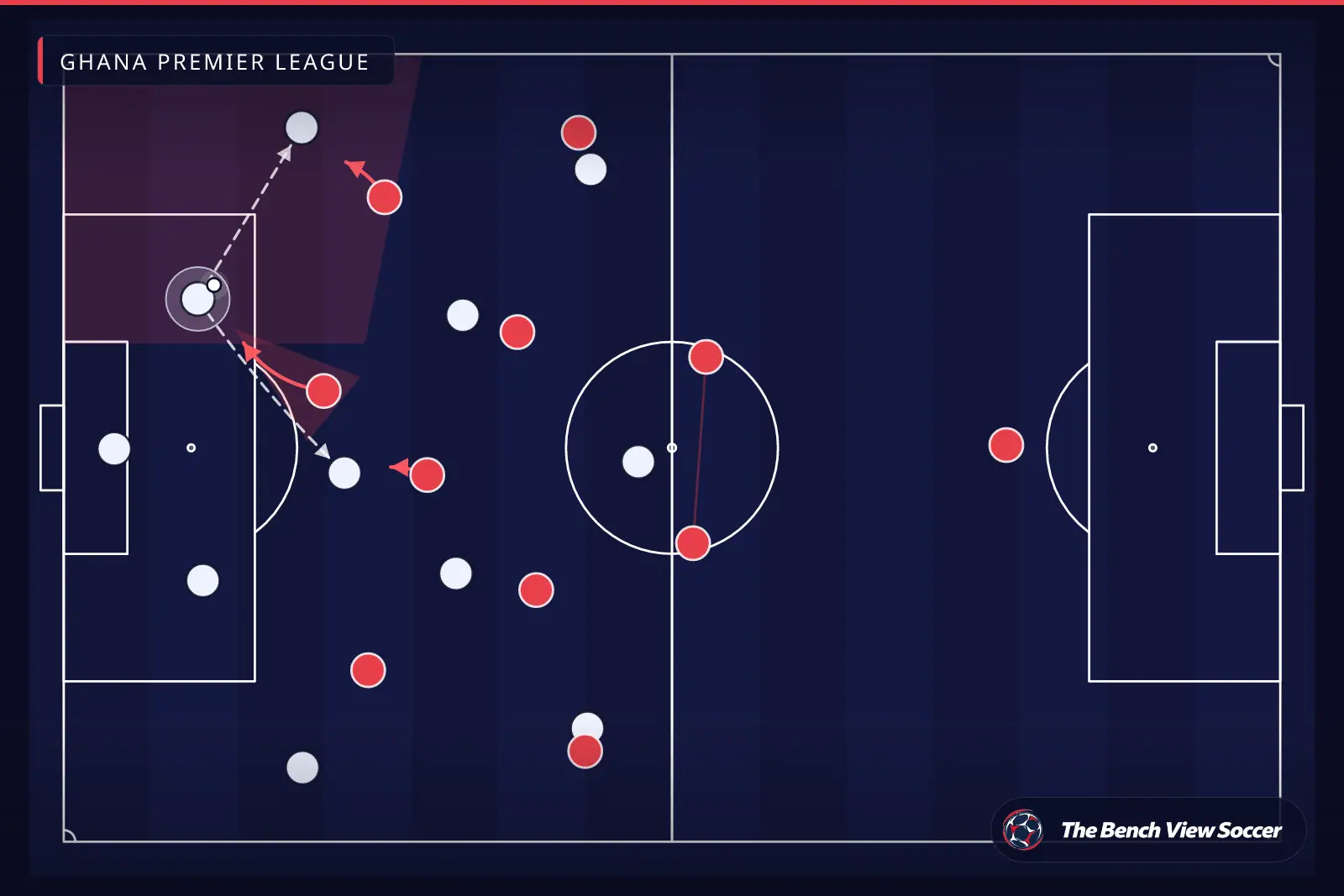
Hearts of Oak and Asante Kotoko provide clear tactical templates. Hearts often build from a compact 4-2-3-1 that invites opponents, then breaks quickly through wide full-backs and agile wingers. Kotoko has historically used a high press and direct transitions, prioritizing physical duels and quick long passes into the box.
Young players from the GPL typically display strong work-rate and tactical discipline; coaches extract these traits by emphasizing zonal compactness and dual-role midfielders who can defend and carry the ball forward. These club patterns feed into national team tactics during AFCON campaigns.
Best tips to apply AFCON tactics in Ghana?
- Prioritize fitness and recovery: AFCON schedules are intense; high conditioning allows pressing and rapid transitions to be sustained.
- Develop a reliable holding midfielder: the ability to break lines and recycle possession is crucial against physical African opponents.
- Train wing combinations: overlapping full-backs and inverted wingers provide width and unpredictability.
- Emphasize set-piece specialization: goal differences and late winners often come from corners and free kicks.
- Use local examples: copy successful patterns from Hearts of Oak and Asante Kotoko when teaching tempo and pressing.
- Blend experience with youth: pair veteran leaders with hungry GPL academy graduates for balance and intensity.
Mistakes to avoid when using AFCON tactics?
- Neglecting transition defense: failing to train quick recovery allows counterattacks that exploit Ghanaian attacking commitment.
- Over-reliance on one star: depending solely on a single player (e.g., expecting Thomas Partey to win every midfield duel) makes tactics predictable.
- Ignoring set-piece vulnerability: poor marking and zonal confusion lead to avoidable concessions at AFCON level.
- Not adapting to pitch and climate: AFCON environments vary; rigid tactics that ignore conditions will underperform.
Frequently Asked Questions?
How does Ghana typically set up defensively at AFCON?
Ghana usually sets up compactly with a double pivot or single holding midfielder protecting the back line. Defensive shape focuses on central congestion, forcing opponents wide and using quick midfield recovery to prevent overloads. Full-backs balance width with defensive discipline.
Which Ghanaian players influence AFCON tactics most?
Senior pros like Thomas Partey and Jordan Ayew shape tactical plans: Partey’s ball-winning and distribution enable controlled transitions, while Ayew’s movement and finishing provide a focal point. Domestic leaders from Hearts of Oak and Asante Kotoko bring pressing identities and work-rate to the national setup.
Can GPL tactical trends help the Black Stars succeed?
Yes. The GPL’s emphasis on intensity, physical duels, and transitional football supplies players conditioned to AFCON’s rhythm. Coaches can import set-piece routines and pressing triggers that have worked in Accra and Kumasi to the national stage.
How should youth coaches prepare players for AFCON-style football?
Youth coaches should focus on tactical intelligence, stamina, and multi-position skills. Train young midfielders in both defensive cover and progressive passing, and teach wing-play combinations and set-piece specialization to mirror AFCON tactical demands.
Start our free courses on The Bench View Soccer.