Asante Kotoko tactics Ghana
In Ghana’s vibrant football culture — where the Black Stars inspire and the derby with Hearts of Oak defines pride — understanding Asante Kotoko tactics Ghana is essential for any motivated player who wants to rise in the Ghana Premier League. Kotoko’s style blends local athleticism, disciplined team defending and strong wing play that has fed talent into national and continental competitions.
This guide breaks the Porcupine Warriors’ tactical identity into practical coaching and player-level steps. Whether you’re a junior in Kumasi, a coach in Accra, or a Ghanaian player aiming for the CAF Champions League, these insights link local tradition with modern match-day demands.
What is Asante Kotoko tactics Ghana?
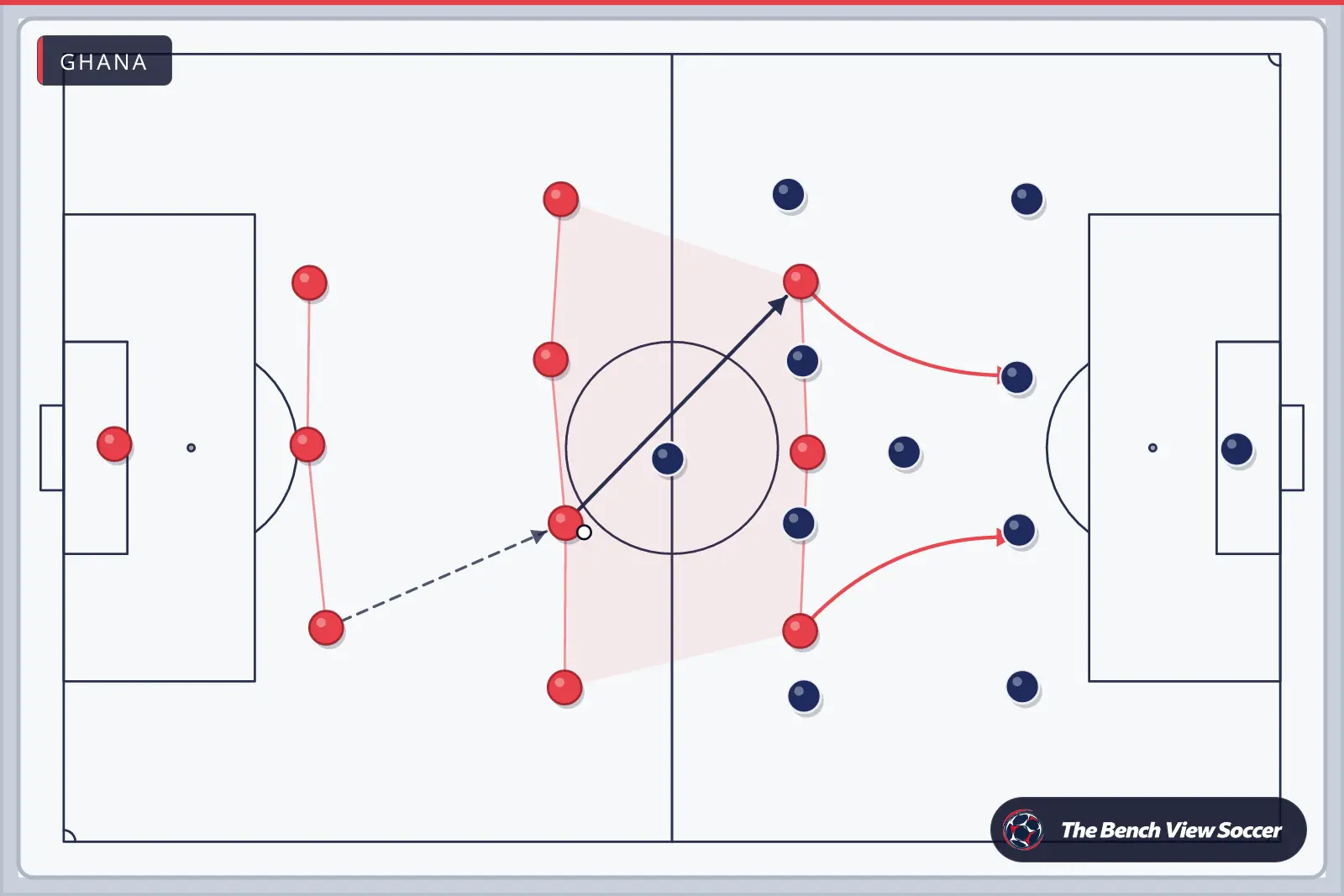
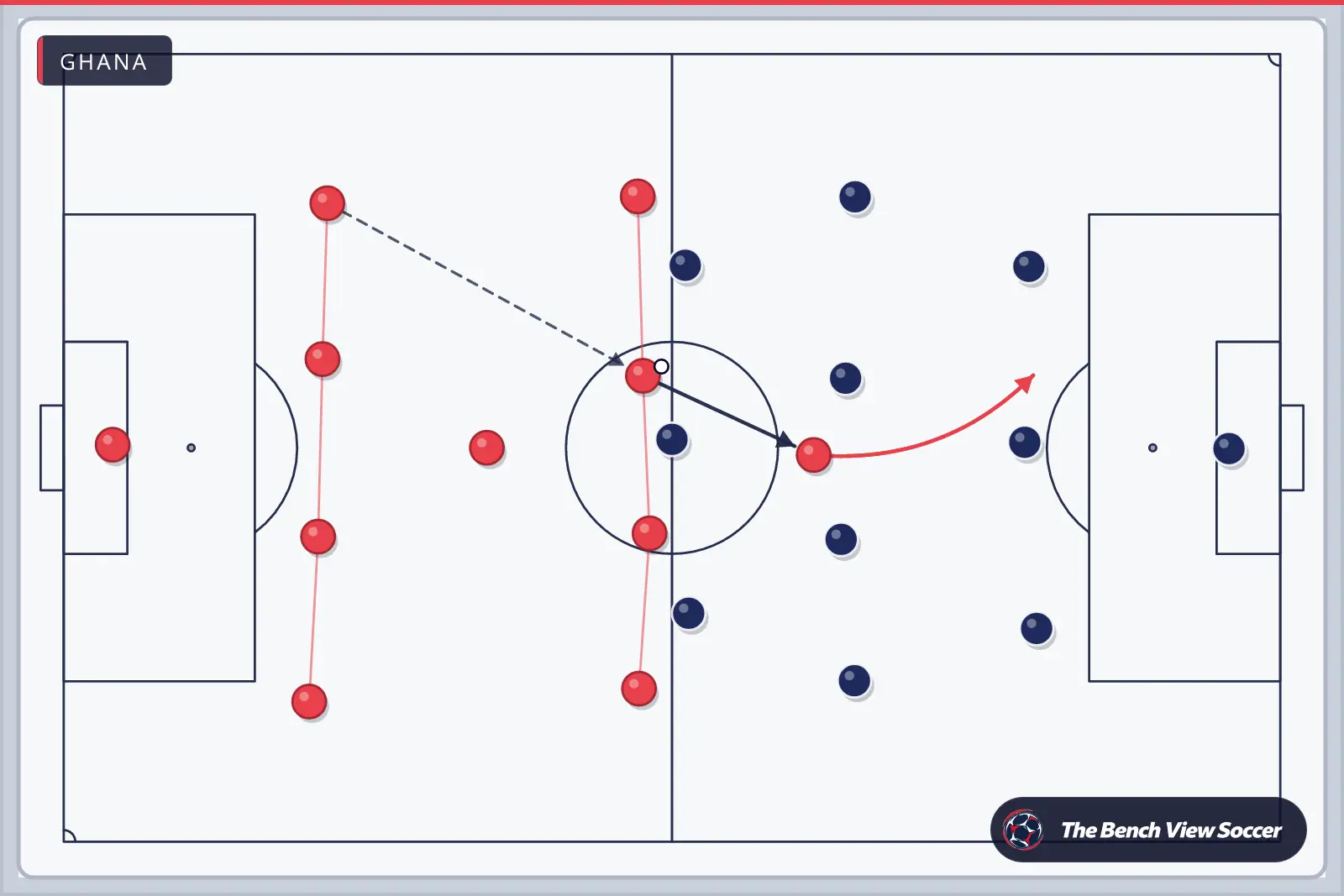
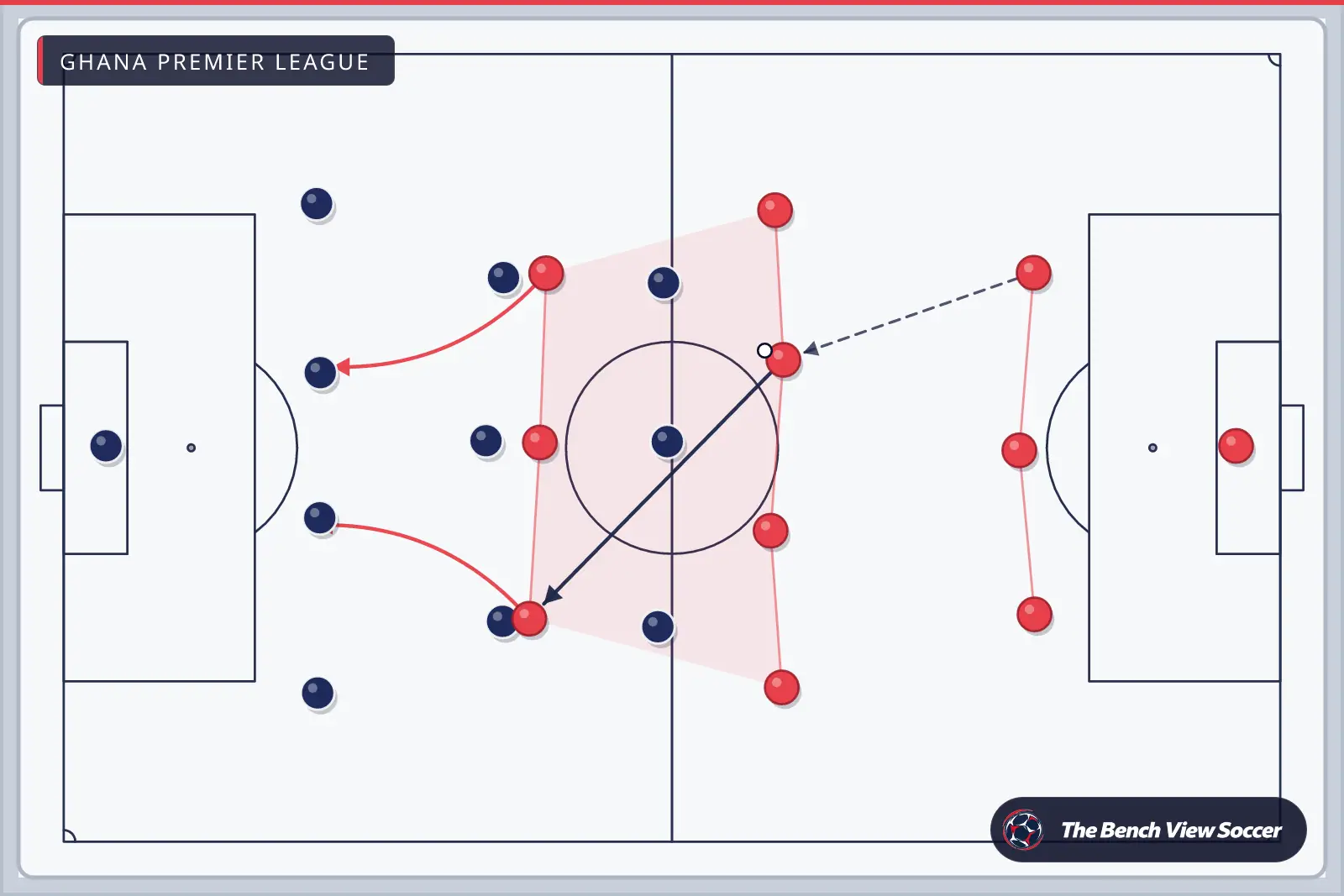
Asante Kotoko tactics Ghana refers to the club’s consistent approach: organised team pressing, compact mid-blocks, emphasis on wing-backs and quick vertical transitions. The system balances controlled possession in midfield with direct, fast attacks down the flanks. Set pieces and physical duels are prepared as decisive match-winners in both the Ghana Premier League and CAF fixtures.
How to implement Asante Kotoko tactics in Ghana?
- Establish the shape: Start with a flexible 4-2-3-1 or 4-3-3 that can shift into a narrow 4-4-2 mid-block when defending. Teach the two holding midfielders to screen the defence and connect with wide attackers.
- Train coordinated pressing triggers: Identify moments to press (bad touches, back passes, side switches). Use small-sided drills that force players to close down within three seconds and recover shape after the press.
- Develop wing-play and overlaps: Train fullbacks to combine with wingers using 2v1 and 3v2 patterns. Emphasise timing for overlaps and underlaps so crossing becomes a natural option against Ghanaian and continental defences.
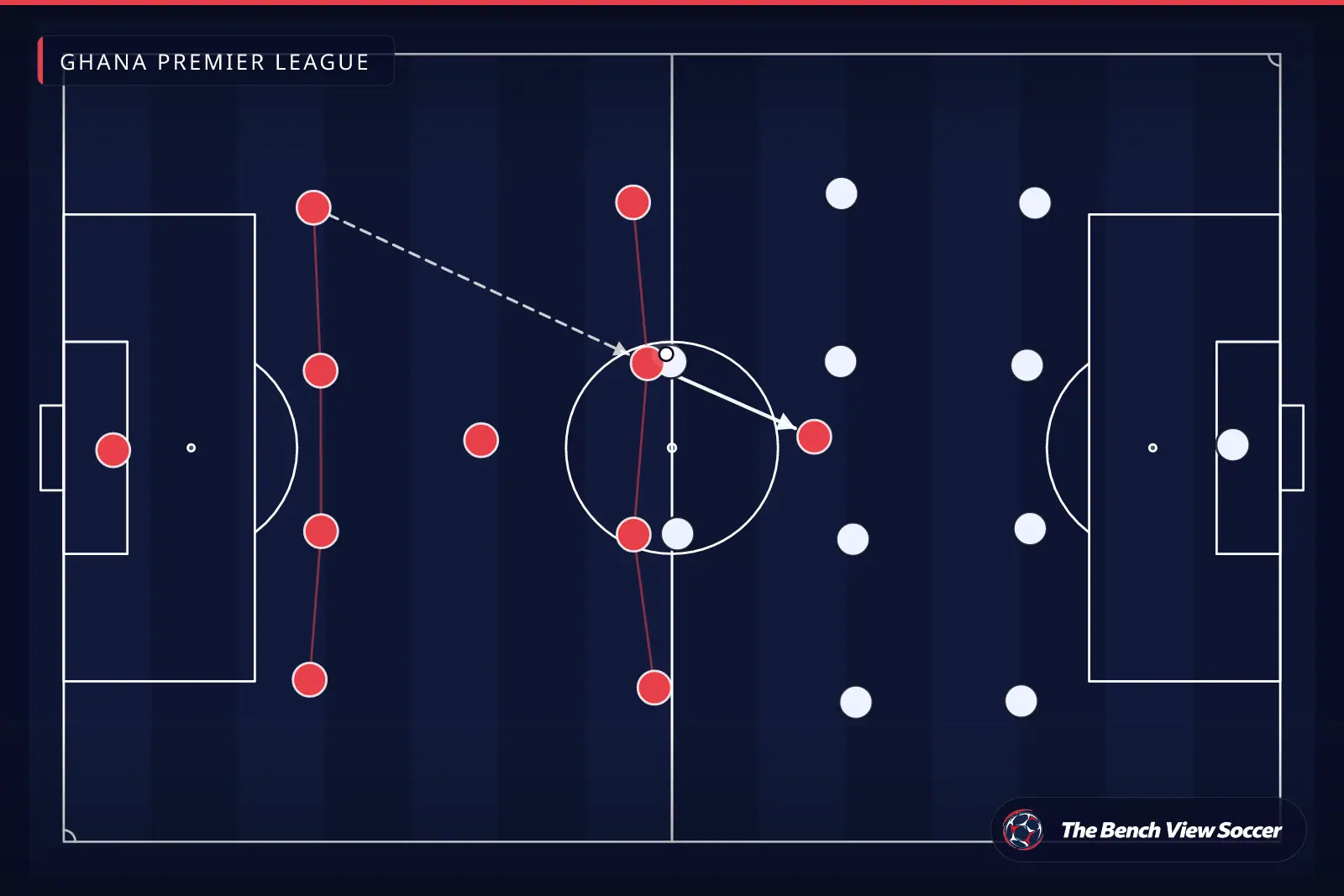
- Improve transition speed: Practice quick vertical passing and first-touch passing after turnovers. Use transition games where the team scores with two or three touches to mimic Kotoko’s counter-attacking moments.
- Set-piece mastery and physical conditioning: Dedicate sessions to defensive and attacking set pieces, and include strength and sprint work to exploit Kotoko’s athletic profile across 90 minutes.
What are real examples from the Ghana Premier League?
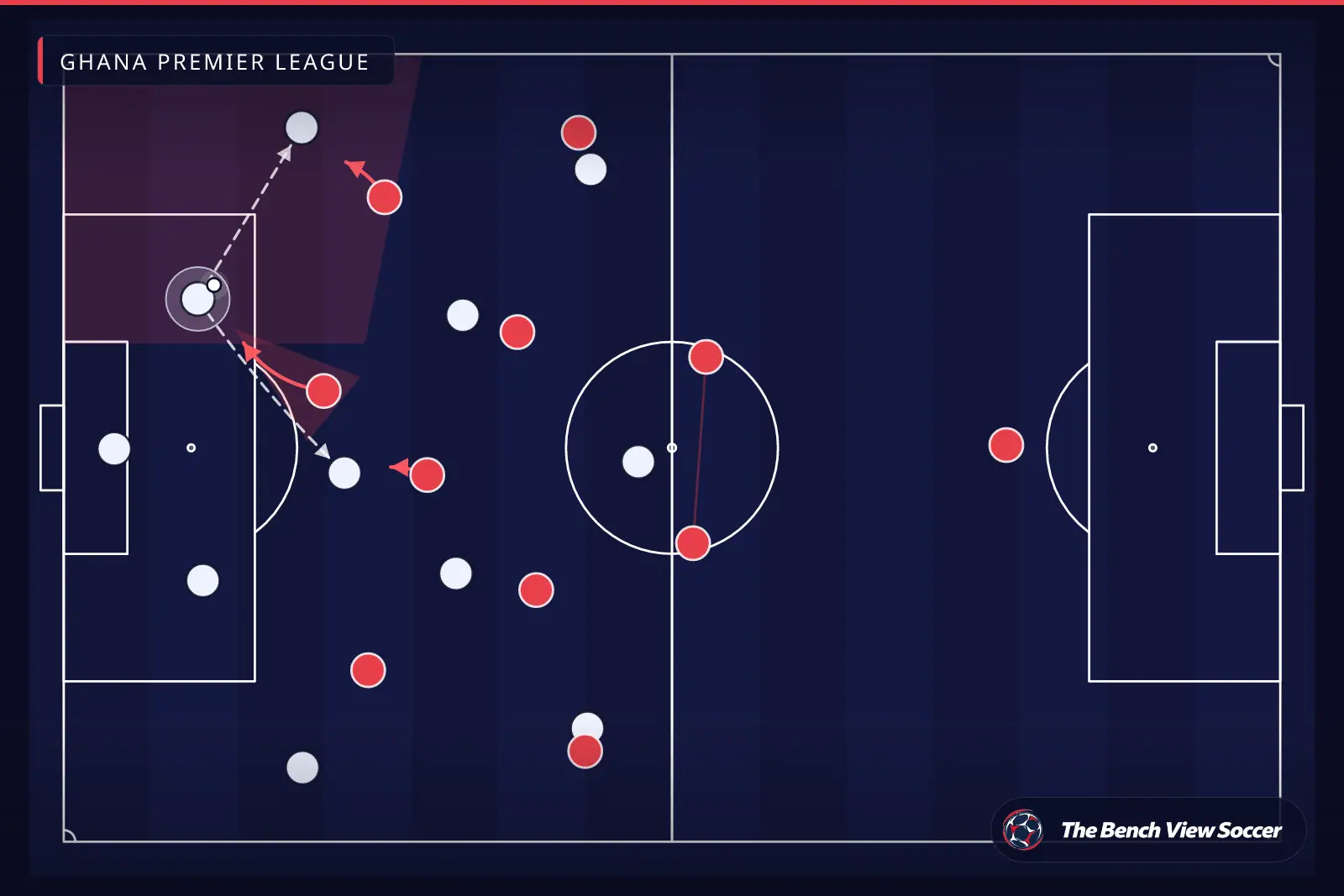
In recent GPL seasons, Asante Kotoko have shown these tactics in derby matches and title runs: aggressive first-half pressing to unsettle opponents, then more controlled possession to manage games. Matches against Hearts of Oak highlight Kotoko’s reliance on wide attacks and set-piece routines, while continental outings in the CAF Champions League expose the same pressing and compact defending against higher-quality opponents.
Individual player examples: midfielders trained to drop between centre-backs when building from the back, wing-backs who provide both defensive width and attacking spurts, and strikers who press starting defenders — all visible features in Kotoko’s tactical blueprint within Ghana’s top-flight context.
Best tips to master Asante Kotoko tactics?
- Learn the triggers for pressing and always press as a coordinated unit to avoid being bypassed.
- Work on first-touch passing and switching play quickly to exploit flank spaces.
- Build strong communication between double pivot midfielders and central defenders for stability during build-up.
- Practice crossing and timing of runs from deep to finish counter-attacks effectively.
- Maintain high fitness levels: Kotoko’s style depends on repeated sprints and physical duels.
- Study match footage from both Ghana Premier League and CAF games to adapt tactical tweaks used against diverse opponents.
Mistakes to avoid?
- Pressing out of position: avoid isolated pressing that opens gaps between lines — always press in numbers and with clear triggers.
- Overcommitting fullbacks without cover: if wing-backs push too high without midfield support, opponents will exploit the channel behind them.
- Poor transition discipline: failing to reorganise after losing the ball invites fast counters — practice recovery runs and compactness.
- Neglecting set pieces: in Ghanaian football, dead-ball situations decide tight games — don’t skip specialised practice.
Frequently Asked Questions?
Q: What formations best describe Asante Kotoko tactics Ghana?
Related Resources
A: Kotoko commonly use 4-2-3-1 and 4-3-3 shapes that allow quick transitions, strong wing play and a double pivot for defensive cover. Both formations can shift to a compact mid-block when defending and an aggressive attacking block when pressing.
Q: Are Kotoko tactics suitable for youth development in Ghana?
A: Yes. The focus on pressing, wing combination play and physical conditioning provides a practical framework for youth players to learn game intelligence, positioning and the technical skills required for Ghanaian and continental football.
Q: How does Kotoko’s style compare with Hearts of Oak and other GPL giants?
A: While Hearts of Oak may prioritise different possession patterns, Asante Kotoko tactics Ghana emphasize vertical transitions, fast wing attacks and pressing. Both clubs share high competitive intensity, but Kotoko historically mix directness with disciplined defence.
Q: Can individual players use Kotoko’s tactics to get scouted for the Black Stars?
A: Absolutely. Players who master positional discipline, pressing intensity, and effective wing/transition play stand out. Demonstrating tactical understanding in the GPL and CAF competitions attracts national team and international scouts.
Start our free courses on The Bench View Soccer.