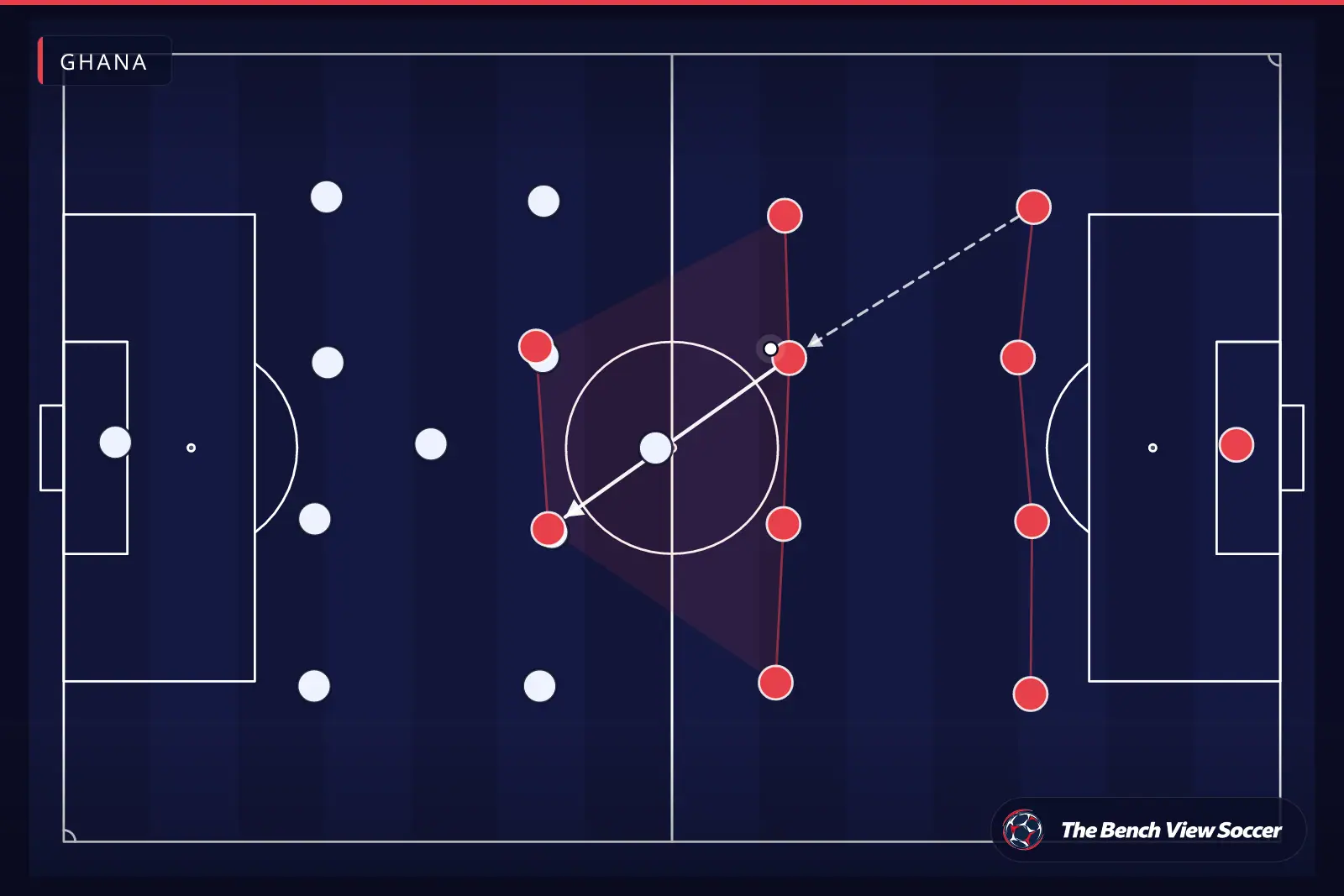
best football formations Ghana
Ghanaian football lives in the heartbeat of stadiums from Accra to Kumasi. With rich traditions at Hearts of Oak and Asante Kotoko and elite stars like Thomas Partey and Jordan Ayew, coaches must pick formations that match local strengths: athleticism, quick transitions and set-piece prowess.
This guide explains the best football formations Ghana teams should consider, how to choose one for your squad, real examples from the Ghana Premier League, practical coaching tips, common mistakes and quick answers for motivated players and grassroots coaches.
What is a formation?
A formation is the organized shape a team uses on the pitch: how many defenders, midfielders and attackers are deployed and their positional relationships. Formations shape defensive compactness, midfield control and attacking patterns. The best football formations Ghana teams adopt are those that fit player profiles, opposition and competition like AFCON or CAF Champions League.
How to choose the best football formation in Ghana?
- Assess your players: identify your strongest attributes—pace on wings, a holding midfielder like Thomas Partey, tall strikers or technical playmakers.
- Match formation to competition: in Ghana Premier League and CAF competitions, prefer balance; 4-2-3-1 or 4-3-3 give control and counter options.
- Train clear roles: convert shape into roles (press triggers, defensive rotation, overloads). Ensure full-backs know when to join attacks and when to tuck in.
- Practice transitions: Ghanaian matches are fast-paced. Rehearse quick turnovers, counter-attacks and set-piece routines to exploit rival weaknesses.
- Adapt week-by-week: scout opponents, tweak midfield numbers or switch to 3-5-2 when needing more central presence or 4-4-2 for direct duels.
Real examples from Ghana Premier League?
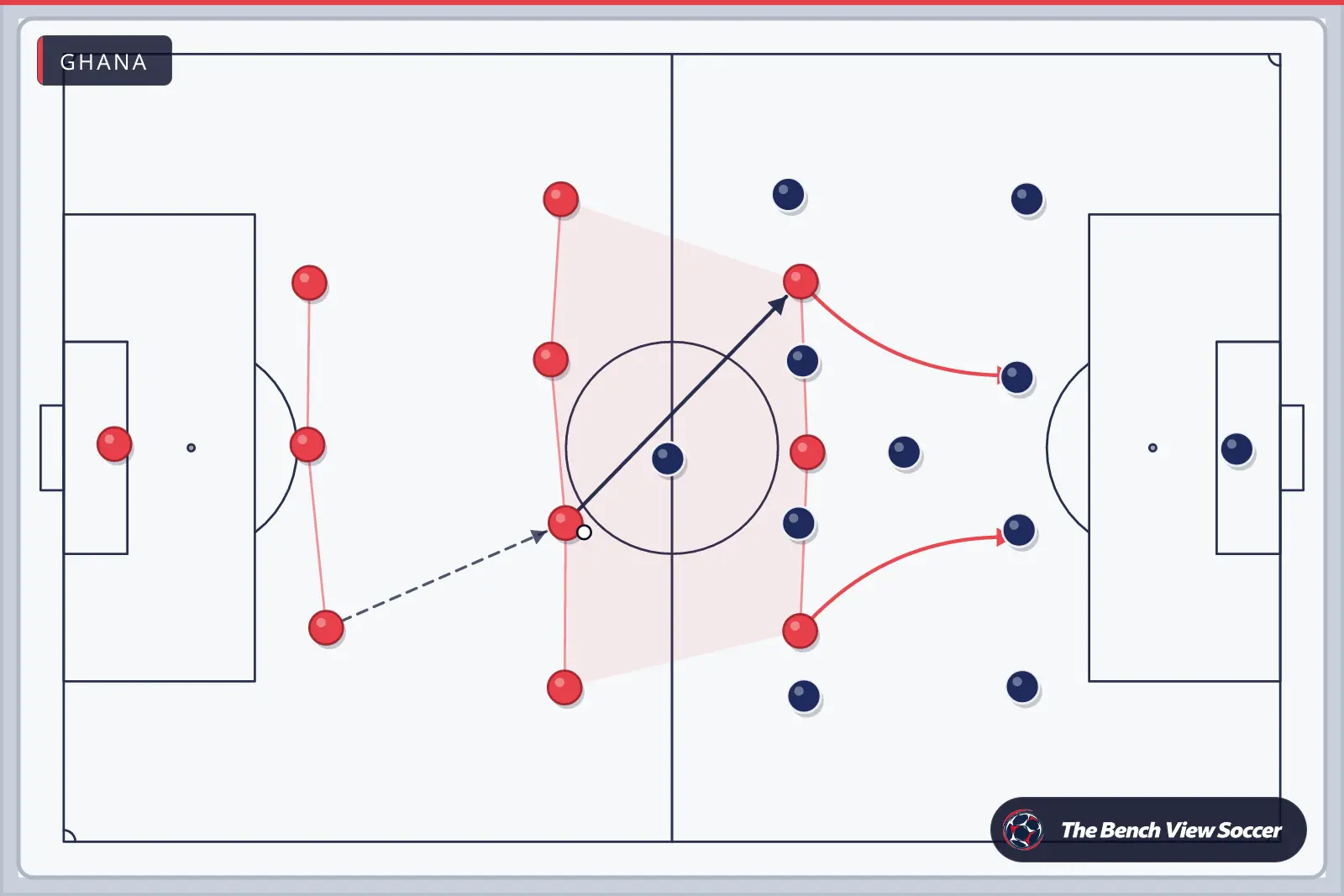
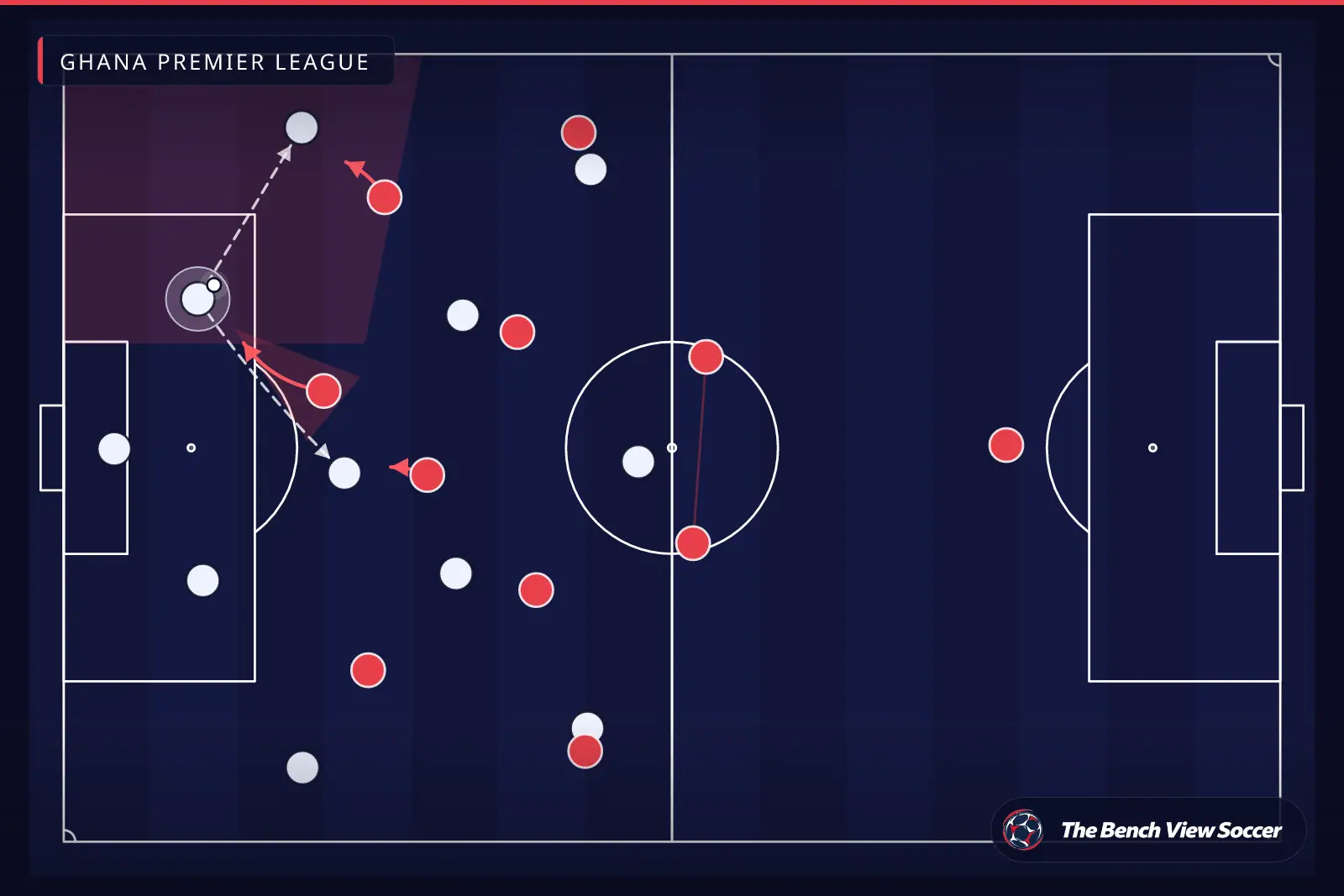
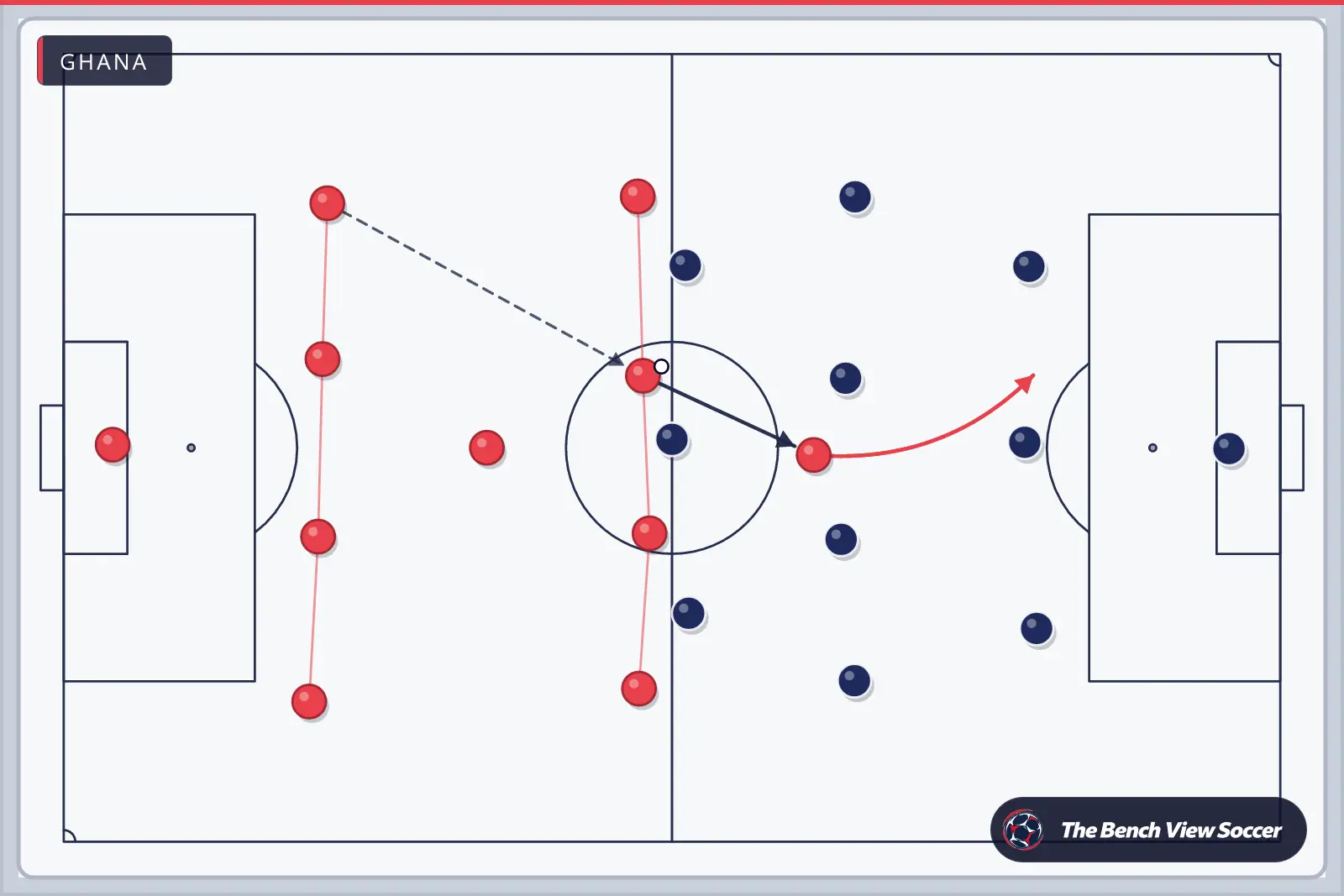
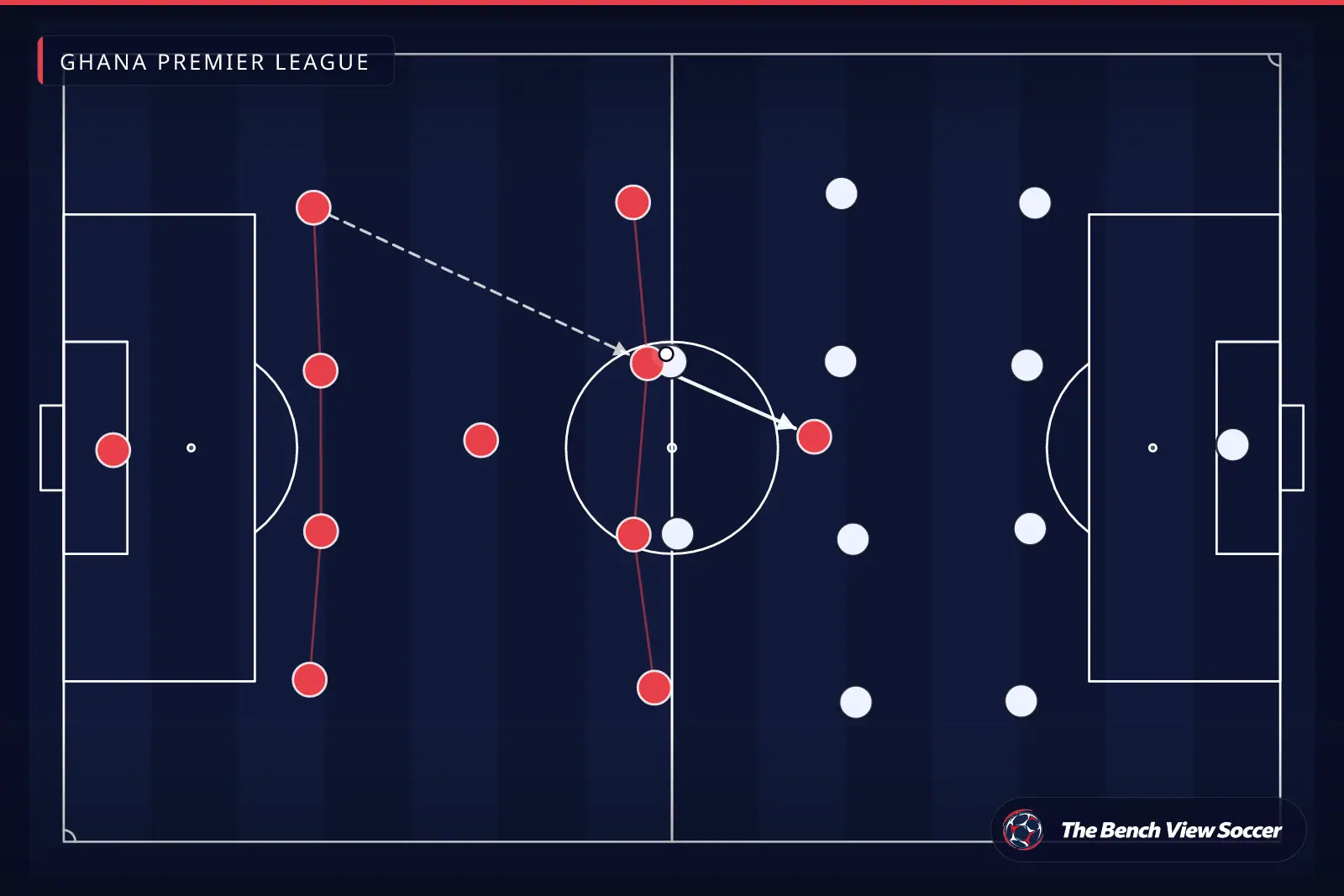
Hearts of Oak and Asante Kotoko both rotate formations based on personnel. Hearts often line up in a 4-2-3-1 during league play, using a double pivot to protect space and allow attacking midfielders to penetrate. Kotoko have alternated between 4-3-3 to press opponents wide and 3-5-2 when needing midfield dominance in CAF qualifiers.
At youth level, many GPL academies favor 4-3-3 to develop wingers and central midfielders. The Black Stars historically use flexible systems: when Thomas Partey anchors midfield a 4-2-3-1 or 4-3-3 gives balance; with more attacking forwards, a 4-4-2 diamond can unlock tight defenses during AFCON campaigns.
Best tips to pick and coach formations?
- Prioritize balance: choose a formation that covers defensive duties without isolating strikers.
- Exploit wing-play: Ghanaian players often excel in one-v-ones—use wide attackers and overlapping full-backs.
- Train a primary and a secondary formation: switch smoothly during games to unsettle opponents.
- Communicate roles simply: clear instructions for transitions, pressing triggers and defensive line height.
- Use set pieces as a weapon: adapt formations to create mismatches and focus training on corners and free-kicks.
- Develop midfielders who can press and distribute; control in midfield wins matches in AFCON and CAF play.
Mistakes to avoid?
- Over-complicating roles: players must understand simple responsibilities—overly complex systems fail in high-tempo Ghanaian games.
- Ignoring player fit: forcing a 3-4-3 without wing-backs or a reliable holding midfielder creates gaps.
- Not training transitions: switching shape only in match-time leaves teams exposed during turnovers.
- Neglecting fitness and recovery planning: formations that demand intense pressing require superior conditioning—plan rotas accordingly.
Frequently Asked Questions
Q: Which single formation is best for grassroots Ghanaian teams?
A: For grassroots and youth teams, 4-3-3 is excellent: it develops wingers, central control and pressing. It teaches positional discipline while offering simple attacking patterns and defensive shape suitable for Ghana Premier League progression.
Related Resources
Q: When should a coach use 3-5-2 in Ghana?
A: Use 3-5-2 when you have strong wing-backs and two forwards who can link play and press. It adds central dominance but requires disciplined wide players to cover spaces—useful in CAF ties when needing midfield control.
Q: How important are set pieces for formation choice?
A: Very important. If your squad has aerial threats, choose a formation that delivers quality set-piece delivery and assigns clear roles. Formations that free players for set-piece runs can win tight league and AFCON matches.
Q: Can formations change mid-game effectively?
A: Yes. Successful Ghanaian coaches change shape mid-game—often shifting from 4-2-3-1 to 4-3-3 or 3-5-2—to counter opposition tactics. Practice transitions so players understand triggers and positional adjustments.
Conclusion
The best football formations Ghana players and coaches use blend defensive solidity with quick, wide attacks—4-2-3-1 and 4-3-3 are top choices, with 3-5-2 or 4-4-2 usable situationally. Study your squad, train transitions, and adapt like the Black Stars when competition demands it. Start our free courses on The Bench View Soccer.