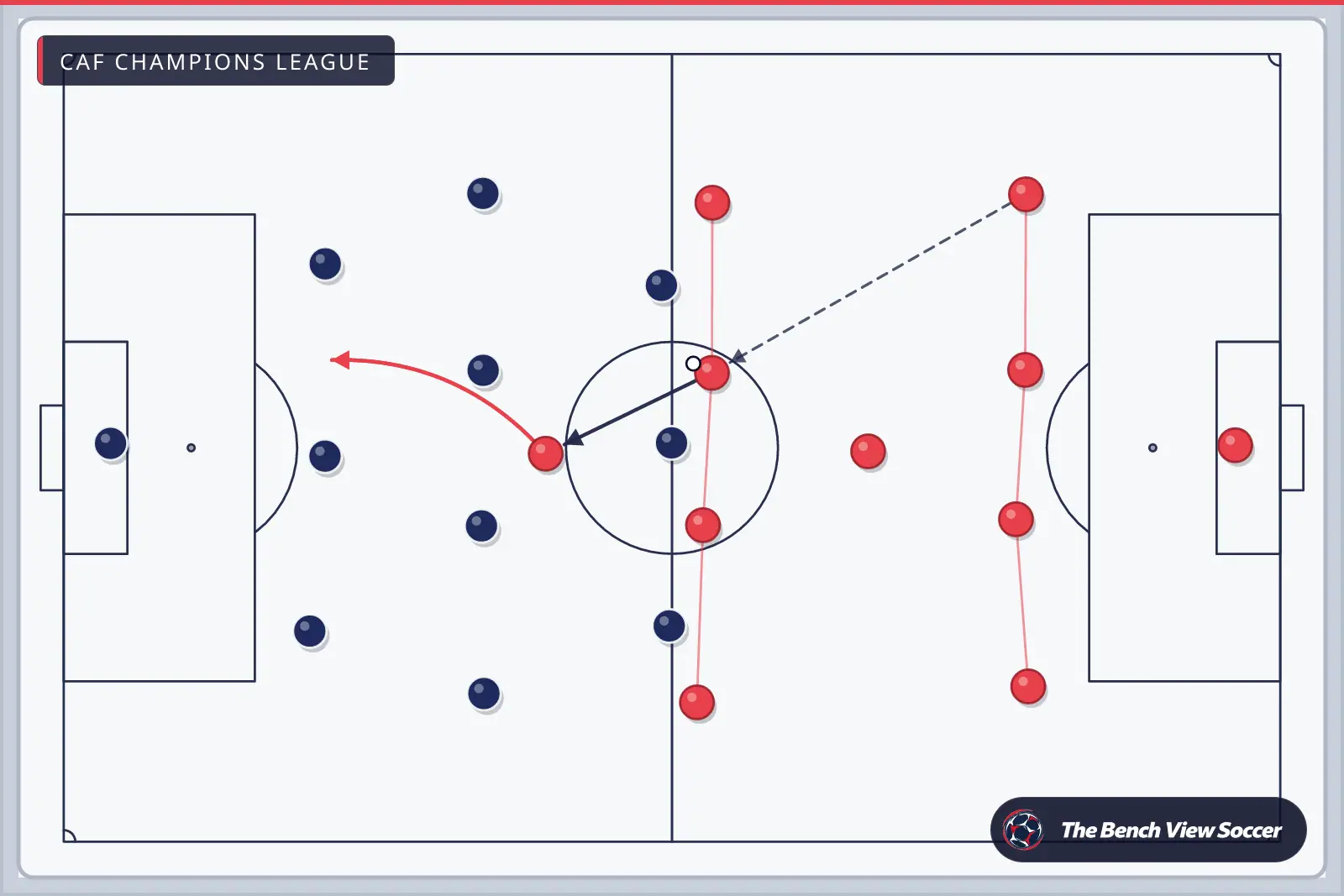
CAF Champions League tactics Ghana
Ghanaian football culture is built on tactical discipline, grit and clever attacking flair. From the Black Stars to GPL giants Hearts of Oak and Asante Kotoko, players grow up in an environment that prizes tactical intelligence and physical resilience. For motivated players aiming to compete in the CAF Champions League, understanding specific tactical demands is essential.
This guide breaks down CAF Champions League tactics Ghana-style with coachable steps, real match examples, practical tips and common mistakes to avoid. Read as a developing player or coach and apply the drills, roles and match plans that succeed on Africa's biggest club stage.
What is CAF Champions League tactics Ghana?
CAF Champions League tactics Ghana refers to the common strategic approaches Ghanaian clubs adopt when playing in the CAF Champions League. These tactics blend disciplined defensive structure, midfield tenacity, quick transitions, set-piece focus and intelligent use of wide players to compete against varied continental opposition.
How to implement CAF Champions League tactics Ghana?
Follow these five coachable steps to prepare as a player or train a team for continental competition.
- Assess opposition and choose a baseline shape. Start with a compact 4-2-3-1 or 4-3-3 that fits your personnel. Ghanaian sides often prefer a double pivot for security against fast counter-attacks.
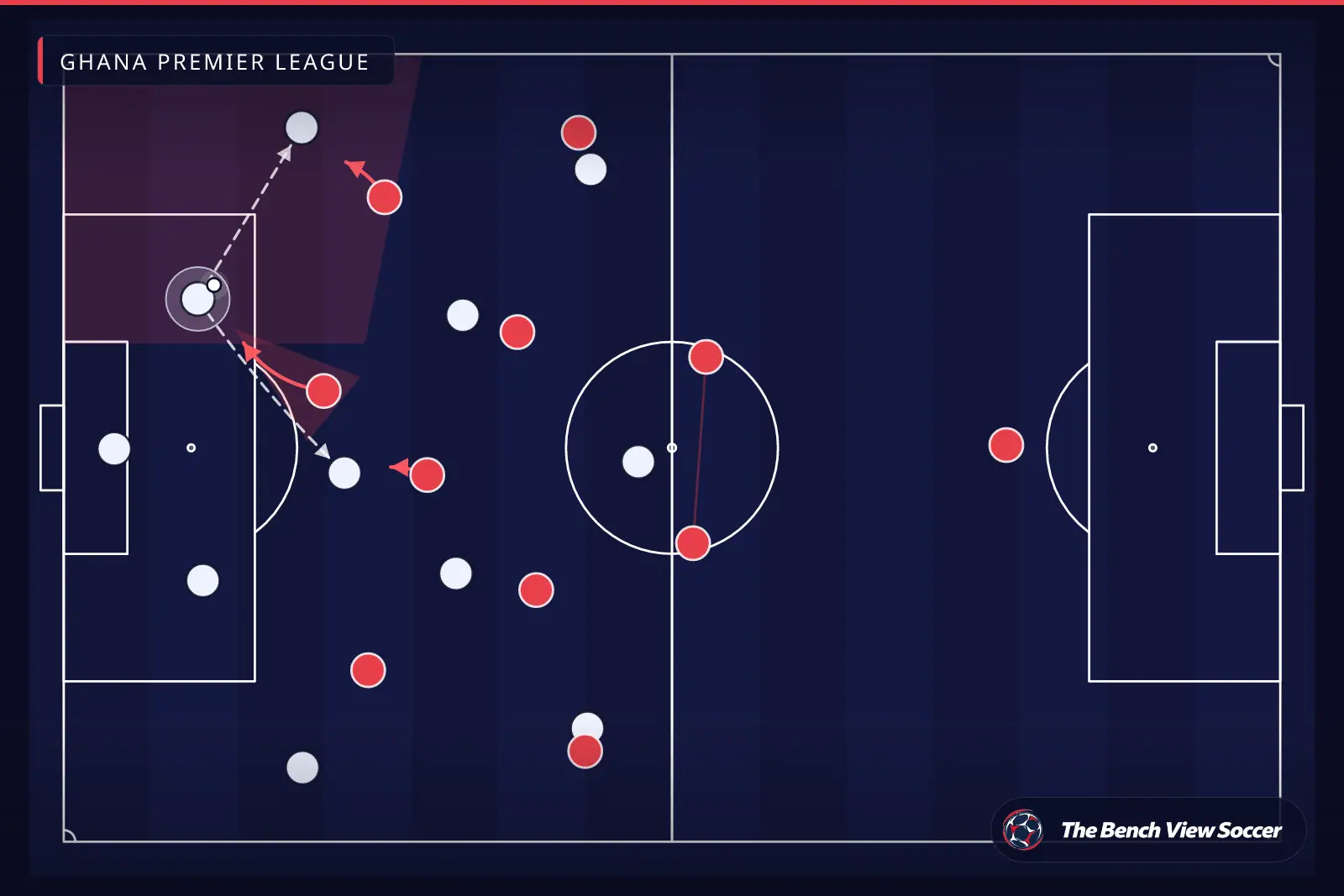
- Organise a resilient defensive block. Train zonal compactness between lines, close down channels for through-balls, and ensure fullbacks know when to engage or hold. Emphasise communication—a hallmark of Ghanaian teams.
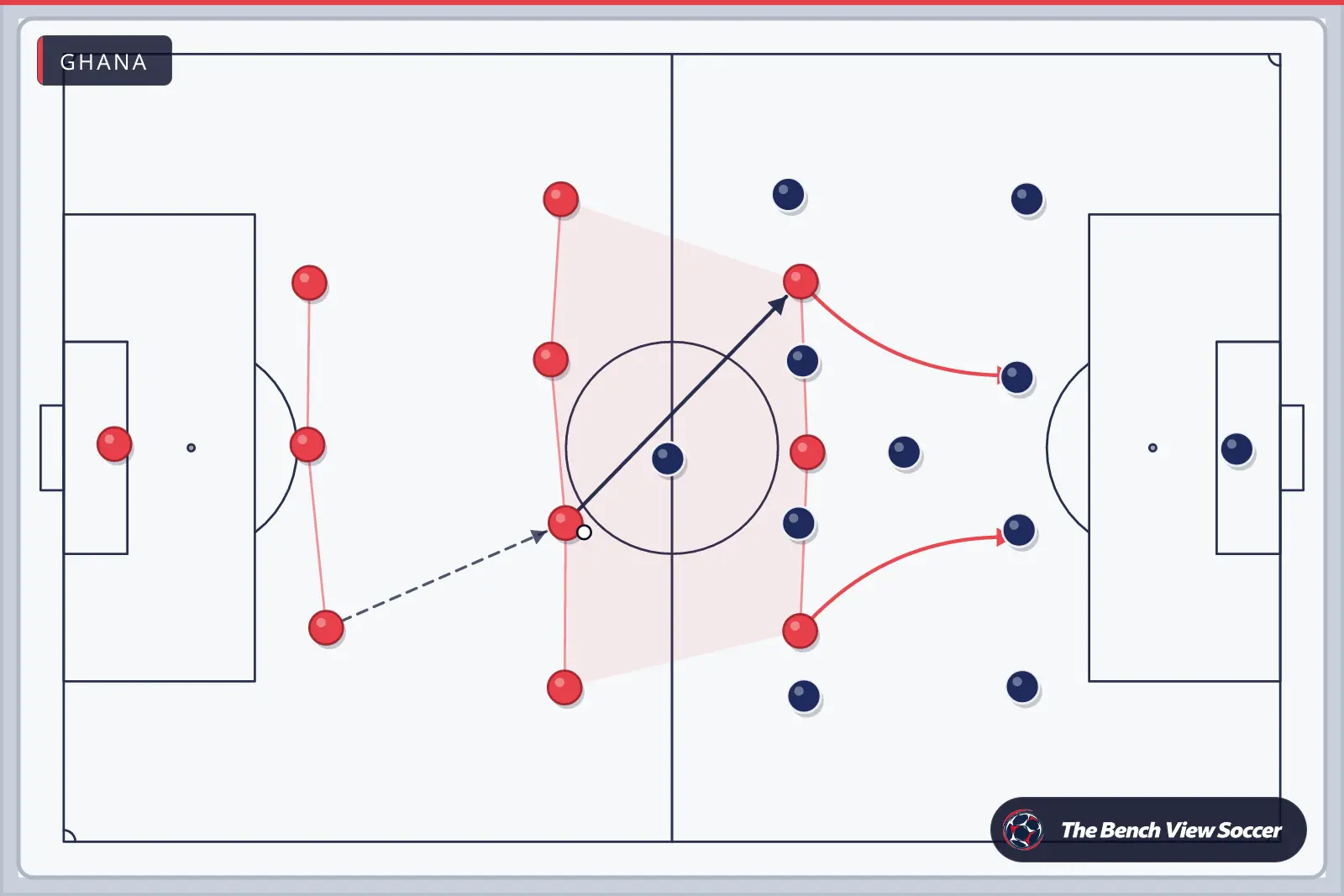
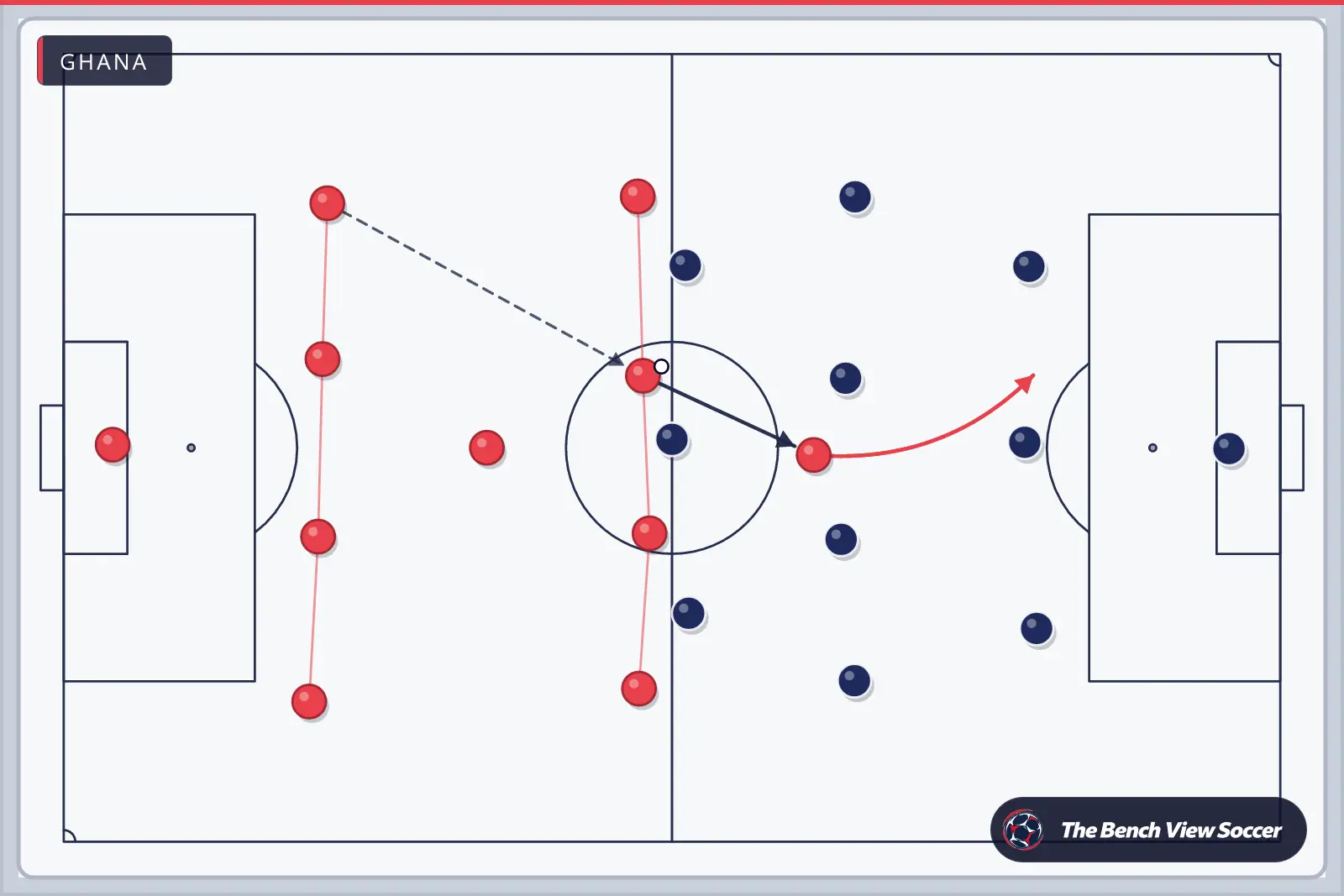
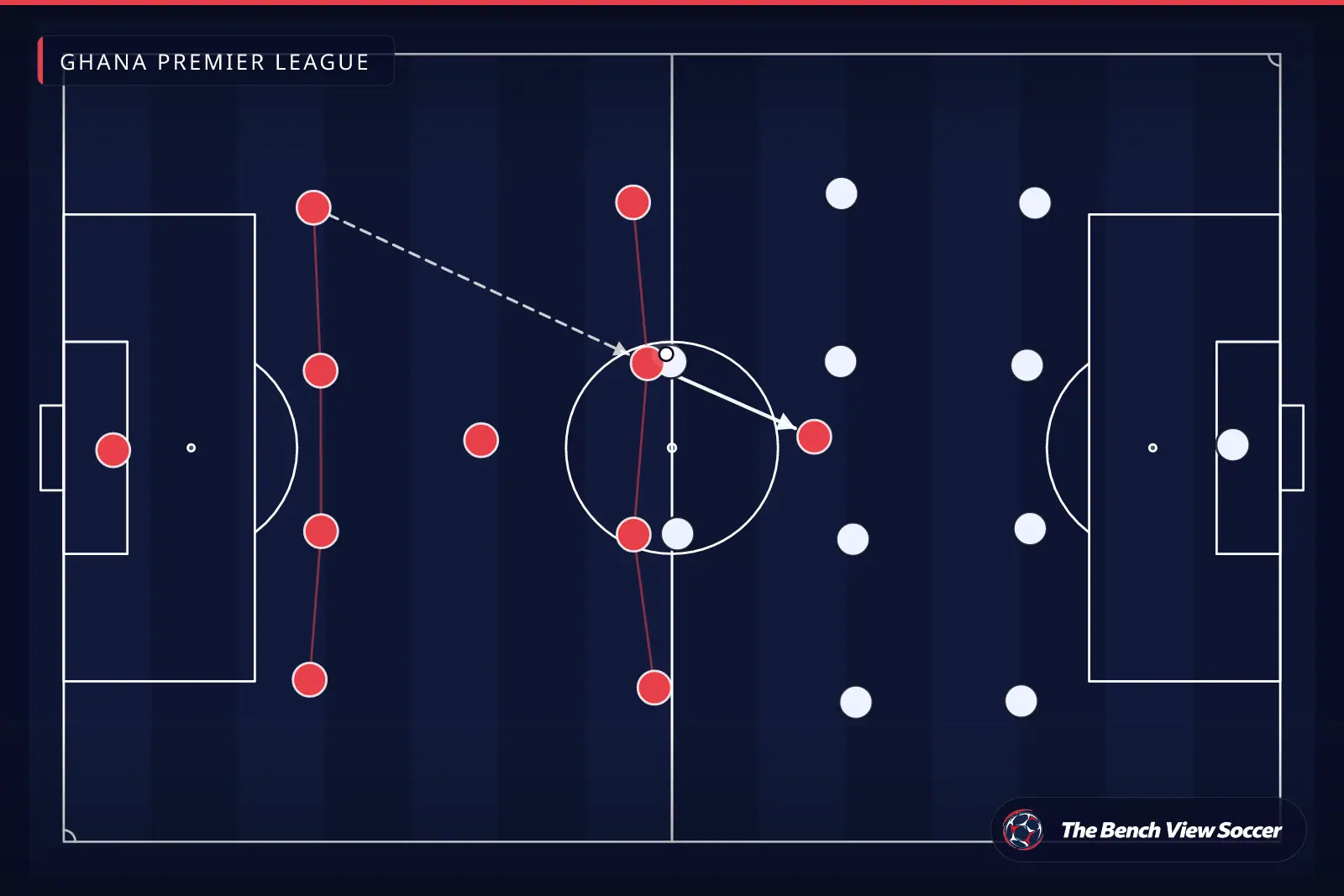
- Master fast transition patterns. Work on vertical counters led by a target forward or an attacking midfielder. Practise two-touch combinations between wing and striker for quick breakouts.
- Exploit set-pieces and physical duels. Allocate set-piece routines: outswinging corners, short free-kick variants, and rehearsed throw-ins. Use athletic training to win aerial and ground duels.
- Adapt during matches. Train in-game scenarios where you switch to a narrower 4-1-4-1 to protect a lead or push a third attacker when chasing a goal. Substitutions should target tactical shifts—fresh legs in midfield or a pacey winger for counter-attacks.
Real examples from CAF Champions League?
Ghanaian teams and players have illustrated these principles in recent CAF Champions League campaigns. Hearts of Oak and Asante Kotoko have shown compact defensive organisation against North African sides, relying on disciplined double pivots and quick wing counters. Ghanaian internationals like Thomas Partey demonstrate how midfield control and disciplined pressing can neutralise superior technical opponents. Jordan Ayew-style movement—dropping from the striker role into channels—helps create overloads on the flanks, a tactic Ghanaian coaches replicate to unsettle stronger defences.
In matches against Egyptian and Moroccan clubs, successful Ghanaian tactics included low blocks for the first 20 minutes to frustrate opponents, then rapid wide switches after winning the ball back. Set-piece goals and second-phase plays have often decided tight continental fixtures for Ghanaian sides.
Best tips to apply CAF Champions League tactics Ghana?
- Train fitness and sprint endurance—matches are physically demanding and require repeated sprints.
- Prioritise communication: organise defensive lines and pressing triggers with simple verbal cues.
- Rehearse two or three reliable set-piece routines and assign clear marking duties.
- Develop wide-player finishing and crossing under pressure to capitalise on counter-attacks.
- Use video analysis of opponents and of your own matches to correct tactical errors quickly.
- Encourage midfielders to play progressive passes rather than overcomplicate build-up under pressure.
Mistakes to avoid?
- Overcommitting fullbacks without cover—this opens dangerous channels for counter-attacks.
- Ignoring set-piece defence—many continental goals come from poorly organised marking.
- Failing to adapt in-game—sticking to a losing plan instead of making timely tactical substitutions.
- Neglecting recovery and conditioning between fixtures—CAF Champions League travel and intensity demand superior recovery routines.
Frequently Asked Questions
- How do Ghanaian teams defend against North African technical sides?
- They use compact defensive blocks, a disciplined double pivot to close midfield space, and selective pressing high up to force turnovers. Fullbacks focus on positional discipline to limit wide play and crosses.
- What formations work best in continental games?
- Flexible formations like 4-2-3-1 or 4-3-3 provide defensive cover and attacking width. The key is clarity of role—players must understand when to compress or stretch the pitch.
- Which Ghanaian players show the ideal tactical profile?
- Players such as Thomas Partey offer model midfield control and stamina, while Jordan Ayew demonstrates intelligent attacking runs and adaptability. GPL talents must develop similar tactical awareness.
- How important are set-pieces in the CAF Champions League?
- Very important. Set-pieces often decide tight matches. Practised routines and strong marking can convert marginal matches into wins for Ghanaian teams.
To embed these tactics, focus on consistent training, video review and tactical drills that mirror CAF Champions League intensity. Ghanaian footballers already possess the heart and physical tools; systematic tactical training turns potential into continental results.
Start our free courses on The Bench View Soccer.