how to improve football skills Ghana
Ghana breathes football. From street games in Accra to packed stands for Hearts of Oak and Asante Kotoko, the culture pushes young players to dream of the Black Stars, AFCON success, and CAF Champions League nights. If you want to stand out, you must train smarter and connect that training to Ghana's elite pathways.
This guide maps practical steps for motivated players about how to improve football skills Ghana-style: technical drills, match play habits, local examples from the Ghana Premier League, and coaching tips you can start this week.
What is football skill development?
Football skill development is the intentional process of improving technical abilities (dribbling, passing, shooting), tactical understanding (positioning, decision-making), physical qualities (speed, endurance), and mental traits (resilience, focus). In Ghana, development links community play, club academies, and exposure to national team models such as the Black Stars.
How to improve football skills in Ghana?
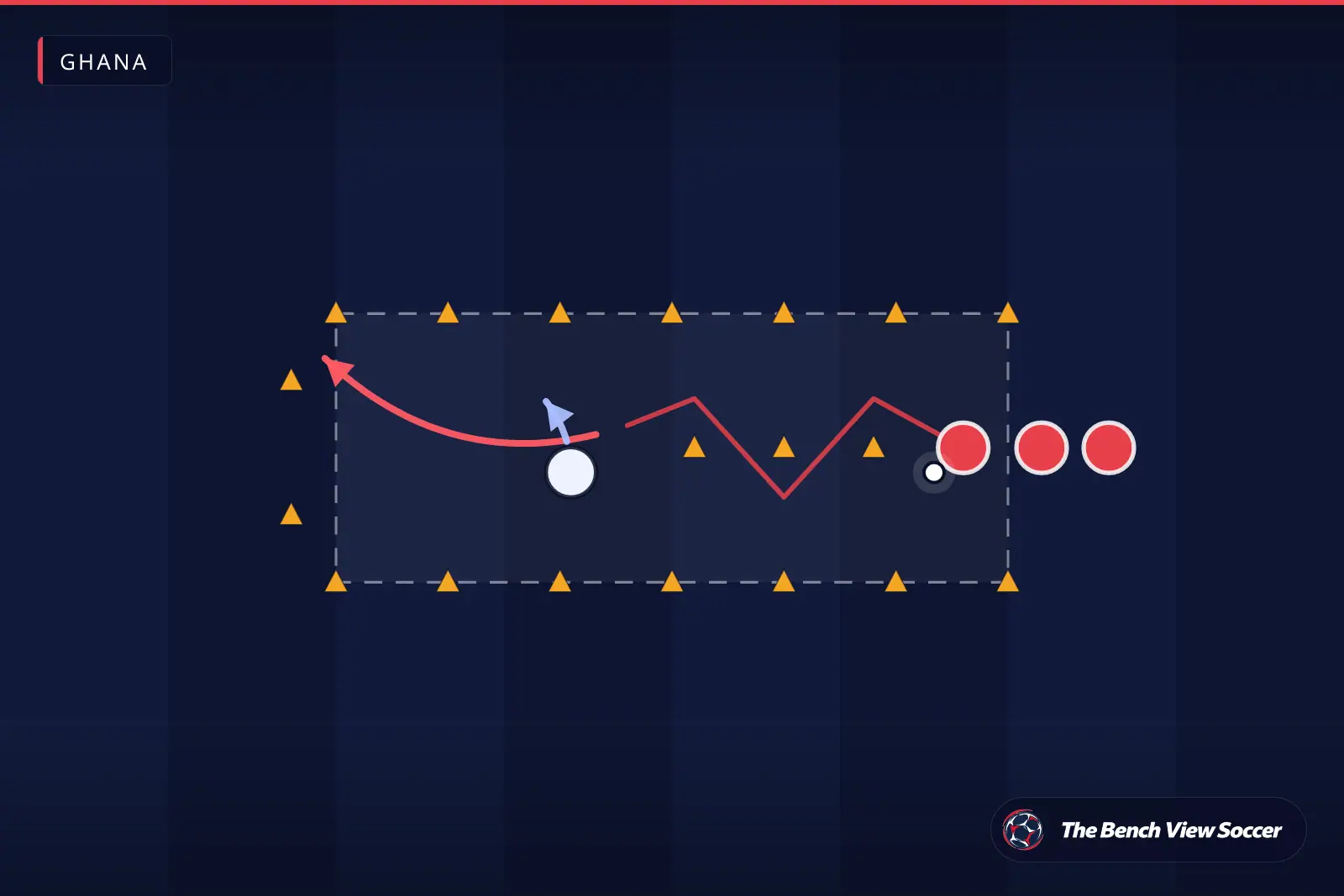
- Train technical foundations daily. Spend 20–30 minutes on close control, two-foot dribbling, wall passes, and finishing drills. Repetition builds muscle memory—aim for high-quality touches rather than just time on the ball. Remember how to improve football skills Ghana begins with consistent technical habits.
- Play small-sided games. 3v3 or 5v5 games force quick decisions, tighter control, and more touches. Organise neighbourhood sessions or join youth programs tied to GPL clubs to increase competitive minutes.
- Improve physical conditioning. Football-specific fitness—short sprints, agility ladders, and interval runs—improves your ability to execute skills under fatigue. Include injury prevention work: hips, hamstrings, and ankles.
- Learn tactical scenarios. Watch Ghana Premier League matches and Black Stars games. Analyse how Thomas Partey occupies space, how Jordan Ayew times runs, and copy their movement patterns into practice.
- Seek feedback and coaching. Join an academy, attend trials, or work with a knowledgeable coach who gives corrective feedback. Video your training to track progress and focus on one or two traits per week.
What are real examples from the Ghana Premier League?
Ghana Premier League clubs and players provide clear models: Hearts of Oak and Asante Kotoko run established youth setups that prioritise technique and competitive matches. Players like Thomas Partey began with local fundamentals before moving abroad. Watch how GPL wingers combine pace with close control and how defensive midfielders mirror Partey’s balance and passing range.
Teams preparing for CAF Champions League fixtures emphasise tactical discipline and set-piece routines—small details you can adopt in local training to raise your game.
Best tips to improve football skills?
- Practice with both feet—use daily two-foot drills to reduce predictability.
- Use a training journal—track repetitions, success rates, and fatigue to structure improvement.
- Prioritise quality over quantity—100 focused touches beats 1,000 distracted ones.
- Emulate role models—study Black Stars professionals and apply one habit at a time.
- Join competitive environments—GPL academies or local leagues accelerate growth.
Mistakes to avoid?
- Relying only on matches: training must be targeted; matches test, they don’t build basics alone.
- Neglecting recovery: poor sleep and no stretching increase injury risk and stall progress.
- Copying too many drills at once: focus on 1–2 specific weaknesses per week for measurable gains.
- Skipping mental training: confidence and decision-making under pressure are trained, not wished for.
Frequently Asked Questions?
How long before I see improvement?
With consistent daily practice and focused drills, most players notice technical gains in 6–12 weeks. Tactical and physical improvements can take longer. Progress depends on quality of training, match minutes, and recovery: combine targeted practice with competitive play for faster results.
Related Resources
Do I need a club to improve?
While clubs accelerate development through coaching and competition, you can improve independently with disciplined drills, small-sided games, and feedback (video or mentor). However, joining a GPL academy or youth setup gives structure, exposure, and pathway opportunities to trial with top teams.
What equipment do I need in Ghana?
Basic equipment: a well-inflated ball, cones (or markers), a pair of good boots, and a stopwatch. For conditioning, include resistance bands and an agility ladder if possible. Use street and open-field spaces creatively when formal facilities are limited.
How can I get noticed by clubs?
Play consistently in local leagues, attend open trials, and share highlight clips with coaches. Perform well in regional youth tournaments; strong performances for school or community teams often lead to GPL academy invitations or trials with Hearts of Oak, Asante Kotoko, or scouts linked to the Black Stars.
Conclusion
Improvement follows consistent, focused practice combined with smart match play and learning from local role models. Use the methods above, model your training off Ghana’s best, and measure progress monthly. Start our free courses on The Bench View Soccer.