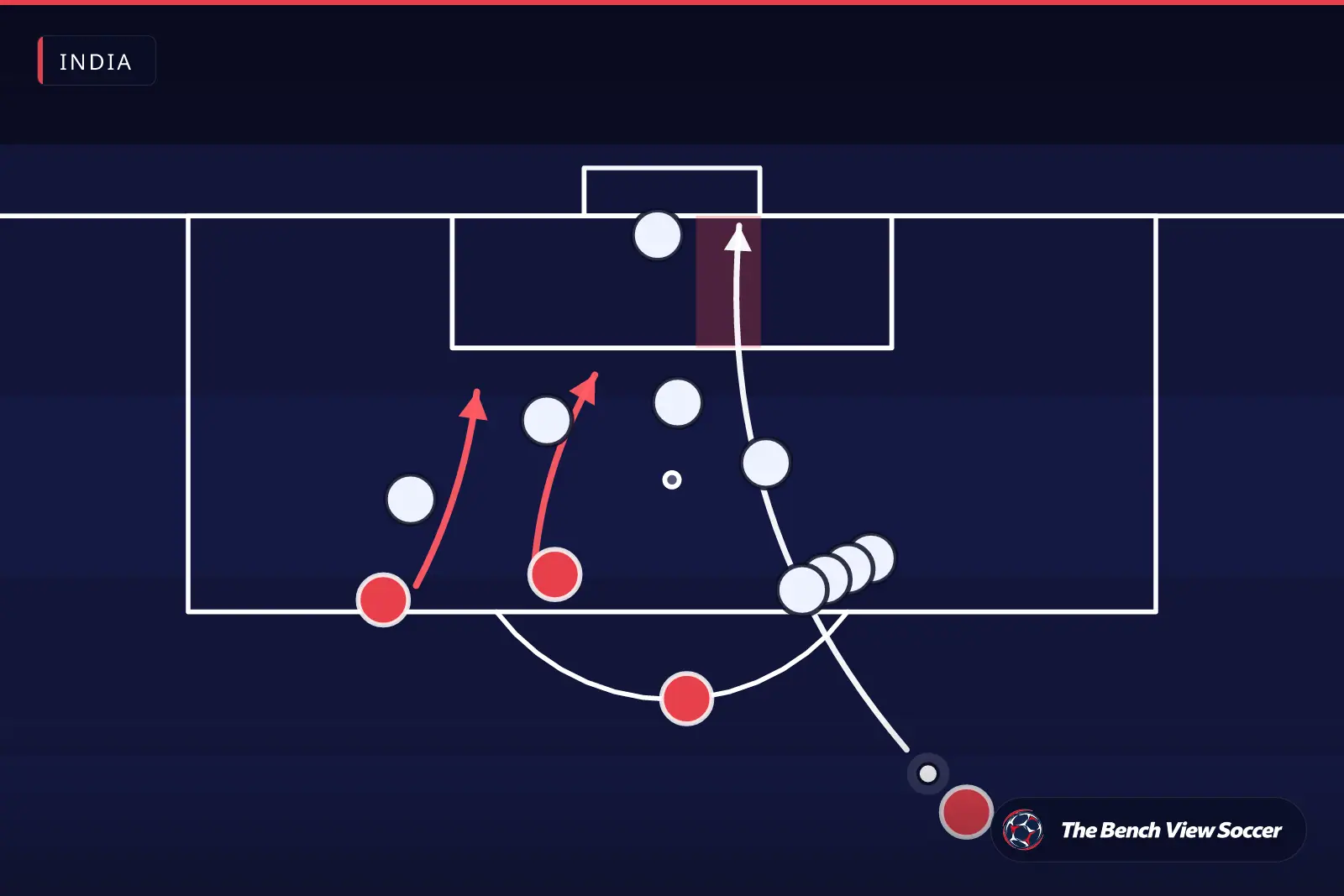
football set piece training guide India
India's football scene—boosted by the ISL and clubs like Bengaluru FC, Mumbai City FC and Kerala Blasters—is hungry for tactical edges. Set pieces are a fast route to goals: Indian teams have shown that disciplined routines and smart coaching can turn matches in tight competitions like the I-League, Durand Cup and Super Cup.
Whether you train at a grassroots academy, a college team, or dream of wearing an ISL shirt like Sunil Chhetri once did, this football set piece training guide India gives you coach-level structure, drills and examples you can use immediately.
What is a set piece?
A set piece in football is a stoppage restart—corners, free-kicks, penalties, and throw-ins—where play is restarted in a predictable position. These moments create rehearsable opportunities. Good set-piece routines combine quality delivery, timed runs, blocking, and practiced finishing to gain an advantage against organised defences.
How to train set pieces?
- Assess and assign roles: Identify your dead-ball takers, primary target, decoy runners, and blockers. Give clear responsibilities: who strikes, who runs near-post, who occupies the keeper.
- Drill delivery patterns: Practice different deliveries—inswinging, outswinging, driven, lofted—over 15–20 minutes. Train the taker to hit consistent spots: near-post, penalty spot, or far-post zones.
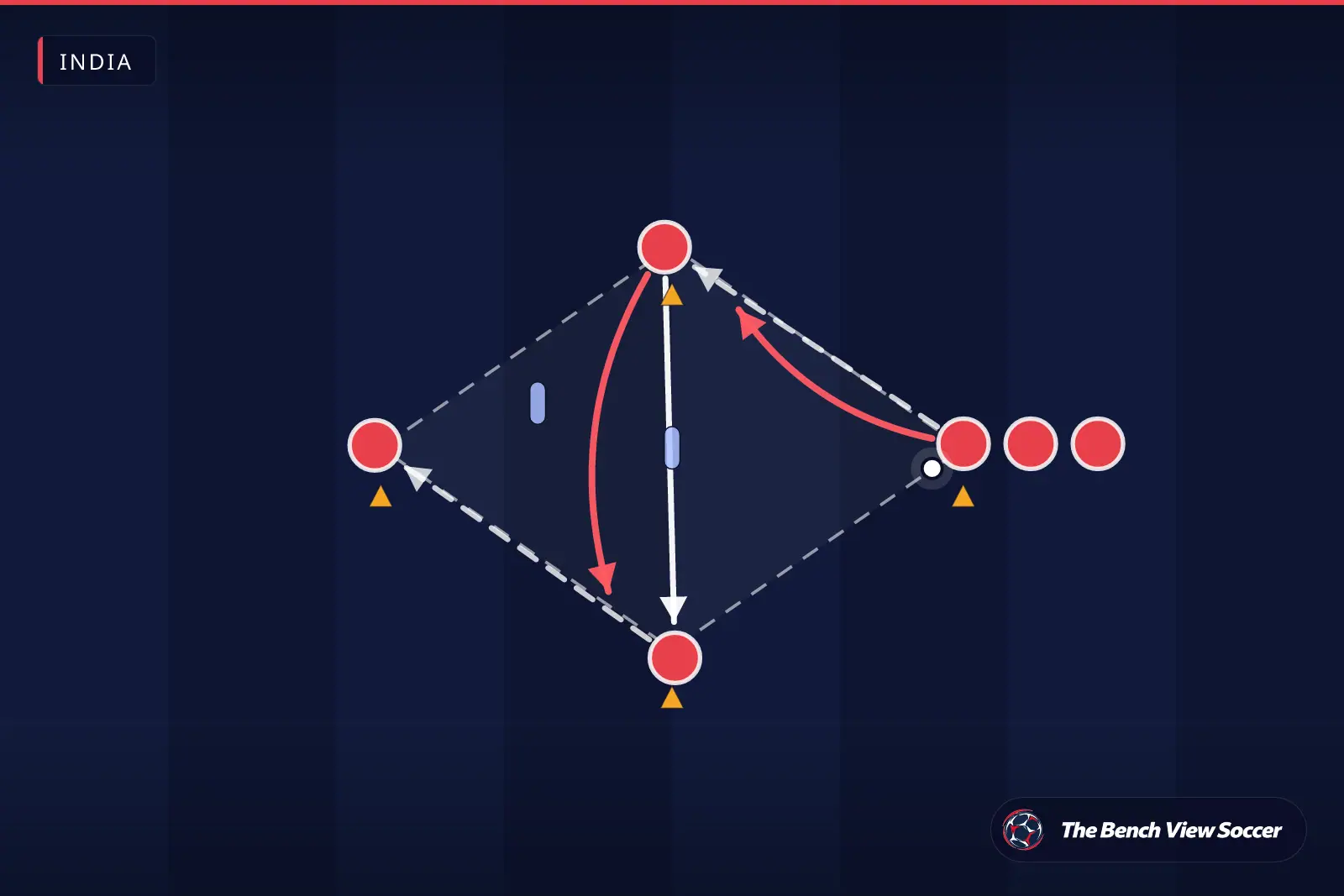
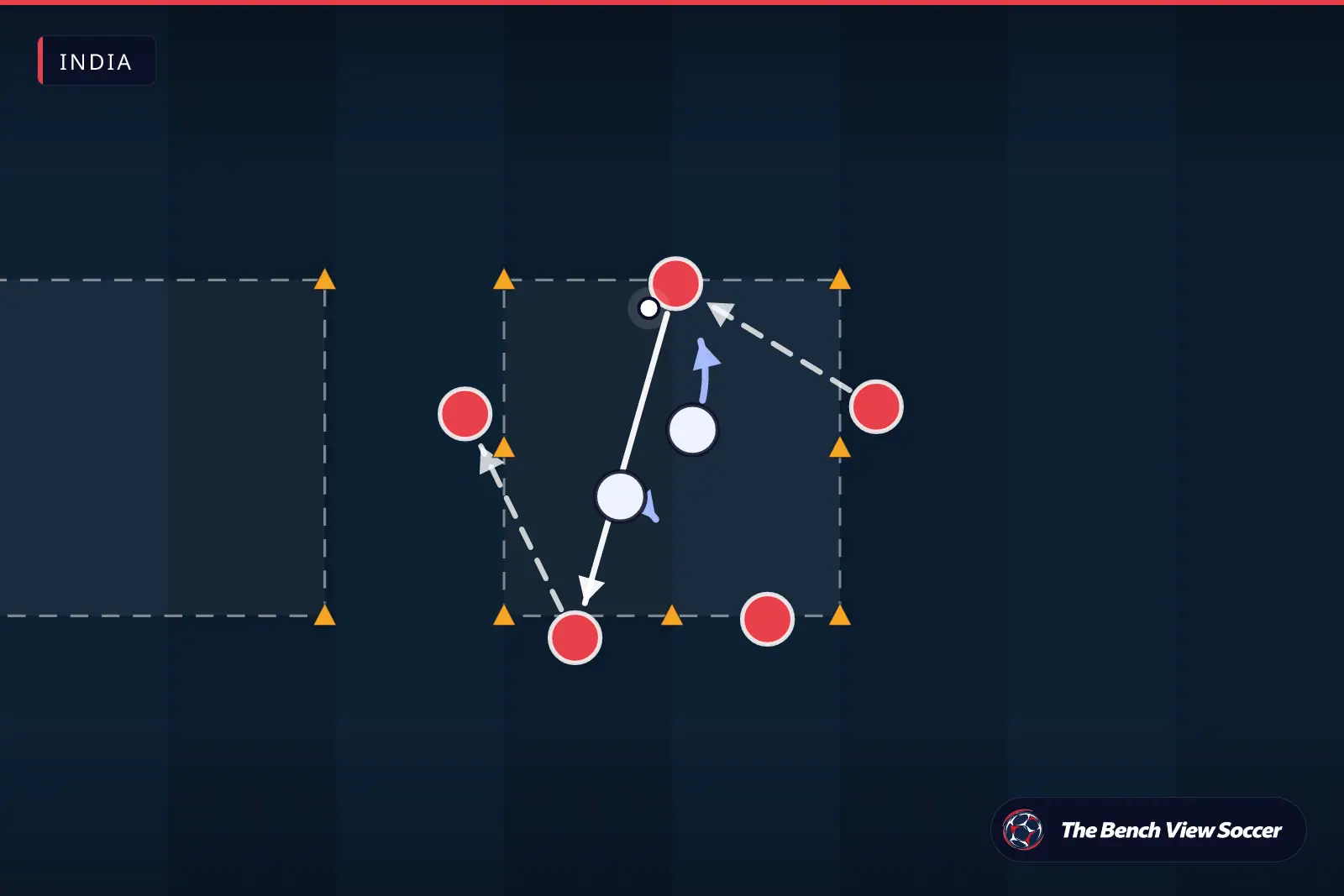
- Rehearse movement and timing: Run sequences at game speed. Use 2v2 or 3v3 defensive simulations. Timing between delivery and the first run is critical: rehearse the cue for the strike.
- Integrate set-piece defence: Allocate 10 minutes to defensive drills: zonal-to-man marking transitions, goalkeeper communication, and clearing clearance patterns. Rotate roles so every player understands responsibilities.
- Review and adapt: Film sessions and matches, then revise routines. Learn from ISL examples—adjust for your squad’s height, pace and technical strengths. Repeat short, focused sessions across the week.
What are real examples from ISL?
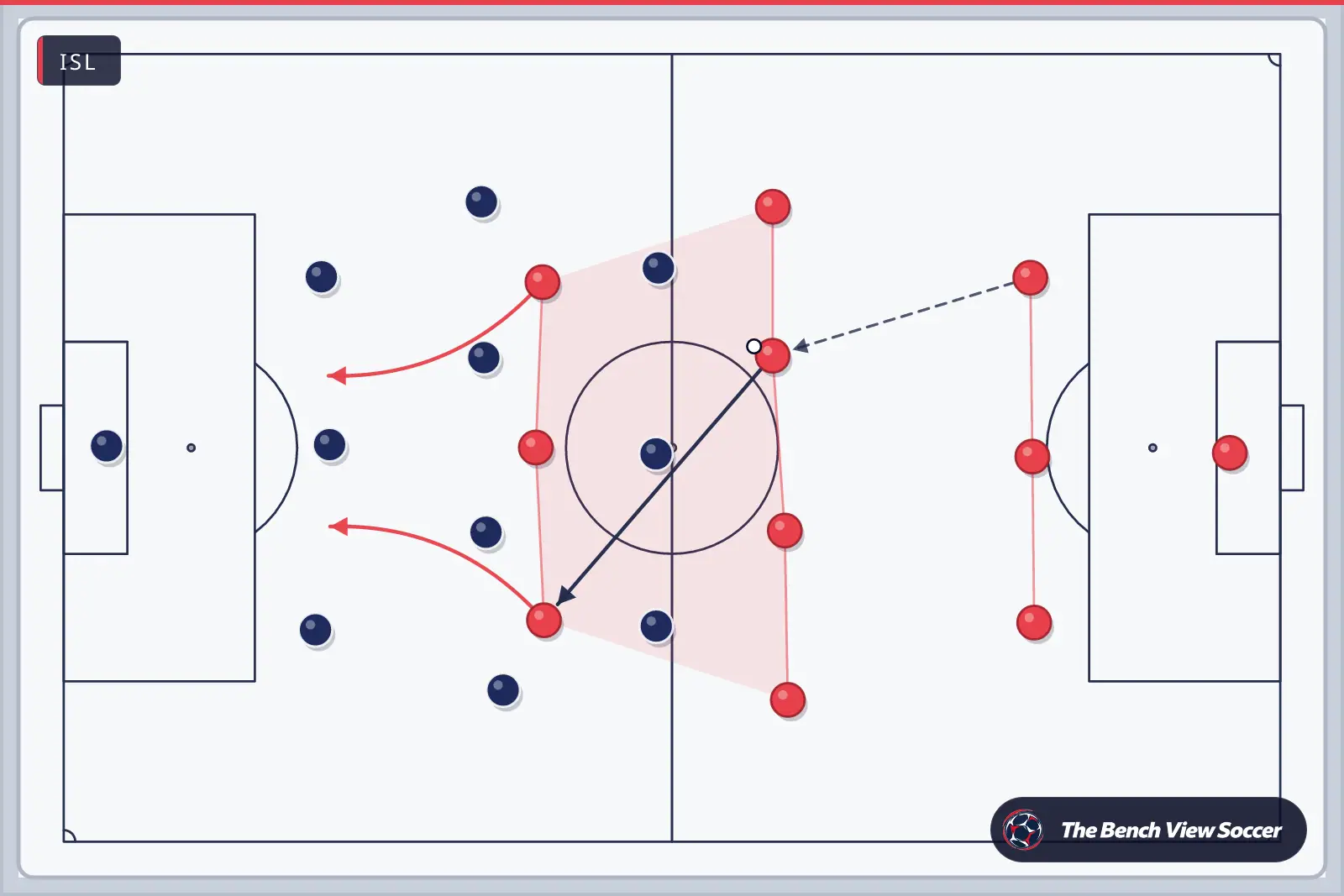
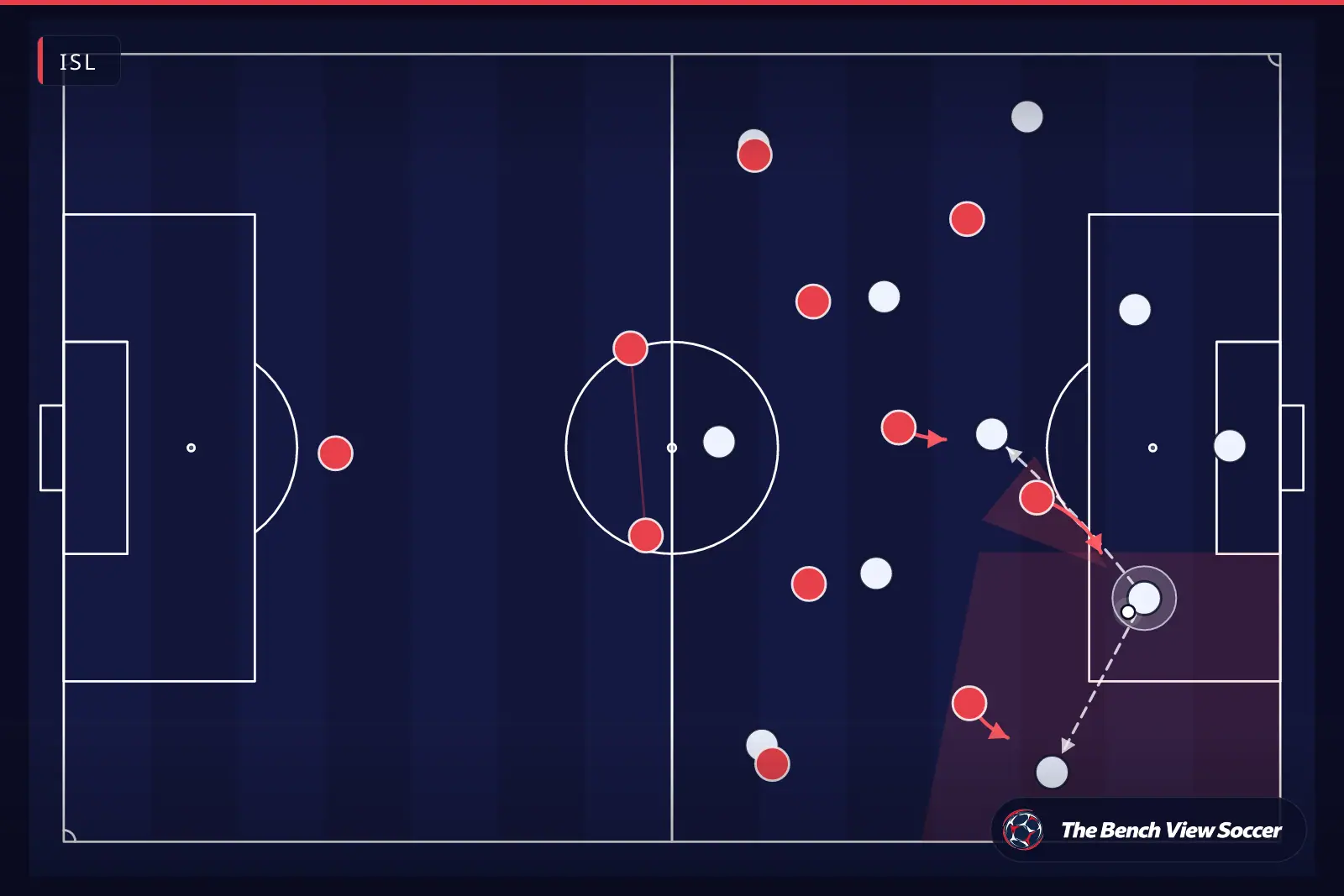
Bengaluru FC have long used rehearsed corner routines to exploit late runs into the six-yard box; it’s a model for teams teaching timing and blocking. Mumbai City FC under their coaching setups emphasised set-piece delivery and individual free-kick technique, while Kerala Blasters have worked on crowd-boosted throw-in and long throw strategies that test defensive organisation. Watch ISL video clips for common themes: consistent delivery, pre-planned decoys, and leadership from senior players like Sunil Chhetri to organise runs and finishing positions.
Best tips to improve set pieces?
- Practice the same delivery spot repeatedly so attackers know where the ball will land.
- Keep routines simple—two or three primary set plays executed perfectly beat five complex, inconsistent ones.
- Use video feedback: short clips of rehearsals reveal timing and positioning errors quickly.
- Train both attacking and defending roles—players who defend corners should also take turns attacking them to understand both perspectives.
- Assign a vocal on-field leader to call and adjust routines during dynamic moments (experience matters).
Mistakes to avoid?
- Avoid overcomplicating plays—too many moving parts create confusion under pressure.
- Don’t neglect conditioning: set pieces at the end of matches often decide tight games; tired players make poor runs and weak challenges.
- Failing to communicate roles leads to crowded zones and missed opportunities—clarity beats creativity when time is limited.
- Avoid ignoring the goalkeeper and defensive setup—practise blocking and screening legally to create space without conceding fouls.
Frequently Asked Questions?
How often should I practise set pieces each week?
Short, focused sessions 3–4 times weekly work best: 15–30 minutes per session integrated into normal team training. Consistency builds muscle memory; more is not better unless time is spent on precise execution and video review.
Who should take set pieces for my team?
Choose the most consistent technique player: accuracy under pressure matters more than power. Consider a secondary option for variety. In India, look for players with composure—often captains or experienced forwards like Sunil Chhetri demonstrate these traits.
Can youth teams use these routines?
Yes—start with simplified roles and build complexity as players mature. Focus on basics: consistent delivery, clear runs, and legal blocking. Youth exposure to set-piece principles accelerates tactical maturity.
How do we adapt routines for shorter or less aerial teams?
Use low-driven corners, near-post flicks, and rehearsed short corners to draw defenders and create space for late runners. Emphasise second-ball strategies and quick short free-kicks to exploit pace rather than height.
Set pieces win tight matches across the ISL, I-League and domestic cups—practice them like a coach would, focus on clarity, and adapt to your squad. For guided drills, progressions and session plans tailored to Indian teams, Start our free courses on The Bench View Soccer.