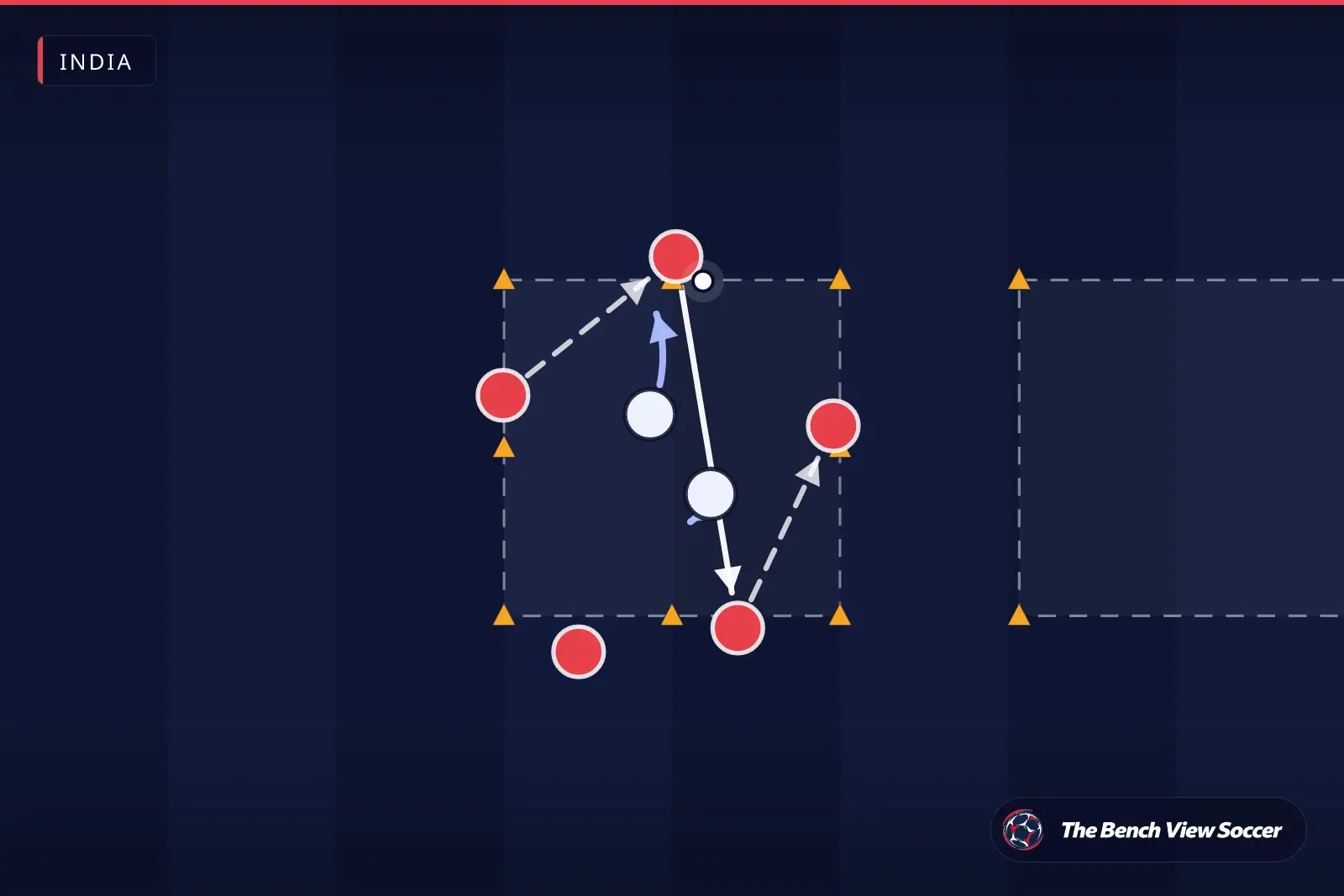
football speed and agility training India
Football in India is surging—ISL crowds, Bengaluru FC’s consistency, Sunil Chhetri’s influence and passionate followings at Mumbai City FC and Kerala Blasters have shifted expectations. Coaches now demand programmes that produce repeatable high-intensity sprints, sharper change-of-direction (COD) and rapid recovery between efforts.
This advanced article unpacks coach-level methods for football speed and agility training India: neuromuscular profiling, force-vector coaching, periodisation across the domestic season (ISL, I-League, Durand Cup, Super Cup) and drill progressions you can implement at academy or professional levels.
What is football speed and agility training?
Football speed and agility training is an integrated approach combining sprint mechanics, acceleration, maximum velocity work, change-of-direction ability, deceleration control and perceptual decision-making. It’s not just running faster—it's converting strength and power into sport-specific movements under fatigue, contact and varying playing surfaces common across India.
How to build football speed and agility?
- Assess and profile: Run 10m/20m/30m sprints, 505 COD test, and vertical jump to identify strengths and weaknesses. Use GPS or timing gates where possible to quantify load and improvements.
- Develop sprint mechanics: Two weekly technical sessions: A-skips, B-skips, fall-and-recover drills, and short accelerations (0–10m) focusing on horizontal force application. Keep volumes low and high quality.
- Build eccentric strength and deceleration: Nordic hamstrings, eccentric squats, drop landings and tempo negative-focused lifts. Controlled deceleration preserves speed and reduces injury risk during sharp CODs.
- Sport-specific COD and reactive drills: Progress from planned COD (cone T-tests, pro-agility) to reactive drills with visual/auditory stimuli and opponent simulation. Incorporate ball control under pressure to transfer skills to match-play.
- Periodise and recover: Integrate speed microcycles: Accumulation (power & strength), Intensification (specific sprint and COD work), Realisation (match-readiness). Use contrast baths, mobility and sleep strategies to maintain high-intensity output across ISL-style congested fixtures.
What are real examples from ISL?
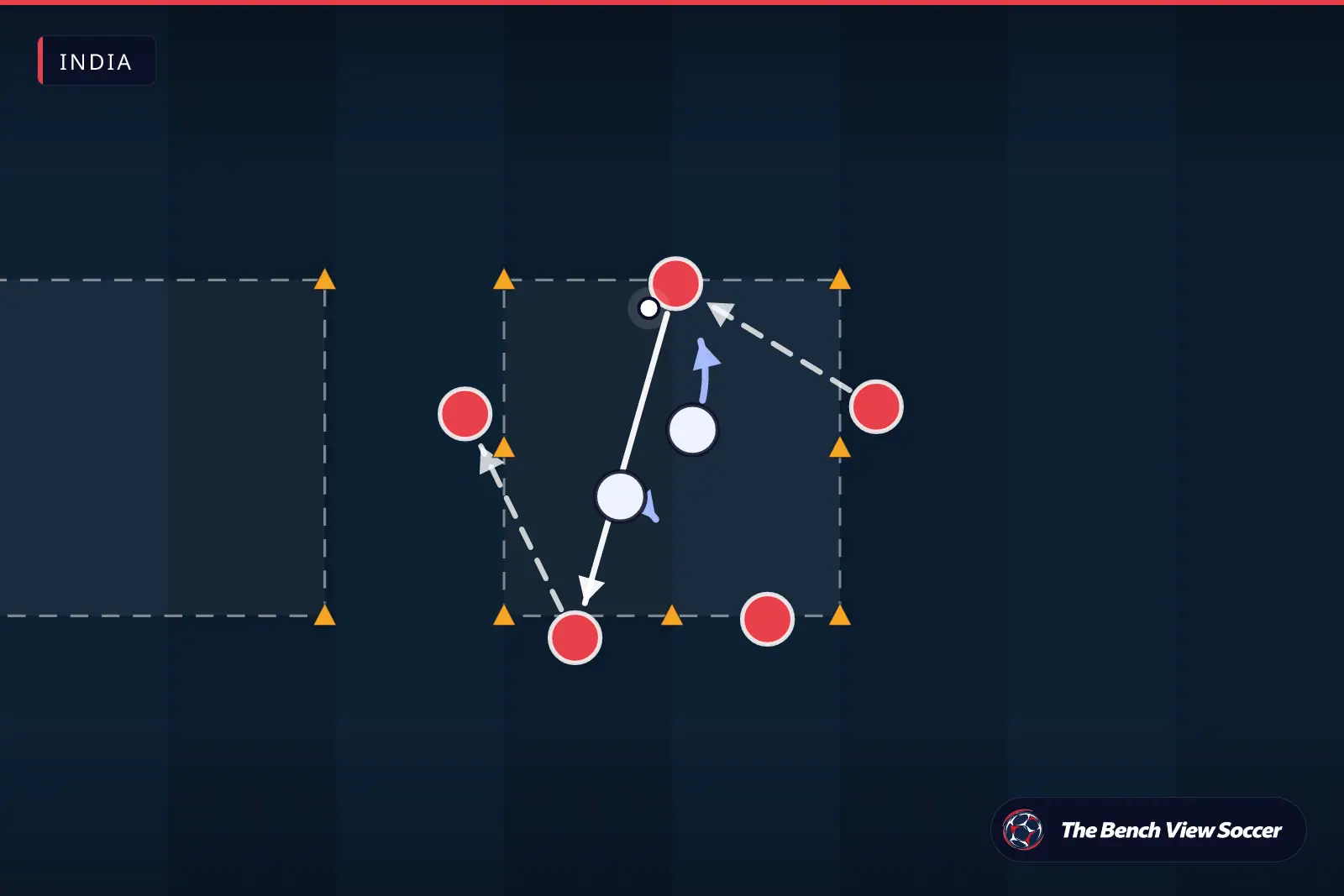
ISL conditioning teams increasingly mirror elite practices. Bengaluru FC use repeated-sprint ability (RSA) blocks pre-season with GPS thresholds tied to MPA (maximum permitted accelerations). Mumbai City FC have emphasised unilateral eccentric strength to reduce hamstring injuries in explosive wide players. Kerala Blasters’ staff implement small-sided games that manipulate space to overload acceleration and deceleration demands, and Indian senior players like Sunil Chhetri show maintenance training focused on neuromuscular control and tactical speed rather than raw max-velocity work.
At club level, coaches sequence hill sprints, resisted sled accelerations and ball-carry sprint transitions in the same session but separated by recovery windows; this reflects match demands where a player must sprint, decelerate, manage a contact and quickly re-accelerate.
What are the best tips to improve football speed and agility?
- Prioritise horizontal force production for 0–10m acceleration rather than only vertical jump work.
- Use low-volume, high-quality sprint reps with full rest—quality beats quantity when training speed.
- Integrate COD work with perceptual triggers (live opponents, unpredictable ball movement) to make gains transferable.
- Balance unilateral strength and hip-dominant posterior chain work to reduce hamstring/knee injury risk.
- Adapt sessions for Indian climates—schedule high-intensity work in cooler parts of the day and monitor hydration and heat strain.
- Measure progress: 10m splits and 505 COD times give objective feedback to tweak programmes for each player.
What mistakes should you avoid?
- Overloading high-speed volume: excessive sprint reps without full recovery reduce quality and raise injury risk.
- Ignoring eccentric and deceleration training: players who can accelerate but not decelerate are injury-prone and less effective in directional play.
- Separating ball work from speed work indefinitely: transfer requires designing drills that replicate perceptual and technical demands under speed.
- Using one-size-fits-all protocols: different positions and ages need customised loading—centre-backs, wingers and midfielders have distinct speed profiles.
What are the Frequently Asked Questions?
Q: How often should a player perform speed and agility sessions?
A: For professional and academy players, schedule 2–3 focused speed sessions weekly during pre-season, then 1–2 maintenance sessions in-season. Intensity must be prioritized over volume; always align sessions with match load and recovery protocols to avoid neuromuscular fatigue.
Related Resources
Q: Are plyometrics safe on Indian pitches?
A: Plyometrics are effective if surface conditions are accounted for. Use grass or artificial turf with adequate shock absorption. On harder or poorly maintained pitches common in some regions, shift to controlled eccentric lifts and box jumps with lower heights to reduce impact forces.
Q: What equipment is essential for elite speed development?
A: Minimal essentials: timing gates or GPS, sleds or resistance bands, cones, hurdles, and a jump mat or Vertec for vertical assessment. These tools enable objective testing and progression without needing high-cost infrastructure—valuable for clubs across India.
Q: How do you transfer gym strength to on-field speed?
A: Emphasise force-vector specificity: horizontal strength exercises (sled pulls, hip thrusts) and ballistic movements (med-ball throws, loaded jumps). Follow gym sessions with short field sprints to link strength outputs to high-velocity sport actions under realistic fatigue levels.
Implementing advanced football speed and agility training India requires a coach-led plan that blends biomechanics, strength, conditioning and sport-specific decision-making. Use objective testing, progressions and ISL-informed practices to produce match-ready speed and resilience.
Start our free courses on The Bench View Soccer.