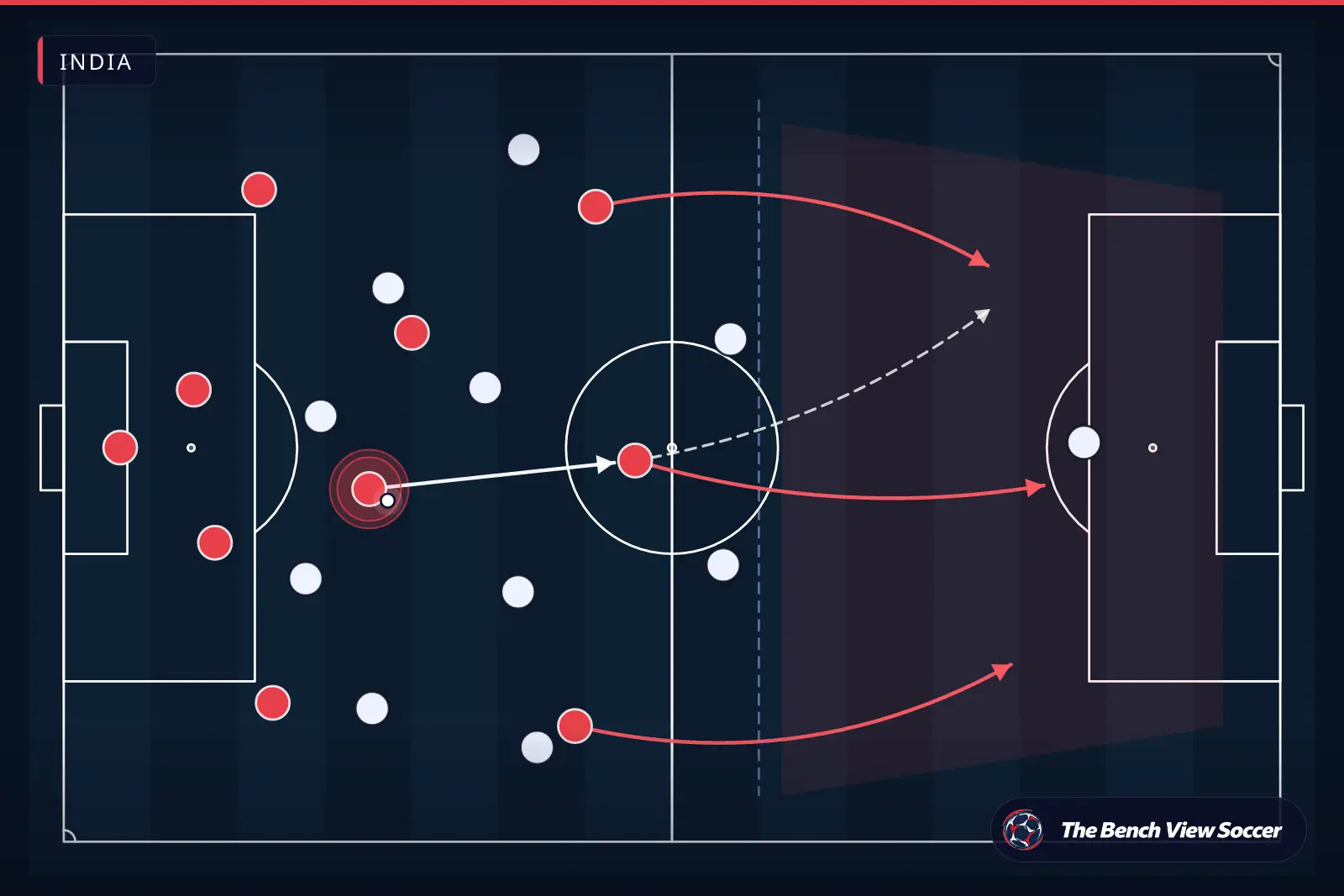
football transition play tactics India
Football in India is booming — from packed ISL stadia to the rise of Bengaluru FC, Mumbai City FC and Kerala Blasters. As fans flock to watch Sunil Chhetri and rising stars, mastering transition play separates good teams from great ones.
This guide breaks down football transition play tactics India with an on-pitch coach voice: clear definitions, five practical steps to implement, ISL examples you can study, pro tips, common mistakes to avoid, and an FAQ for players wanting to level up.
What is football transition play tactics India?
Football transition play tactics India describe the planned reactions when possession changes: how a team moves from defence to attack (counter-attack) and from attack to defence (counter-press). It’s about speed of thought, structural shape and exploiting spaces while reflecting local tempo and physical patterns seen in ISL and I-League matches.
How to implement football transition play tactics in India?
- Prepare roles and triggers: Define roles for each player on turnover. Who breaks forward? Who holds? Identify pressing triggers (bad touch, layoff, backward pass) you’ll use in matches against Indian opponents.
- Train quick recovery and counter shapes: Practice 10–15 second routines after loss and win of possession. Use small-sided drills that force players to assemble into a counter-attack shape (two forwards, one attacking midfielder, two wide players).
- Improve first touch and vertical passing: Emphasise first-time passes, driven balls and forward passes that split lines. In Indian conditions, quicker decision-making beats technical flair when space appears.
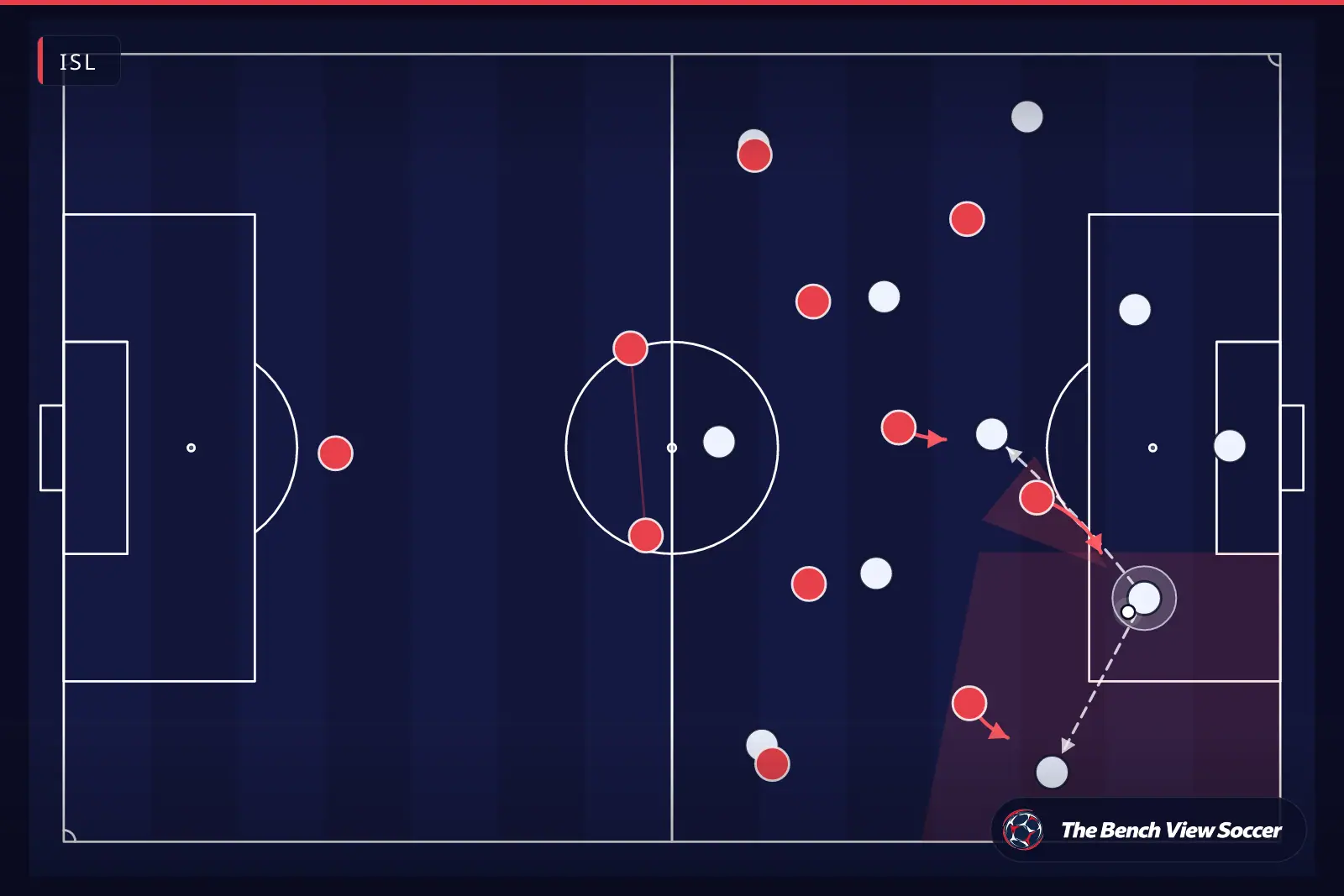
- Exploit width and transitions from flanks: Teach full-backs and wingers to overlap instantly on turnovers. In many ISL games, switching play quickly to an underloaded flank creates scoring chances.
- Condition with match scenarios: Replicate game moments — e.g., losing possession near the halfway line and immediately building a three-pass counter. Add pressure and constraints so players learn to react under fatigue, as in Durand Cup or Super Cup intensity.
Real examples from ISL?
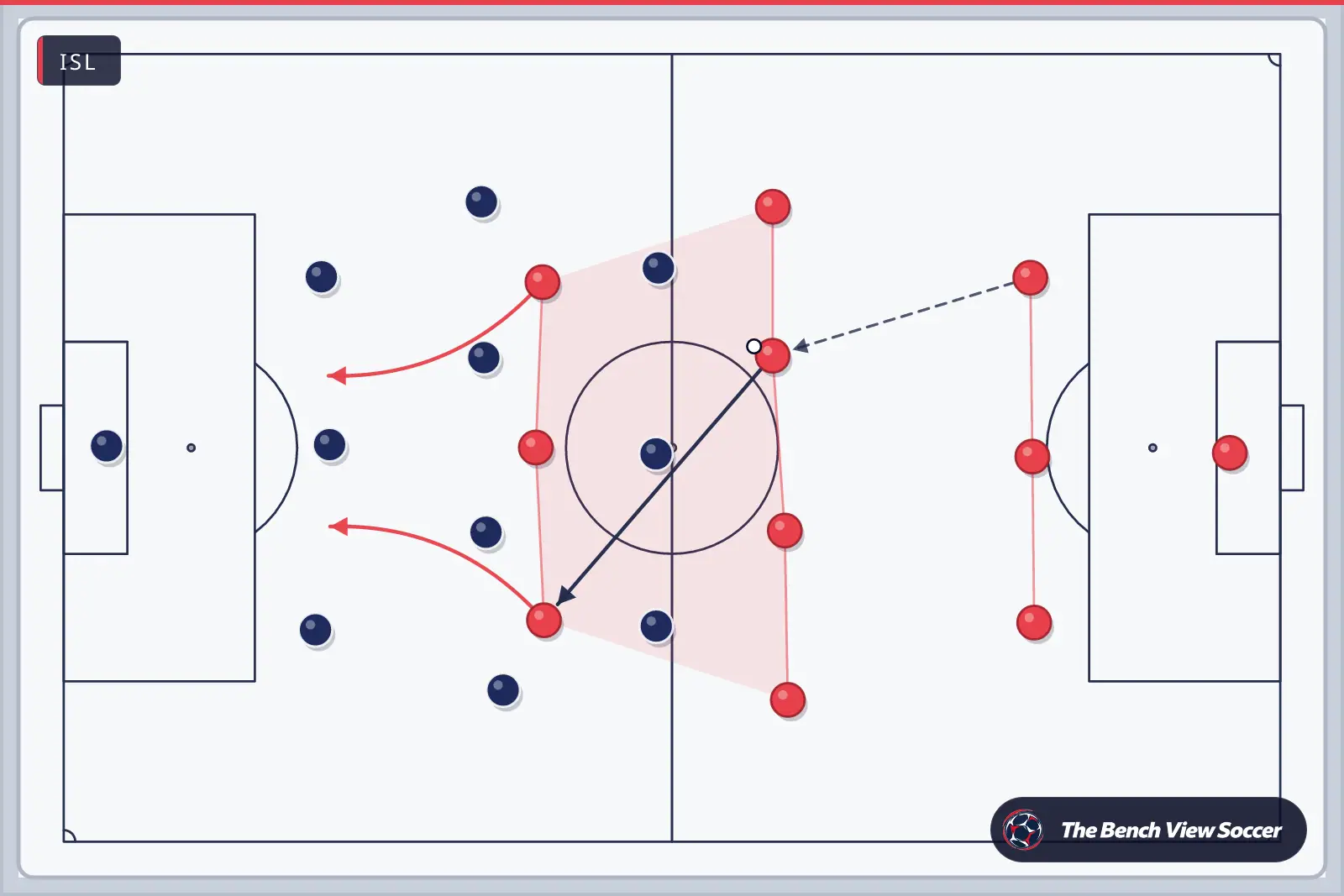
Study recent Bengaluru FC and Mumbai City FC games to see transition play tactics India in action. Bengaluru FC often use disciplined defensive blocks that spring quick vertical passes through midfield to a fast striker, while Mumbai City rely on controlled possession then instant accelerations via wingers. Kerala Blasters show energetic counter-pressing when home crowds push the tempo. Watch how Sunil Chhetri times his runs to latch onto half-spaces during counters — a masterclass in anticipating transitions.
Best tips to improve football transition play tactics in India?
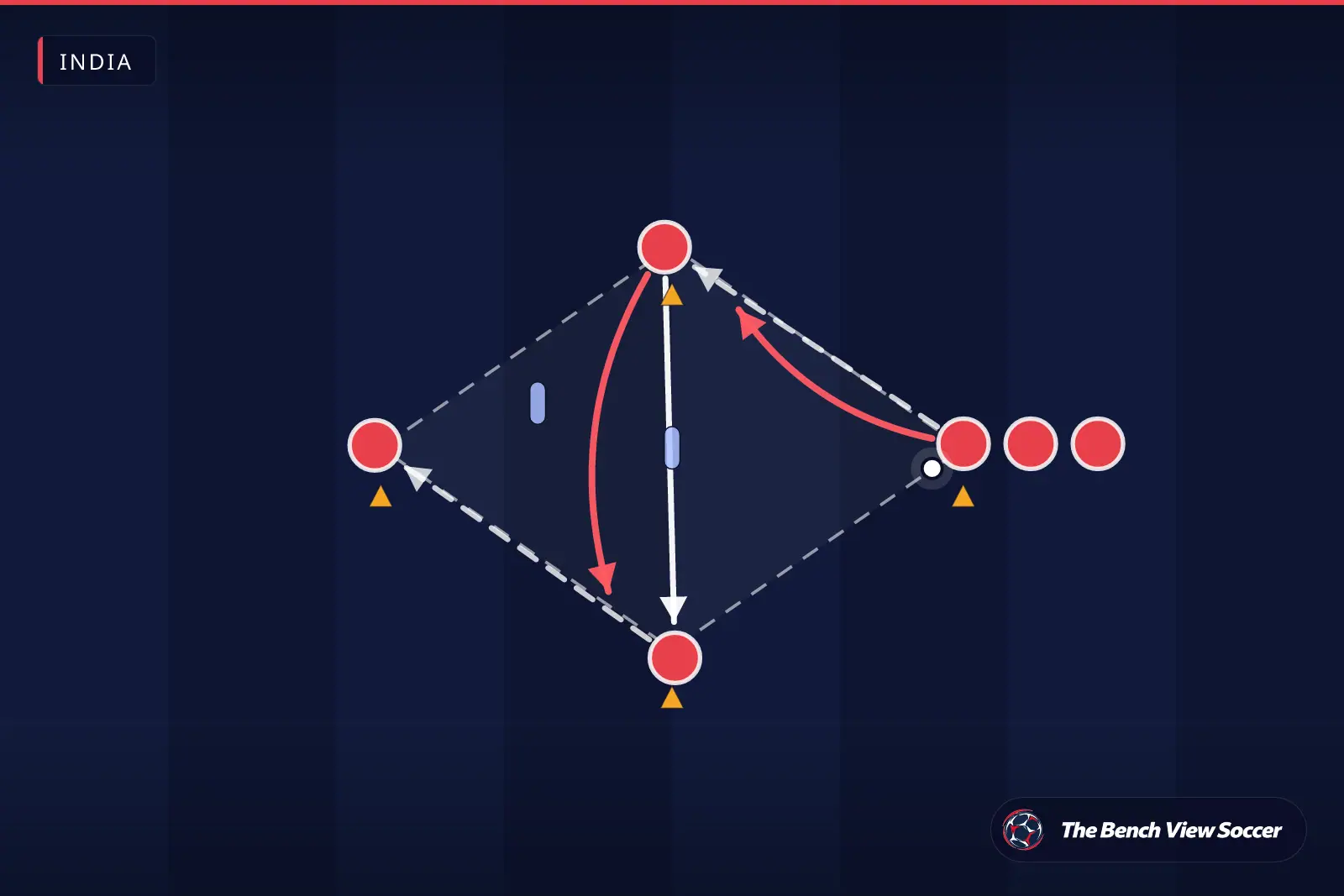
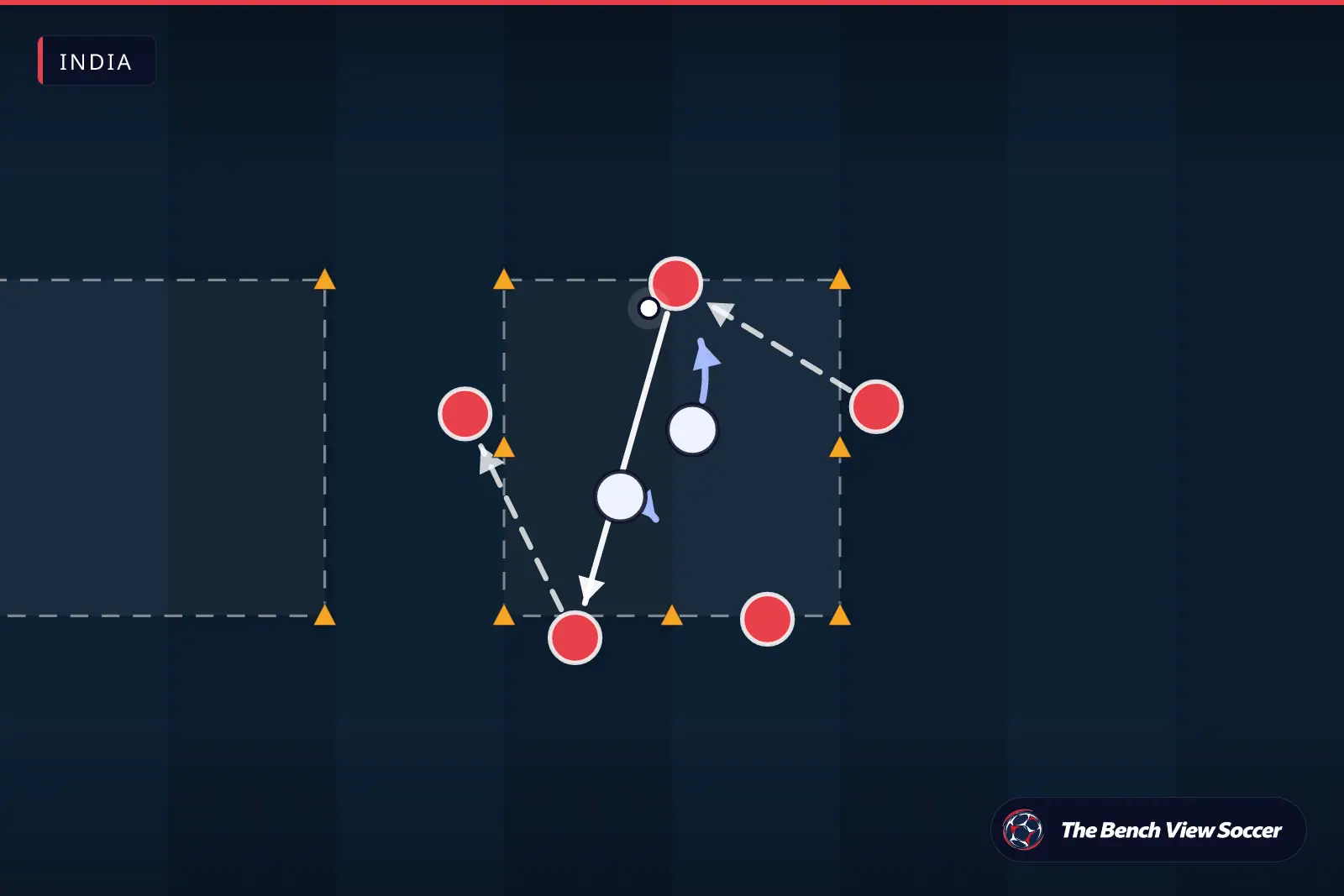
- Practice 5v5 or 7v7 transition drills to increase decision speed and simplify tactical roles.
- Prioritise fitness drills that mimic sudden sprints and recovery; transitions require explosive energy and quick mental resets.
- Use video sessions of ISL and I-League matches to identify patterns: when does the opponent leave space? Who are the pressing triggers?
- Train set-piece transitions: corners and throw-ins often create immediate counter opportunities; rehearse first two passes after winning a set-piece.
- Coach simple communication signals — one word cues for “press”, “hold”, “switch” — so players act instantly without overthinking.
Mistakes to avoid?
- Overcomplicating roles: don’t give players too many responsibilities during transitions; simplicity speeds execution.
- Poor spatial awareness: failing to exploit the third man or half-space kills counter chances — train scanning and body orientation.
- Neglecting the defensive transition: many Indian teams focus only on attacking counters and forget rapid regrouping after turnovers, inviting equalizers.
- Ignoring match context: tempo, climate and opposition style (e.g., high-press ISL teams) demand adjustments — don’t apply one rigid plan.
Frequently Asked Questions
Q1: How quickly should a team transition after winning the ball?
A1: Immediate reaction is crucial — aim for a 3–6 second window to exploit disorganised opponents. That first decision should be a forward pass or a decisive dribble. Train players to recognise when the opponent is vulnerable and to act without waiting for perfect structure.
Q2: Can amateur teams in India use pro transition tactics?
A2: Yes. Simplify the tactics: assign one primary counter-attacker, one pivot to recycle possession and two players to occupy wide channels. Focus on quick rehearsed patterns in training so amateur squads build cohesion and confidence in transitions.
Q3: What drills improve transition decision-making?
A3: 5v4 overloads with immediate scoring windows, counter-press bouts (winning back ball within 6 seconds), and half-field matches where scoring is only allowed after a turnover teach speed, urgency and recognition in transitions.
Q4: Which ISL teams are best to watch for transition lessons?
A4: Study Bengaluru FC for organized counters, Mumbai City FC for paced transitions and quick switches, and Kerala Blasters for pressing recovery. Combine their footage to understand different transition philosophies suited to Indian football.
Transition play defines many modern matches: it’s where you win momentum, score unexpectedly, and punish lazy opposition. Practice the five steps above, learn from ISL examples, and cut the common mistakes to sharpen your team’s edge.
Start our free courses on The Bench View Soccer.