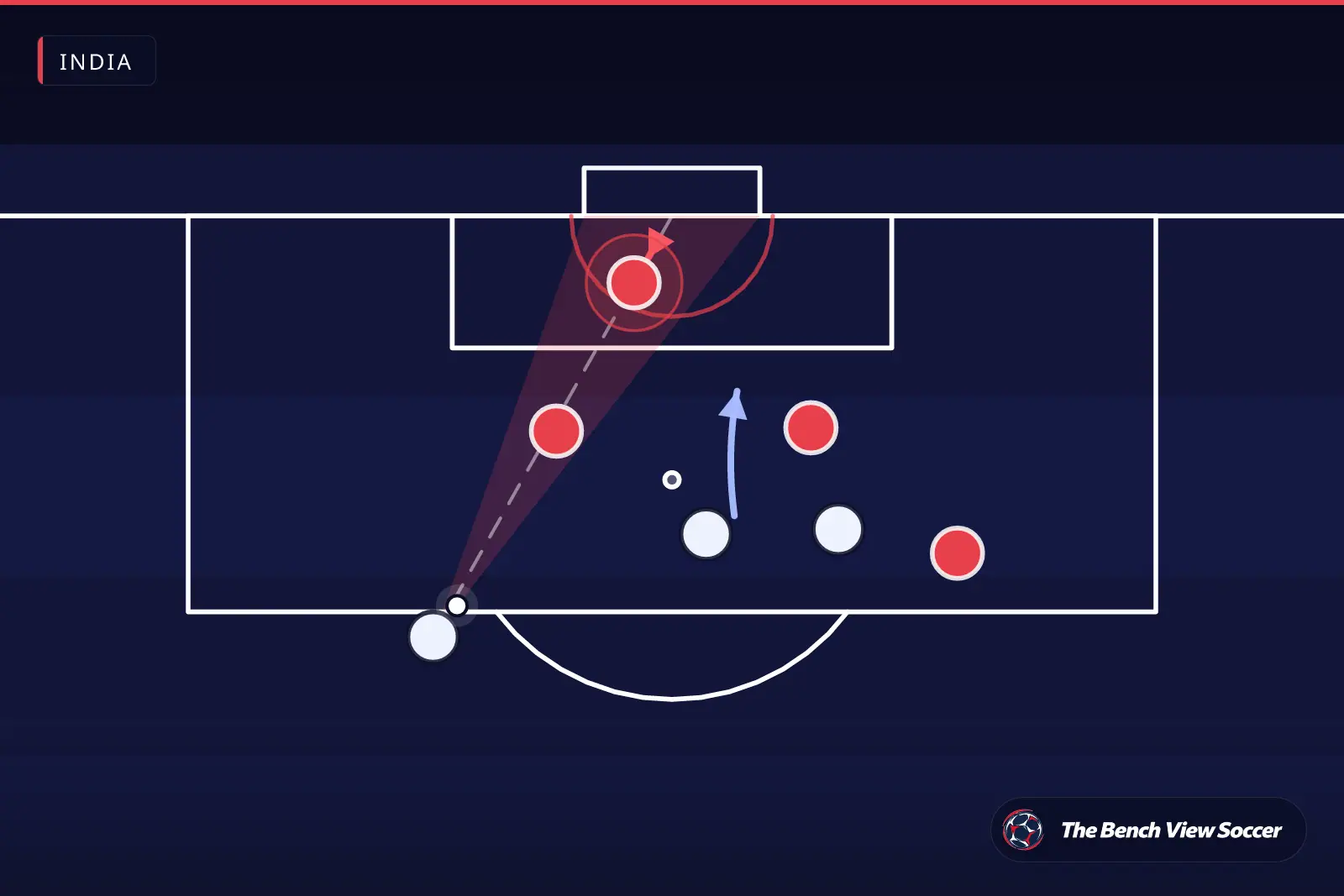
goalkeeper training drills India
Football in India is on the rise: from packed ISL stadiums to passionate academy setups across states, goalkeeping standards are improving fast. Whether you follow Sunil Chhetri's leadership or watch Bengaluru FC, Mumbai City FC and Kerala Blasters set standards, a focused drill plan separates good keepers from great ones.
This drills-first guide gives coaches and keepers practical, field-ready goalkeeper training drills India can use today. Each drill lists equipment, step-by-step execution, a crisp coaching cue and a progression to move players toward match intensity.
-
Basic Catch & Handle
Equipment: Size 5 ball, cones, gloves.
- Start 6–8 yards from server; partner throws soft tosses at chest height.
- Catch with soft hands, elbows in, step toward ball after catch.
- Repeat 15–20 catches, alternating left/right placement.
Coaching cue: "Present a big target — hands in front, thumbs together."
Progression: Increase speed and vary trajectories; introduce low and high balls.
-
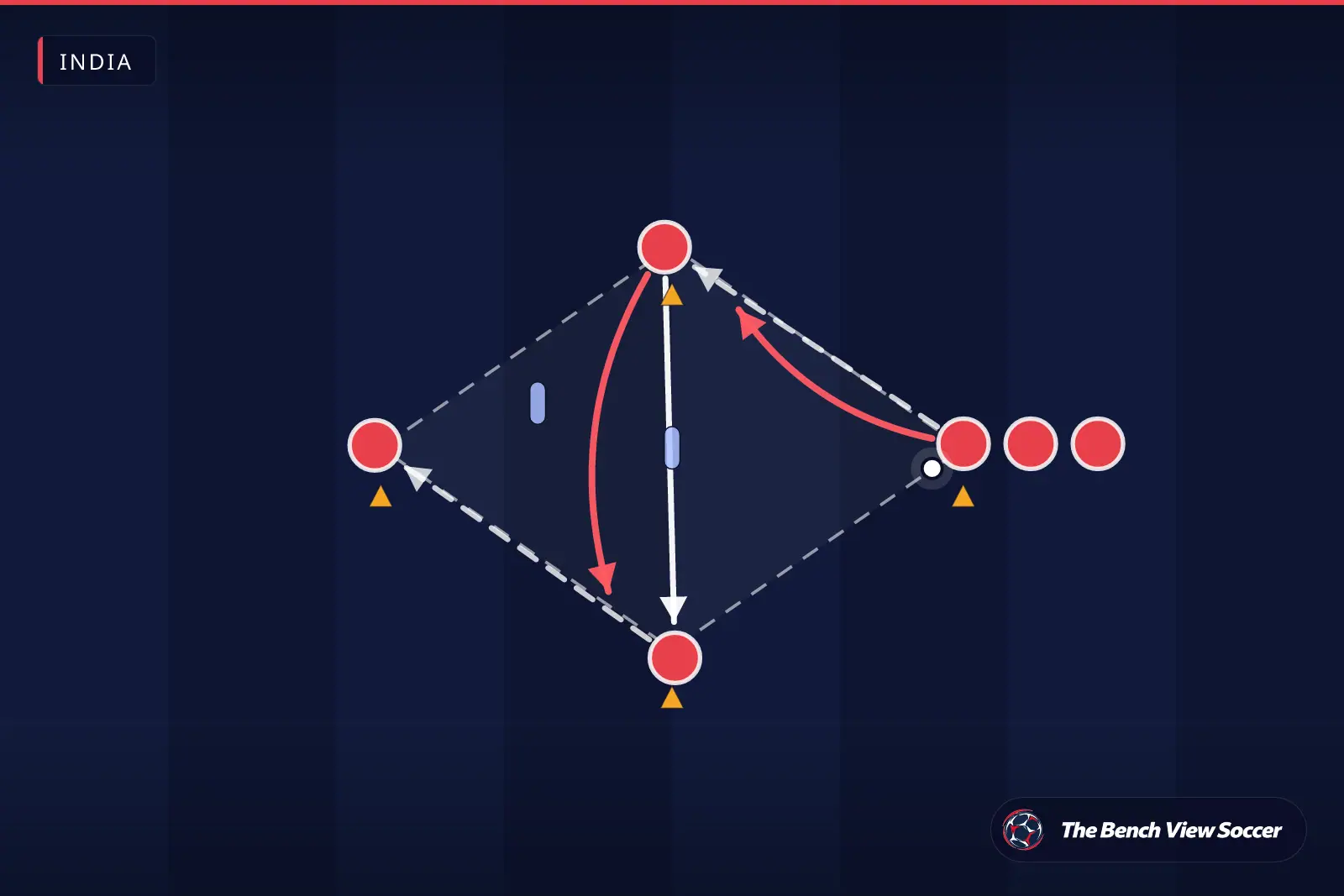
Footwork Ladder & Cone Shuffle
Equipment: Agility ladder, 4 cones.
- Perform ladder runs focusing on quick, light steps (2 feet per box).
- After ladder, shuffle laterally between cones, simulating angle adjustments.
- Finish with a short explosive dive or reach.
Coaching cue: "Small steps, big balance — always on your toes."
Progression: Add ball handling after shuffle before diving.
-
Reaction Shot Drill
Equipment: Balls, rebounder or partner, small goals.
- Keeper stands central; partner feeds rapid shots from 8–12 yards.
- Vary direction and height; include deflections off a rebounder.
- Perform 3 sets of 8–10 saves with 60s rest.
Coaching cue: "Eyes on the ball — react, don’t guess."
Progression: Reduce reaction time, add power shots and second-ball situations.
-
Crosses & High-ball Claiming
Equipment: Balls, mannequins, cones, partner crossing.
- Start near 6-yard area; partner delivers varied crosses from wide.
- Practice timing of run, strong catching or punching under pressure.
- Include decision-making: catch versus punch depending on traffic.
Coaching cue: "Attack the ball — hands first, then body."
Progression: Add a midfielder as blocker to simulate match contact.
-
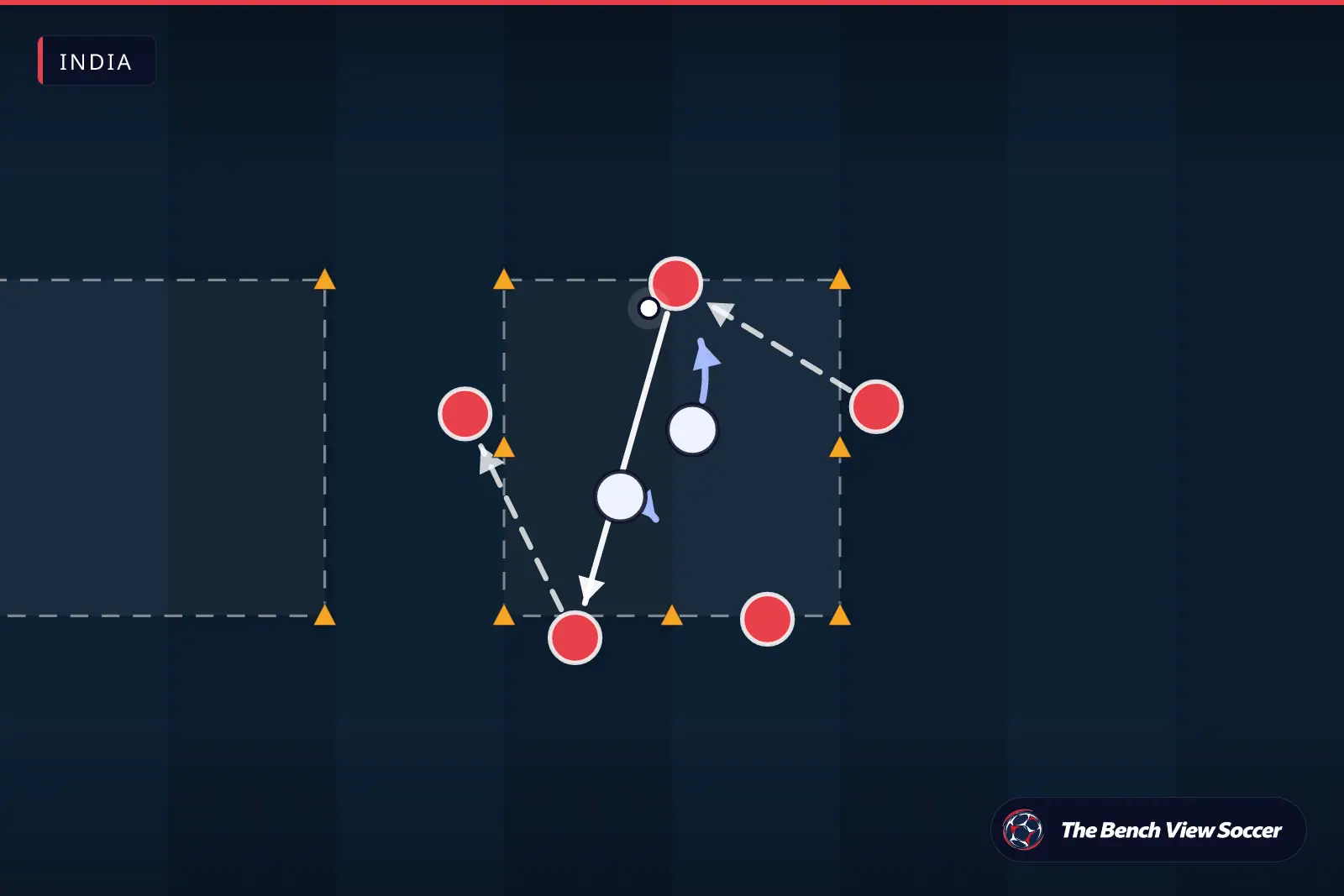
Distribution Under Pressure
Equipment: Multiple balls, small goals or targets, opposition players or cones.
- Keeper starts with ball; must pick a target (short pass, long kick) within 4 seconds.
- Introduce passive pressure, then active press by attackers.
- Practice both throws and driven kicks to designated targets.
Coaching cue: "Scan before you release; first touch decides the pass."
Progression: Increase pressure and reduce time to make a decision.
-
1v1 Closing & Angle Drill
Equipment: Cones, balls.
- Attacker starts 20 yards out; keeper positions and closes down the angle.
- Keeper times the reduction of space, stays low, uses hands/feet to block.
- Repeat from both flanks and central positions.
Coaching cue: "Close smart — force wide, stay big."
Progression: Add feints and shot towards far corner; work on recovery pace.
-
Technical Diving & Recovery
Equipment: Soft mats or well-maintained grass, balls.
- From standing, practice low-dive technique focusing on shoulder-first landings.
- Work on two-handed slides, quick recovery to feet and immediate distribution.
- Perform repeated sequences to build muscular memory.
Coaching cue: "Lead with shoulder, push through, get up fast."
Progression: Combine diving with reaction shots and second saves.
What is goalkeeper training drills?
goalkeeper training drills India are structured exercises designed to develop a keeper's core skills: shot-stopping, catching, footwork, distribution and decision-making. Drills isolate movements, simulate game pressures and allow measurable progress. Coaches across ISL and I-League use them to bridge academy work to competitive matches like Durand Cup and Super Cup.
Related Resources
How to perform goalkeeper training drills?
- Identify objectives: choose drills for handling, footwork, distribution, reaction and decision-making.
- Warm up specifically: light jog, mobility, shoulder activation and ball-handling for 10–15 minutes.
- Structure session: 20% warm-up, 50% drill work (high quality reps), 20% conditioned games, 10% debrief.
- Use progressive overload: increase speed, pressure or complexity across weeks, record times and success rates.
- Review and adapt: video sessions, coach feedback and individual plans to match player's growth and match calendar (ISL/I-League).
Real examples from ISL?
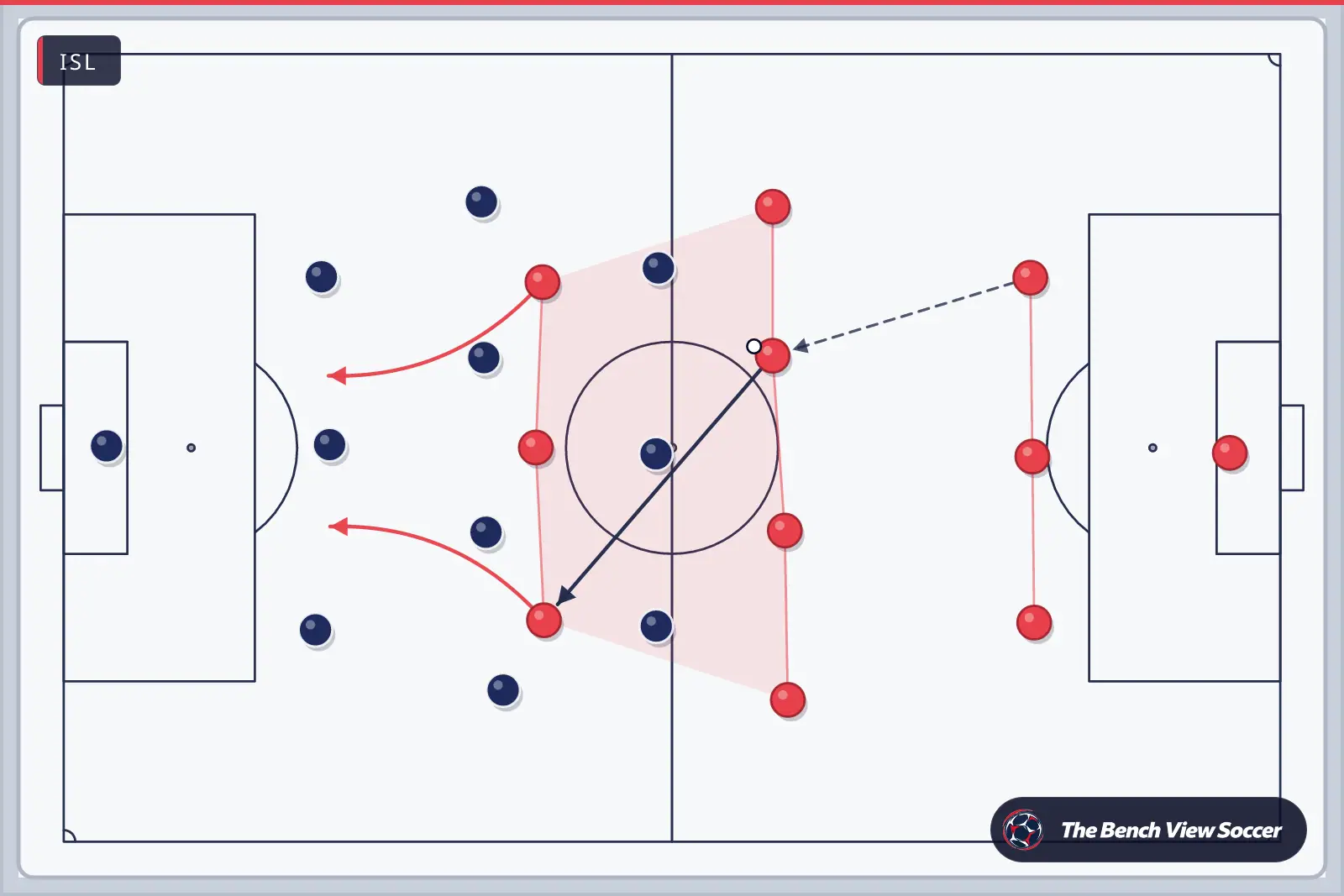
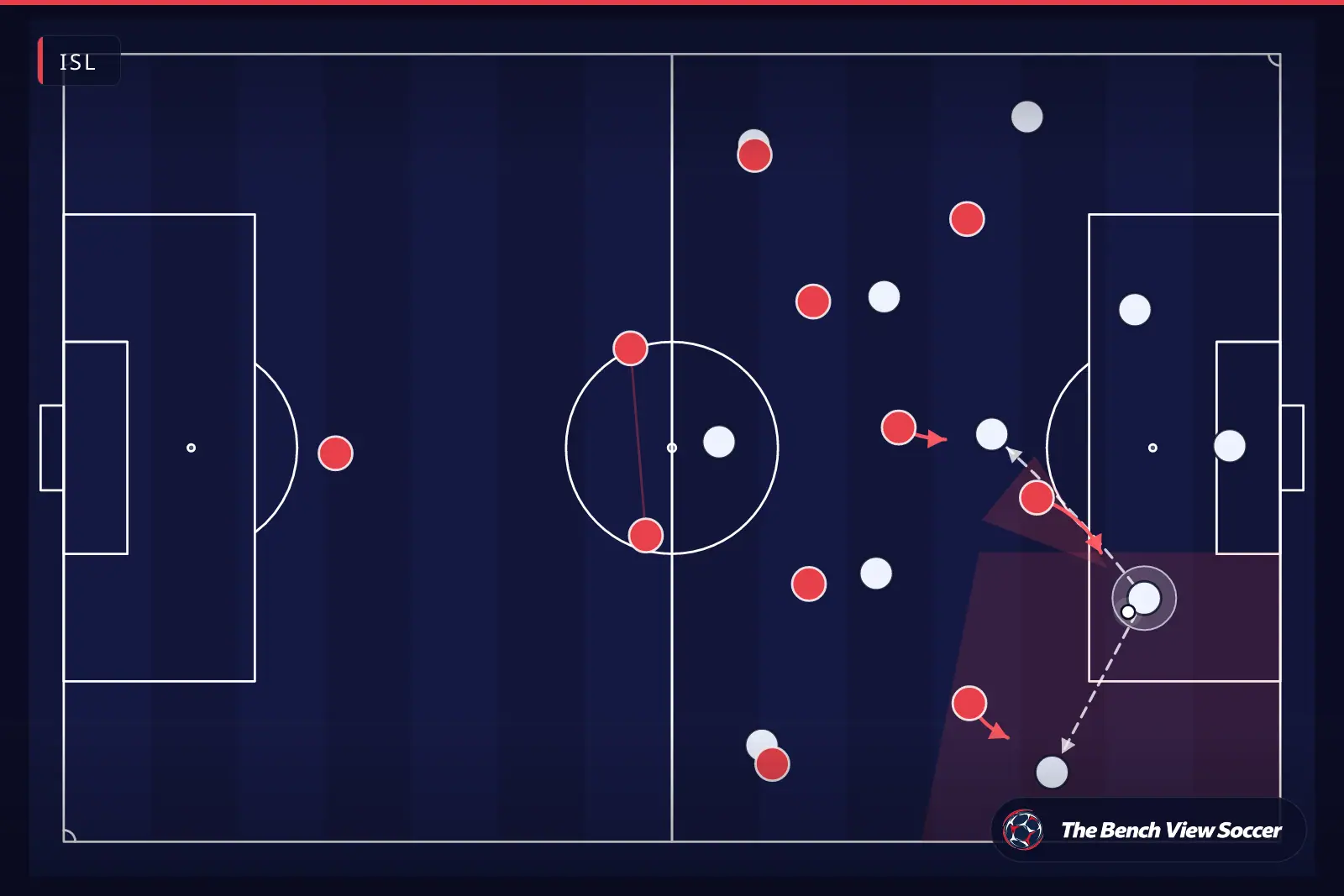
Top ISL clubs emphasize tailored goalkeeper programs. Bengaluru FC’s keepers focus on distribution under pressure to mirror their build-out play; Mumbai City FC trains shot-stopping with high-frequency reaction drills; Kerala Blasters invest heavily in aerial dominance and crosses, reflecting coastal crosses and set-piece battles. Study match footage and replicate game scenarios in practice.
Best tips to master goalkeeper training drills?
- Consistency beats intensity: short, focused daily sessions outperform rare marathon trainings.
- Record training: video helps correct positioning and decision-making — review with coach weekly.
- Train with attackers: simulate real ISL-style runs and finishing to build reading of play.
- Condition smartly: develop core, hip and shoulder strength to reduce injury risk when diving.
- Local context: work on handling wet pitches and uneven surfaces common in many Indian grounds.
Mistakes to avoid?
- Ignoring footwork: good hands fail without rapid, precise body positioning.
- Overtraining dives on hard surfaces: increases injury risk; use mats or well-kept grass.
- Neglecting distribution under pressure: modern keepers must start play confidently.
- Training only on the technical side: include decision-making and mental resilience work.
Frequently Asked Questions?
Q: How often should I practice goalkeeper drills?
A: Train 3–5 times weekly with at least two focused goalkeeper sessions. Combine touch sessions on off-days for handling and footwork. Match weeks reduce volume and increase sharpness work. Balance rest to avoid overuse injuries.
Q: What equipment is essential for Indian keepers?
A: Essential gear: quality gloves, size 5 ball(s), cones, agility ladder, rebounder and protective shorts. For dives, use mats during technical sessions and ensure a well-maintained grass surface for full-speed practice.
Q: Can young keepers in India join professional academies?
A: Yes. ISL academies, state associations and private academies scout talent via trials and youth leagues. Focus on consistent training, matches in state competitions and showcase through U-15/U-18 tournaments. Networking and highlights help visibility.
Q: Are there goalkeeper drills I can do at home?
A: Yes. Footwork ladder routines, wall throw-catch drills, reaction catch using a self-rebounder and distribution practice for accuracy can all be done in small spaces. Emphasize technique, repetition and safe surfaces for any dives.
Start our free courses on The Bench View Soccer. Build a weekly plan using these goalkeeper training drills India to progress faster, stay injury-free and compete confidently in ISL, I-League, Durand Cup and Super Cup environments.
Train Your Goalkeeping
Goalkeeper-specific drills and positioning
Start free on The Bench View Soccer →