how to defend in football India
Football passion in India is growing fast — from ISL nights to packed stadiums for Bengaluru FC, Mumbai City FC and Kerala Blasters. If you want to protect your goal and help your team, learning how to defend in football India is a smart first step. This guide is simple, uses home-friendly drills, and assumes zero prior knowledge.
Defending is more than not letting the opponent score. It is positioning, timing, and teamwork. Below we cover what defending means, five easy steps with small-space drills you can do at home, real ISL examples, tips, common mistakes, and a short FAQ for beginners.
What is defending in football?
Defending in football is the set of actions a player or team uses to stop the opponent from scoring. This includes individual skills (tackling, jockeying), team shape (marking, covering), and mental skills (reading play, patience). Good defending wins possession or forces safe errors.
How to defend in football?
Use these five clear steps. Each step includes a small-space drill you can do at home or in a small park. Repeat often—consistency builds instinct.
- Get the right stance and angle
Step: Stand low with knees bent, weight on the balls of your feet, one foot slightly forward. Angle your body so the attacker is forced away from goal.
Drill (Shadow Stance): Mark a 3–4 metre line. Have a friend or use a ball on a short roll. Move side-to-side mirroring the attacker for 30 seconds, keeping low and facing their hips. Do 4 sets.
- Use jockeying, not diving in
Step: Keep distance and delay a tackle until it is safe. Use small steps to guide the attacker to the touchline or into a teammate.
Drill (Close-range Jockey): Place two cones 5 metres apart. One player holds the ball and dribbles slowly; defender practices jockeying—shuffling backwards and sideways without lunging. Repeat 6 times each side.
- Win 1v1 battles with timing
Step: Wait for the moment when the attacker mistakes control or looks up. Time your tackle or block when you can win the ball cleanly.
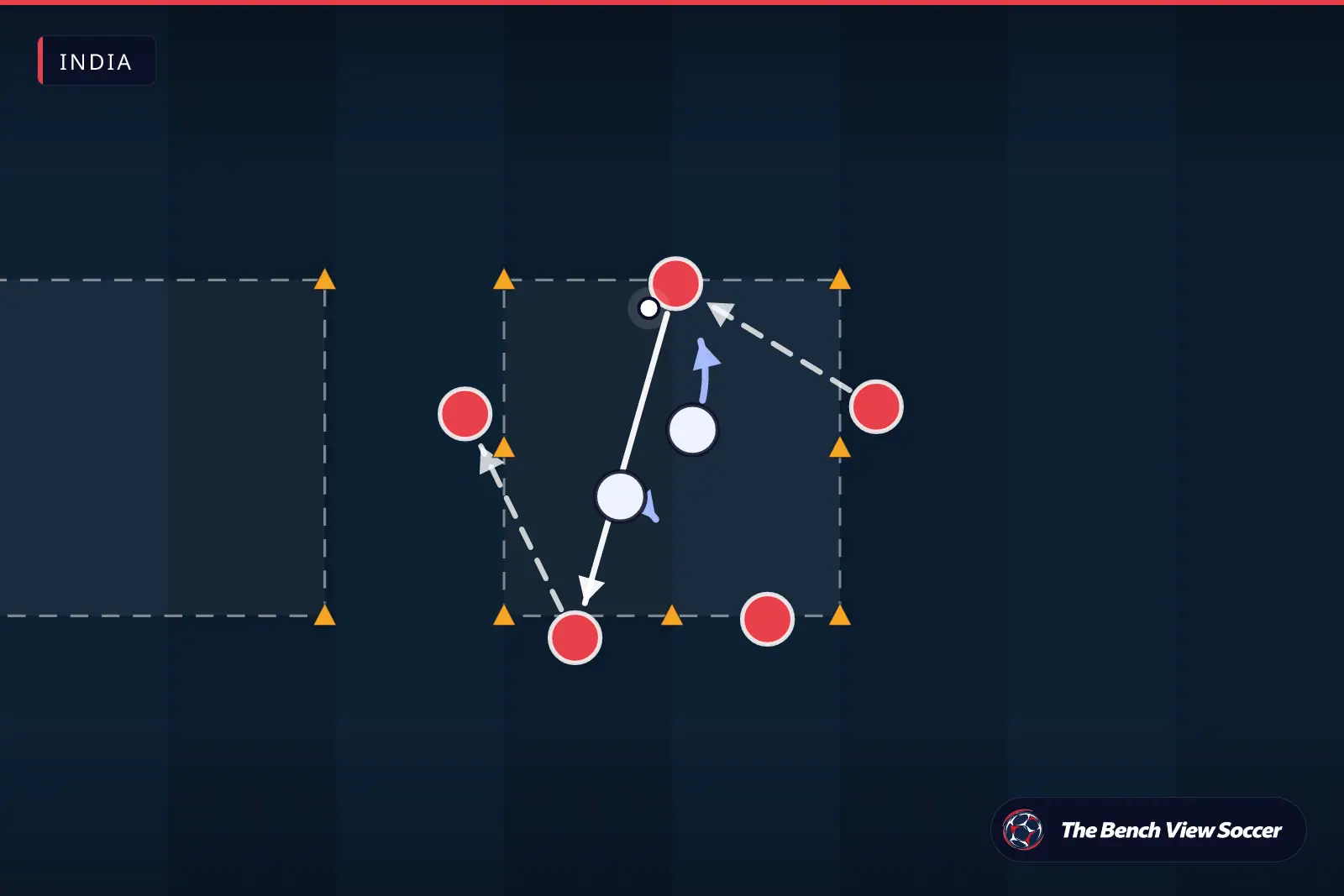
Drill (Quick Tackle Reaction): In a 4×4 metre square, attacker receives short passes and tries to turn. Defender practices stepping in to win the ball when the attacker’s body opens. Use soft contact and focus on clean dispossession. 5 rounds of 1 minute.
- Improve recovery and covering
Step: If beaten, sprint back to cover space between attacker and goal. Learn to cover a teammate’s position if they go to press.
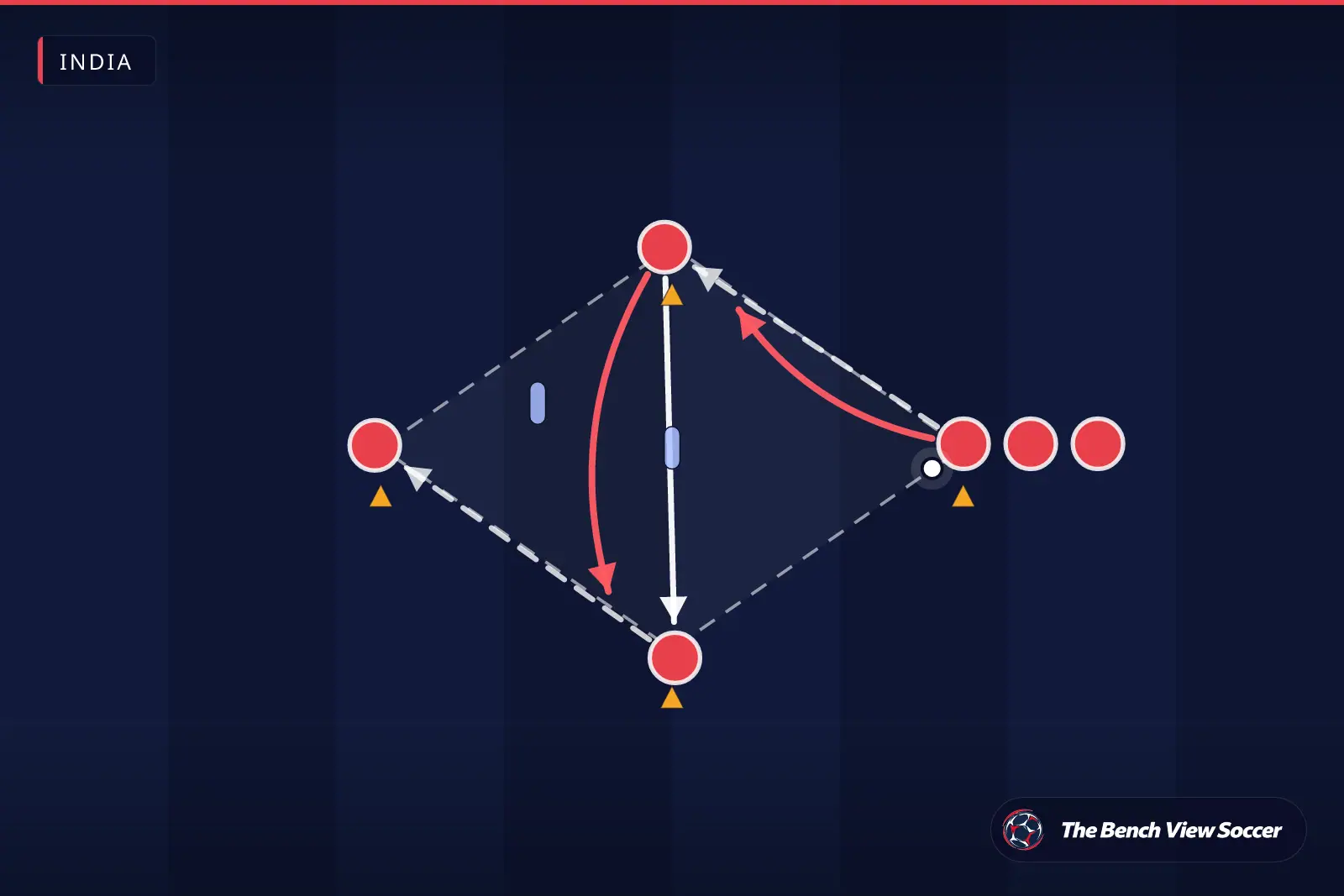
Drill (Recovery Sprints): Set two markers 10 metres apart. Defender starts midway, attacker starts near one marker and dribbles toward the other. Defender reacts after a 2-second delay and must intercept or block within the zone. Repeat 8 times.
- Communicate and read the game
Step: Talk to teammates, call out marks, and point where to press. Read the attacker’s head and hips to predict moves.
Drill (Reaction Pass Defence): With one partner passing from 6–8 metres, defender shouts "left" or "right" and quickly moves to intercept or block the pass lane. Do 6 sets of alternating directions. This builds quick decision-making.
Real examples from ISL?
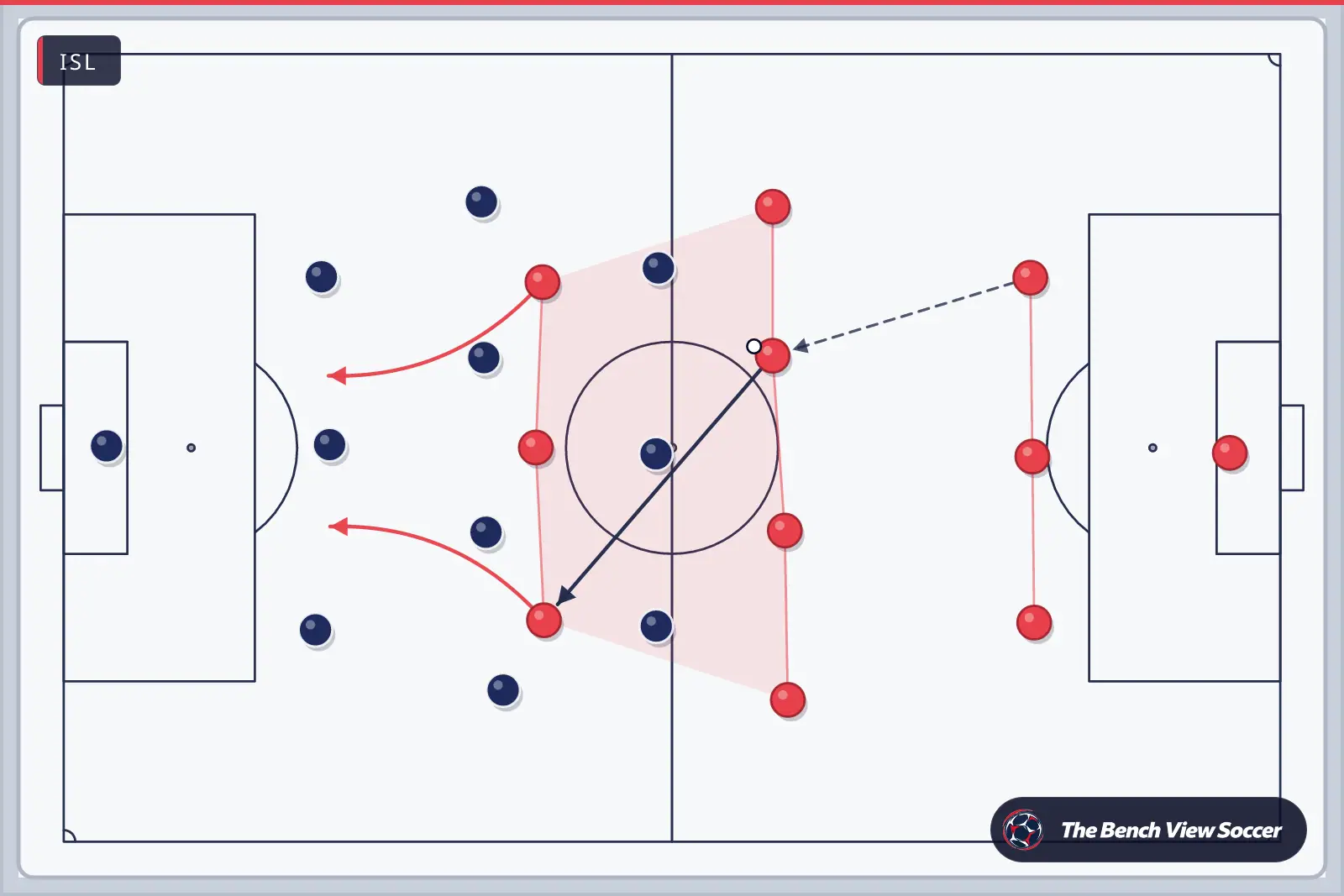
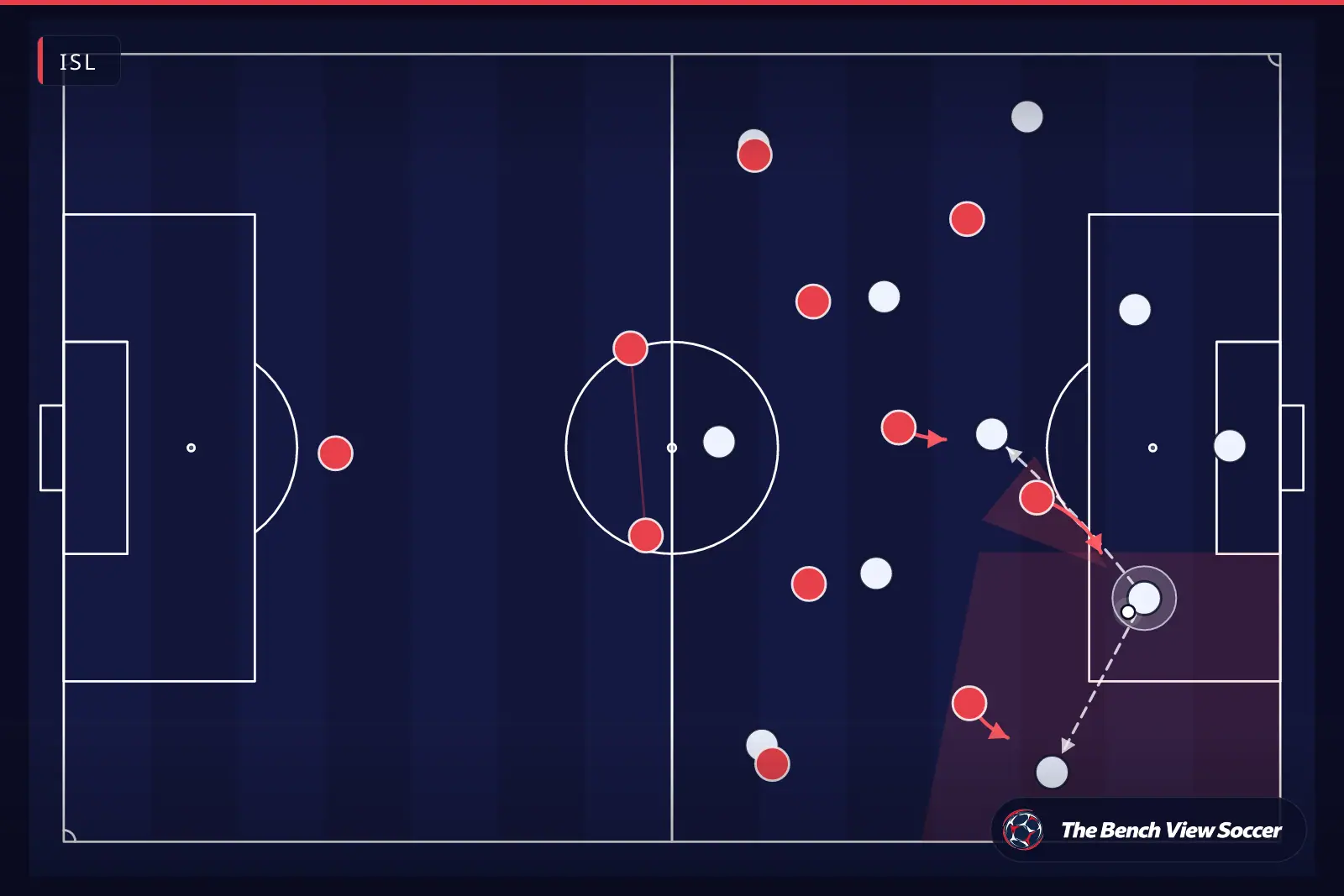
ISL teams offer great lessons. Bengaluru FC often show compact defending—players keep tight lines and trust covering runs, which is why they defend well defensively. Mumbai City FC demonstrate organised pressing: they close down attackers quickly and win the ball high. Kerala Blasters display strong full-back defending and recovery runs in transition.
Watch how leaders like Sunil Chhetri track back to help the midfield and show defensive work-rate despite being a forward. Learning from these examples teaches beginners position, timing and teamwork.
Best tips to defend in football?
- Stay balanced: Hands low, knees bent, ready to move in any direction.
- Watch the hips: A player’s hips reveal their next move more than the ball.
- Delay the attacker: Force them to make a choice; teammates can help then win the ball.
- Communicate clearly: Short commands like "leave" or "cover" reduce confusion.
- Practice small spaces: Most attacks in tight areas are won with quick feet and calm decision-making.
- Recover quickly: If beaten, sprint back and force the attacker wide.
Mistakes to avoid?
- Lunging in too early: This leaves you off balance and easy to beat.
- Watching the ball, not the player: Eyes on the ball can be fooled; watch hips and shoulders.
- Not talking to teammates: Silent defence leads to gaps and easy chances for opponents.
- Giving up after being beaten: Recovery runs can still stop attacks—never stop trying.
Frequently Asked Questions
Q: How long before I see improvement?
A: With regular practice of these small-space drills—15–30 minutes, 3–4 times a week—most beginners notice better balance, timing, and fewer lost 1v1s in 4–6 weeks. Match awareness and communication improve faster if you review game clips and talk with teammates.
Q: Can I practice defending alone at home?
A: Yes. Shadow stance, jockeying footwork, recovery sprints, and wall passes are great solo drills. Use a wall or rebounder for reaction drills. Solo practice builds footwork and reaction speed even without a partner.
Q: What shoes are best for small-space drills?
A: For concrete or hard ground, use training shoes with flat soles for grip and cushioning. For grass, use turf shoes or studs depending on the surface. Comfortable, supportive footwear reduces injury risk during quick direction changes.
Q: Should youth players focus on tackling?
A: Younger players should prioritise positioning, balance, and timing before aggressive tackling. Teach controlled contact and clean tackles. Emphasise staying on feet and guiding attackers wide—tackling comes when the moment is safe.
Start your defending journey today. Practice the five drills, watch ISL examples, and focus on simple improvements each week. Start our free courses on The Bench View Soccer.
Train Your Technical Skills
Dribbling, control, and beyond — step by step
Start free on The Bench View Soccer →