how to improve finishing in football India
Football in India is growing fast — driven by ISL crowds, passionate city rivalries and role models such as Sunil Chhetri, Bengaluru FC, Mumbai City FC and Kerala Blasters. For forwards and attacking midfielders the difference between a good player and a consistent goalscorer is elite finishing: technique, decision-making and repeatable training that transfers to match environments.
This advanced guide targets coaches and elite youth players across ISL, I-League, Durand Cup and Super Cup environments. It explains what finishing is, lays out a five-step development pathway, provides professional drills, real ISL examples and coach-level analysis that you can implement on Indian pitches.
What is finishing in football?
Finishing in football is the technical and cognitive process of converting a goal-scoring opportunity into a goal. It combines biomechanics (body position, foot contact), perceptual skills (reading the goalkeeper, timing), tactical understanding (shot selection, movement) and psychological control (composure under pressure). At elite levels finishing is measured by shot quality, conversion rate and expected goals (xG) over time.
How to improve finishing in football India?
- Master technical mechanics — 10,000 quality repetitions: laces strikes for power, inside-of-foot for placement, toe-pokes for tight angles, volleys and half-volleys. Emphasise supporting foot placement, locked ankle and hip rotation. Record sessions and correct body shape immediately.
- Train match-specific scenarios — develop drills that replicate crosses, cutbacks, rebounds and through-balls. Use a goalkeeper and two defenders to force real decision-making. Practice one-touch finishing from low crosses and first-time chips over advancing keepers.
- Pressure and fatigue conditioning — combine interval sprints with finishing circuits. End sessions with five-minute high-intensity sequences with constant shooting opportunities to replicate late-match tiredness where strikers must still convert.
- Decision-making and shot selection — use constrained games to teach when to place, power, or dink. Employ video sessions with xG overlays to show which chances are high value and why. Teach reading the keeper’s position and using small feints to open angles.
- Individual feedback and progressive overload — set measurable targets (conversion %, weak-foot goals, inside-six-yard finishes). Use slow-motion video, analytics and coach cues to incrementally increase difficulty and vary delivery type, angle and tempo.
What are real examples from ISL?
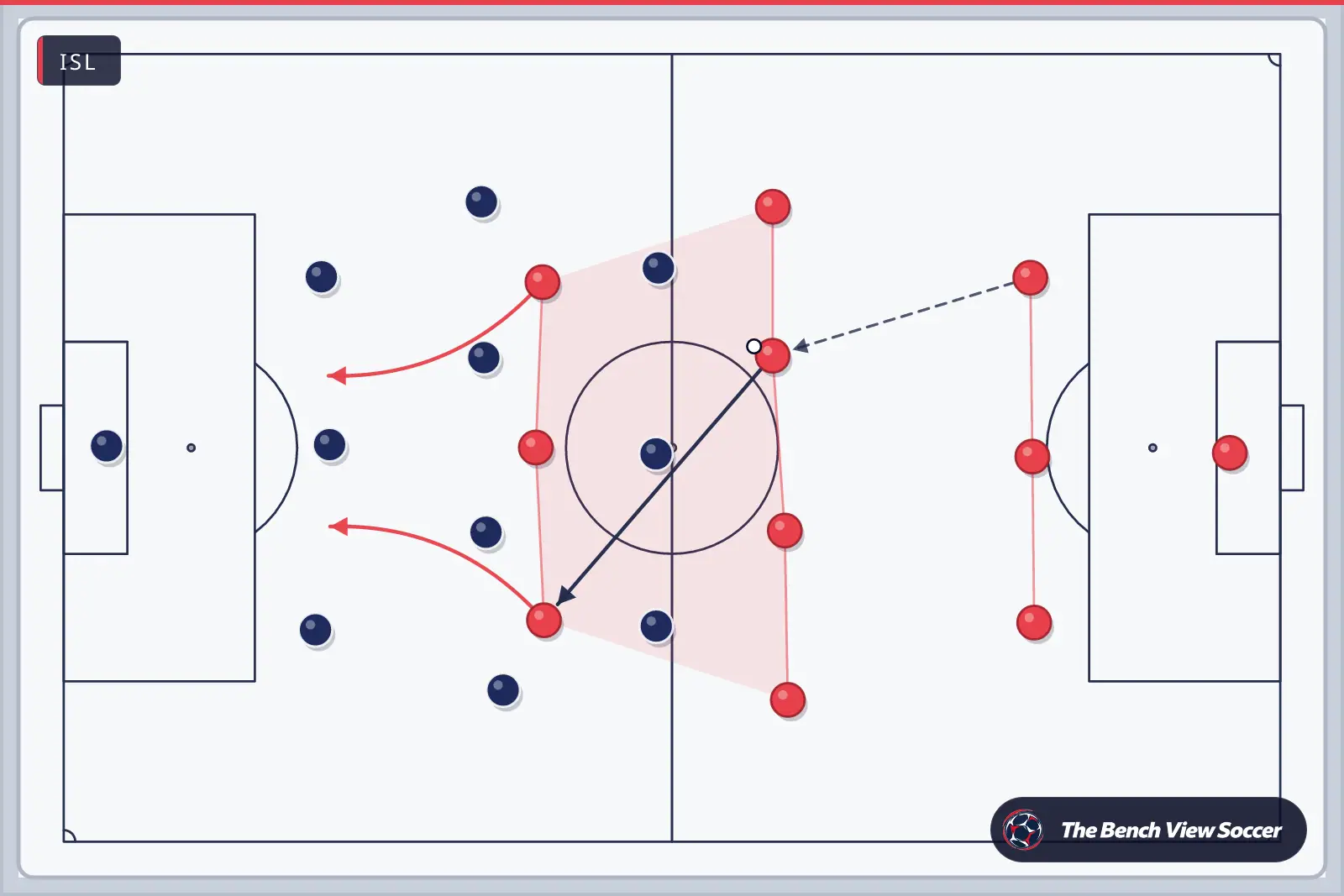
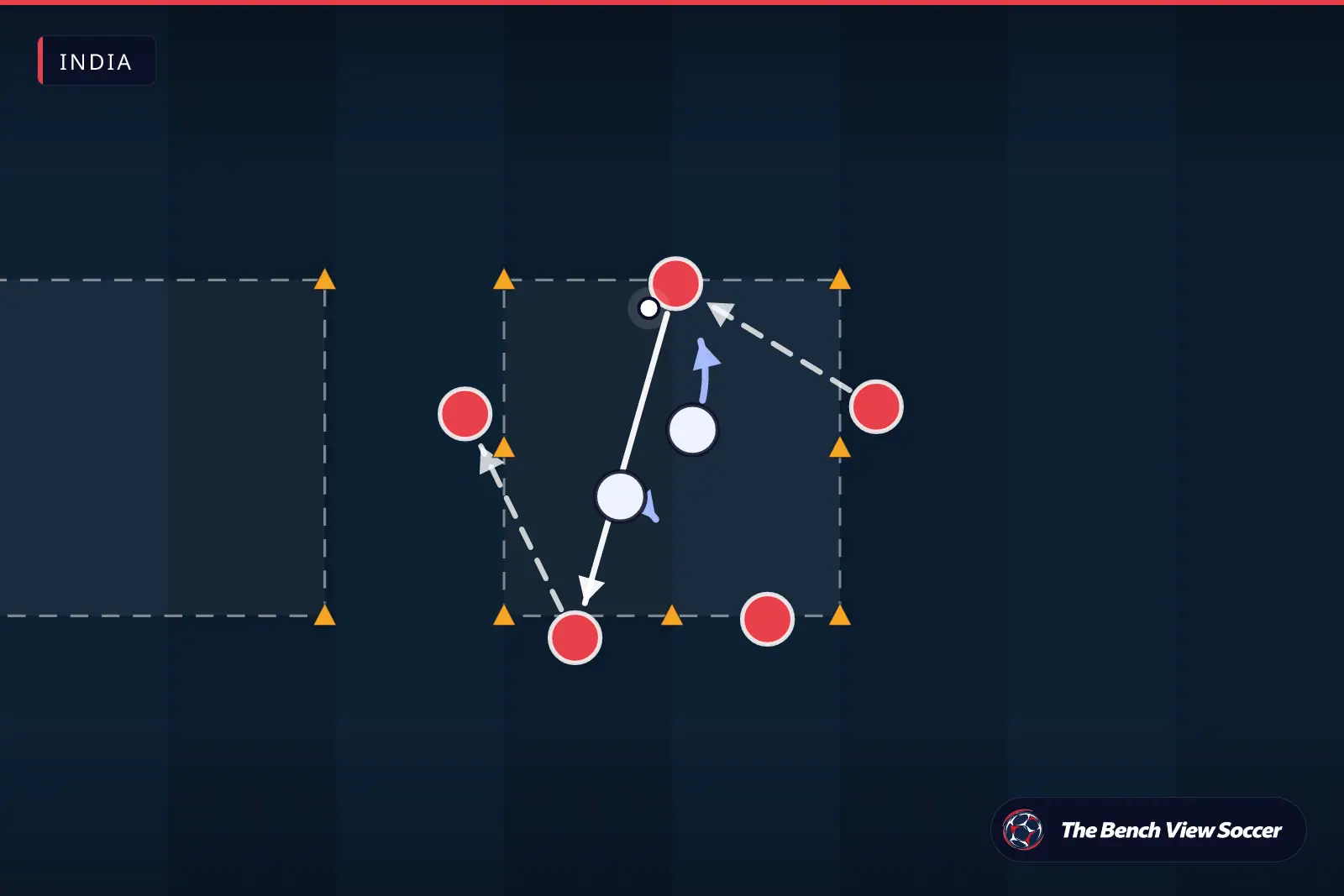
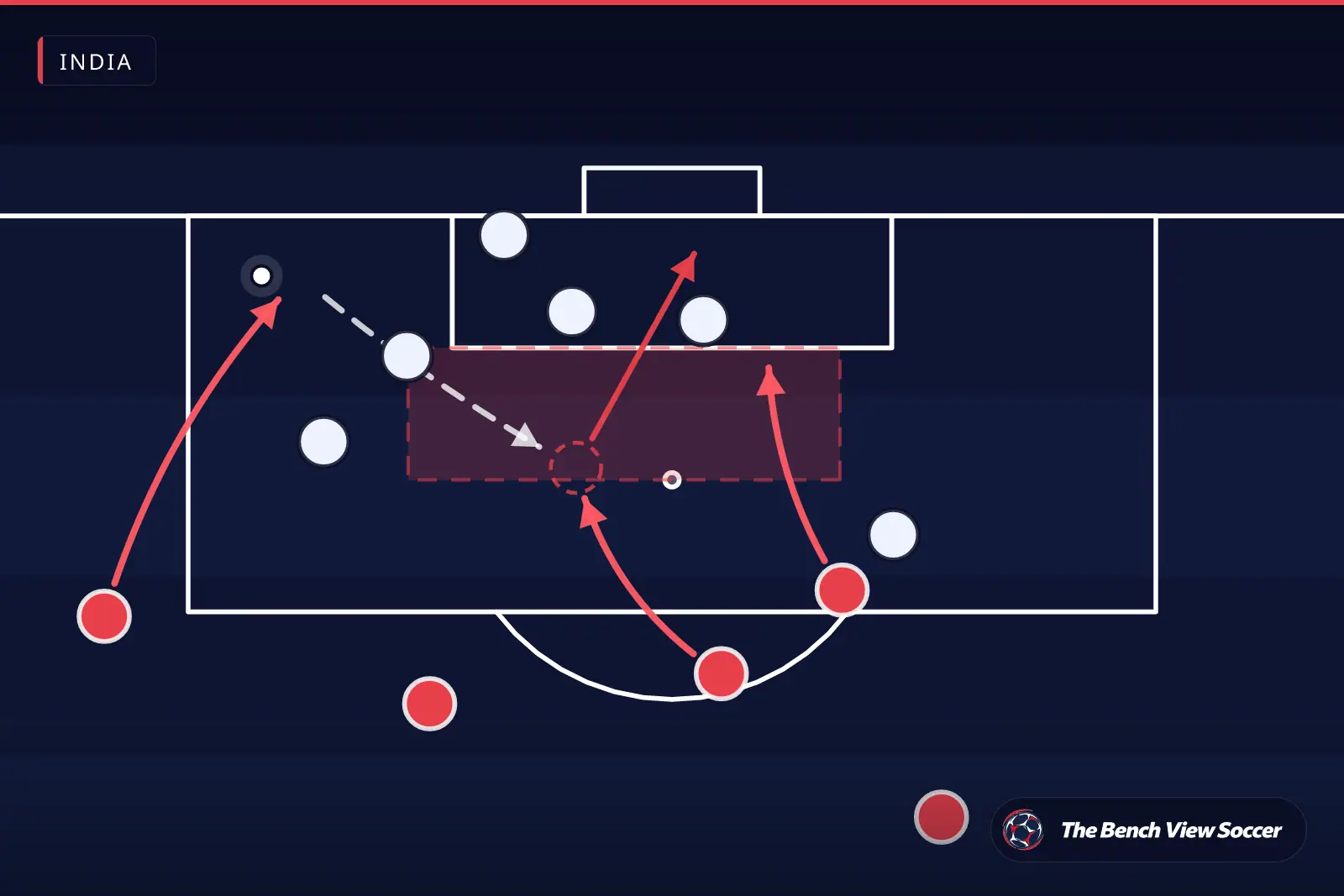
Sunil Chhetri is the textbook case of spatial awareness and composure. He times runs to split centre-backs and finishes with minimal excess motion — ideal for coaches to dissect during training. Bengaluru FC’s attacking patterns show purposeful third-man runs and quick cutbacks into the six-yard box; reproduce these with 3v2 finishing drills focusing on timing.
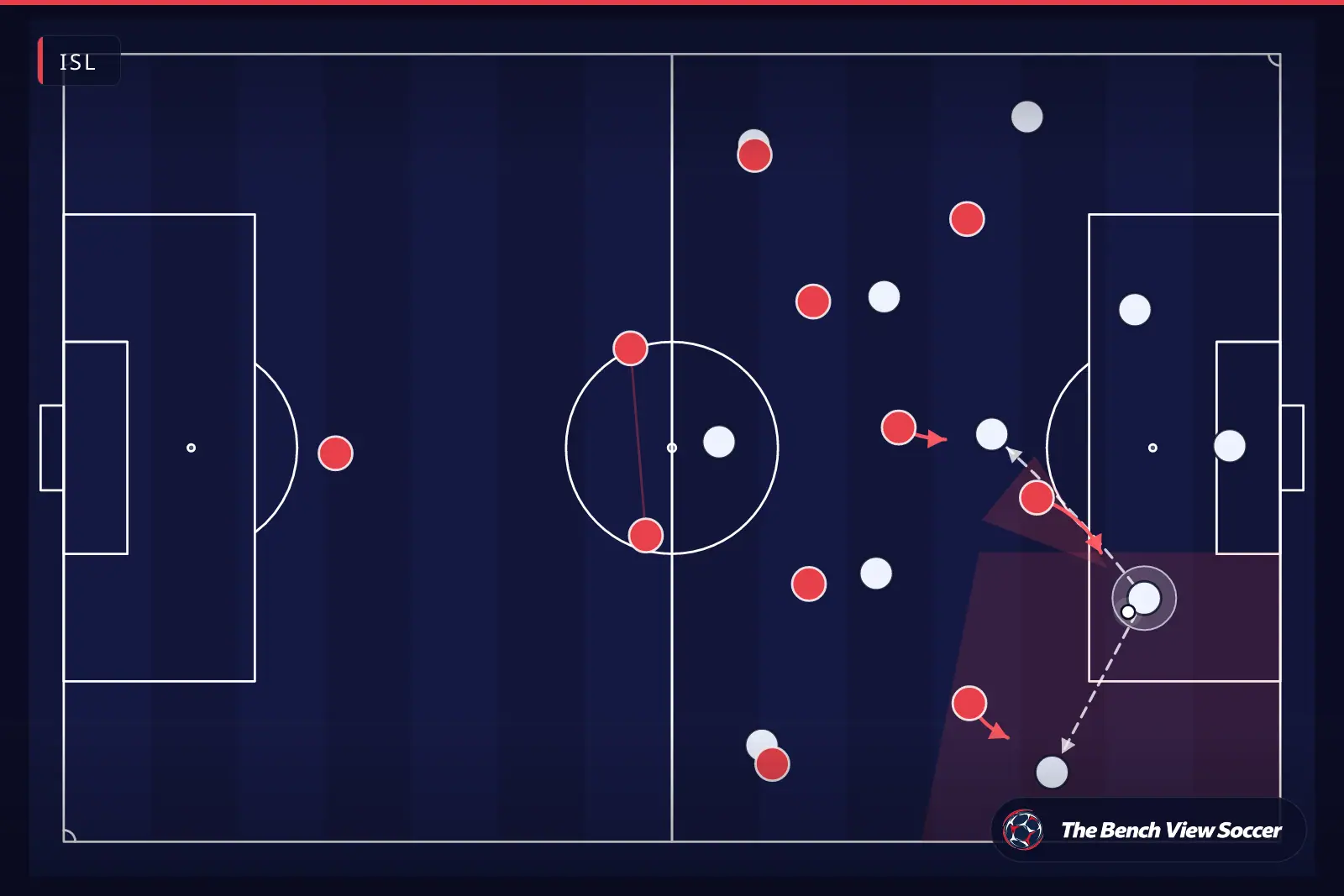
Mumbai City FC under tactical coaches have emphasised mixed finishing templates — diagonal runs, pull-backs and late-arriving midfielders. Kerala Blasters exploit wide overloads to create low-driven cross opportunities requiring sharp first-time finishes. Analyse match clips from ISL, pause at the moment of the pass, and recreate the delivery in a drill to teach the exact body shape required to score.
Best tips to improve finishing?
- Practice both feet: dedicate 30% of finishing time to the weaker foot to increase unpredictability.
- Prioritise quality over quantity: 200 high-intensity, coached repetitions beat 1,000 sloppy strikes.
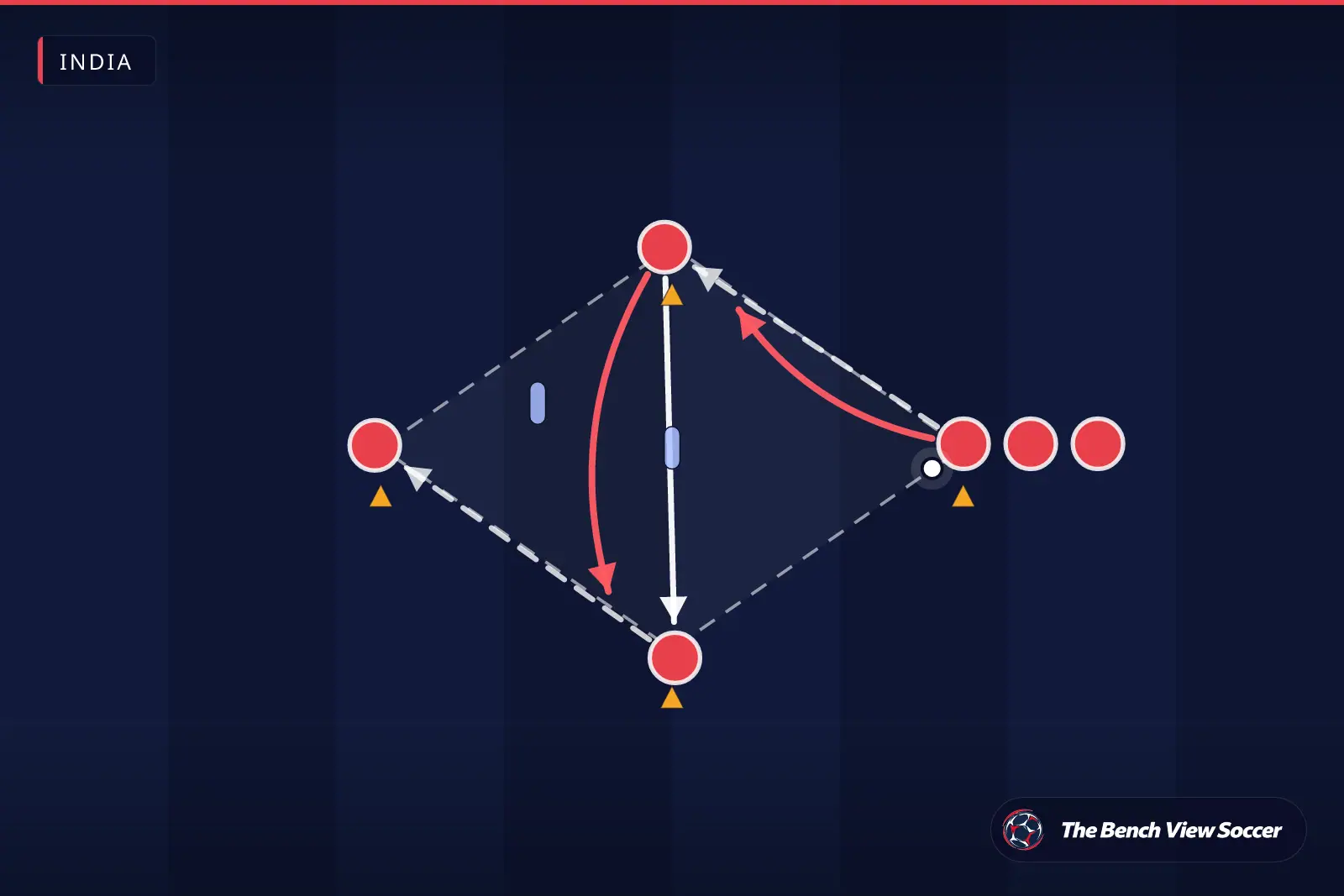
- Use progressive constraints: start static finishes, add a passive defender, then an active defender and goalkeeper.
- Include goalkeeper coaching: work with your keeper to develop realistic saves and rebounds for better transfer to games.
- Track metrics: conversion rate, shots per 90, shot placement zones and body-angle consistency to inform session design.
What mistakes to avoid when improving finishing?
- Ignoring decision-making: technical reps without situational context produce poor game transfer.
- Overemphasising power: many goals are scored by placement; teach low, accurate shots as well as power strikes.
- Neglecting recovery and load management: too much high-intensity finishing leads to fatigue and loss of technique.
- Isolated practice only: avoid drills that never include crosses, defenders or goalkeepers — finishing is an interactional skill.
Frequently Asked Questions
How long does it take to improve finishing?
Improvement times vary; with focused, coach-led sessions three times per week, measurable gains in conversion and technique can appear within 8–12 weeks. Consistency, quality of reps and match-scenario training speed up progress.
Can youth players train the same drills as pros?
Youth players can use professional drills but scaled to their physical and cognitive stage. Reduce intensity, simplify decision-making and increase repetitions. Progress complexity as technique stabilises and game understanding improves.
Which drills are most effective for one-touch finishing?
Use rebounder-only circuits, two-step overlap crosses for low-driven one-touches, and 3v2 transitional games that force first-time choices. Add a goalkeeper and restrict the touch count to one to simulate match pressure.
How important is video analysis for finishing?
Video analysis is critical. Slow motion and frame-by-frame review reveal foot contact, hips and head position. Combine video with xG maps to identify which shot types to prioritise and which to avoid.
Start our free courses on The Bench View Soccer.
Train Your Technical Skills
Dribbling, control, and beyond — step by step
Start free on The Bench View Soccer →