counter-attack tactics football Nigeria
In Nigeria we see raw pace, technical skill and explosive crowd energy. Counter-attack tactics football Nigeria are built to exploit these strengths: quick vertical passes, intelligent runs, and fearless finishing. From street football to NPFL stadiums, the best counters come when players trust speed over possession.
Whether you play for a youth academy, Enyimba FC, Rangers FC, or follow the Super Eagles at AFCON, this guide gives practical, coach-backed steps you can train. Read on for definitions, a five-step plan, NPFL examples, top tips and common mistakes to avoid.
What is counter-attack tactics in football?
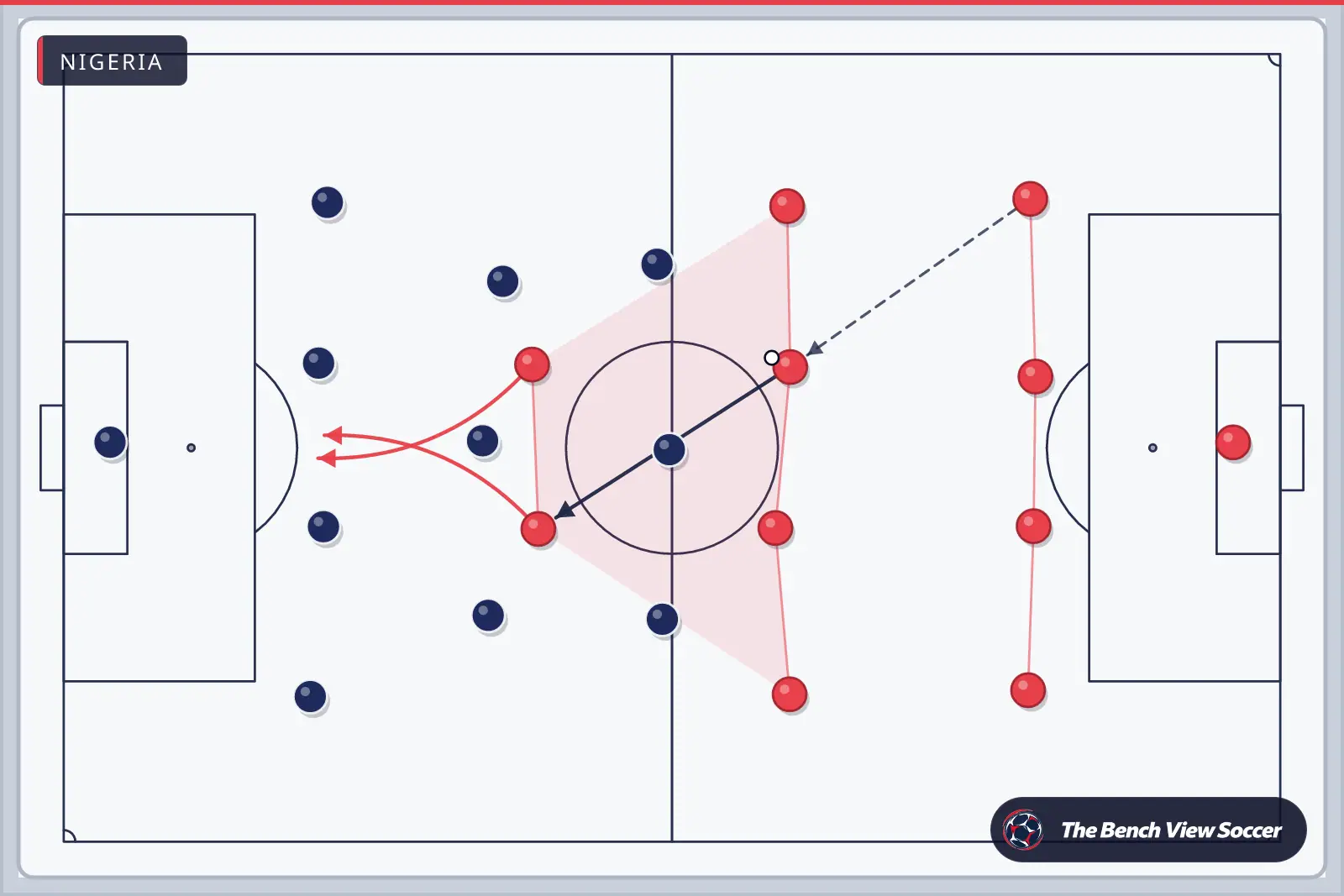
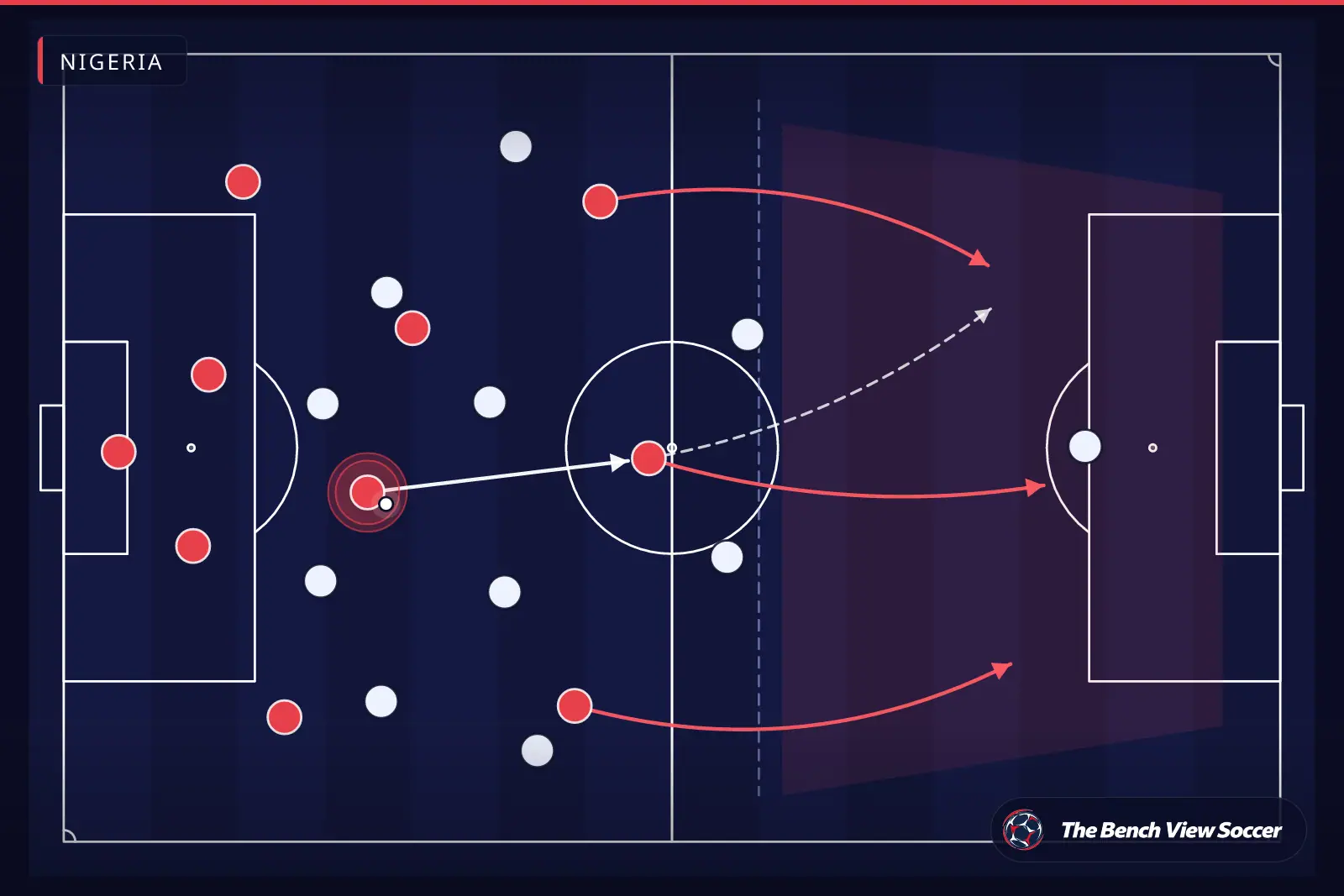
Counter-attack tactics are a planned approach to turn defence into attack immediately after winning the ball. In Nigeria this means absorbing pressure with compact defending, then releasing rapid, forward-directed passes to fast attackers who exploit space behind an opponent’s high line. Timing, verticality and decisions under pressure are essential.
How to counter-attack?
- Recover and organise: After a turnover, defenders and midfielders must quickly form a compact shape that denies easy passes and funnels play to wide areas or direct channels.
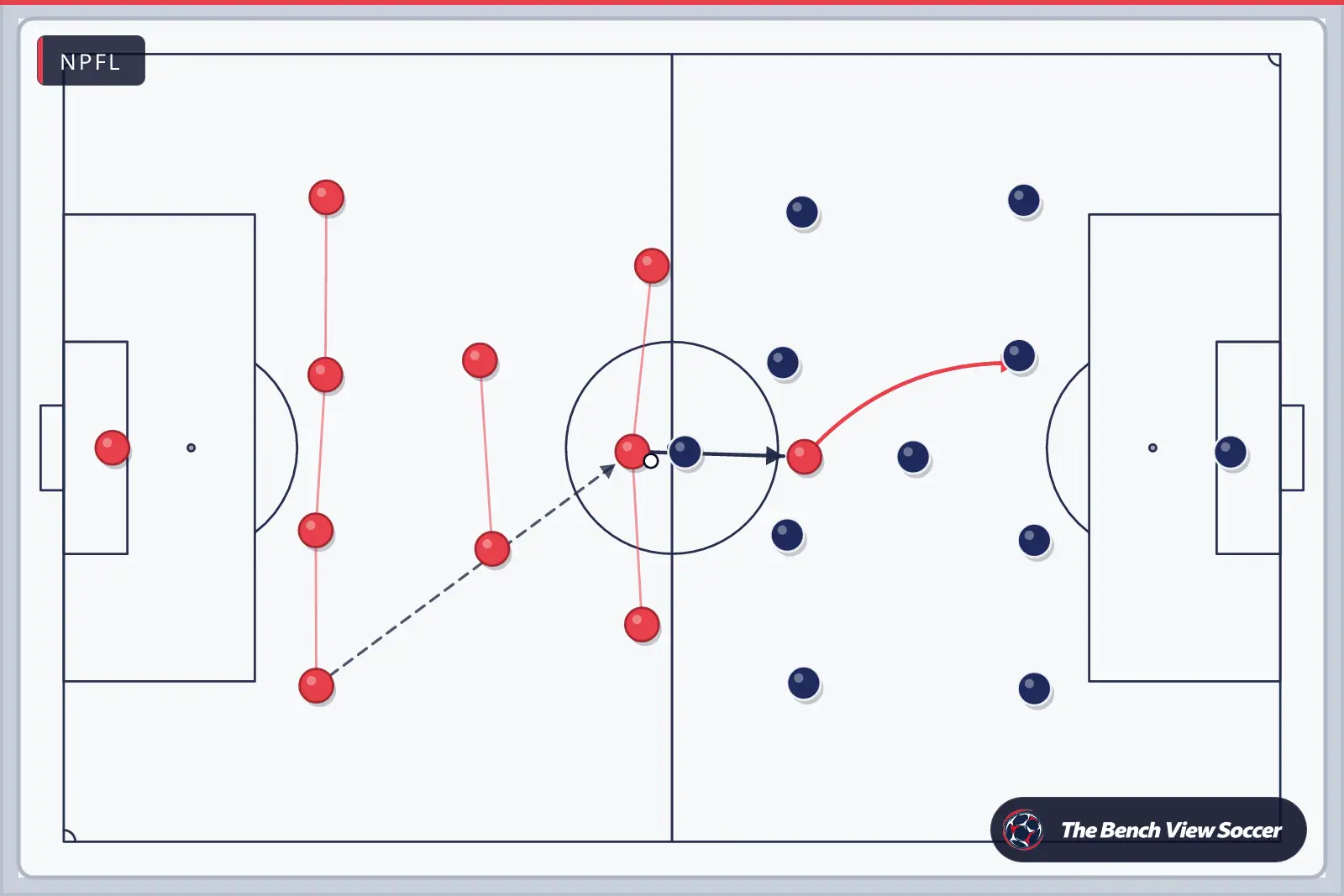
- Trigger the break: The defensive midfielder or centre-back must identify the first forward pass — a diagonal or long ball — and play it cleanly to a runner. Decision speed beats perfect accuracy early on.
- Exploit the channels: Wingers and wing-backs time their runs into half-spaces and beyond full-backs. Overloads on one side create 1v1s or cut-back opportunities for strikers arriving late.
- Support and sustain: Midfield runners must follow the play to recycle second balls or pick out cut-backs. This maintains momentum so the attack doesn't stall after the first shot or pass.
- Finish with conviction: Attackers must be decisive — shoot early, use the first touch to turn defenders, and make runs that force defenders to choose. Clinical finishing makes the tactic profitable.
What are real examples from NPFL?
Enyimba FC frequently use swift counters in CAF Champions League ties: they absorb pressure, invite opponents forward, and then release speedy wingers with long diagonals. Rangers FC employ direct outlet passes from the holding midfielder to a target striker who lays off for late-arriving midfielders. In NPFL derbies, teams often win by breaking quickly after set-piece turnovers — quick restarts and pre-planned outlet passes are common.
At the Super Eagles level, coaches have leaned on counter-attack tactics football Nigeria during AFCON to punish opponents who commit numbers forward. The combination of pacey wide men and midfielders who arrive late in the box mirrors successful NPFL patterns on the continental stage.
What are the best tips to counter-attack?
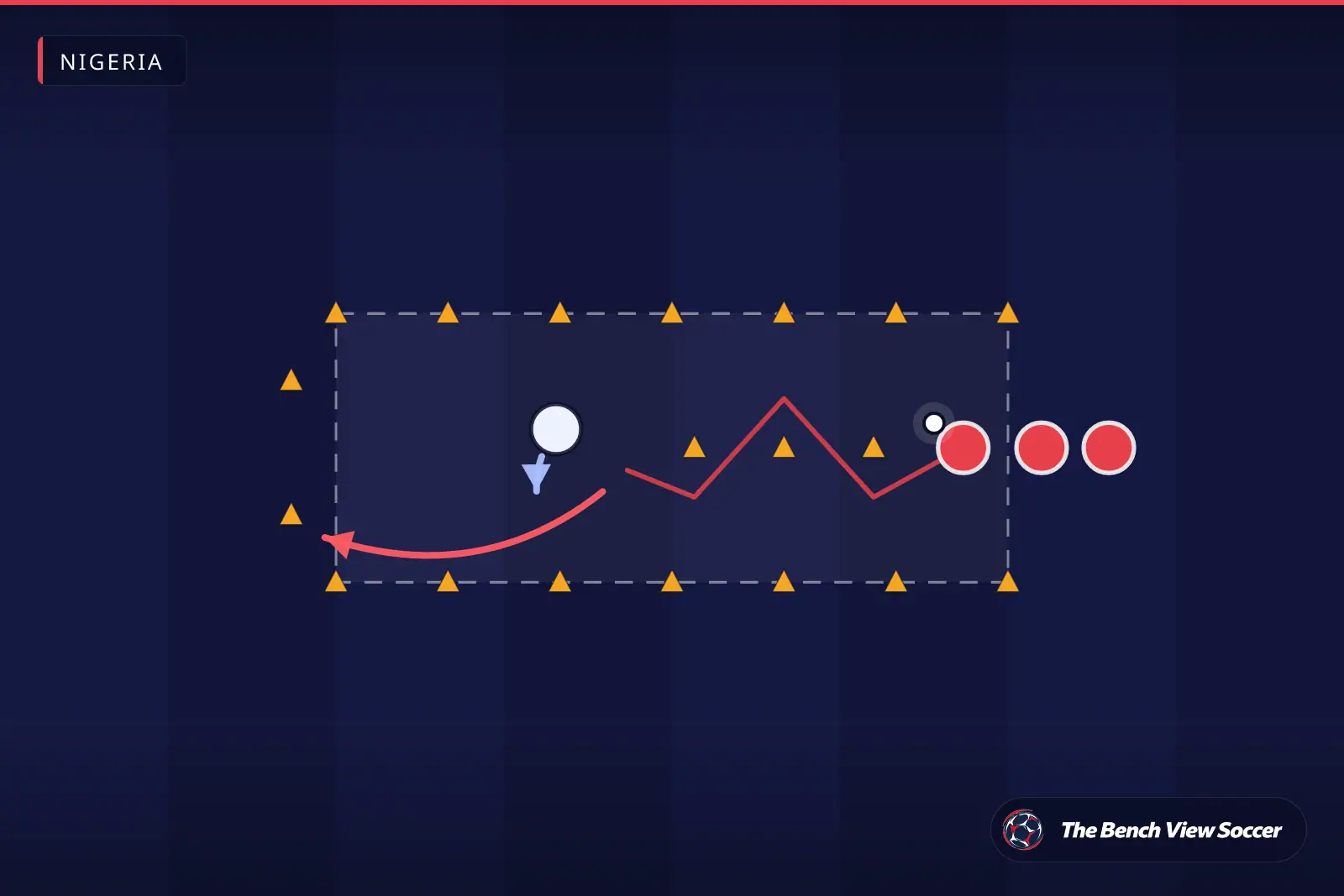
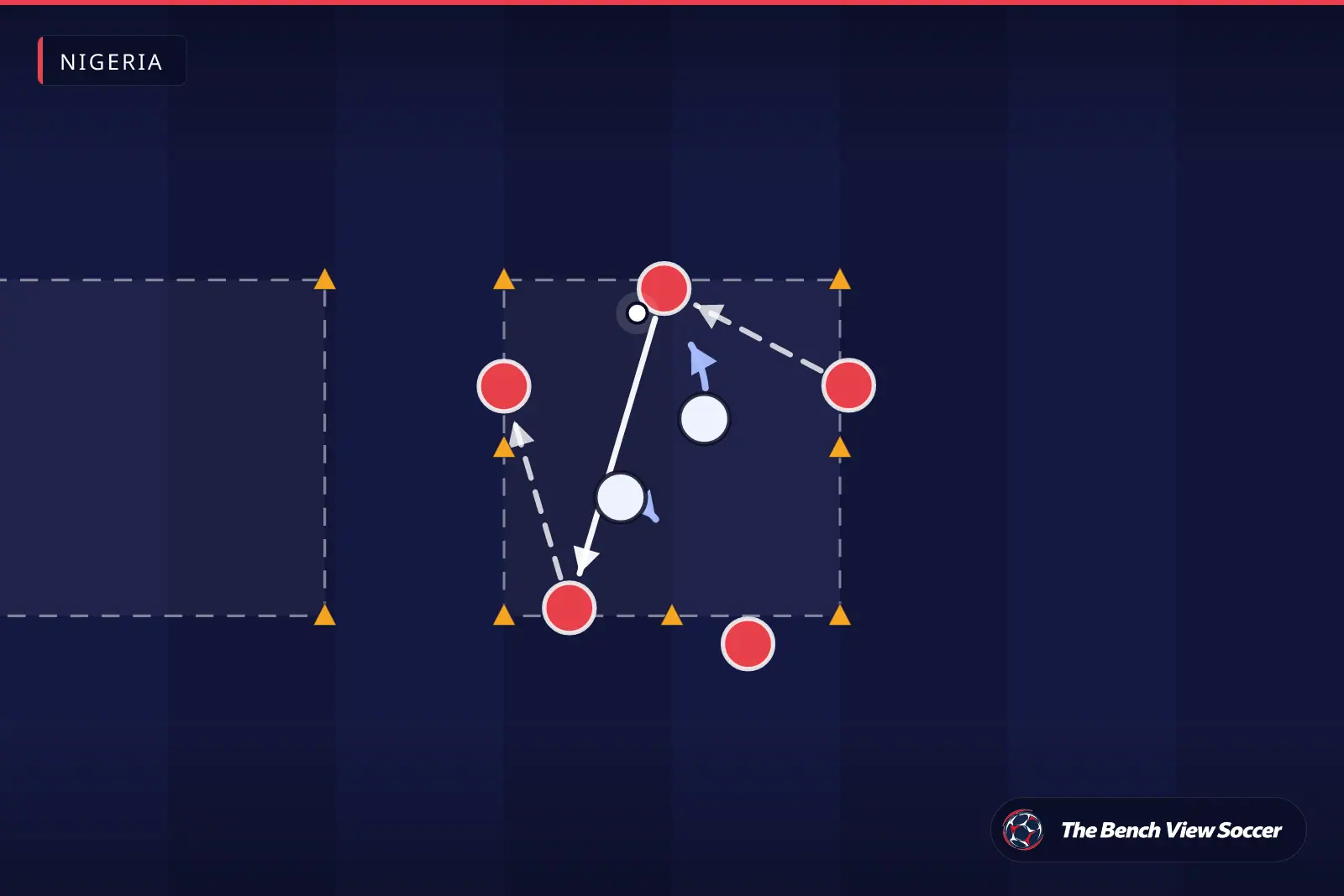
- Train quick transition drills: Practise 5v3 and 3v2 exit scenarios to build instinctive forward passing and decisive finishing.
- Develop trigger passes: Work on diagonal and long-ball accuracy to hit runners in stride and bypass pressing lines.
- Condition for speed: Sprint endurance and recovery are crucial — counters demand repeated high-intensity bursts in matches like NPFL fixtures.
- Communicate clearly: Use shorthand cues (e.g., "left", "turn") so teammates know when to release or run without breaking tempo.
- Study opponents: Identify teams that leave gaps when attacking — those are prime counter-attack targets in domestic and CAF matches.
- Practice set-piece transitions: A corner that is cleared can become an immediate counter; rehearse quick restarts and outlet passes.
What mistakes to avoid?
- Waiting too long: Hesitation kills momentum. If you win the ball, act in one or two touches to open space.
- Poor supporting runs: If attackers don’t provide passing options, long balls become aimless. Always have at least two passing lanes available.
- Over-committing defenders: Pushing too many players forward risks exposure. Keep a balance so you can recover if the counter fails.
- Predictable patterns: Always vary your outlet (left, right, direct) — NPFL opponents quickly adapt to repetitive moves.
Frequently Asked Questions?
Q: Is counter-attacking suitable for youth teams in Nigeria?
A: Yes. Youth teams develop decision-making and transition speed through counter-attack drills. Focus on basic shape, outlet passing and finishing. Controlled exposure to counters builds tactical awareness without sacrificing development of ball skills.
Q: Which player types are best for counter-attack tactics football Nigeria?
A: Fast wingers, a mobile target forward, and an intelligent holding midfielder who can pick forward passes suit this style. Nigerian teams with pacey wide talent and strong single-defensive midfielders excel at these tactics.
Q: How often should NPFL clubs practice counters?
A: Integrate counter-attack training 2–3 times per week in tactical sessions, with one high-intensity drill focusing on repeated transitions. Matchday rehearsals (set-piece turnovers) are useful for sharpening timing.
Q: Can counter-attacking win continental matches like CAF Champions League?
A: Absolutely. Enyimba and other NPFL clubs have used counter-attack tactics football Nigeria successfully in CAF ties by combining discipline, pace and clinical finishing. It’s especially effective against teams that dominate possession but leave space behind their defence.
Start our free courses on The Bench View Soccer.