explosive speed training for footballers Nigeria
Nigeria produces world-class pace — from Super Eagles breakaways to explosive wingers lighting up the NPFL. To convert natural quickness into match-winning acceleration you need structured, science-driven coaching that fits the Nigerian calendar, stadium conditions and club resources from Enyimba FC to Rangers FC.
This advanced guide gives coach-level analysis: periodisation, force-vector programming, elite drills, measurement protocols and real NPFL examples. If you are a coach or senior player seeking elite outcomes, this article maps the exact progression to raise 10m–30m speed and on-ball explosiveness.
What is explosive speed training for footballers Nigeria?
Explosive speed training for footballers Nigeria is a sport-specific programme focused on short-distance acceleration, rapid force production and high-rate-of-force development under football constraints. It blends sprint mechanics, concentric and eccentric strength, plyometrics, resisted/assisted sprinting and tactical transfer to ensure gains express in NPFL, CAF Champions League and AFCON contexts.
How to build explosive speed for footballers in Nigeria?
- Assess and test: Baseline 5m, 10m and 30m sprints, COD (505) and eccentric hamstring strength. Use simple timing gates or validated smartphone apps. Repeat every 4–6 weeks.
- Phase 1 — Strength foundation (4–6 weeks): Focus on bilateral and unilateral strength: back squat, Romanian deadlift, split squats, hip thrusts. Emphasise eccentric control and tempo (3–0–1). Low-rep heavy sets (3–6 reps) twice weekly.
- Phase 2 — Power and RFD (3–5 weeks): Introduce Olympic derivatives (power clean variations if qualified), trap bar jump squats, loaded jump squats and heavy-to-fast contrast sets (e.g., 2 heavy squats then 3 explosive jumps). Prioritise intent and velocity.
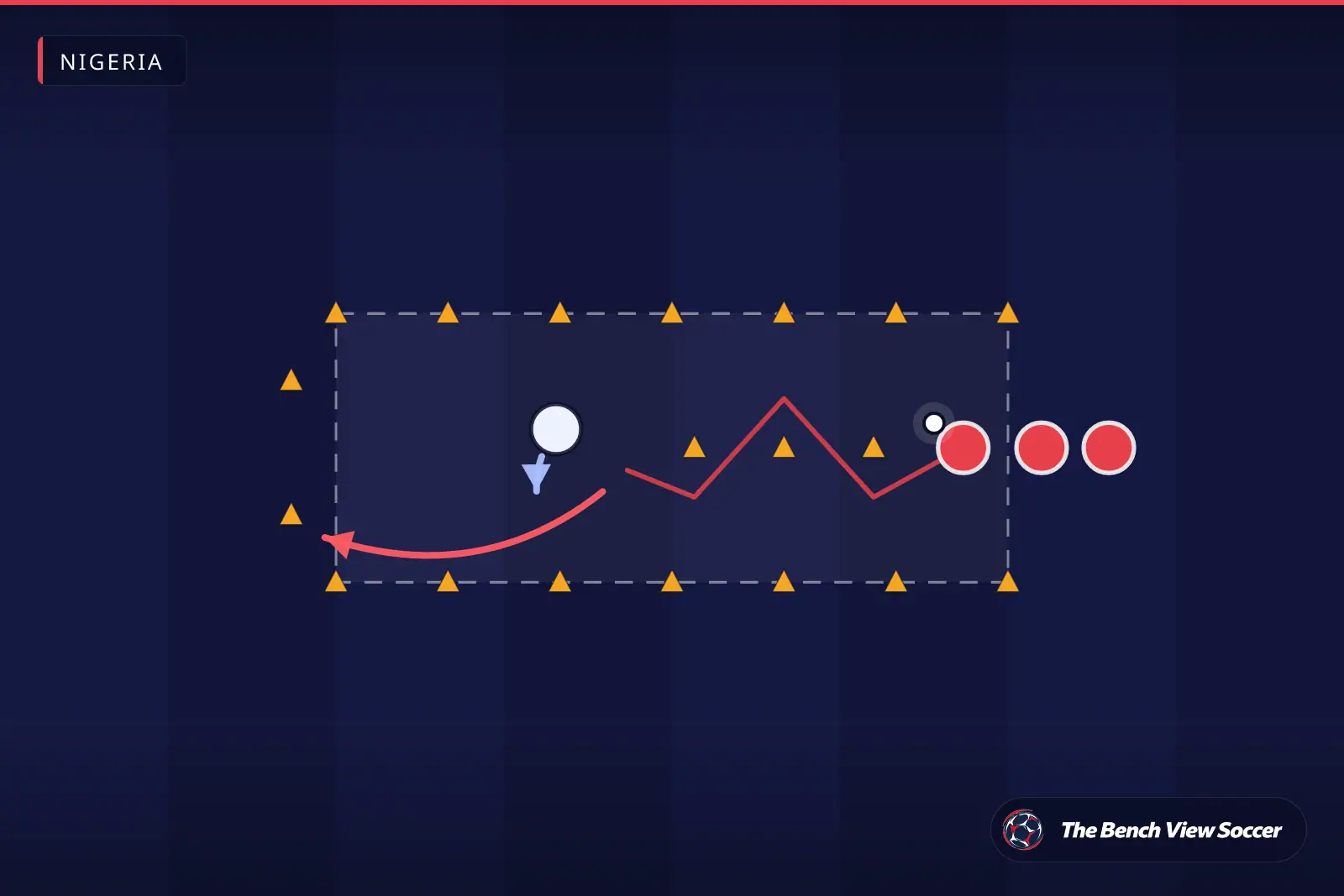
- Phase 3 — Speed mechanics and specificity (3–6 weeks): High-quality short sprints (10–30m), sled accelerations (light to moderate load), resisted uphill sprints and fly sprints for top-end. Integrate technical drills: A-skips, B-skips, sprint-specific arm action and posture drills.
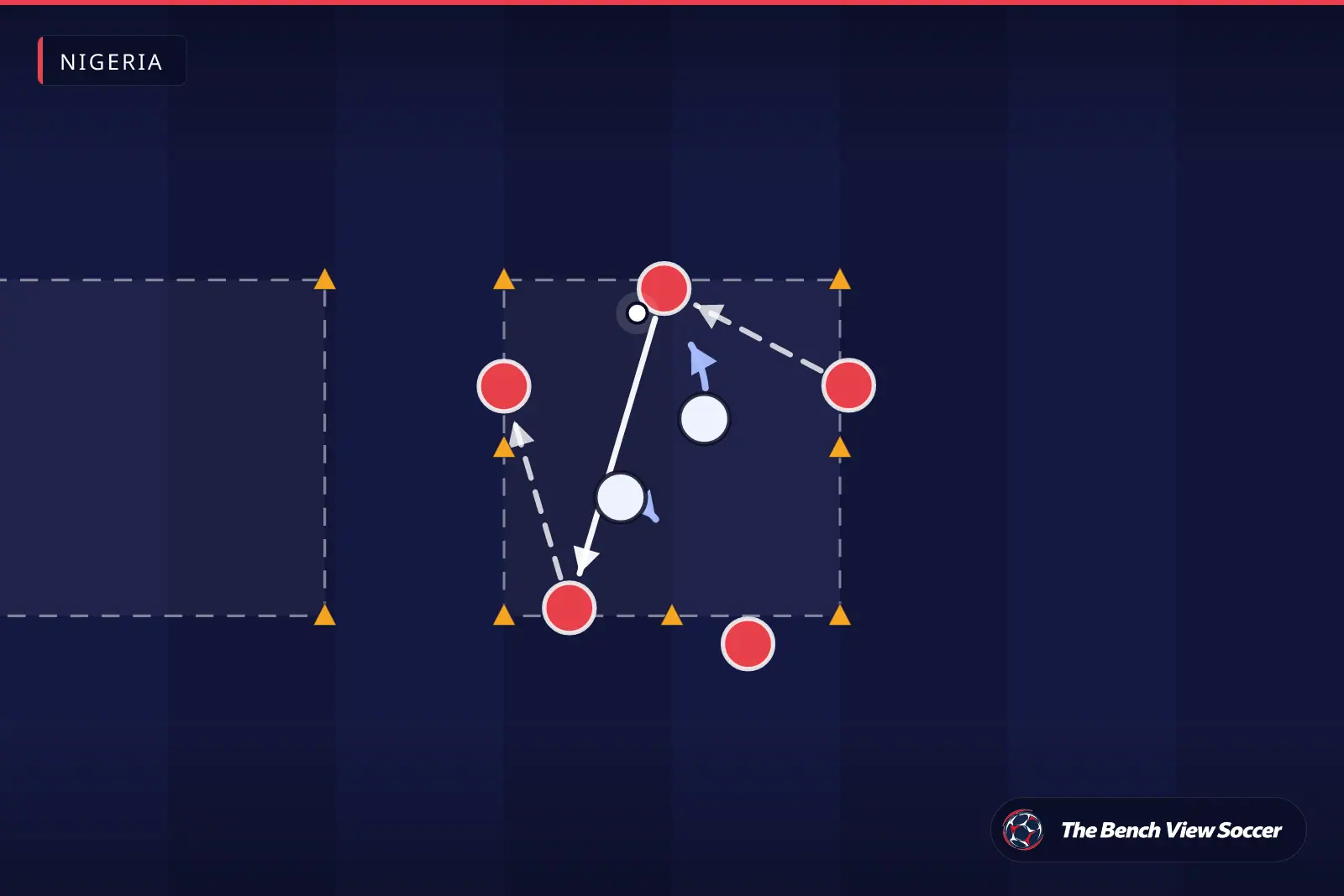
- Phase 4 — Transfer and in-game application: Add football-specific drills under fatigue: 10–20m repeated accelerations inside possession circuits, 1v1 sprint exits, finishing drills after sprint sets. Taper and test before key NPFL or CAF matches.
What are real examples from NPFL?
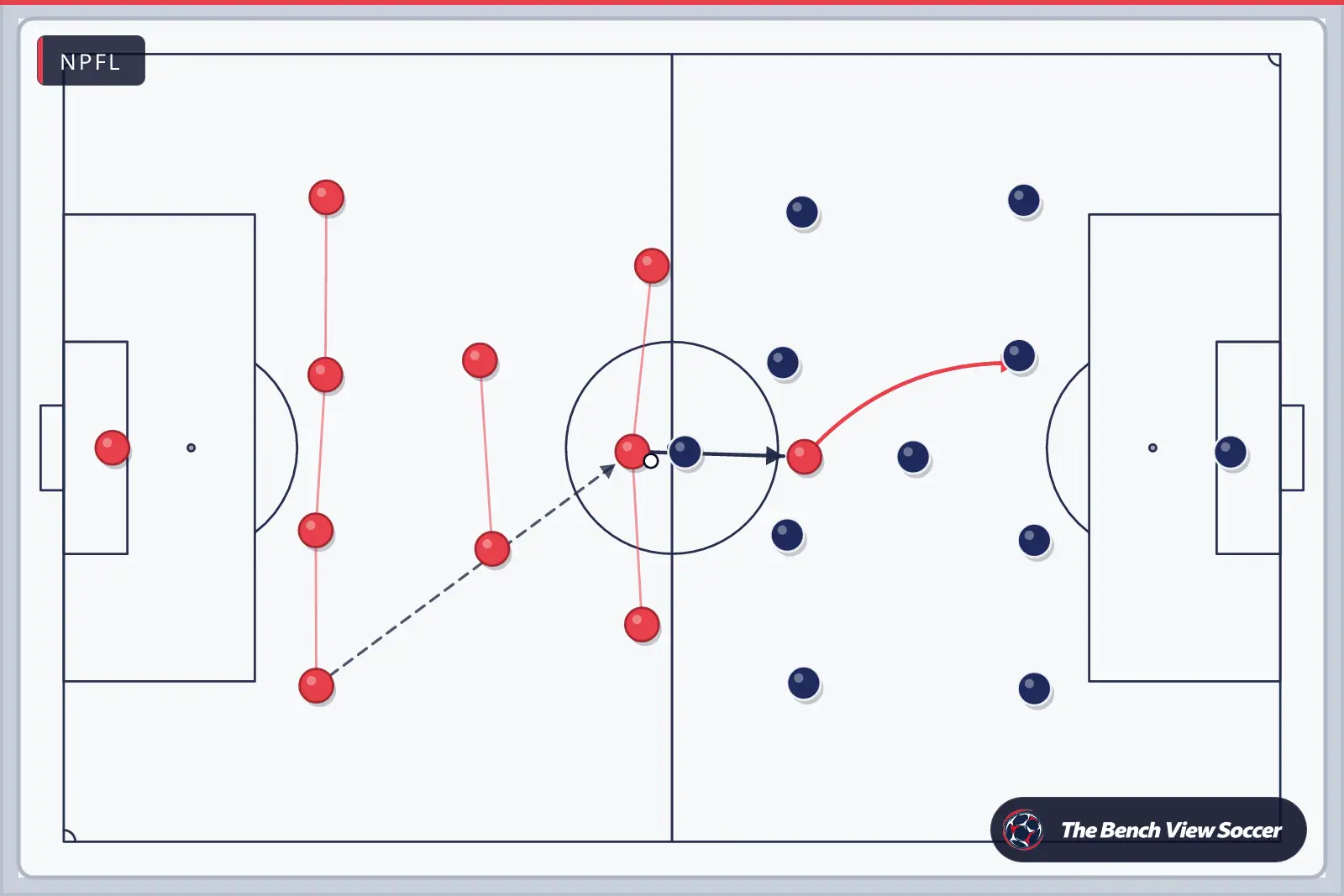
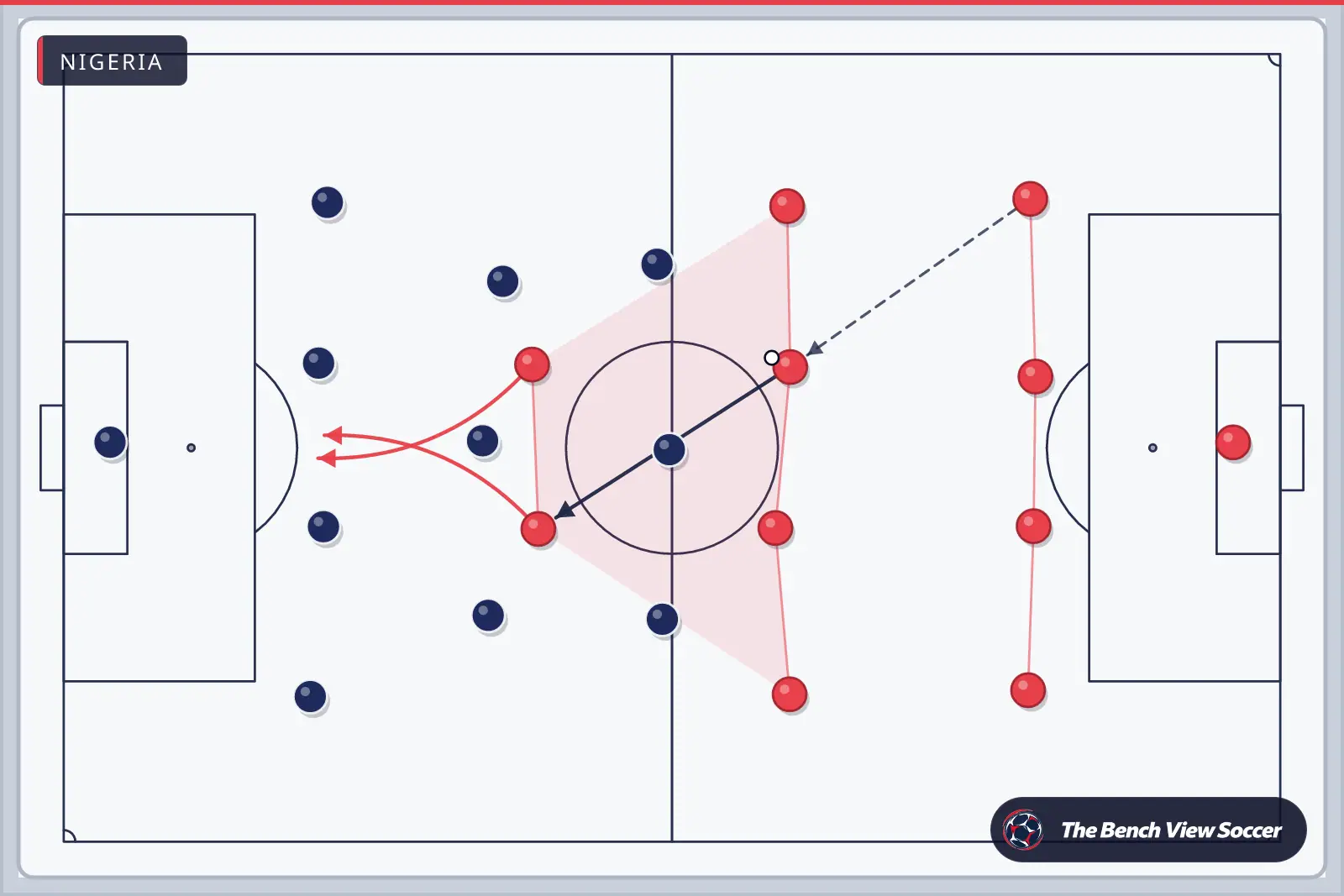
Enyimba FC applied contrast training and short-sprint repeats in pre-CAF preparation, emphasising 10m acceleration for wing-backs in transition. Rangers FC conditioning coaches use repeated 6–12s sprint bouts between tactical sets to simulate counter attacks. Many Super Eagles players develop explosiveness through early-season strength blocks in Abuja and Lagos before joining European clubs.
At NPFL level, limited GPS can be offset with consistent timing tests and coach-observed sprint quality. Coaches who prioritise intent, load management and transfer tasks report faster match-speed recovery and more successful counters in CAF Champions League fixtures.
Best tips to improve explosive speed?
- Prioritise quality over quantity: limit max-speed sprints to fully fresh reps (6–12 quality reps/week).
- Use unilateral work (single-leg RDLs, Bulgarian splits) to fix asymmetries common from uneven pitches and chronic injuries.
- Integrate contrast training: heavy strength set + ballistic movement enhances rate of force development.
- Measure progress with short sprint splits (5m/10m/30m) and a consistent testing schedule every 4–6 weeks.
- Contextualise drills: practice explosive actions within tactical scenarios (quick counters, pressing triggers).
- Recovery matters: sleep, nutrition, and active recovery keep neuromuscular readiness high for high-intent sessions.
What mistakes should you avoid?
- Neglecting strength work — speed without force production stalls progress; raw sprinting alone won’t build RFD.
- Overloading volume — high-volume sprinting on poor pitches increases injury risk; quality sprints only when fully recovered.
- Ignoring unilateral deficits — asymmetries lead to inefficient drive phases and hamstring injuries, especially on uneven NPFL grounds.
- Skipping specificity — drills must transfer to football tasks: practise sprints with ball control and decision-making under fatigue.
Frequently Asked Questions?
How often should NPFL players train explosive speed?
Elite NPFL players should include 2 dedicated speed sessions weekly during pre-season and 1 session per week in-season, combined with maintenance strength work. Adjust around match schedule and travel for CAF fixtures to prevent overload.
Related Resources
Can plyometrics replace strength training?
No. Plyometrics improves neuromuscular power and rate of force development but should complement heavy strength training. Strength builds the force ceiling; plyometrics and speed work raise how quickly you apply that force.
What equipment is essential in Nigeria?
Essential kit: timing gates or validated smartphone apps, sleds or resistance bands, cones, medicine balls and access to a squat rack. Clubs like Enyimba and Rangers often use creative field solutions to approximate elite tools.
How do I reduce hamstring injury risk during speed training?
Emphasise eccentric hamstring strength (Nordic lowers, RDLs), progressive sprint volumes, thorough warm-up routines and limit high-speed repetitions when fatigued. Regular screening and load monitoring reduce risk across congested NPFL calendars.
Start our free courses on The Bench View Soccer.