football mental toughness training Nigeria
Nigeria breathes football. From street pitches in Lagos to packed Aba stands when Enyimba FC host a CAF Champions League tie, mental strength makes the difference between a promising talent and a match-winner. Young players and NPFL pros need targeted, culturally smart methods to build resilience.
This guide gives clear, practical steps for football mental toughness training Nigeria, mixing beginner-accessible drills with deeper coach-level strategies. Whether you’re aiming for the NPFL, Super Eagles selection or AFCON form, apply these methods on and off the field.
What is football mental toughness training?
Football mental toughness training is a structured program of cognitive and emotional exercises that improves focus, stress control, confidence, and recovery from setbacks. It uses visualization, pressure simulations, controlled routines and reflection to prepare players for intense NPFL matches and continental competitions like the CAF Champions League.
How to build football mental toughness in Nigeria?
- Start with a baseline assessment. Record match reactions, pressure points and decision errors. Coaches should note when players panic: after conceded goals, missed chances, or refereeing decisions common in NPFL fixtures.
- Daily mental warm-ups (10 minutes). Use focused breathing, quick visualization of successful plays and a one-sentence performance cue (e.g., “watch the ball, relax body”) before training and matches.
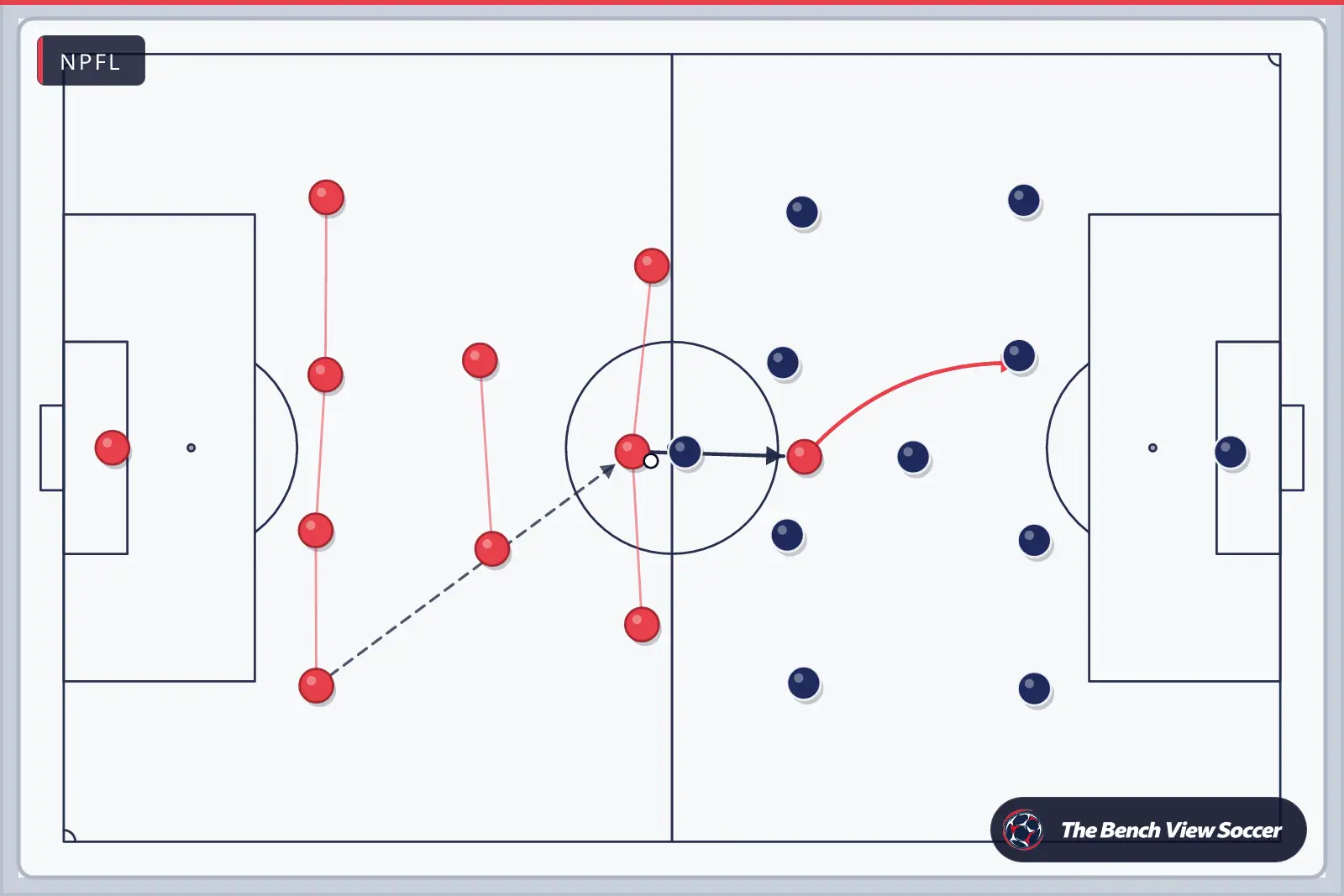
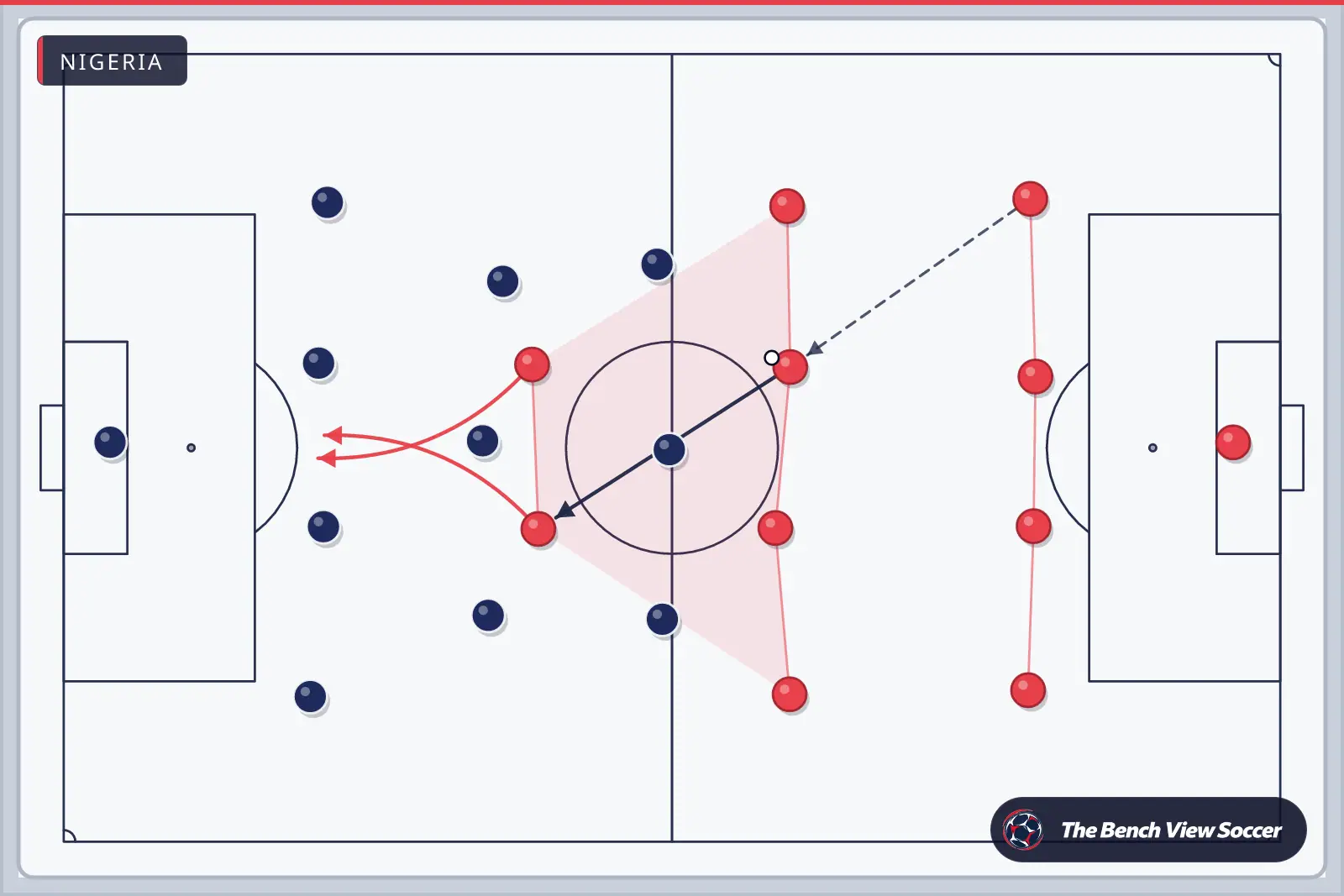
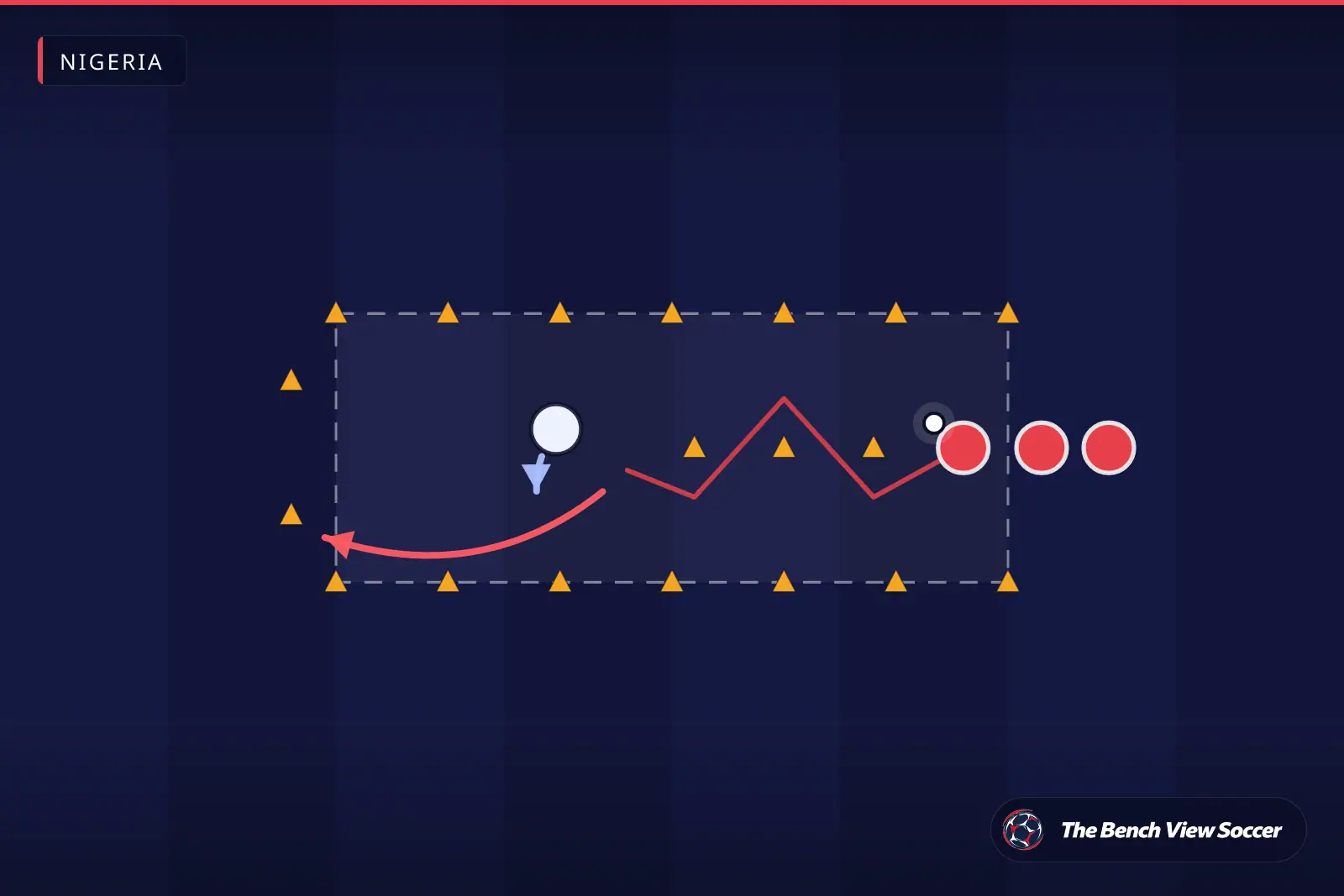
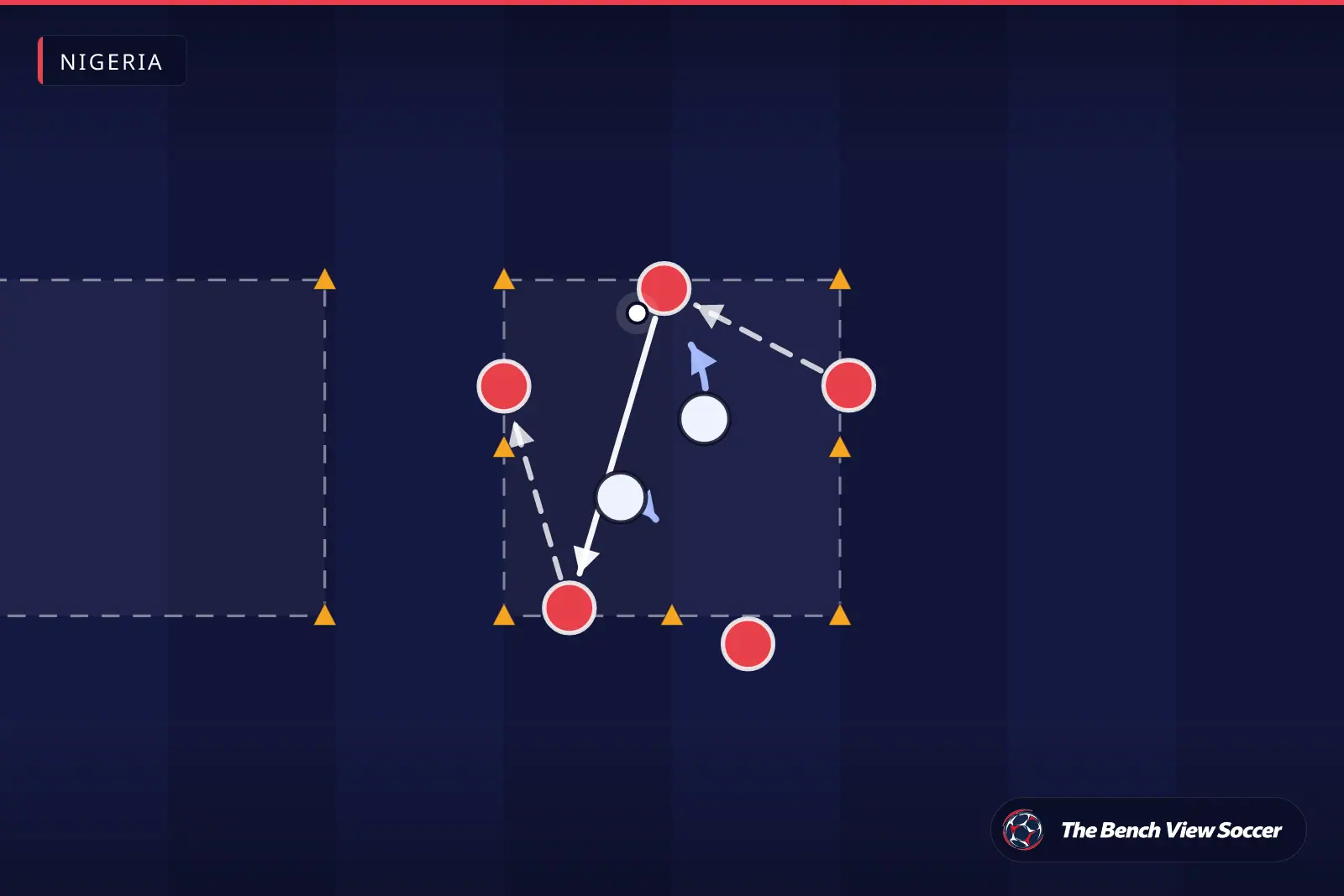
- Pressure simulation drills. Create noisy, time-pressured scenarios—small-sided games with crowd sound, countdowns for finishing drills, or penalty sequences after physical fatigue.
- Debrief and reflection routine. After training or matches, record two wins and one learning point. Use a simple notebook for habit tracking and coach feedback tied to concrete improvement goals.
- Integrate resilience habits off-field. Sleep routines, nutrition, and social support—family and team culture—help Nigerian players recover mentally. Pair younger talents with experienced NPFL stars for mentorship.
Real examples from NPFL?
Enyimba FC’s continental runs show disciplined mental preparation: consistent pre-match routines and veteran leadership calm younger players in high-stakes CAF Champions League fixtures. Rangers FC fans create intense atmospheres, so players trained to tune crowd noise out often perform better at home. Super Eagles selections often reward players who manage pressure in AFCON qualifiers and international friendlies.
At club level, coaches in Nigeria who add simple visualization before penalty practice and simulate VAR-less refereeing decisions reduce collapse after controversial calls. These real NPFL adaptations make mental toughness training Nigeria practical, not theory.
Best tips to improve football mental toughness?
- Practice under crowd noise: use speakers or local supporters to recreate match pressure.
- Keep a mental journal: track patterns of anxiety and identify triggers.
- Use short, repeatable cues to reset focus after mistakes.
- Rotate leadership: let players speak in team meetings to build confidence.
- Simulate fatigue scenarios to train decision-making when tired.
Mistakes to avoid?
- Ignoring culture: imported drills that ignore Nigerian match realities (noise, travel, facilities) fail. Adapt exercises to local contexts.
- Overloading mental work: too many new routines confuse players. Start small and build consistency.
- Skipping measurement: without tracking, you can’t see progress. Use simple metrics (errors per 90, successful penalties under pressure).
- Neglecting mentorship: young talents need experienced player role models to transfer coping strategies.
Frequently Asked Questions?
How often should I practice mental toughness?
Short daily sessions (5–15 minutes) give the best returns. Combine focused breathing, visualization and a quick review after training. Add longer weekly workshops for team strategy and simulation training to reinforce concepts.
Related Resources
Can mental training replace physical training?
No. Mental training complements physical work. Improved focus and decision-making raise the value of physical skills. For Nigerian players, combining both leads to better outcomes in NPFL and continental competitions.
Are there tools or apps that help?
Yes—breathing apps, simple audio tracks for crowd noise, and mental skills apps can help. But low-tech solutions like notebooks, team debriefs and mentor sessions are just as effective and more accessible in many Nigerian settings.
How do coaches measure progress?
Use specific, simple metrics: reduced errors after conceded goals, better penalty conversion under pressure, consistent match ratings, and player self-reports. Track these across several matches to see real change.
Start applying these steps now. Build routines that fit Nigerian football realities and lean on club culture—be it Enyimba FC grit or Rangers FC home heat—to create resilient players. Train mental skills like any other football skill: with repetition, feedback and real-game practice.
Start our free courses on The Bench View Soccer.