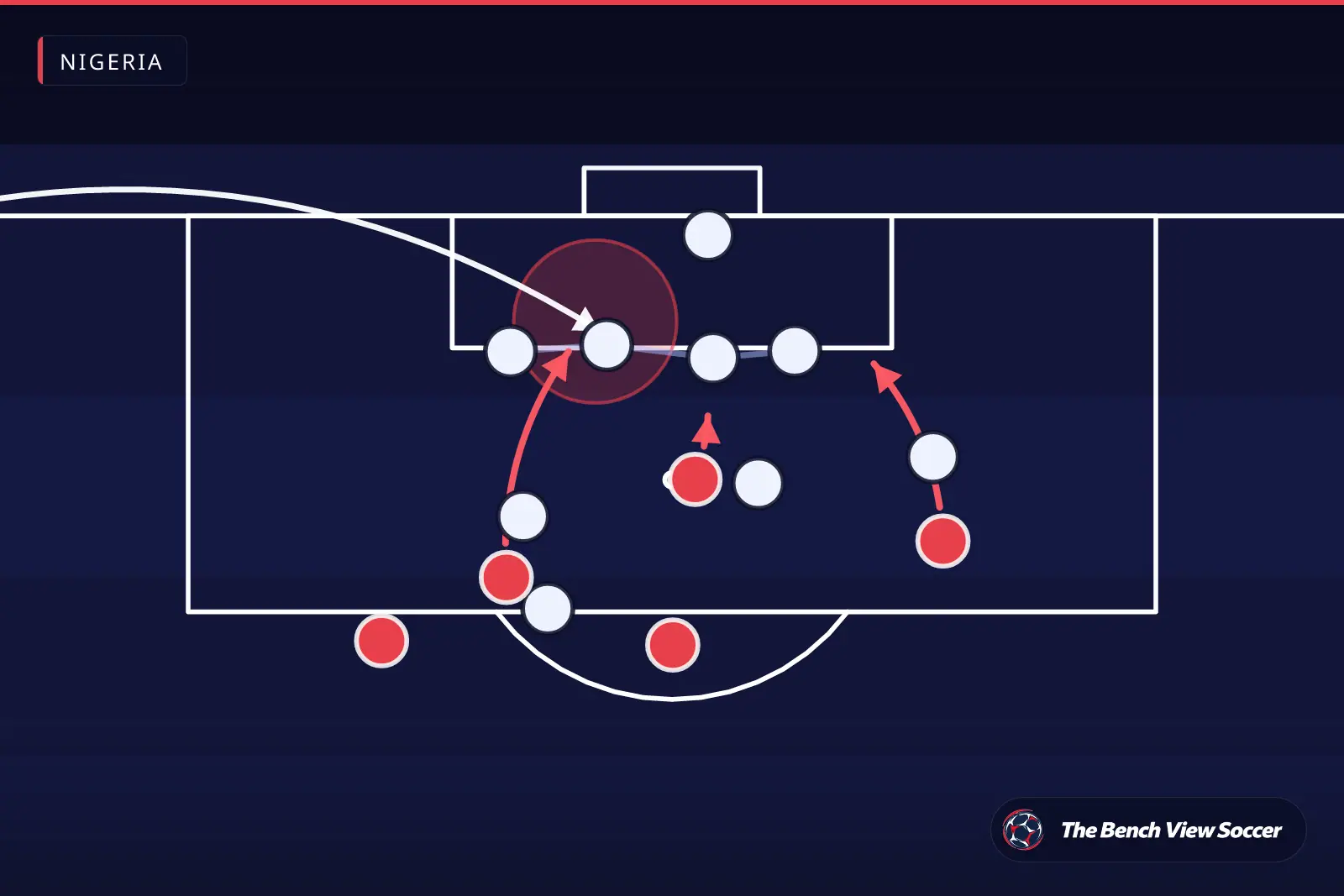
football set piece strategy Nigeria
Nigeria is packed with explosive, technically gifted players and passionate crowds. Whether you coach a local NPFL side or train aspiring Super Eagles stars, a clear football set piece strategy Nigeria will unlock goals and change matches—especially in tight NPFL and CAF Champions League encounters.
This guide gives coaches and motivated players a practical, step-by-step framework that balances simple rehearsed routines with in-game adaptability. You’ll get five action steps, NPFL examples, best tips, common mistakes to avoid, and a short FAQ to apply today.
What is football set piece strategy?
A football set piece strategy is a planned approach to attacking and defending dead-ball situations: corners, direct and indirect free-kicks, throw-ins, and penalties. In Nigeria, it means using your best aerial attackers, technical free-kick takers and quick rehearsed plays to exploit chaotic defending in NPFL, CAF and AFCON matches.
How to develop a football set piece strategy?
- Audit your squad: Identify two primary target types — strong aerial attackers and agile short-pass finishers. Note right-footed/left-footed takers and a reliable goalkeeper communicator.
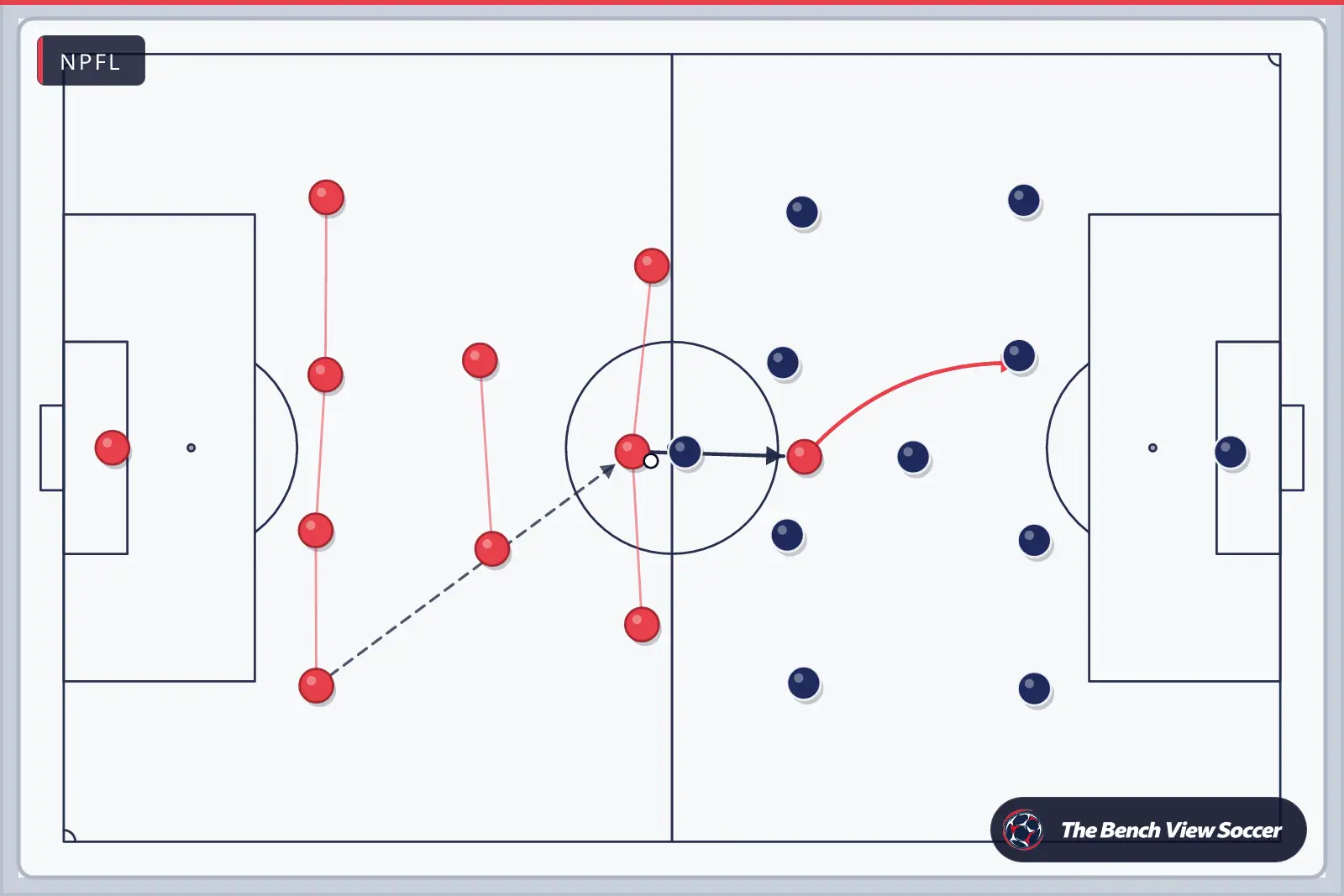
- Create 3 primary routines: One near-post attack, one crowding the goalkeeper and one short corner routine. Keep them simple and rehearsable in training.
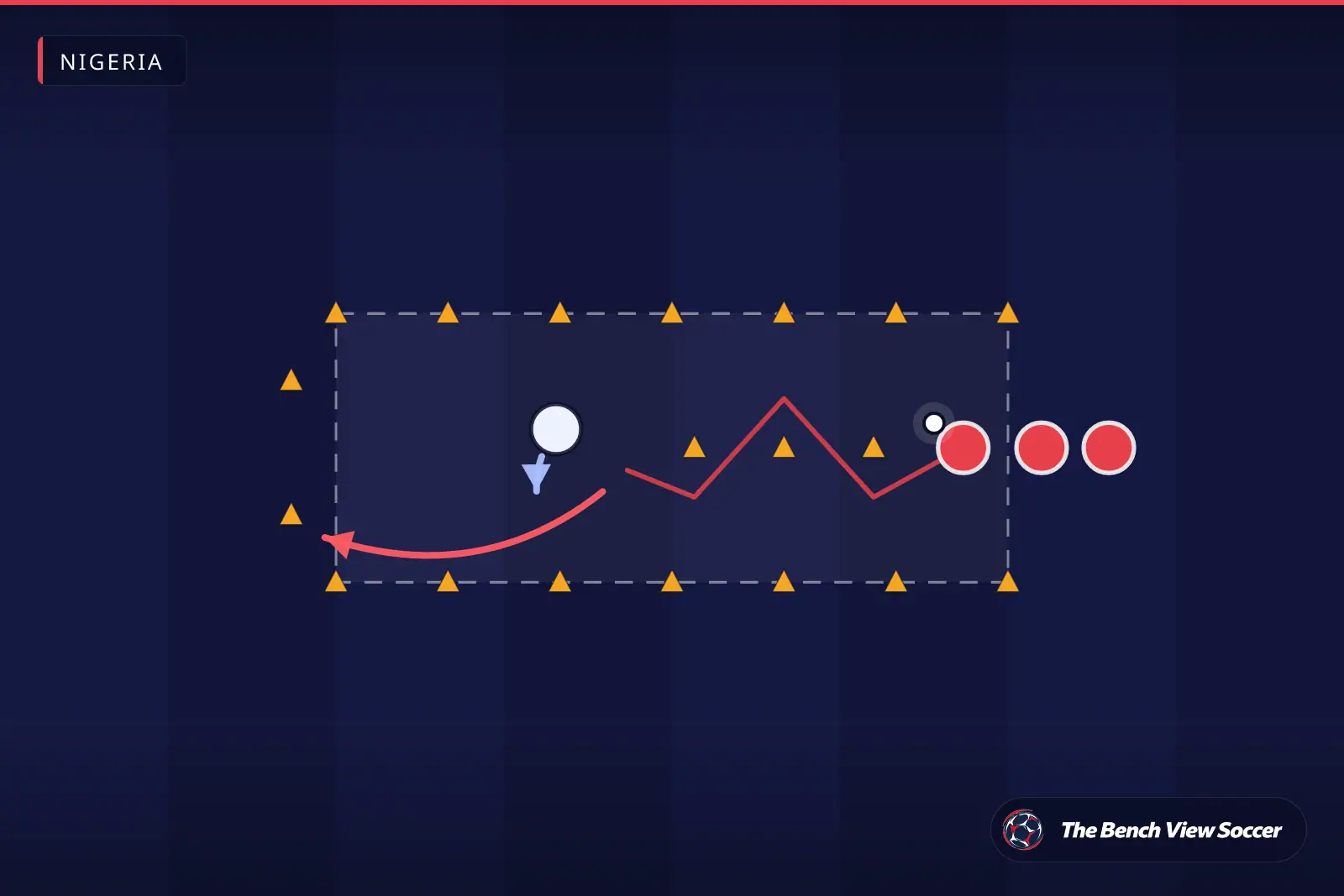
- Practice delivery: Spend 20–30% of set-piece training on the takers’ accuracy and weight of delivery at game speed. Test variations: inswing, outswing, driven balls, and low cut-backs.
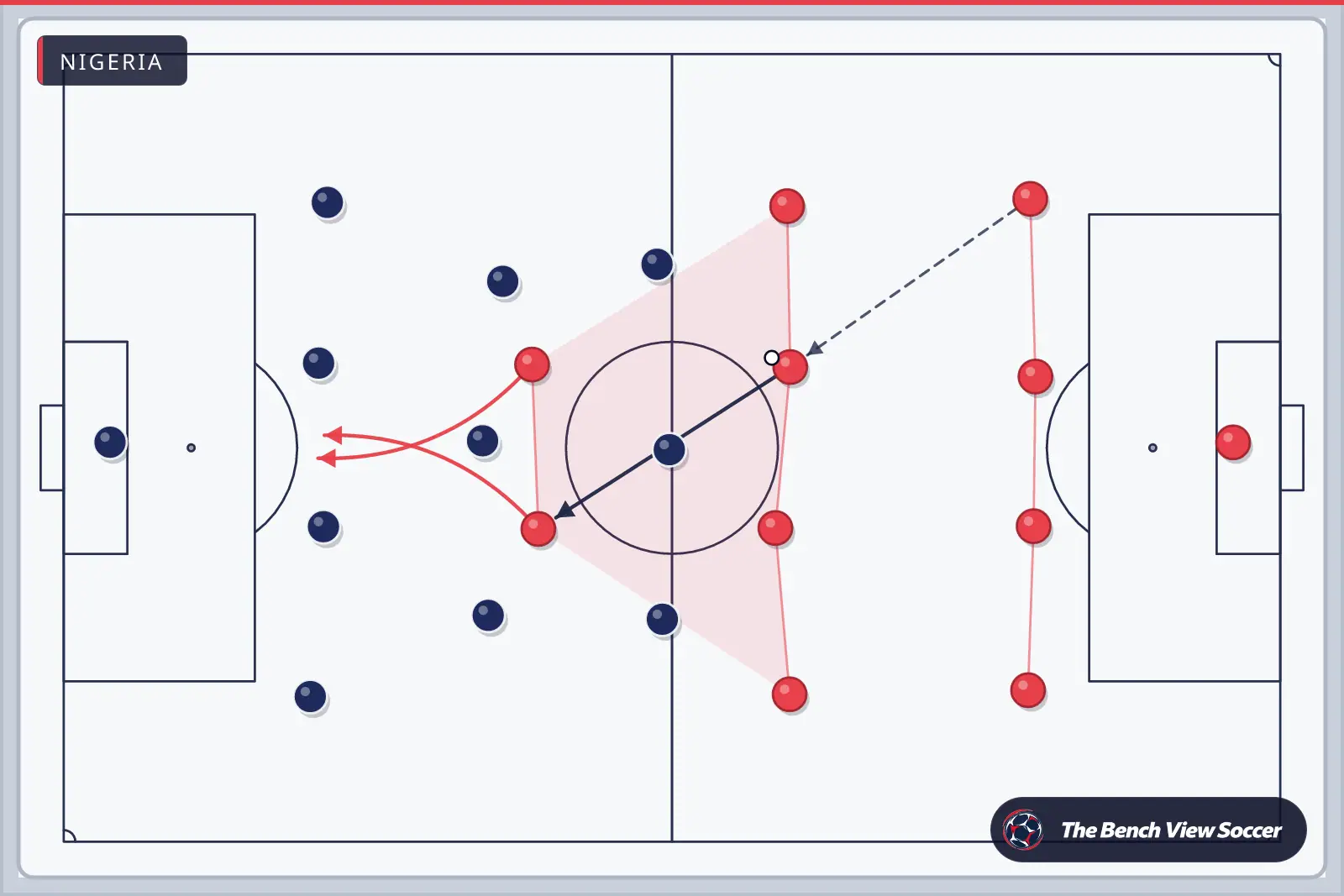
- Assign clear roles: Label players as blockers, decoys, chargers, or markers. Make the captain or a senior defender responsible for defensive set-piece organization.
- Analyze opponents and adapt: Scout NPFL or AFCON opponents for common weaknesses—slow centre-backs, poor zonal marking or lack of communication—and institute one tailored variation per match.
What are real examples from NPFL?
Enyimba FC and Rangers FC often won key matches with drilled corners and set-piece sophistication. Enyimba’s use of short corner angles and disguised near-post runs created space for their number nines, while Rangers have historically used stacked mixed marking to exploit confusion. At NPFL grounds, loud atmospheres make rehearsed timing and clear signals vital.
At international level, Super Eagles set pieces in AFCON qualifiers leverage tall centre-backs as primary targets and creative full-backs for in-swinging deliveries. Nigerian clubs in the CAF Champions League combine long throws and quick free-kick taps to catch opponents off balance—lessons useful for NPFL coaches and players.
What are the best tips to master set pieces?
- Drill three routines until they’re instinctive: two attacking, one defensive.
- Use video of NPFL and Super Eagles games to teach visual examples and opponent tendencies.
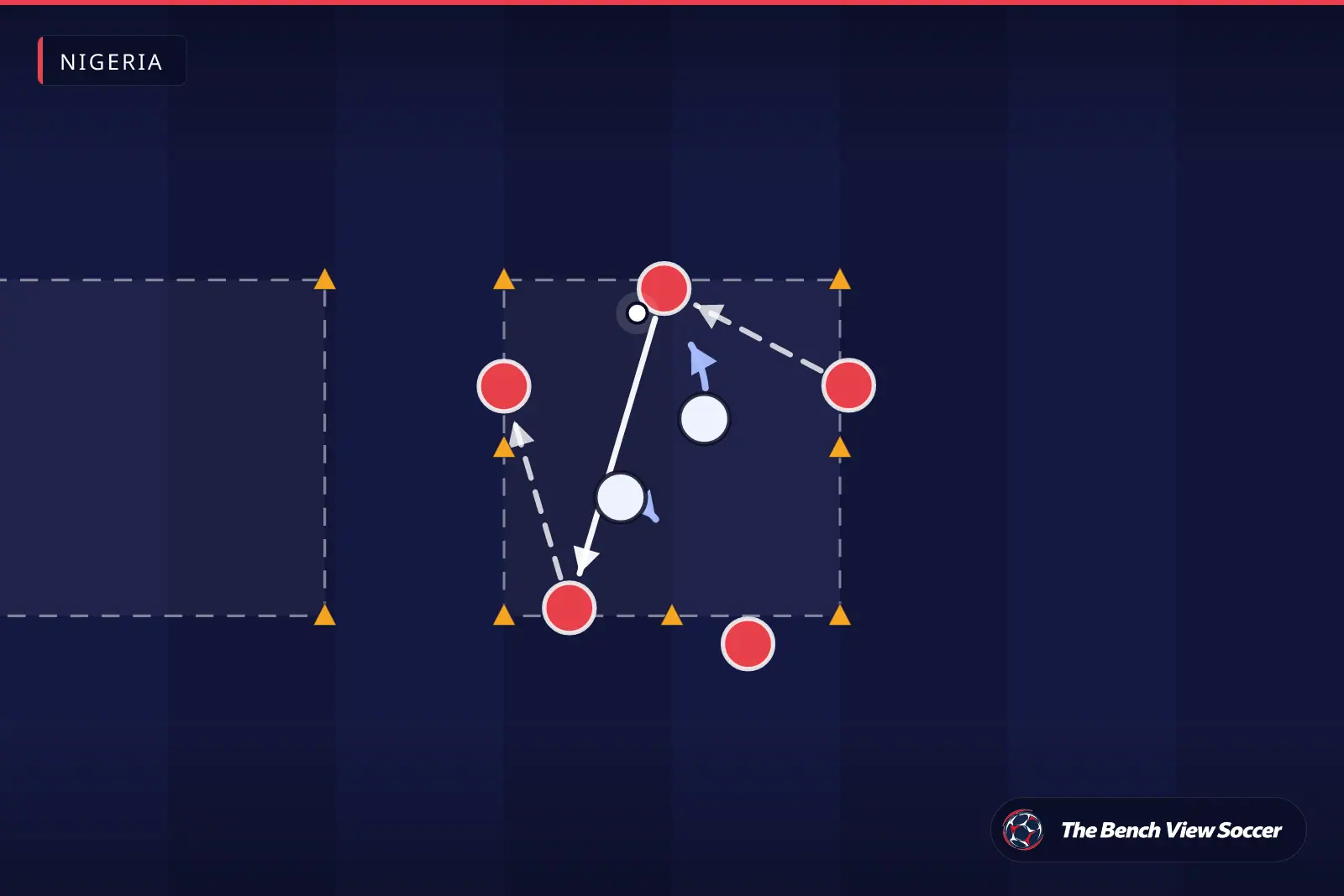
- Rotate takers in training so backups can deliver under pressure in match scenarios.
- Communicate clearly with hand signals and a single vocal cue for each routine.
- Condition players for second-phase runs—rebounds often decide set-piece outcomes.
What mistakes should you avoid?
- Relying on one routine only—opponents quickly learn and counter predictable patterns.
- Poor delivery quality—accurate, paced balls beat perfect schemes with sloppy service.
- Unclear roles—players must know whether to attack the ball, block, or occupy a zone.
- Neglecting defensive drills—many losses stem from conceding simple set-piece goals.
Frequently Asked Questions?
How often should NPFL teams train set pieces?
Train set pieces at least twice a week, with one session focused on delivery and one on rehearsed team routines. Include match-speed reps and occasional pressure drills to mimic NPFL atmospheres and CAF Champions League intensity.
Who should take free-kicks and corners in my team?
Choose takers based on consistency and body alignment: the best curved or driven delivery taker for direct free-kicks, and a range of corner takers (inswing and outswing). Rotate backups so substitutions don’t weaken incoming set-piece quality.
How do I prepare for set pieces against taller teams in AFCON qualifiers?
Use low-driven corners, run-offs to create space, and screen routines to disrupt marking. Train quick short corners and second-ball readers to capitalize on rebounds since purely aerial battles may favor taller opponents.
Can NPFL youth teams use professional routines?
Yes—scale routines to player ability. Teach simple shapes, clear roles, and emphasize delivery. Youth teams benefit from mastering one or two reliable routines before adding complexity.
Start our free courses on The Bench View Soccer.