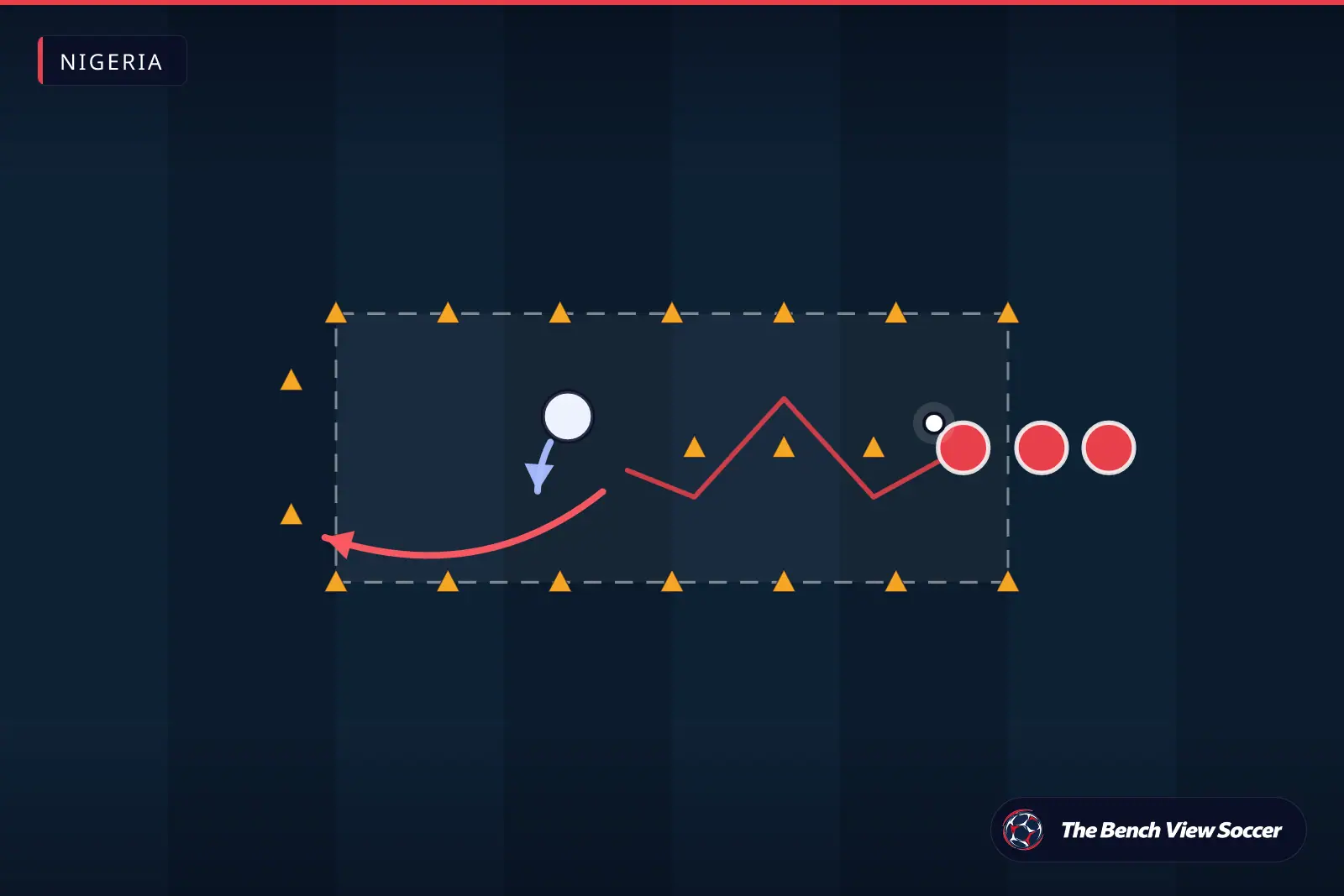
how to defend in football Nigeria
Nigeria is full of talented players, loud supporters and creative football culture. Whether you watch the Super Eagles, cheer for Enyimba FC or follow Rangers FC in the NPFL and CAF competitions, defending well begins with simple habits that anyone can learn.
This beginner guide explains the basics of how to defend in football Nigeria. No prior knowledge needed. You will get clear steps, five easy home/small-space drills and real examples from Nigerian clubs to make learning fast and fun.
What is defending in football?
Defending in football is the set of actions a player takes to stop the opponent from scoring or creating danger. It includes body position, timing of tackles, marking players, clearing the ball and working with teammates to protect space. Good defending mixes technique, decision-making and teamwork.
How to defend in football Nigeria?
- Get the right stance and balance. Bend knees slightly, stay on the balls of your feet and keep your weight ready to move. This stance helps you react faster in tight Nigerian street or training spaces.
- Use positioning and angles, not speed alone. Stand between the attacker and goal. Force attackers away from central danger zones. Small shifts in angle make tackles easier and reduce fouls.
- Mark tightly and watch the ball. Close down space quickly but don’t lunge. Keep an eye on the ball and the attacker’s hips. If you have a teammate pressing, cover passing lanes behind you.
- Master basic tackle and interceptions. Use poke-tackles for small spaces and block tackles for shots. Time your tackle when the attacker shrugs the ball out of balance. Practice interception by reading passes and stepping into passing lanes.
- Recover quickly and communicate. If beaten, sprint back to cover and call for help. Talk to teammates: shout simple words like “man”, “cover”, or “clear”. Communication is a hallmark of great Super Eagles and NPFL defenses.
5 easy home / small-space drills
- Shadow step drill: One player dribbles slowly in a 3x3m area while the defender mirrors movements without tackling. Focus on stance and staying between dribbler and target.
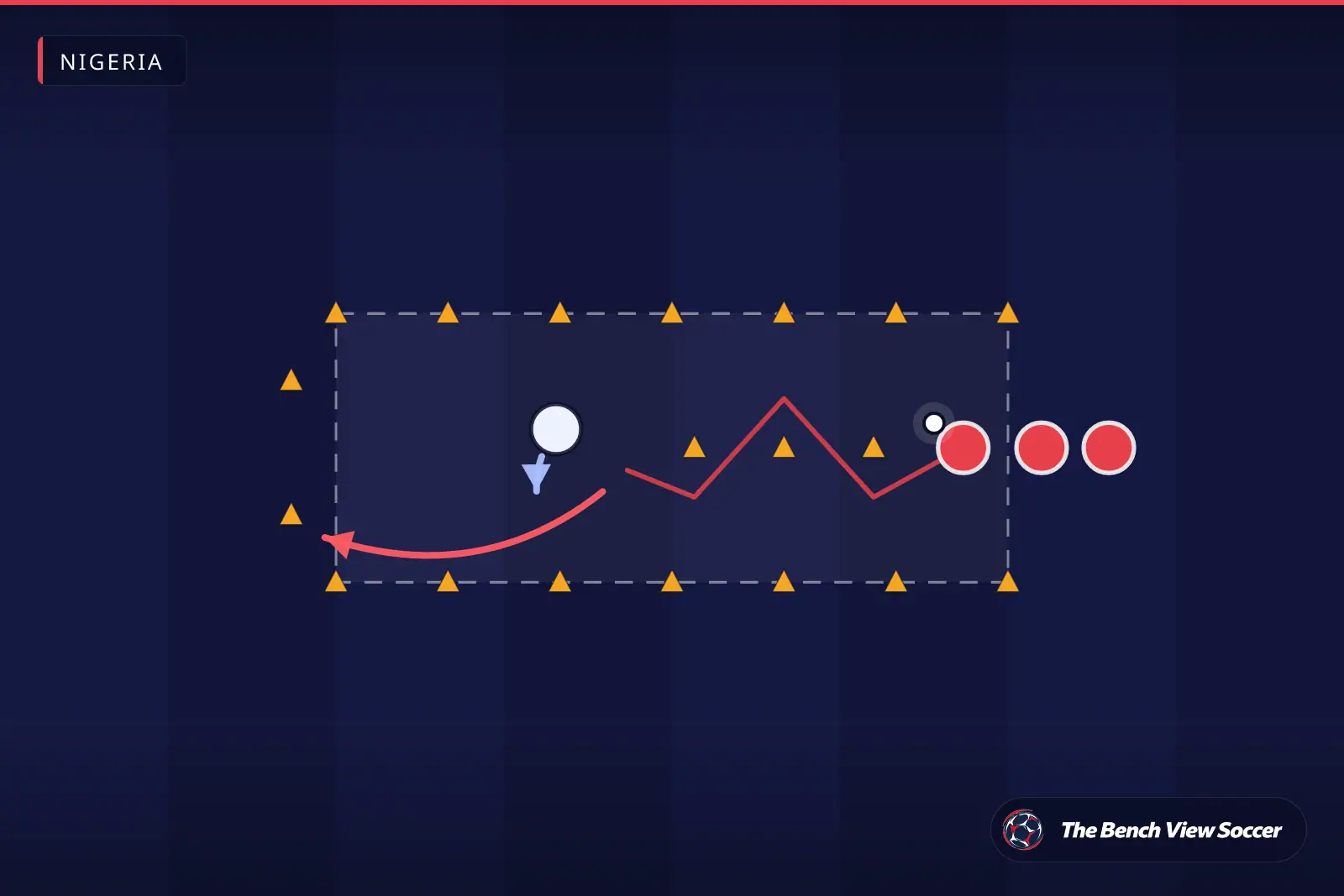
- 1v1 poke-tackle drill: Short corridor (5m). Attacker tries to dribble past; defender practices poke tackles and recovery. Repeat 10 times each side.
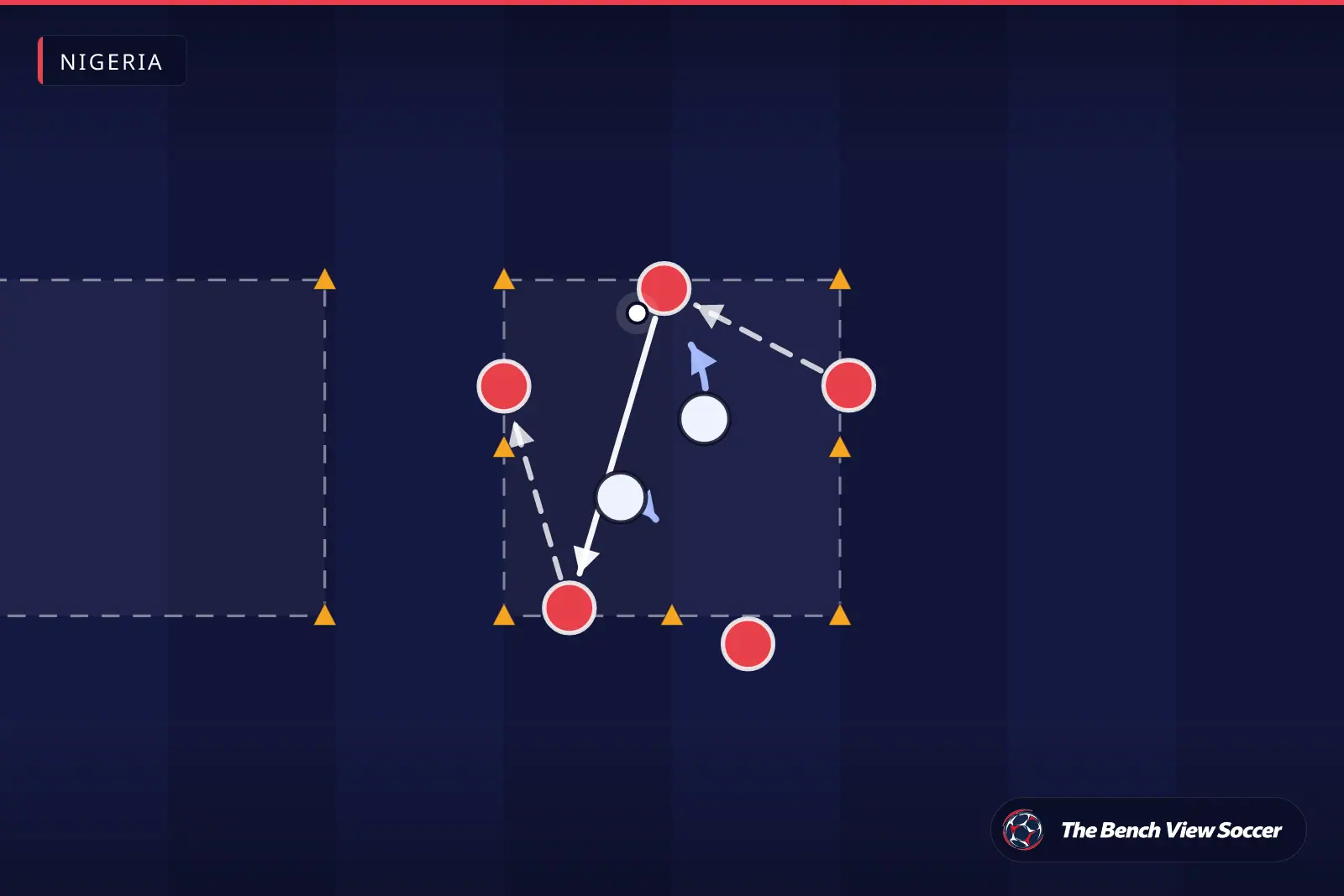
- Gate interception: Set two small cones as a gate 2m apart. A partner passes through gate; defender stands behind and tries to intercept or block the pass path.
- Reaction close-down: Attacker dribbles and calls a number or color; defender sprints and closes down to force a bad touch. Build speed and decision timing.
- Clear and return: Defender clears ball to a wall or partner and controls the rebound under pressure. Practice headers or kicks to clear safely and then regain position.
Real examples from NPFL and Nigerian football?
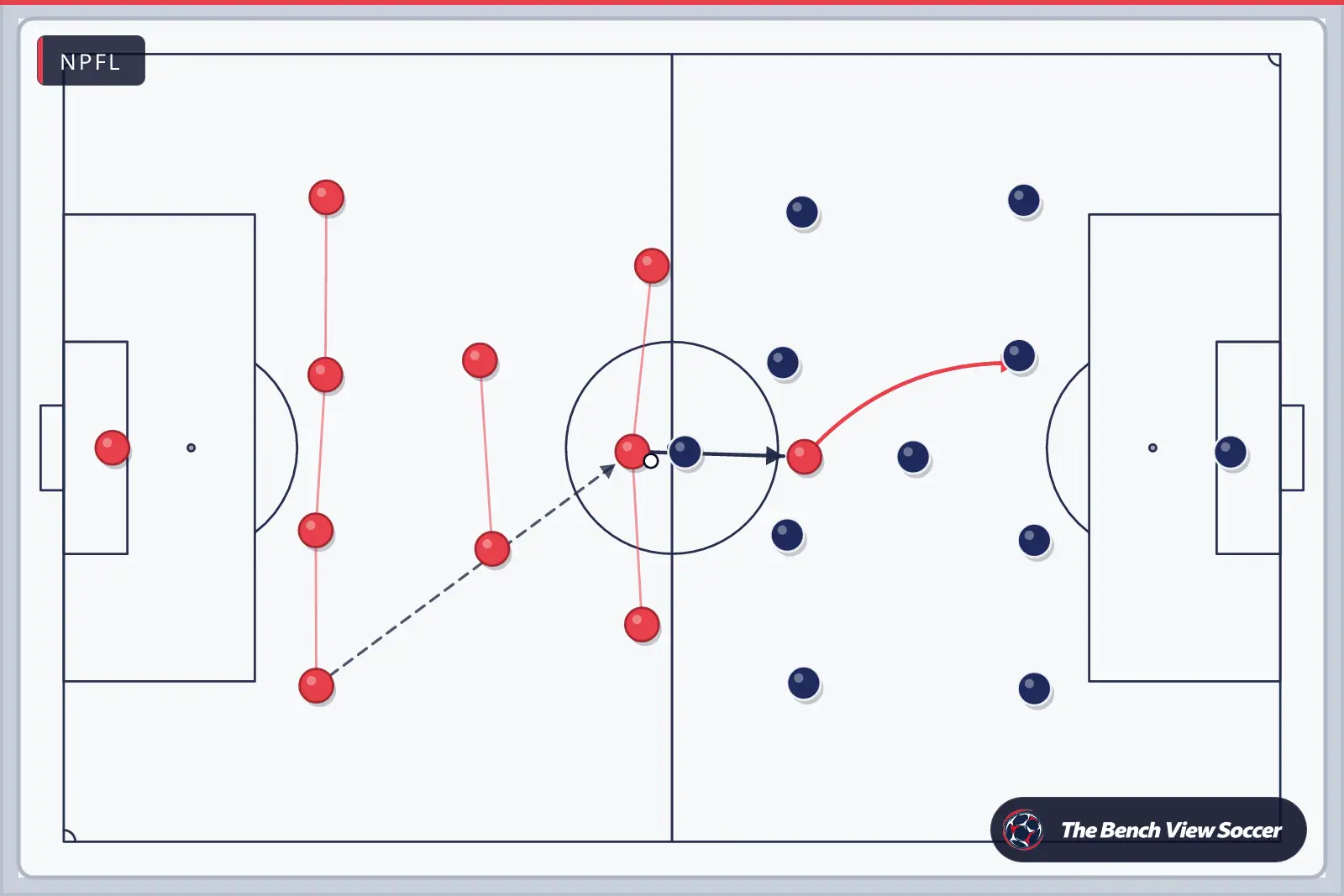
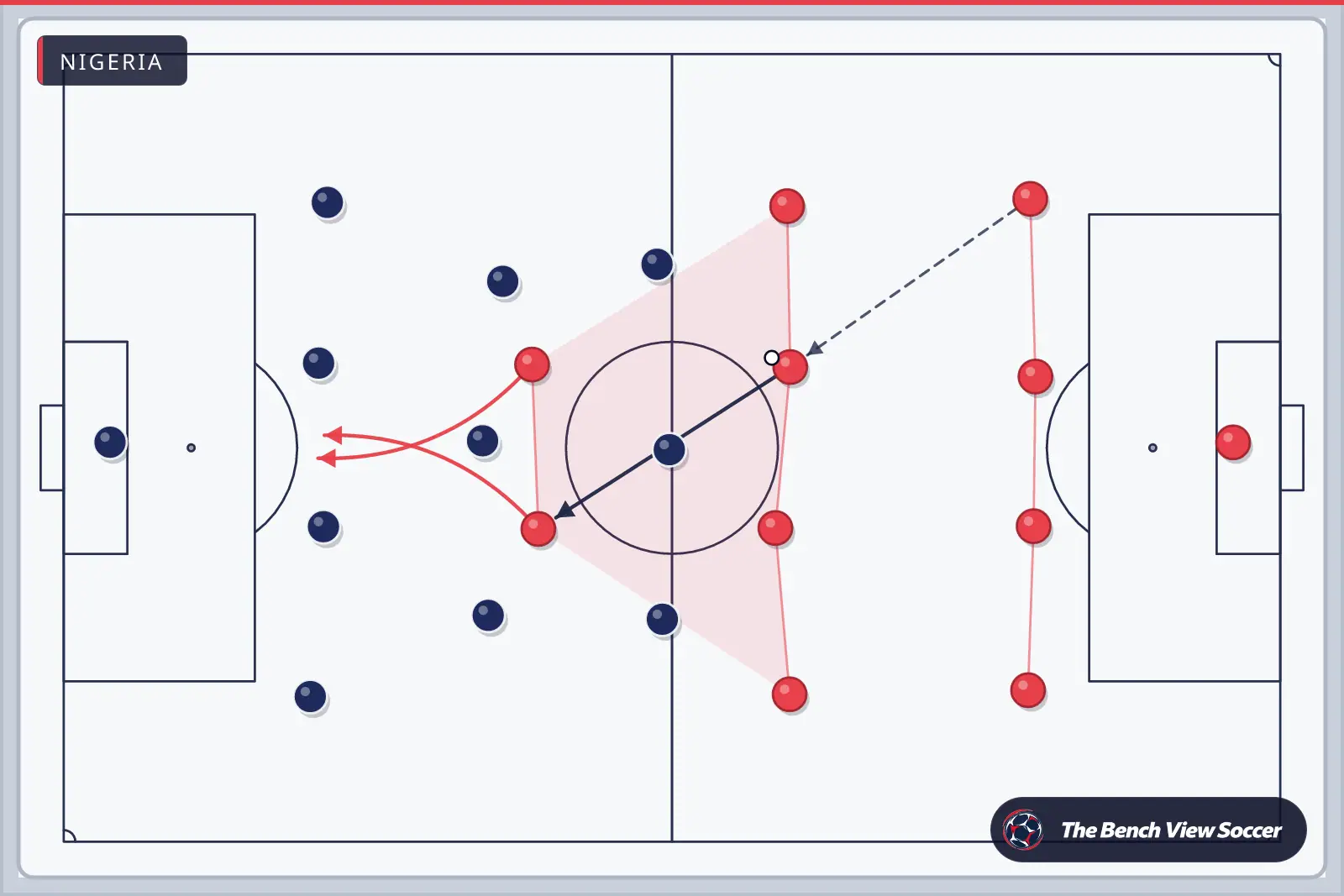
NPFL teams and the Super Eagles offer good defensive lessons. Enyimba FC often show strong organisation in CAF Champions League games: defenders keep compact lines and clear crosses early. Rangers FC defenders demonstrate physicality and quick recovery runs in local derbies. Watch Super Eagles away matches—players like William Troost-Ekong lead by communicating and organising the backline during AFCON qualifiers. These examples show how basic habits—positioning, clearances and teamwork—win games at every level.
Best tips to improve defending quickly?
- Keep training short and consistent: 15–20 minute daily drills build muscle memory.
- Train both feet: being comfortable on your weak foot helps clear under pressure.
- Watch and copy NPFL defenders: focus on where they stand and how they time tackles.
- Practice talking: simple commands reduce mistakes in chaotic moments.
- Control emotions: don’t chase every tackle — be patient and time your challenges.
Mistakes to avoid?
- Overcommitting: Lunging or sliding too early gives attackers easy space to turn.
- Lack of communication: Silent defenders leave teammates confused and allow simple chances.
- Poor body shape: Facing the ball straight on or standing upright slows reaction time.
- Relying only on speed: Speed helps, but positioning and reading the game are more reliable long-term.
Frequently Asked Questions
Q: How long will it take to get better at defending?
A: Most beginners see improvement in a few weeks with short, regular practice. Spend 15–20 minutes daily on the small-space drills and review match clips from NPFL or Super Eagles games to speed learning.
Q: Can I practice defending alone at home?
A: Yes. Drills like shadow steps, gate interception, and wall clear-and-return work well solo. Use cones, a wall and a small space to build stance, reaction and clearance skills.
Q: Which position should I start at if I’m new to defending?
A: Try centre-back or full-back roles in casual games. Centre-back teaches positioning and communication, while full-back improves one-on-one defending and recovery runs.
Q: How do NPFL defenders deal with fast attackers?
A: NPFL defenders use angles, support and timing rather than pure speed. They force attackers wide, delay play, and invite mistakes before committing to tackles or clearances.
Start your journey now. Practice the five drills, follow NPFL matches and build habits that last. Start our free courses on The Bench View Soccer.
Train Your Technical Skills
Dribbling, control, and beyond — step by step
Start free on The Bench View Soccer →