how to improve goal scoring Nigeria
Nigeria’s football ecosystem—from Super Eagles forwards to NPFL attackers at Enyimba FC and Rangers FC—has raw talent and thrilling attacking instincts. To translate flair into consistent goals requires elite coaching, repeatable finishing routines and match-specific tactical solutions suited to African competitions like CAF Champions League and AFCON.
This advanced guide targets coaches and senior players. It blends periodisation, session design, analytics (xG), and decision-making drills to show exactly how to improve goal scoring Nigeria across youth academies, NPFL clubs and national team pipelines.
What is goal scoring proficiency?
Goal scoring proficiency is a measurable blend of technique, timing, spatial intelligence and psychological resilience. It incorporates finishing skill (footed and headed), movement off the ball to create high-value chances, shot selection informed by probability models (xG), and composure in high-pressure match states typical of NPFL and continental fixtures.
How to improve goal scoring Nigeria?
- Audit and profile attackers: Use video to quantify current conversion rates, shot zones and body-side weaknesses. Build player profiles (preferred foot, average shot distance, aerial success) and set measurable targets for goals per 90 and high-quality chances.
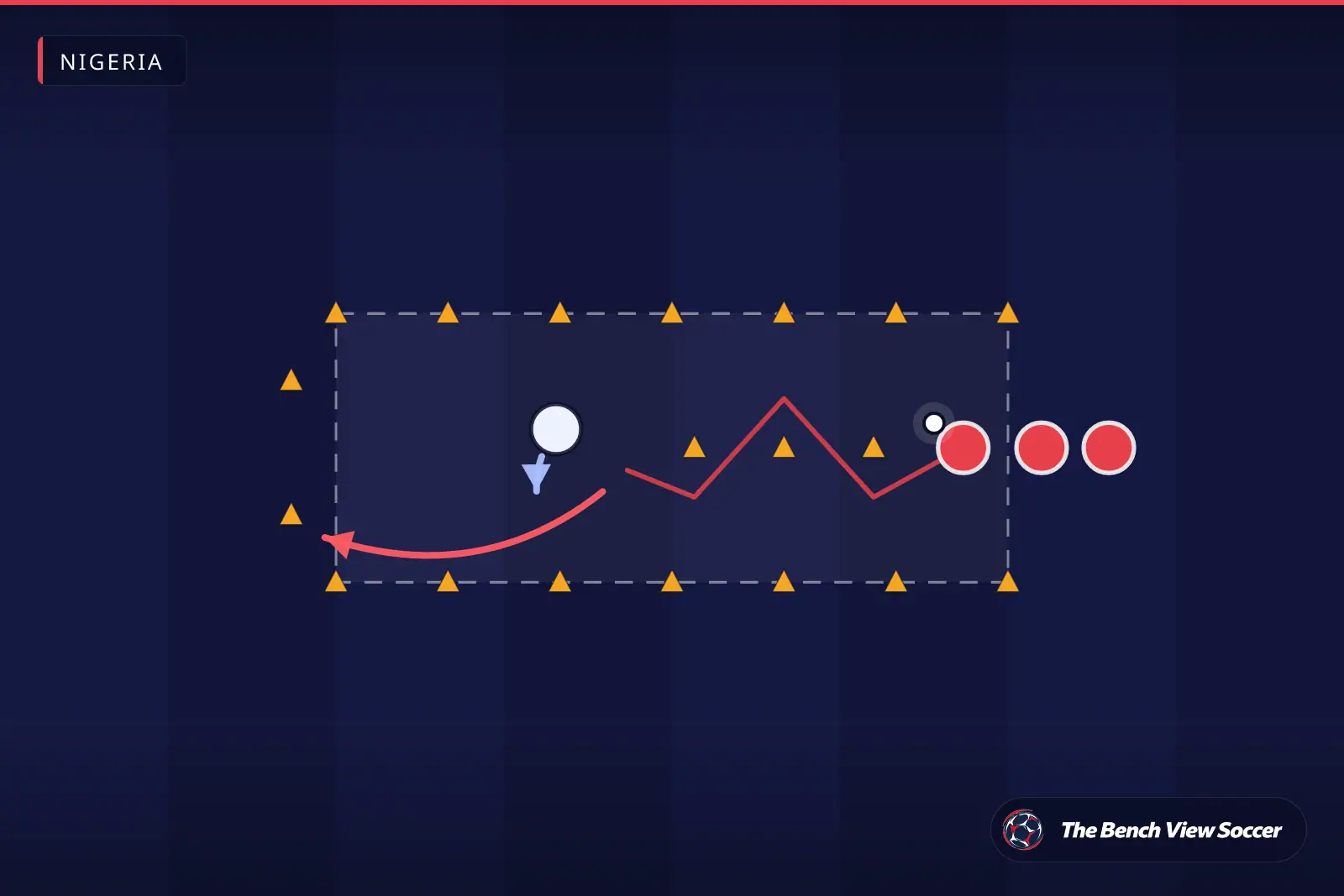
- Design weekly finishing microcycles: Allocate two intense finishing sessions per week plus one recovery repetition day. Sessions: one scenario-based (penalty-box chaos, 3v2 overloads), one technique-led (first-time shots, low-driven finishes) and a light pattern day focused on movement synchrony with wingers and fullbacks.
- Train decision-making under pressure: Replicate NPFL match tempo with constrained time-to-shoot drills (5-7 seconds) and conditioned small-sided games that prioritize shot selection. Encourage risk-reward thinking using video playback: compare high-xG attempts vs low-quality long shots.
- Integrate physical and technical periodisation: Emphasize explosive strength, sprint tolerance and ankle stiffness to improve shot power and stability. Combine plyometrics with finish repetitions to simulate fatigue finishing in late AFCON or CAF matches.
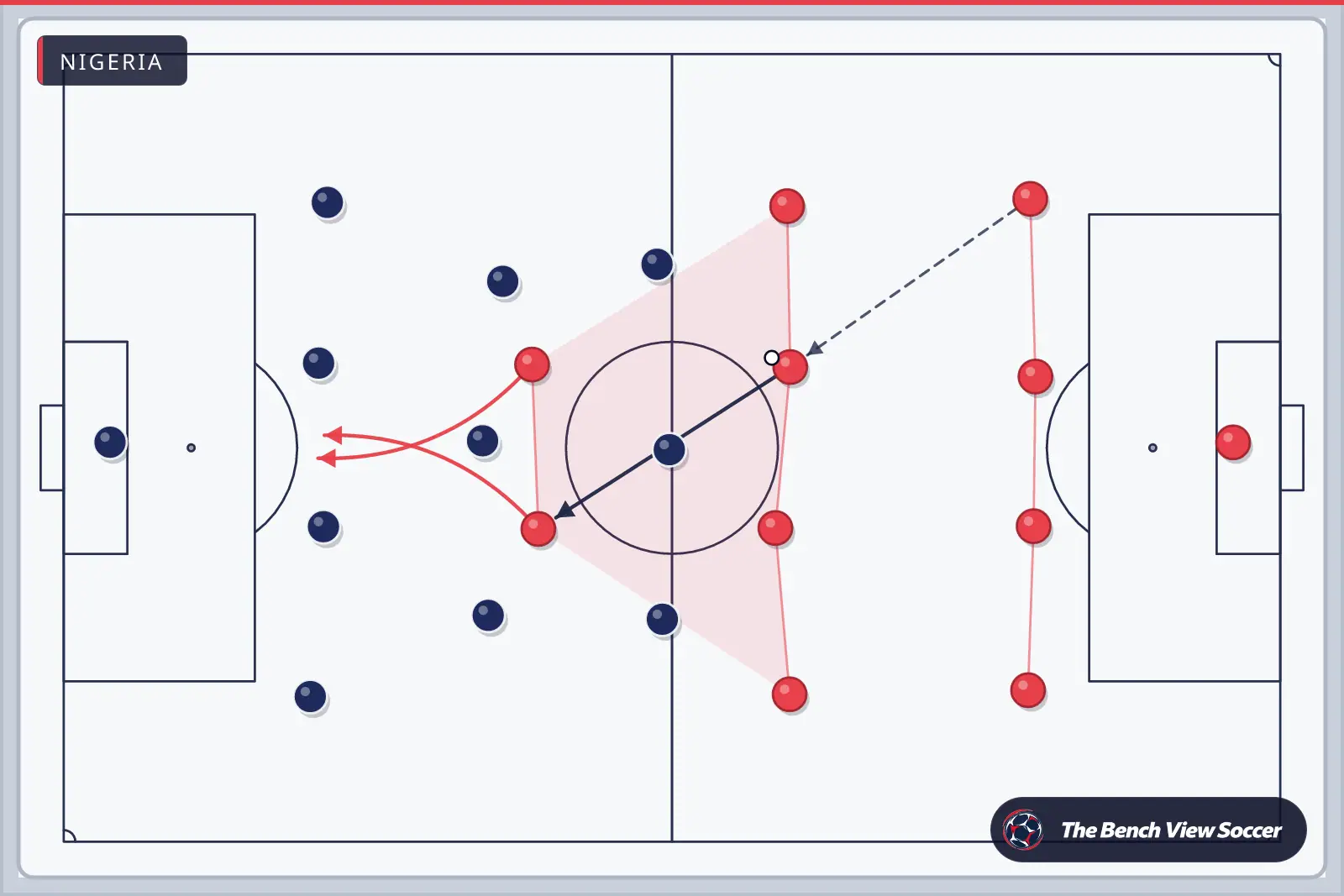
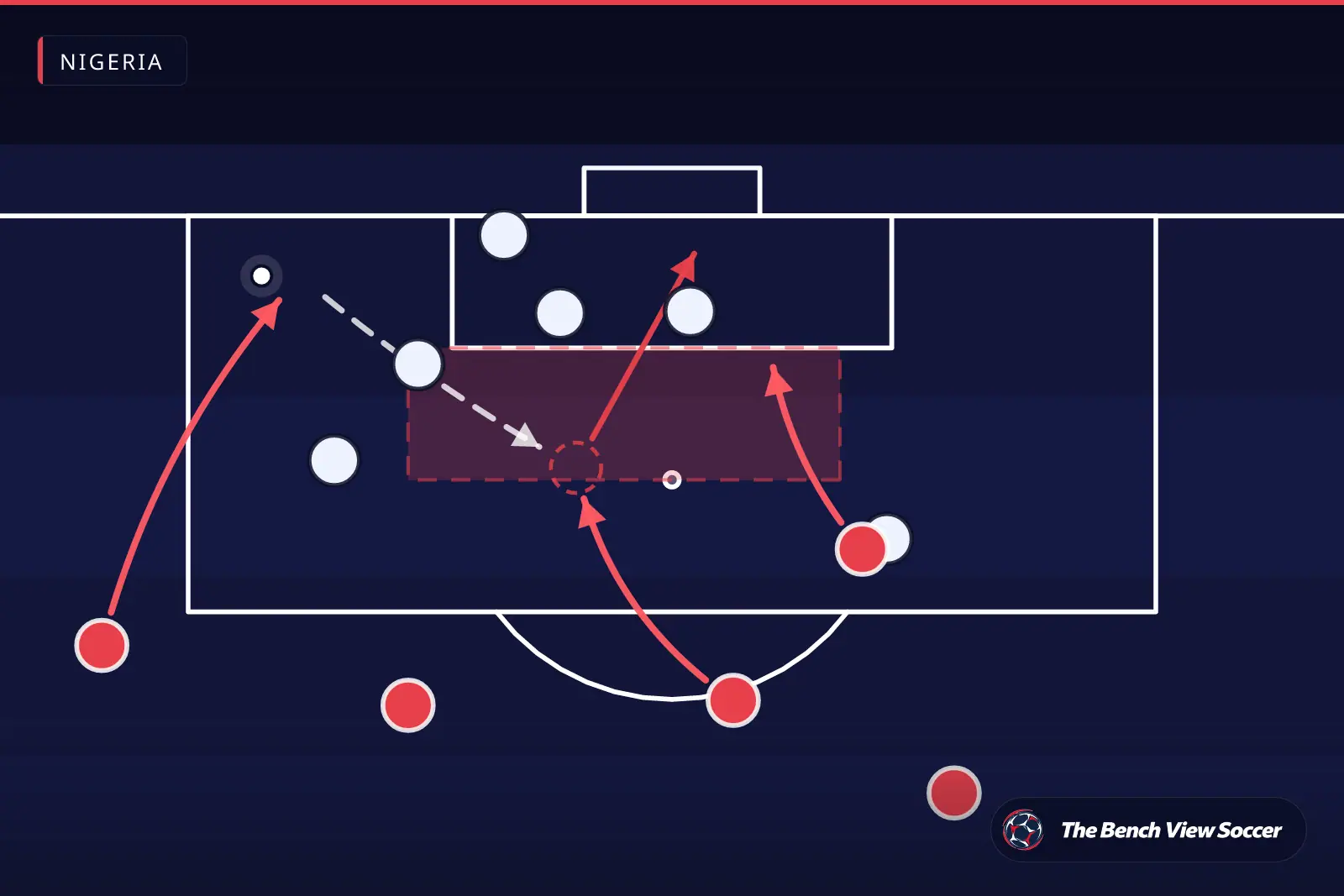
- Implement tactical finishing patterns: Teach vertical runs, near-post rotations, cutbacks from wider players and overloads in half-spaces. Coordinate training with fullbacks and midfielders at club level so that patterns built at Enyimba FC or Rangers FC are repeatable under match conditions.
Real examples from NPFL?
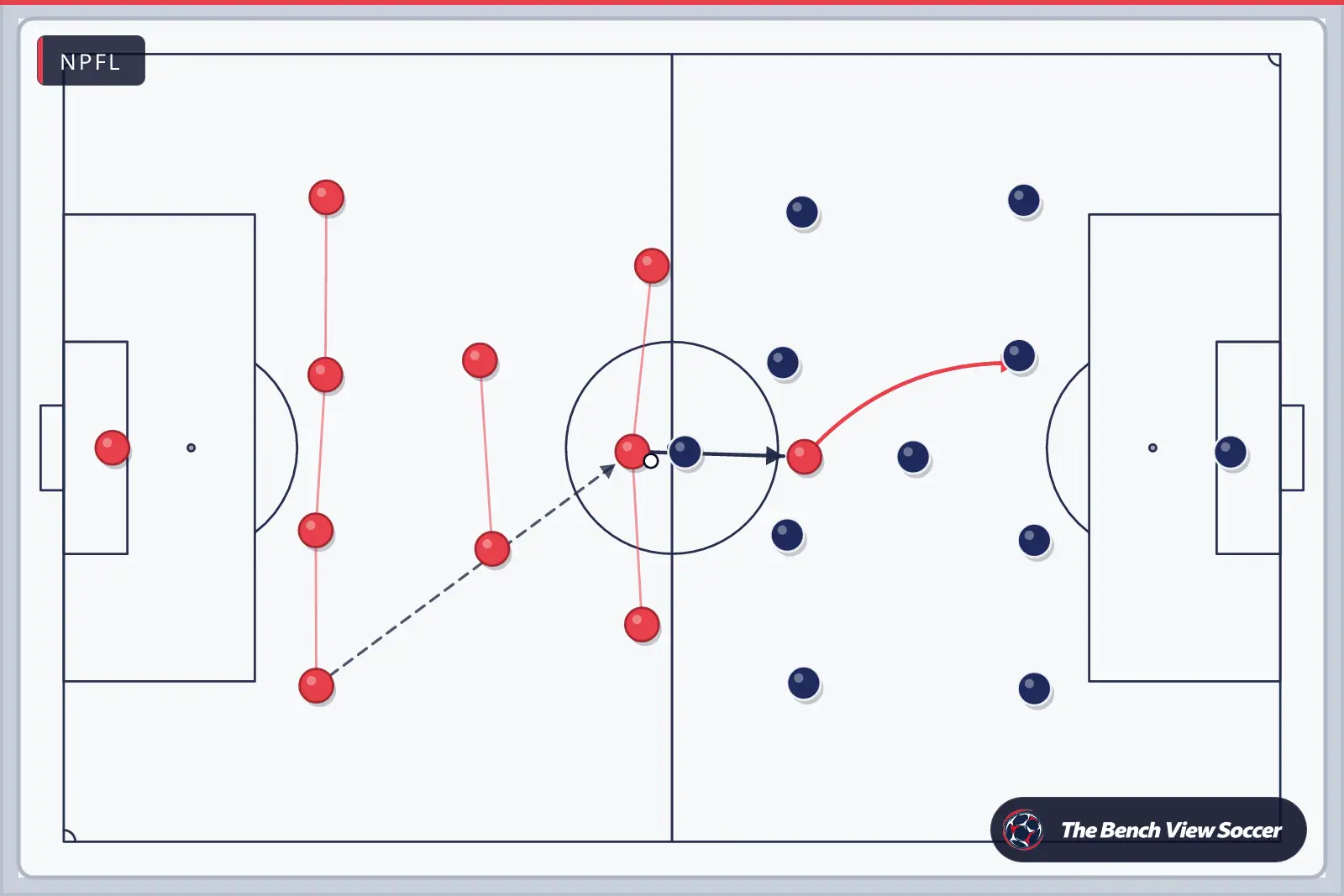
Enyimba FC’s quick transitions showcase counter-attacking finishes—fullbacks delivering early crosses to a central striker running the channel. Rangers FC attackers demonstrate high-tempo one-twos in the box to create near-post overloads. Coaches in both clubs have used short-session finishing blocks before matchdays to sharpen composure and increase conversion rates.
At national level, Super Eagles selective camps focus on expected-goals analysis and situational 6v4 patterns to replicate AFCON defensive shapes. These real examples highlight that tactical alignment across club and country accelerates striker development and raises team scoring output.
Best tips to improve goal scoring?
- Prioritise high-quality chances: train for near-post on-target shots and central six-yard opportunities.
- Use video + xG: show players where goals come from and which shots to avoid.
- Develop ambidexterity: left-foot and right-foot finishing increases unpredictability.
- Simulate match fatigue: finish drills after high-intensity runs to mirror late-game scenarios.
- Align set-piece routines: create practiced runs for corners and free-kicks to exploit NPFL defensive gaps.
Mistakes to avoid?
- Neglecting shot selection: random long shots lower conversion and hurt team xG.
- Overloading technical work without pressure: finishing must include defenders and time constraints.
- Ignoring tactical cohesion: isolated striker training won’t work unless wingers and midfielders rehearse the same patterns.
- Underestimating psychological rehearsal: poor routines for penalties and one-on-ones reduce composure in CAF and AFCON pressure moments.
Frequently Asked Questions
How quickly can NPFL players improve finishing?
With focused microcycles and two weekly intensity sessions, measurable improvement can appear in 6–10 weeks. Expect improved shot selection and small gains in conversion early; larger increases in goals per 90 require tactical integration across training and match minutes.
Do analytics like xG matter at club level?
Yes. xG identifies which shot types produce goals and clarifies coaching focus. For NPFL clubs, combining xG with video helps coaches reduce low-value shots and emphasise high-percentage finishing patterns aligned to local defensive tendencies.
What drills replicate AFCON pressure?
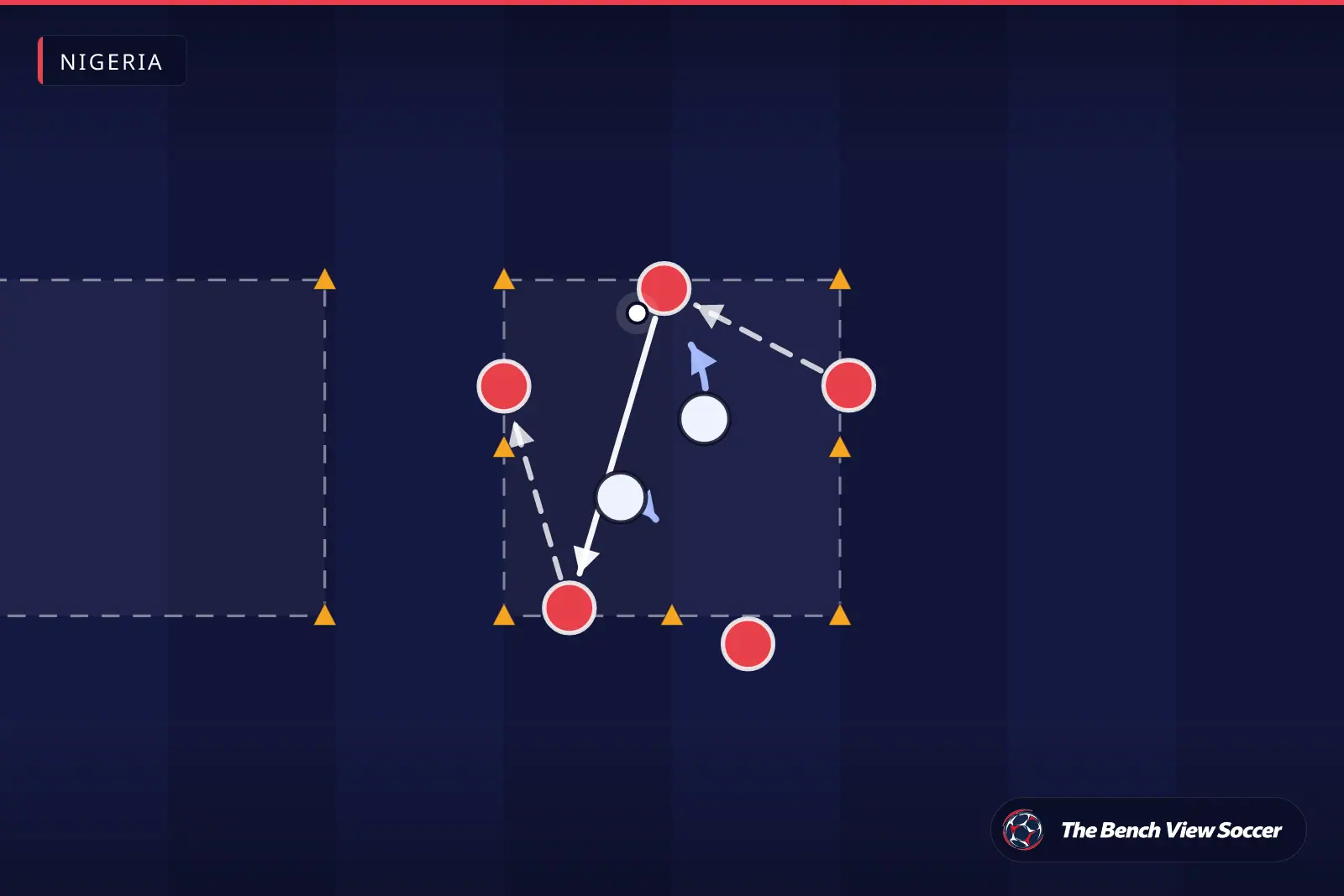
Use conditioned 4v3 finishing in narrow boxes, rapid sequence 3v2 transition-to-finish drills, and penalty-box scramble finishes under crowd-noise simulation. Add time constraints and dual-task cues to build composure under sensory overload like AFCON environments.
Should youth academies mimic senior finishing sessions?
Yes, but scaled. Youth should learn core movement patterns, ambidexterity and decision-making in reduced spaces. Progress load and physical demand as players mature, ensuring academies feed NPFL clubs and Super Eagles with goal-ready attackers.
Start our free courses on The Bench View Soccer.
Train Your Technical Skills
Dribbling, control, and beyond — step by step
Start free on The Bench View Soccer →