youth football development Nigeria
Nigeria is synonymous with raw football talent, electric crowds and technical flair. From street pitches in Lagos and Kano to the stands at Enyimba FC and Rangers FC matches, young players dream of the Super Eagles jersey. This article gives practical steps for motivated players and coaches who want to turn that raw ability into professional success.
We cover what youth football development means in the Nigerian context, five clear development steps, real NPFL examples, top coaching tips, mistakes to avoid and a short FAQ. Read like a player ready to improve—actionable, realistic and matched to our local leagues and continental competitions.
What is youth football development in Nigeria?
Youth football development Nigeria is the system and process that prepares players from grassroots to professional levels: coaching, talent ID, competitions, education and welfare. It links local academies, NPFL youth teams and national setups to produce technically gifted, tactically aware and physically prepared players for club and Super Eagles duty.
How to develop youth football in Nigeria?
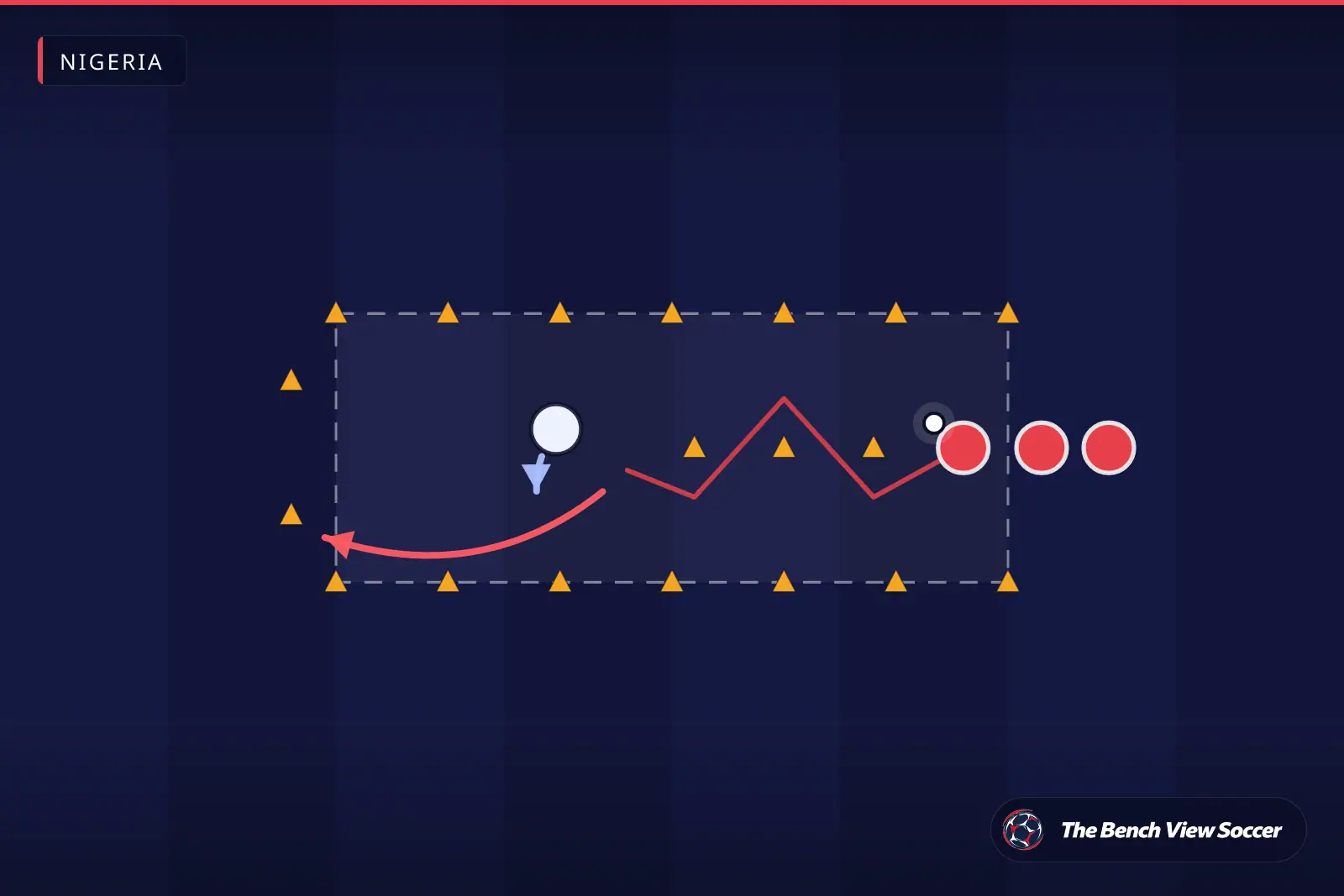
- Build a consistent coaching program: Design weekly sessions with progressions in technical skill (first touch, passing, dribbling), decision-making and position-specific work. Use a 3-phase session structure: technical warm-up, skill development and small-sided competitive play.
- Create talent pathways: Link academies to NPFL youth teams and local competitions. Host scouting days with directors from Enyimba FC, Rangers FC and other NPFL clubs. Clear trials and age-group leagues help coaches and scouts spot talent for CAF Champions League-level exposure.
- Increase competitive minutes: Organize regular matches, tournaments and friendlies against diverse opponents. Prioritize small-sided games for U8–U12, then full-size matches as players mature. Match experience builds decision-making under pressure—key for AFCON-style tournaments.
- Focus on physical and psychological development: Teach fundamentals of strength, mobility, nutrition and recovery adapted to youths. Include mental skills training—resilience, focus and goal-setting—so players handle setbacks and selection processes common in Nigerian football culture.
- Invest in coach education and community support: Train local coaches in modern methods, safeguarding and talent development. Engage parents and local businesses to fund equipment, travel and education so football pathways are sustainable and safe.
What are real examples from NPFL?
NPFL clubs show practical youth development models. Enyimba FC runs youth camps and contributes players to national youth teams; their structure links academy coaches with first-team staff. Rangers FC and other historic clubs maintain talent pipelines from regional academies into U-20 and U-23 squads. Clubs competing in the CAF Champions League increasingly scout and sign young Nigerian talents, proving local development leads to continental exposure.
Smaller NPFL clubs often focus on regional tournaments and community outreach—these are hotbeds for raw technical skill. Successful players often move from local academies to NPFL sides, then to bigger clubs or abroad. Super Eagles call-ups frequently trace back to strong youth programmes and competitive NPFL minutes.
Best tips to improve youth football development in Nigeria?
- Prioritize ball exposure—players should touch the ball often in training and games to develop technical confidence.
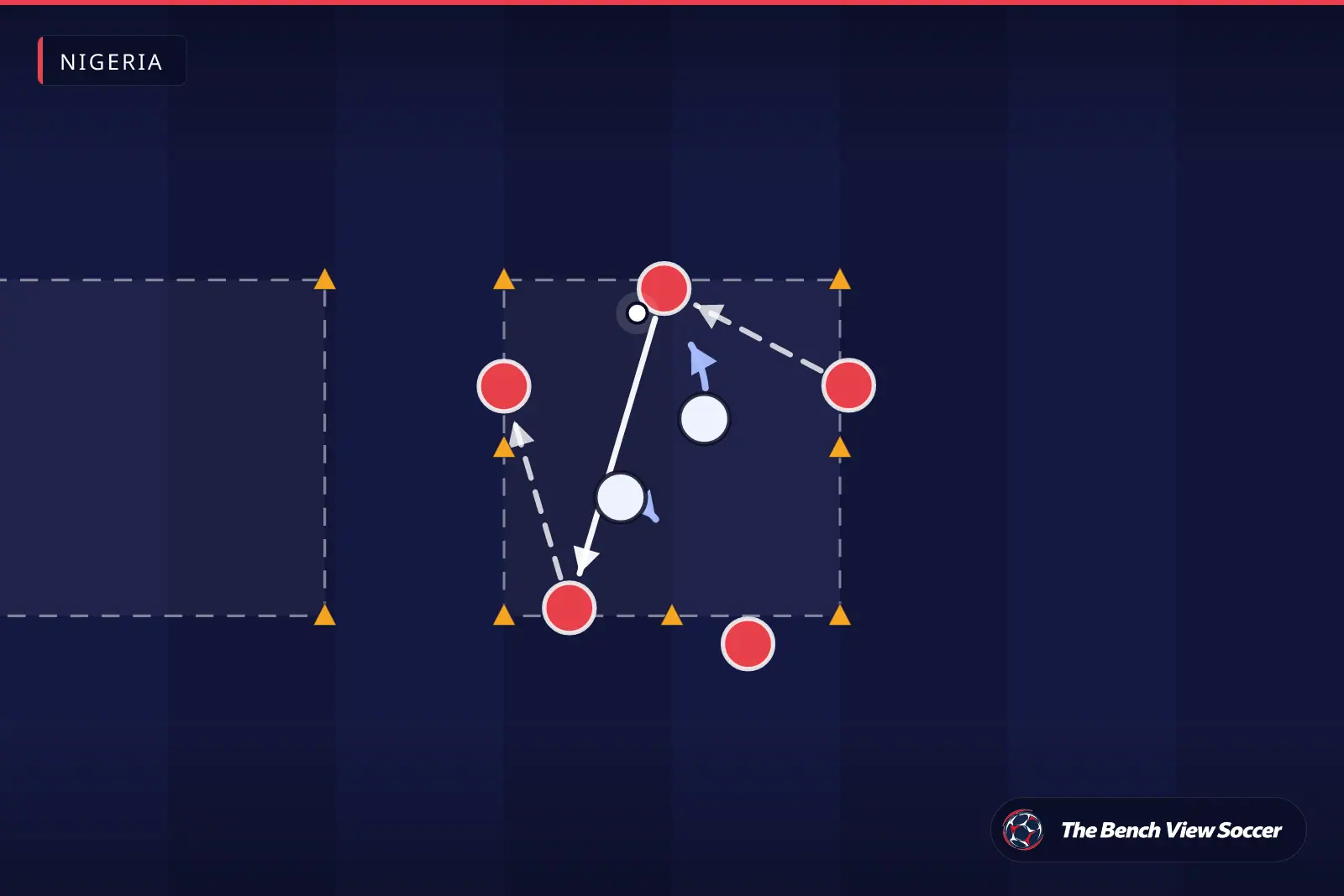
- Use small-sided games to replicate decision-making and increase involvement for every player.
- Track progress with simple metrics: touches, successful passes, progressive runs and minutes played.
- Encourage multi-sport activity in early years to develop athleticism and prevent burnout.
- Build partnerships between schools, academies and NPFL clubs for education and dual-career planning.
- Embrace local culture—celebrate creativity and flair while teaching tactical discipline required for CAF and AFCON competitions.
What mistakes should coaches and clubs avoid?
- Overemphasis on winning at early ages: Prioritizing trophies over development reduces skill variety and risks dropout.
- Poor coach education: Relying on outdated methods limits player growth; invest in continuous training and modern curricula.
- Ignoring player welfare and education: Neglecting schooling and nutrition risks long-term player development and life outcomes.
- Short-term scouting without pathway clarity: Picking players for immediate impact without a clear plan to integrate them into higher levels wastes talent.
Frequently Asked Questions?
How long does youth football development take in Nigeria?
Development is long-term: expect 6–8 years of structured coaching from early adolescence to professional readiness. Individual timelines vary—some break through earlier due to physical maturity or opportunity, while others require extended technical and tactical grooming through NPFL youth systems.
Related Resources
Can local academies produce Super Eagles players?
Yes. Well-run academies that emphasize technical training, competitive play and connections to NPFL clubs regularly graduate players to national youth teams and the Super Eagles. Partnerships, coach education and clear pathways to clubs like Enyimba FC and Rangers FC are crucial.
What role do NPFL clubs play in youth development?
NPFL clubs provide advanced coaching, competitive minutes and visibility for scouts. Clubs competing in CAF Champions League often expose young players to higher tactical demands. Strong NPFL youth setups act as bridges between grassroots academies and international opportunities.
How can players get noticed by NPFL scouts?
Play consistently, attend trials and local tournaments, and pursue opportunities at academy showcase events. Maintain good discipline, fitness and academic standing—scouts value reliable players who can handle the demands of NPFL and continental competitions.
Youth football development Nigeria thrives when coaches, clubs, families and communities work together to create clear pathways, quality coaching and competitive exposure. Start our free courses on The Bench View Soccer.