football counter-pressing tactics Philippines
Football in the Philippines is evolving fast: the PFL, rising clubs, and the Azkals’ regional runs in the AFC Cup have pushed coaches to adopt sharper, modern systems. Counter-pressing—winning the ball immediately after losing it—is a tactic Filipino players can use to disrupt possession-based opponents and create quick scoring chances.
This guide blends beginner-friendly explanations with practical coaching detail for motivated players in the Philippines, including lessons you can apply in PFL training, Global-CESAFI college matches, and local academies inspired by Premier League pressing styles.
What is football counter-pressing tactics Philippines?
Football counter-pressing tactics Philippines means teams organise an immediate, collective pressure after losing possession to prevent opponent buildup, recover the ball high, and launch swift transitions. Locally it’s adapted to player fitness, pitch conditions, and tactical familiarity—mixing European gegenpress ideas with PFL match realities.
How to execute counter-pressing effectively?
- Recognise the trigger: Identify moments to counter-press—poor first touch, isolation of the ball-carrier, backward pass to a defender, or a loose clearance. Train teammates to shout simple cues like "ball low" or "turn back."
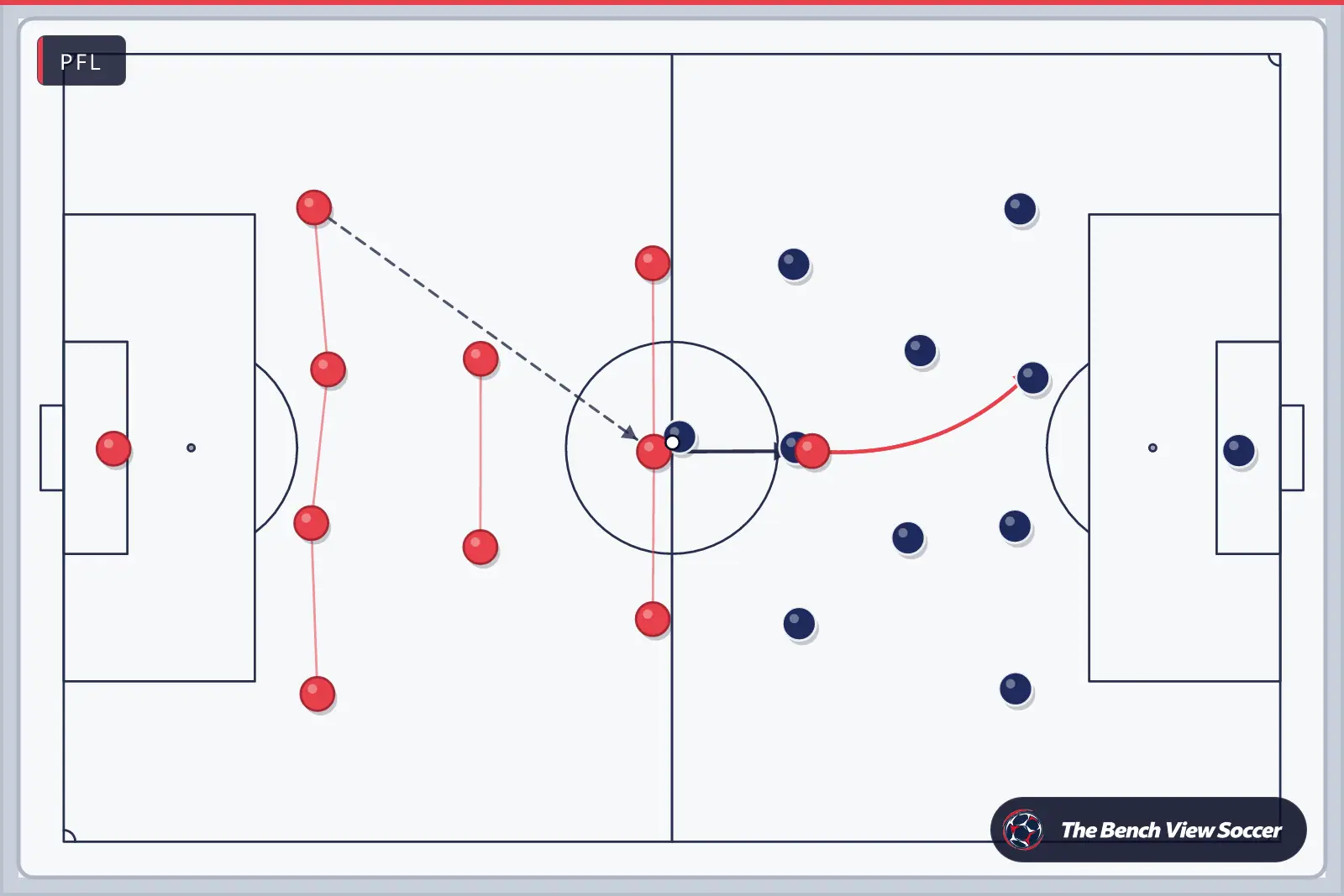
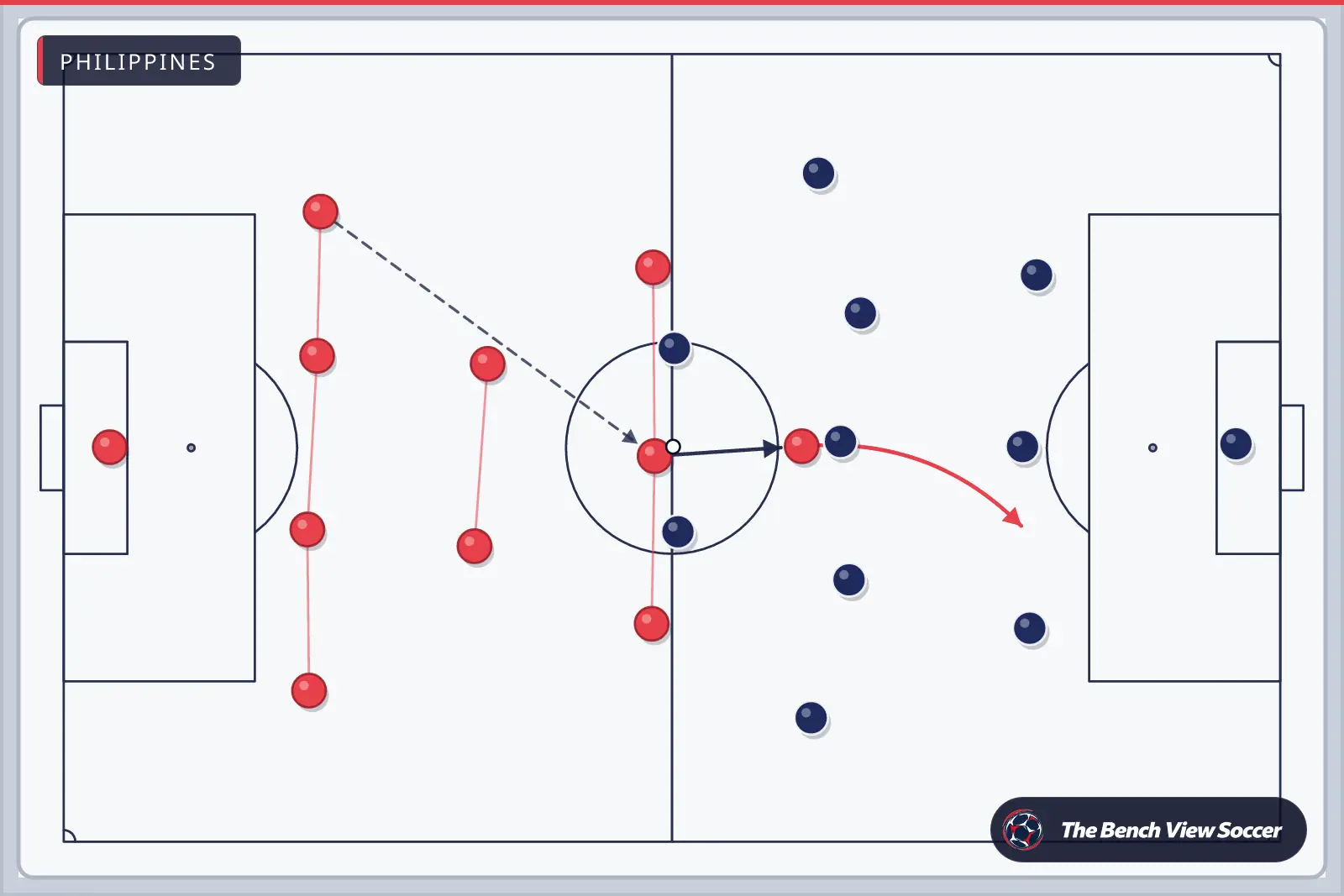
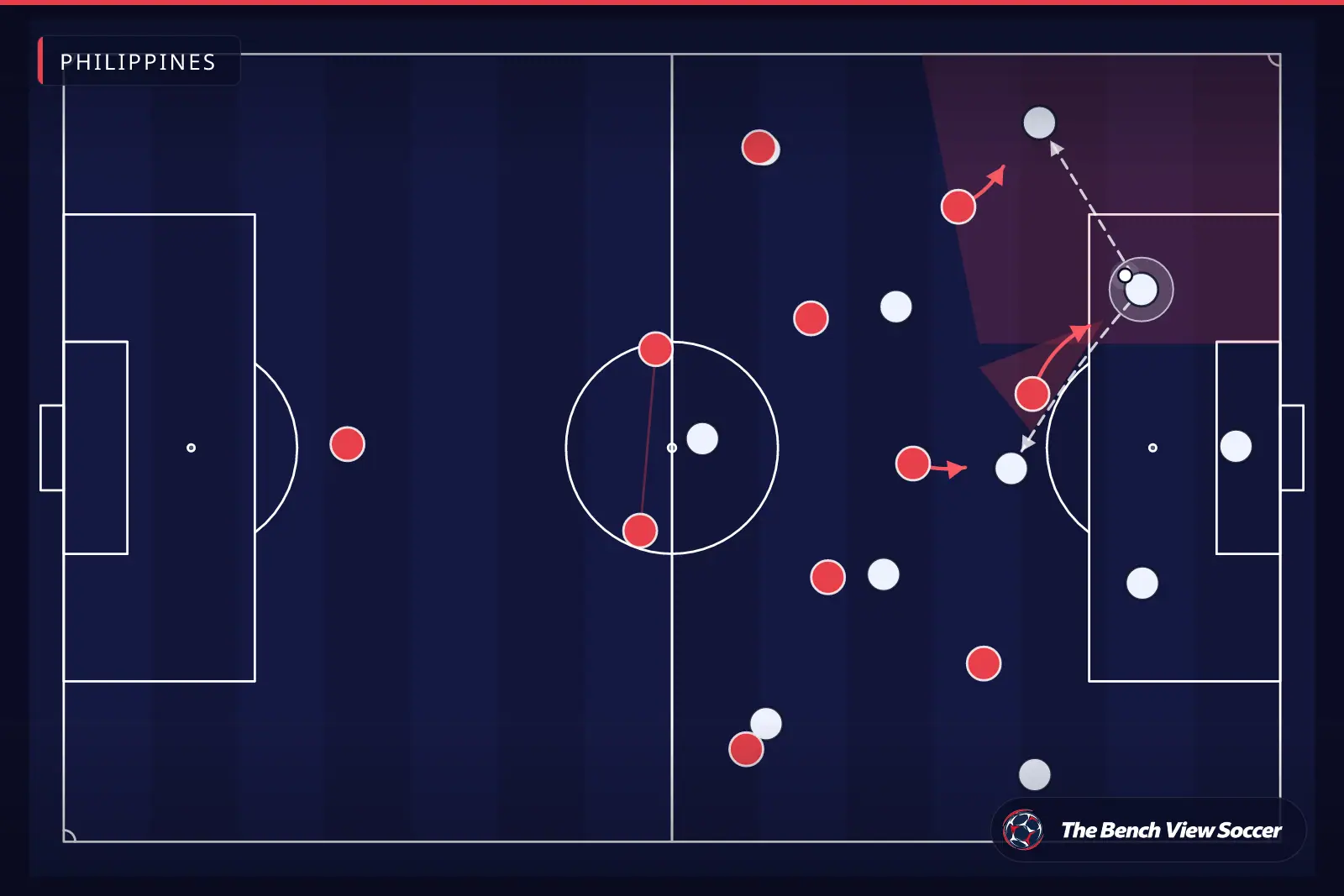
- Immediate reaction: First two seconds after losing the ball are crucial. Closest two players must commit to pressure the ball-carrier, while nearby teammates cut passing lanes and close support angles.
- Compactness and angle: Move as a unit to reduce space. For Filipino sides in the PFL, prioritise diagonal and staggered approaches so the pressing player guides the opponent toward a teammate or the sideline.
- Balance risk vs reward: Assign one or two players (often the central midfielder and forward) to commit; others maintain balance to avoid being exposed to counter-attacks. Guard the central channels and protect the goalkeeper’s sightlines.
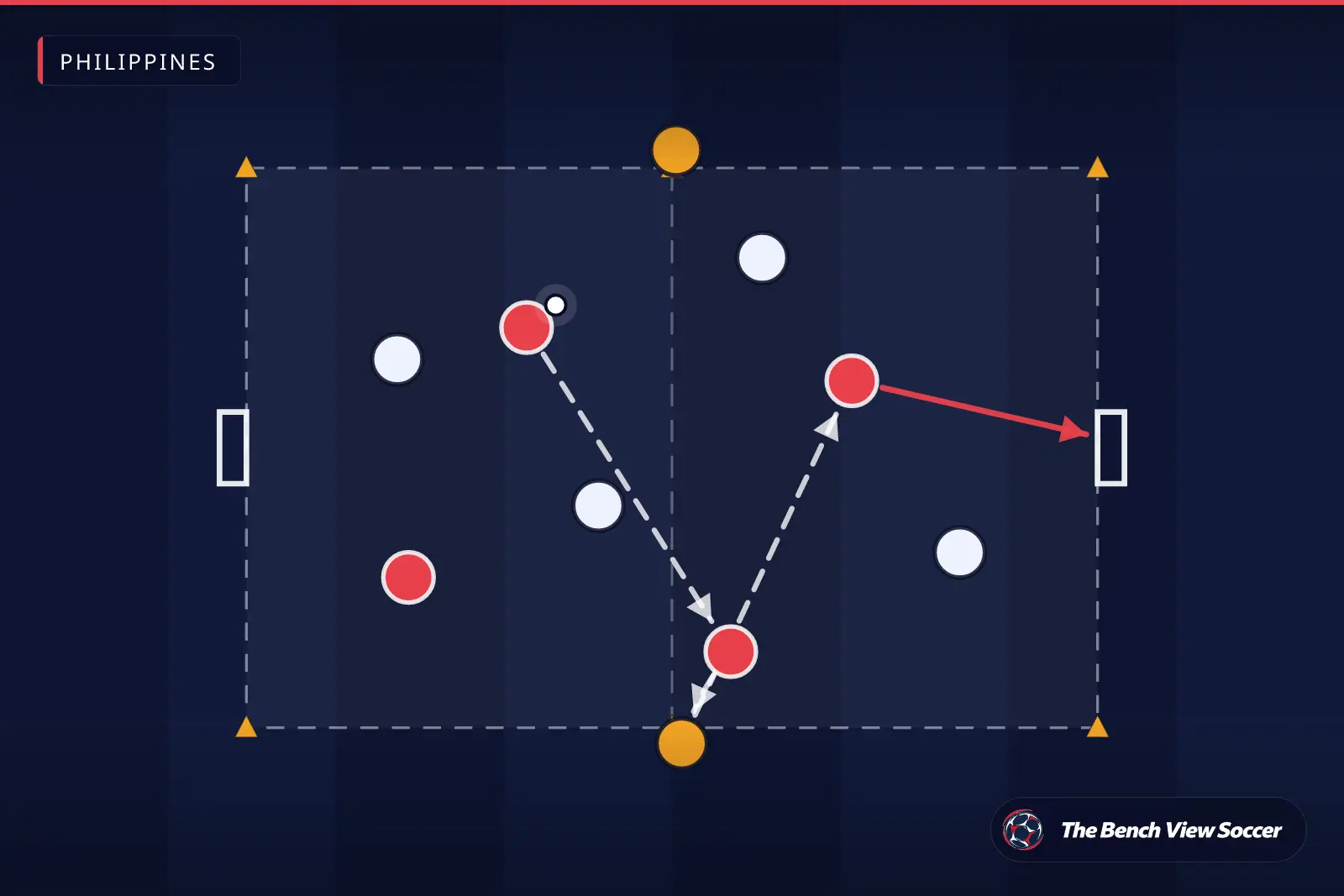
- Quick transition plan: Once ball is recovered, have clear options: immediate shot, quick pass to a third man, or a wide switch to exploit overloaded flanks. Practice set plays from recovered positions in training.
Real examples from PFL?
In recent PFL matches coaches have shown practical counter-pressing examples. A top-side in the PFL used strikers to force defenders onto their weaker foot, while midfielders closed passing outlets—winning possession high and creating fast breaks. Global-CESAFI finals also displayed aggressive college teams winning 50–60% of turnovers in the attacking third through coordinated pressure.
Watch the Azkals’ tactical videos: national team sessions often include short, intense pressing drills inspired by the Premier League’s pressing patterns but adjusted for local conditioning and squad depth. Clubs aiming for AFC Cup competitiveness blend these methods for continental matches where transitions are decisive.
Best tips to improve counter-pressing?
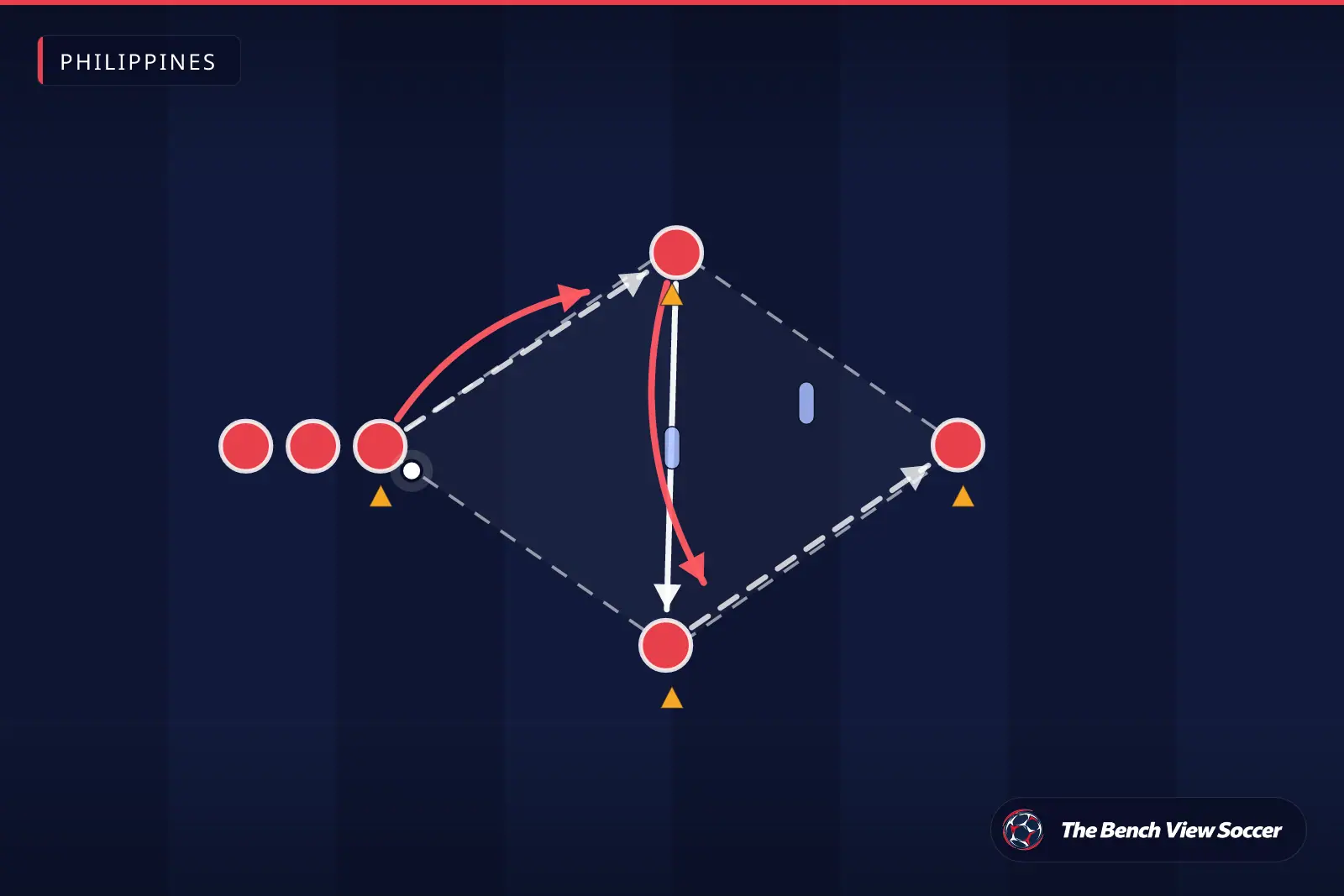
- Train conditioning with football-specific intervals: short, explosive sprints with quick recovery to mirror match triggers.
- Use small-sided games (4v4, 6v6) with immediate turnover rules to build instincts for the first two seconds after loss.
- Practice pressing triggers and language—keep communication short, consistent, and in Filipino or English depending on squad mix.
- Focus on angles and body position: press so the opponent faces the sideline or a defender, not space to drive forward.
- Film training and matches: review where the press broke down and reward successful recovery patterns in team meetings.
- Adapt intensity by match context—use full commitment against teams that control possession and selective pressing against faster counter-attacking sides.
Mistakes to avoid?
- Overcommitting: Sending too many players to press leaves gaps. Maintain a defensive cover line and limit pressing to key moments.
- Poor communication: Without clear cues, players press at different times and directions. Standardise simple calls and drills until they become instinctive.
- Ignoring recovery runs: After a failed press, players must recover quickly to defensive shape. Train immediate sprint-back patterns to avoid conceding on counters.
- Copying styles blindly: Don’t replicate Premier League intensity exactly—adapt pressing to local fitness, pitch condition, and substitution patterns common in PFL games.
Frequently Asked Questions?
How fit do I need to be for counter-pressing?
Counter-pressing demands high-intensity bursts and quick recoveries. Players need anaerobic fitness, agility, and strong core stability. However, you can start with shorter pressing sequences and build endurance through interval training and small-sided games suited to PFL schedules.
Which positions should lead the press?
Typically forwards and central midfielders lead the initial press. In Philippine club setups, a mobile striker and an aggressive number 8 form the first line, while fullbacks and center-backs provide cover. Role clarity in training ensures smooth execution.
Can counter-pressing work on uneven local pitches?
Yes—counter-pressing can be effective on imperfect surfaces because loose balls and unpredictable bounces create pressing triggers. Emphasise simple cues, shorter passes, and protect the center to reduce risky turnovers on bad turf.
How does counter-pressing fit with youth development programs like Global-CESAFI?
Youth programs benefit from teaching pressing principles early: spatial awareness, communication, and collective movement. Global-CESAFI clubs developing players for the PFL should prioritise small-sided pressing drills and recovery work to instil these habits.
Start implementing these principles in training, adapt them to your team’s strengths, and study PFL matches and Premier League patterns for inspiration. Start our free courses on The Bench View Soccer.