football physical conditioning guide Philippines
Football in the Philippines has matured quickly. With the Philippine Football League (PFL) raising standards, and the Azkals making international strides, coaches must deliver elite-level physical preparation that reflects modern European influences — particularly the high-intensity demands fans see in the Premier League.
This advanced football physical conditioning guide Philippines provides coach-level analysis, professional drills, periodisation templates and PFL-specific examples you can apply to club and national programs competing domestically and in the AFC Cup.
What is football physical conditioning?
Football physical conditioning is a systematic program developing a player’s aerobic base, anaerobic power, maximal speed, strength, agility and recovery capacity so they meet the positional and match demands of the sport. In the Philippines this must include heat acclimation, travel management and repeat-sprint conditioning aligned with PFL schedules.
How to build football physical conditioning?
- Assess and baseline: conduct Yo-Yo Intermittent Recovery Test Level 1, 30m sprint splits, countermovement jump (CMJ) and GPS-derived high-speed running metrics to set objective targets.
- Periodise the plan: design a macrocycle (12–16 weeks preseason), mesocycles for hypertrophy/power and specific endurance, and weekly microcycles with clear intensity distribution (low:moderate:high = 60:25:15 for preseason; adjust in-season).
- Implement targeted sessions: combine strength (2×/week heavy compound lifts), power (Olympic derivatives, jump training), sprint mechanics (acceleration: 0–10m, max velocity: 30–40m), and football-specific repeated-sprint ability (RSA) drills on grass.
- Monitor load and recovery: use RPE, wellness questionnaires, HRV where available, and GPS/accelerometer data to control acute:chronic workload ratios and avoid spikes that cause injury.
- Adapt for context: adjust training for heat/humidity, match travel, and fixture congestion typical in PFL and AFC Cup schedules; prioritise active recovery, sleep strategy and nutrition timing.
Real examples from PFL?
Kaya FC–Iloilo and United City have adopted periodised programs combining gym-based power phases with pitch RSA drills. Example: Kaya’s preseason microcycle alternates heavy lower-limb strength days with field-based speed endurance sessions (6×30m sprints + 3×(6×20m shuttle at 90%)). United City emphasises tactical-simulated high-intensity intervals, matching expected PFL and AFC Cup intensities with sport-specific constraints.
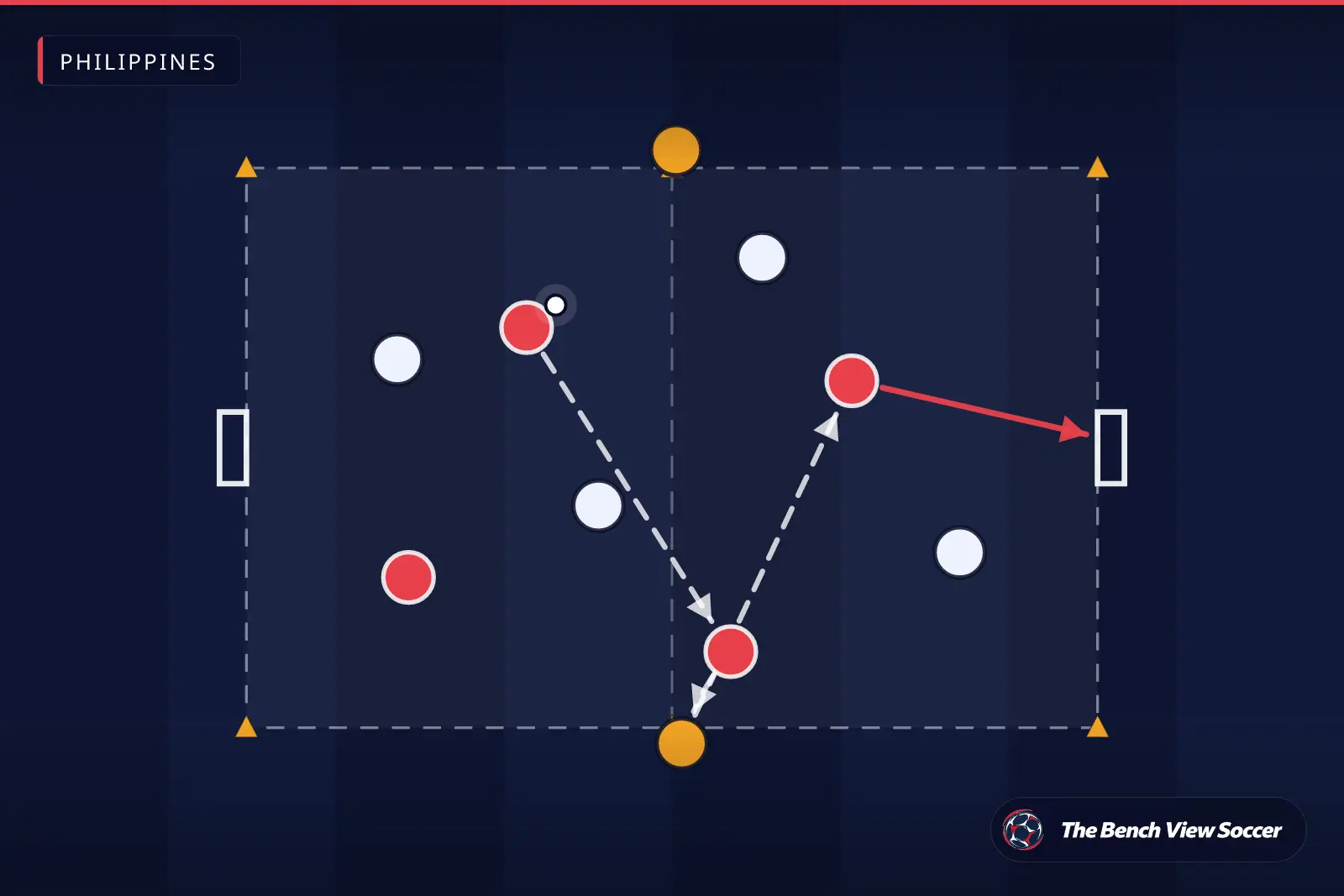
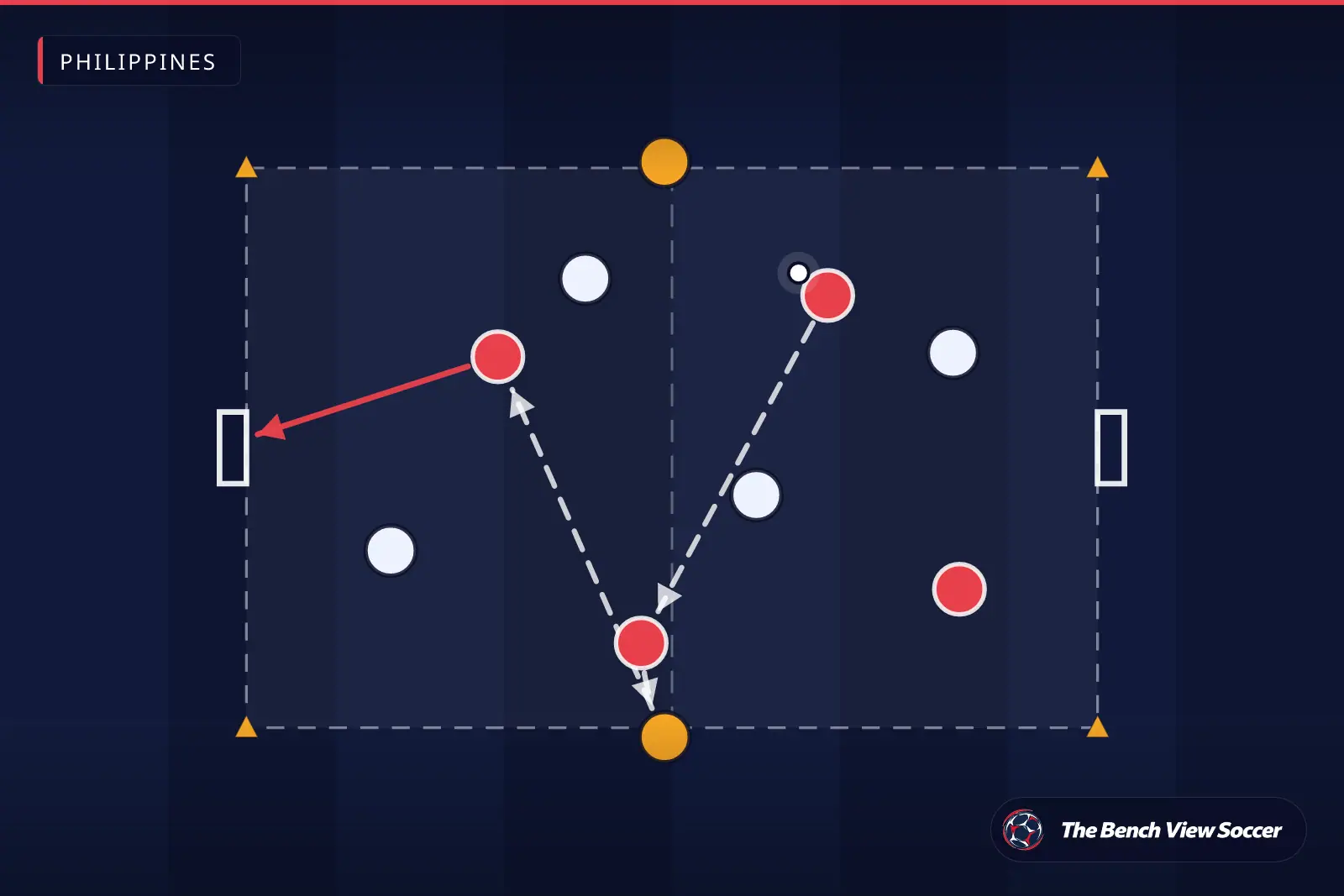
At club academies like Global-CESAFI alumni programs, coaches integrate small-sided games (SSG) with manipulated work:rest ratios (3v3 at 3:1 work:rest) to overload high-intensity efforts while preserving technical touch under fatigue — a model the national team staff has referenced during Azkals camps.
Best tips to improve football physical conditioning?
- Train to the position: fullbacks require hip power and repeated accelerations; central midfielders need volume-based high-intensity endurance. Tailor metrics and drills to the role.
- Use GPS and video together: combine external load (distance, HSR, sprints) with tactical video to contextualise physical outputs.
- Prioritise explosive strength: 1–2 sessions/week of force-velocity work (heavy squats, trap bar deadlifts, weighted jumps) accelerate sprint improvements.
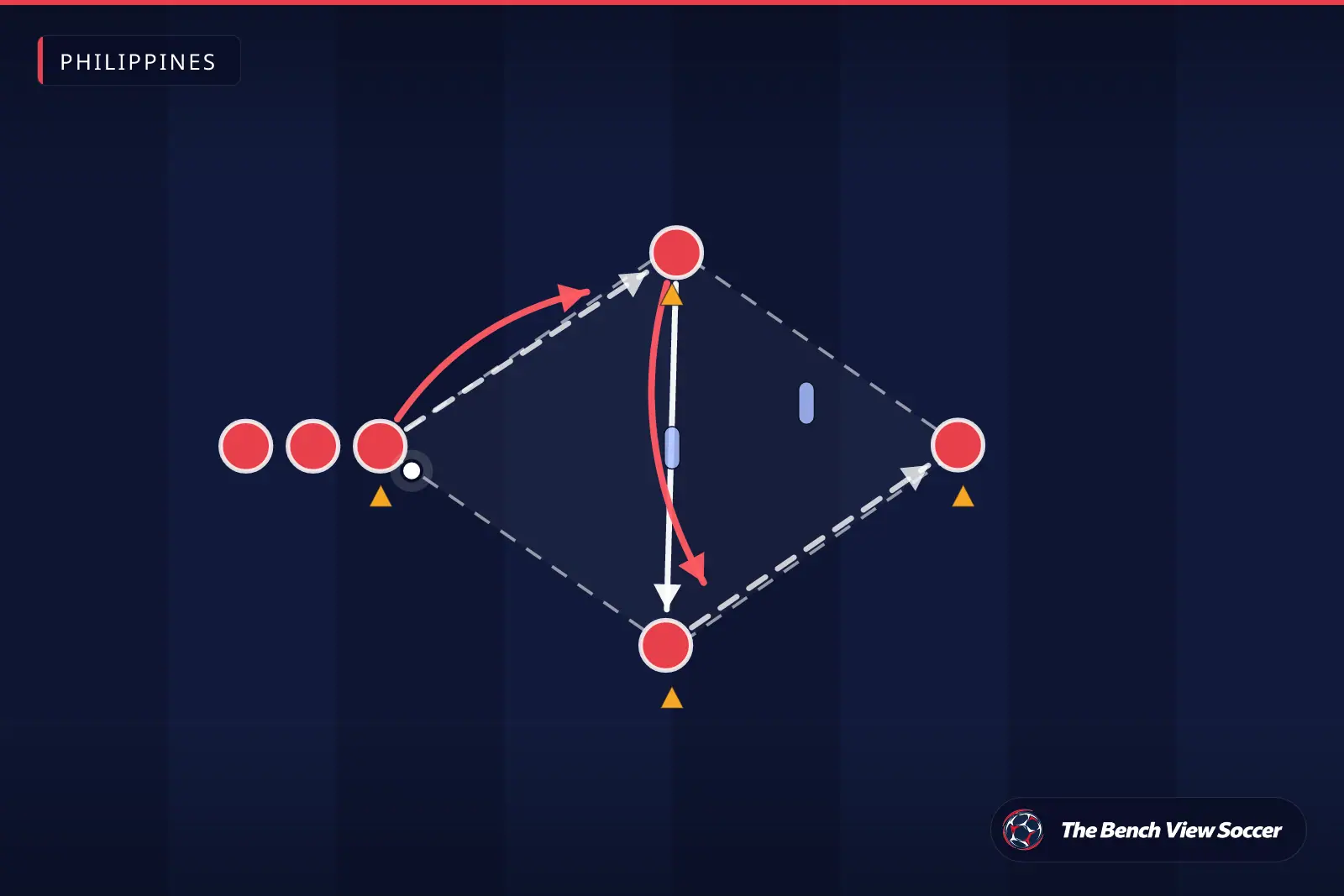
- Practice football-specific RSA: 6–8 reps of 20–40m sprints with short recovery (20–60s) to mimic repeated decisive actions in matches.
- Plan heat acclimation: 10–14 days of progressive morning sessions, hydration protocols and electrolyte strategies for Philippine conditions.
- Educate players on sleep and nutrition: carbohydrate periodisation around match days and 7–9 hours sleep are non-negotiable for recovery and adaptation.
Mistakes to avoid?
- Overloading without monitoring: large acute:chronic workload spikes lead to muscle injuries — control increases to under 10–15% weekly.
- Neglecting sprint mechanics: poor acceleration technique limits transfer from gym power to on-field speed.
- Ignoring environmental demands: failing to adapt sessions to heat and travel in the Philippines reduces training quality and increases illness risk.
- One-size-fits-all programming: junior, academy and senior pros require different loading, recovery and technical integration — individualise where possible.
Frequently Asked Questions
How long before a player is match-ready after starting this program?
Players typically need 8–12 weeks of structured preseason to build aerobic capacity, strength and base speed, with ongoing in-season maintenance. Shorter timelines (4–6 weeks) can produce improvements, but match-readiness for high-intensity leagues like PFL or AFC Cup needs longer, progressive loading.
Related Resources
What tests should Philippine coaches prioritise?
Prioritise Yo-Yo IR1 for intermittent fitness, 10–30m sprint splits for acceleration/top speed, CMJ for power, and GPS metrics for high-speed running and sprint count. These provide actionable baselines to individualise training across PFL squads and national camps.
How do I adapt training during congested fixtures like AFC Cup weeks?
Reduce training volume, keep intensity sharp with short, high-quality sessions (e.g., 12–15 minutes of small-sided max-intensity work), emphasise recovery (nutrition, hydration, sleep) and monitor biomarkers to avoid overload during travel-heavy windows.
Can academy players follow the same program as pros?
Academy players need modified loads with a focus on motor learning, growth-safe strength work and lower absolute intensities. Build technical development into conditioning with SSGs and age-appropriate strength progressions to protect growth plates and long-term development.
Start our free courses on The Bench View Soccer.