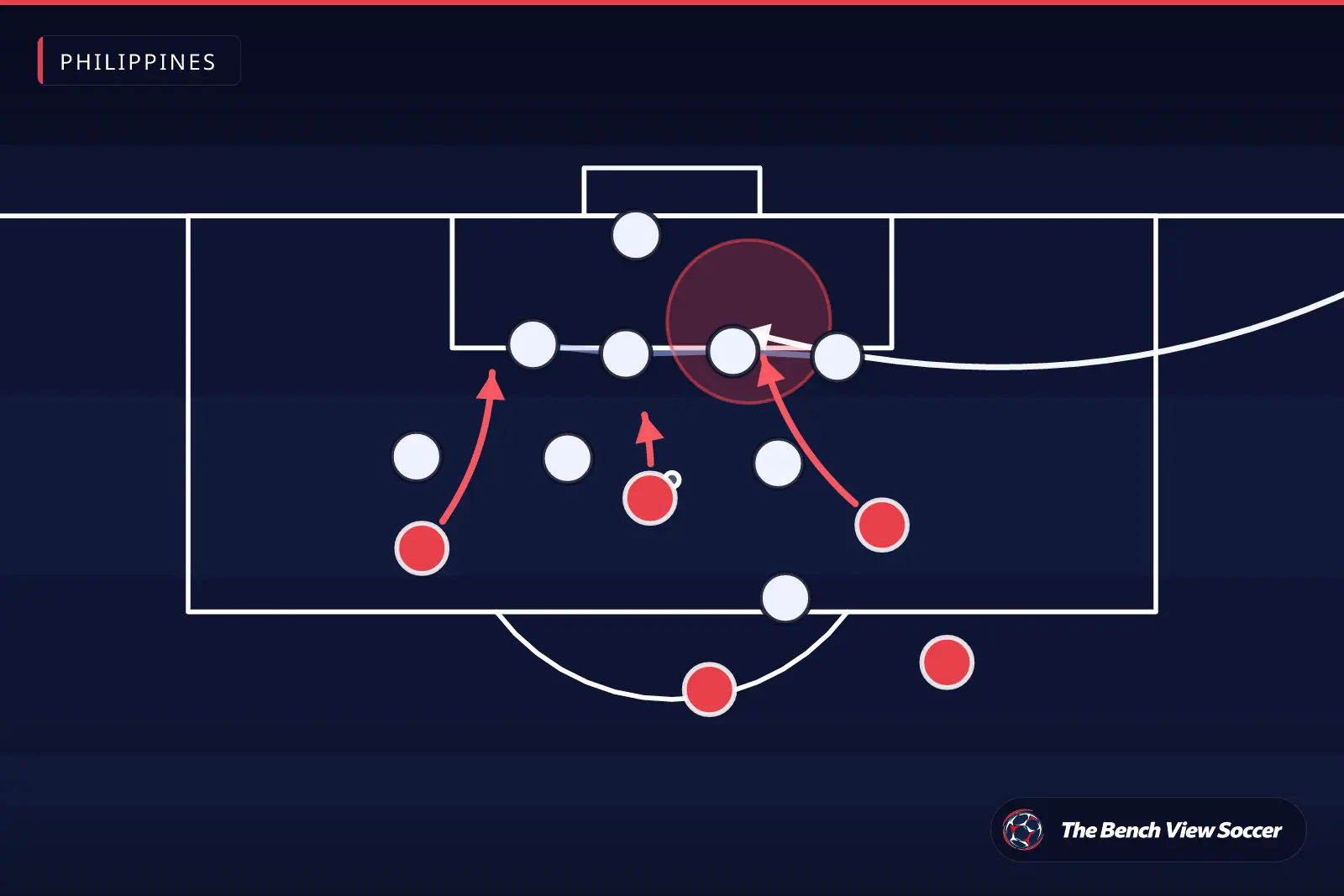
football set piece training Philippines
The Philippines is growing fast as a football nation: PFL clubs, the Azkals and college competitions such as Global-CESAFI have raised standards and expectations. For motivated players, learning structured football set piece training Philippines is how you turn stoppages into match-winning moments.
From barangay pitches to the PFF Technical Centre, set pieces win tight matches. This practical guide gives coaches, young pros and committed amateurs drills, step-by-step sessions and PFL examples you can practice immediately.
What is football set piece training?
Football set piece training develops rehearsed actions from dead-ball situations: free-kicks, corners, throw-ins, penalties and kickoffs. The work includes delivery quality, movement patterns, blocking, target runs and goalkeeper strategies. Training makes actions instinctive so players execute under pressure in PFL, AFC Cup or local league games.
How to train football set pieces in the Philippines?
- Assess your squad: Identify left/right-footed crossers, short free-kick takers, aerial targets, and a reliable penalty taker. Map strengths against common opponents in the PFL and local tournaments.
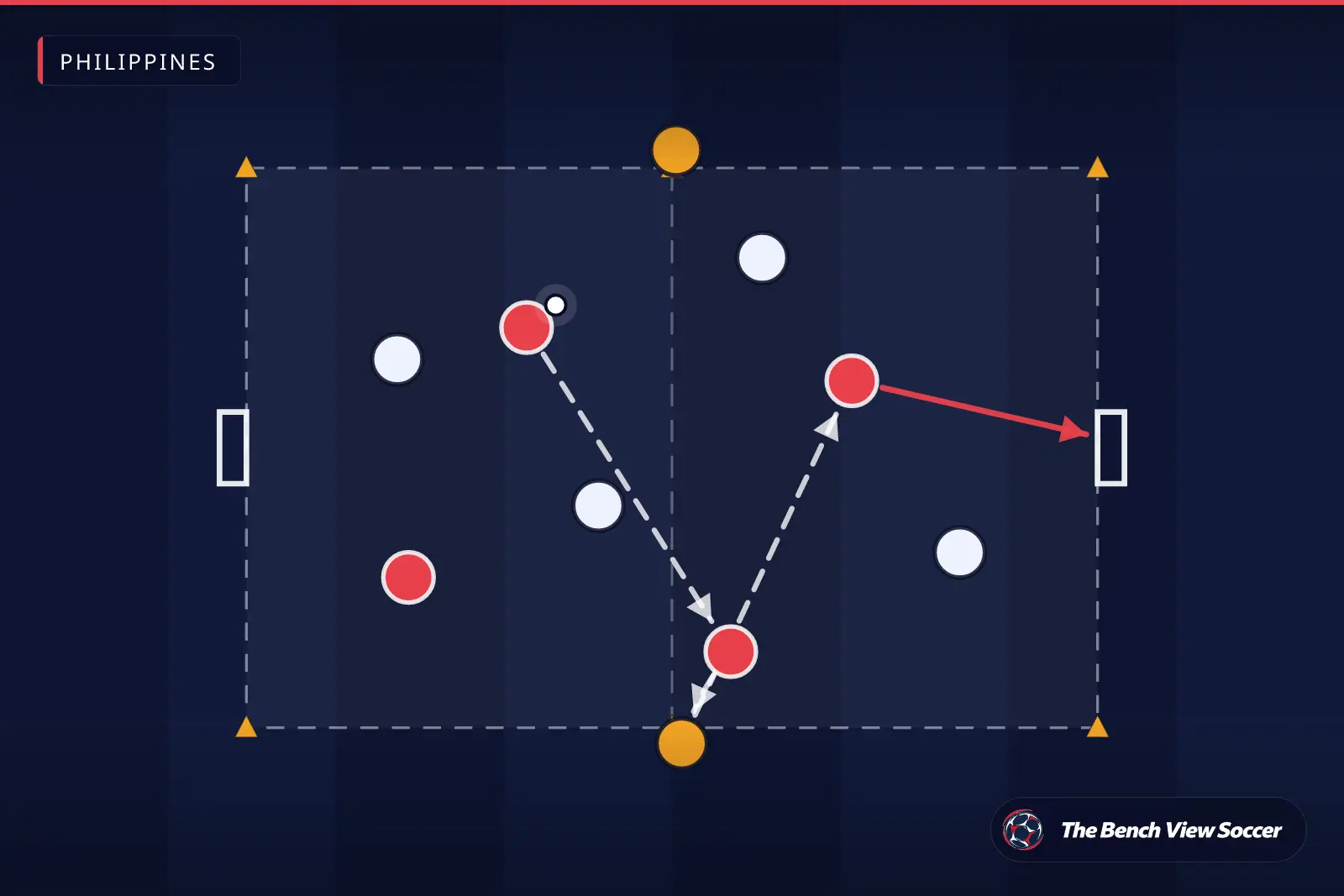
- Design specific routines: Create 3–4 corner and free-kick routines (near post, far post, edge-of-box flick, short corner) and rehearse them until players know roles by habit.
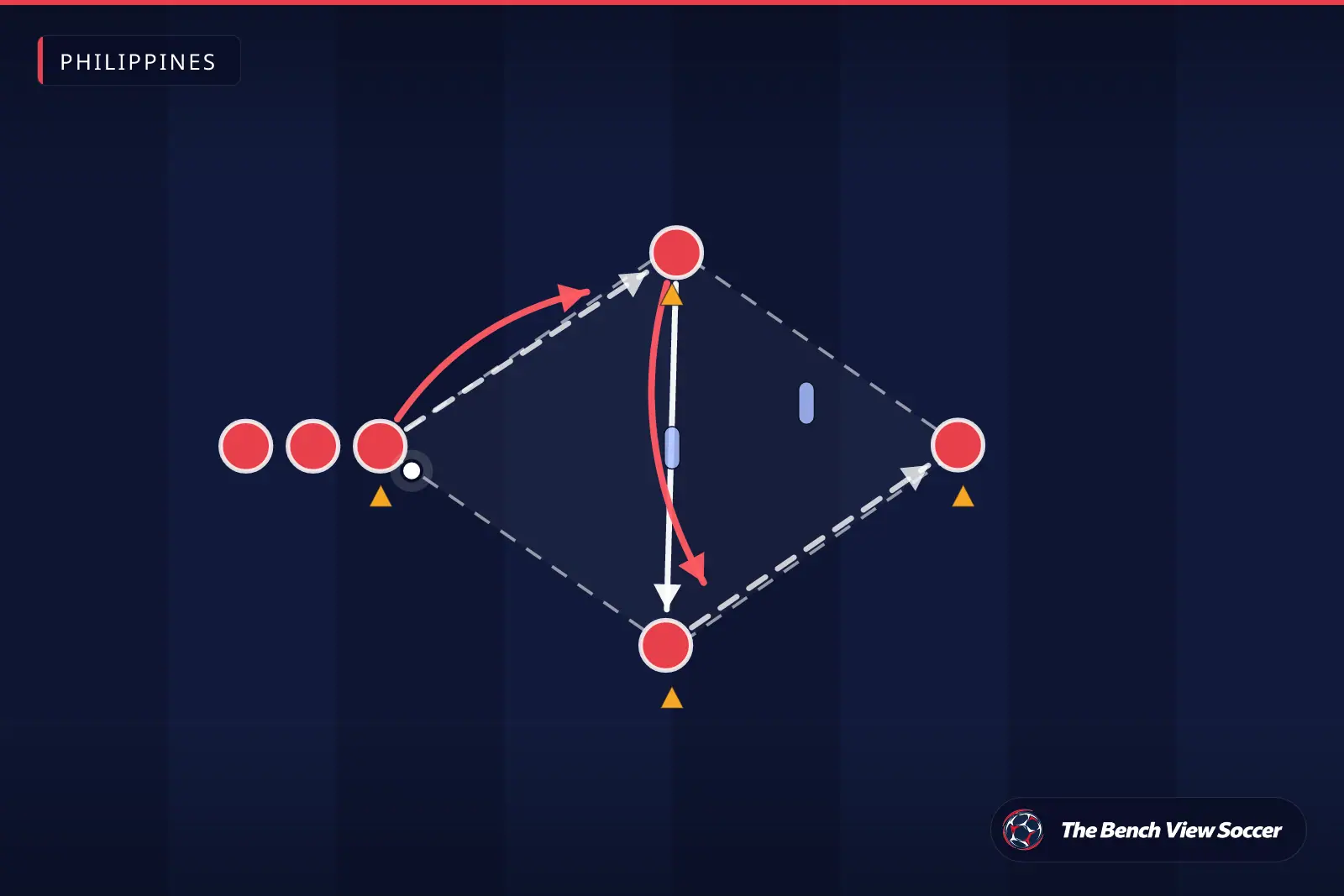
- Practice delivery under pressure: Bring defenders and passive goalkeepers to simulate match conditions. Alternate between full-speed deliveries and technical repetition to improve accuracy.
- Train goalkeeper and defensive set pieces: Goalkeepers and defenders must practice organization, zonal versus man-marking, and quick distribution for counter-attacks after a set piece.
- Review and adapt: Use video from PFL matches and training to refine movement timing, tweak runs and adjust based on pitch size or wind—repeat weekly and track conversion rates.
What are real examples from the PFL?
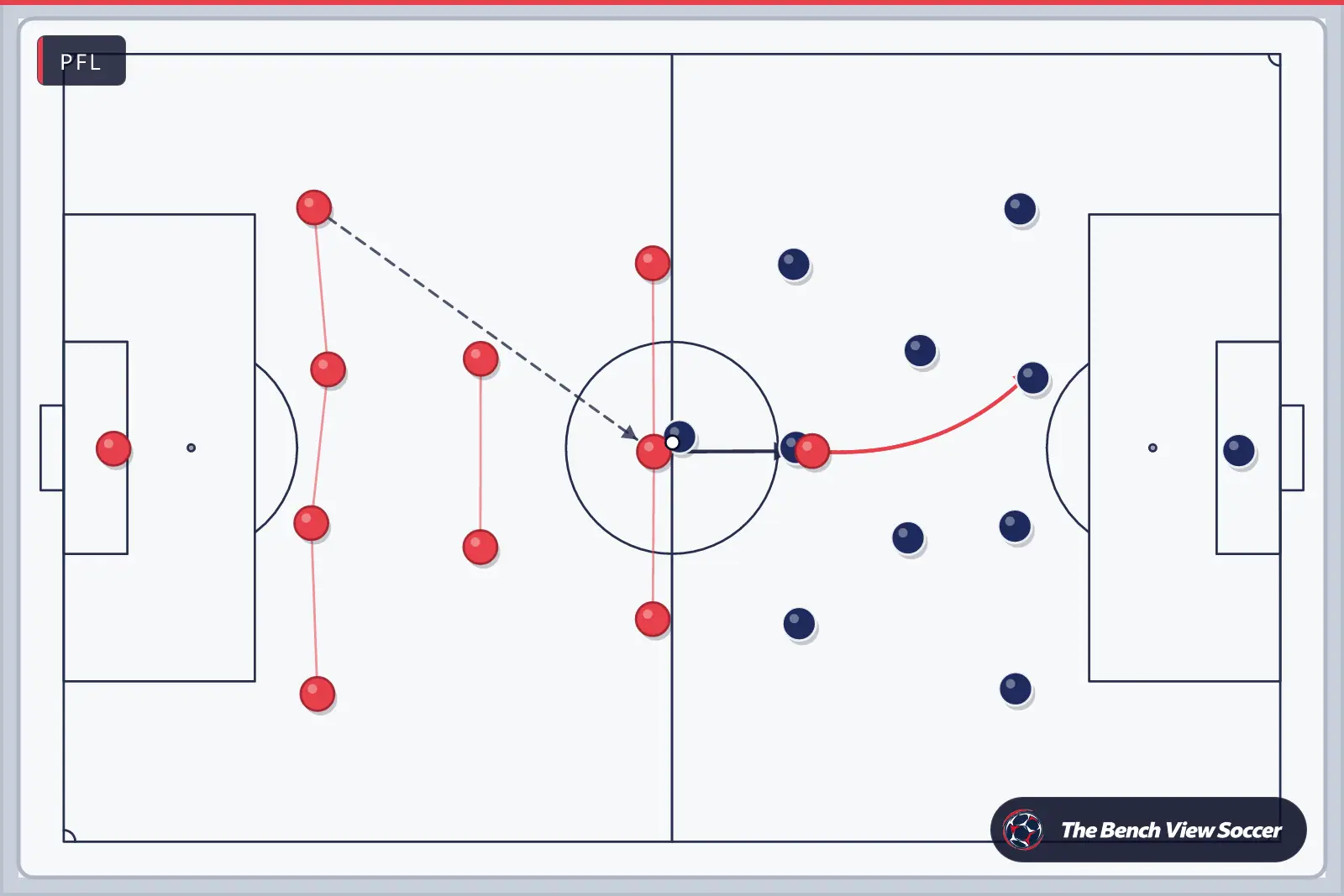
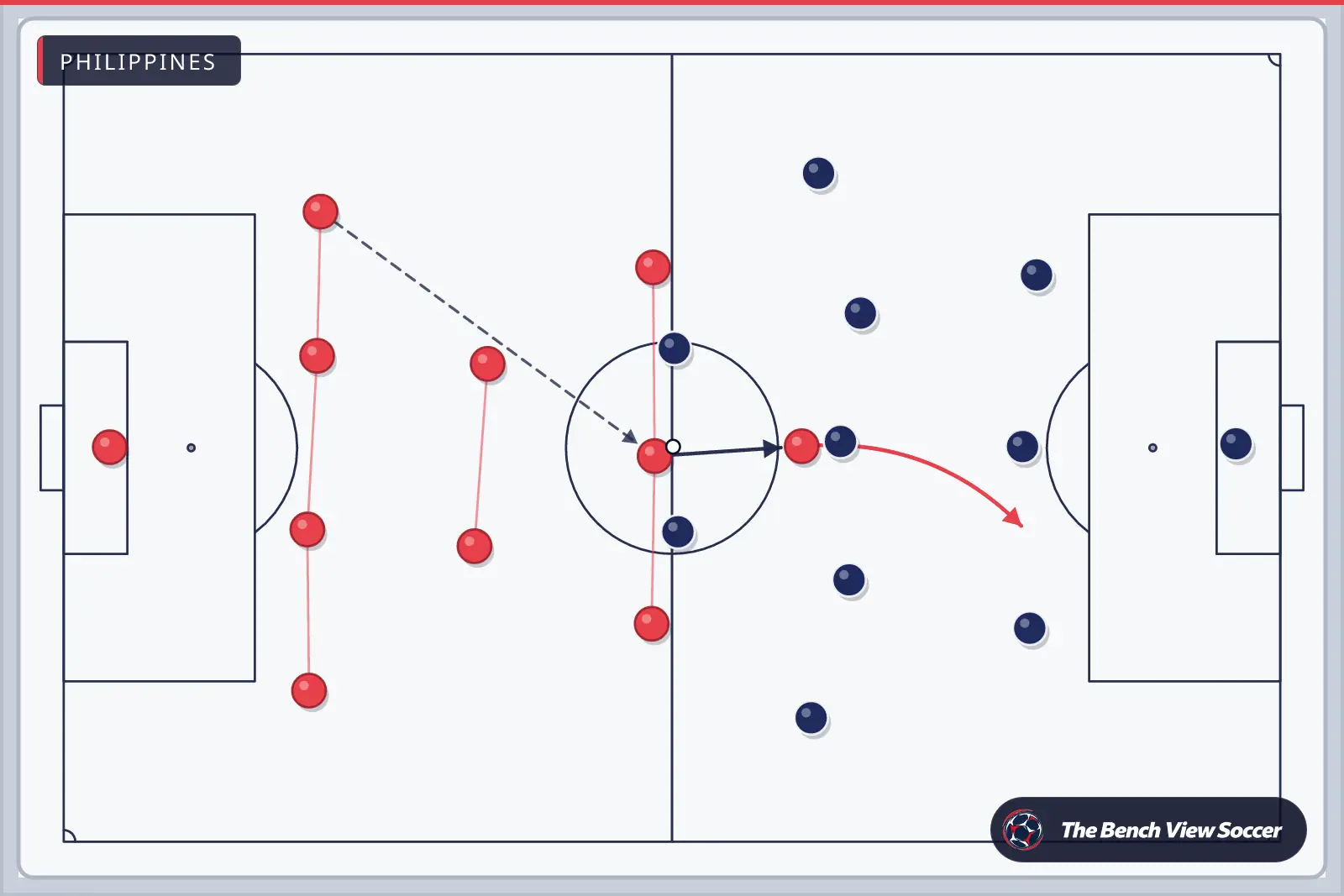
PFL clubs use set pieces creatively. One PFL side routinely uses short corners to overload the near side, while another trains disguised runs to free a tall striker at the far post. The Azkals national team has also shown practiced free-kick routines that combine decoy runs with second-ball readiness—techniques easily adapted to club sessions.
What are the best tips to train football set pieces?
- Repeat small routines often: Fewer routines done well beat many half-baked ideas.
- Prioritize delivery quality: Accurate pace and direction make or break set pieces on windy Philippine days.
- Use a practice goalkeeper and varied defenders: Realistic pressure improves decision-making.
- Drill second-phase play: Train players to react to cleared balls for quick follow-ups.
- Assign clear roles and signals: Simple verbal or visual cues reduce confusion during matches.
What mistakes should you avoid when training set pieces?
- Overloading routines: Don’t teach too many complex plays; players need mastery over variety.
- Ignoring conditioning: Fatigue affects delivery and timing—simulate late-game conditions.
- Skipping goalkeeper drills: Many teams focus on attack and forget defensive organization.
- Neglecting adaptability: One routine won’t work on every pitch or against every opponent—practice variations.
What are the Frequently Asked Questions?
A: Two focused sessions per week on set pieces is ideal: one emphasizing delivery and attacking routines, the other defensive organization and goalkeeper work. Short daily refreshers of 10–15 minutes before training matches also build muscle memory and confidence.
Q: Can amateur teams in the Philippines use PFL-style routines?A: Yes. Adapt PFL ideas to your players’ skill levels and pitch conditions. Simplify runs, prioritize a reliable delivery, and rehearse until patterns are reliable. Small, repeatable plays often outperform complicated professional routines in amateur matches.
Q: What equipment helps in set piece training?A: Basic cones, mannequins (or training poles), extra balls and a portable goal are sufficient. Video recording on a phone gives crucial feedback. For clubs, a practice rebounder or a crossbar target improves delivery consistency.
Q: How do I improve my free-kick accuracy?A: Practice specific targets—corner of the net, near post dip, or goalkeeper’s reach zone—using repetition and varied distances. Work on approach angle, foot placement and strike zone; add pressure by simulating a wall or timed attempts to mimic match stress.
Start our free courses on The Bench View Soccer. Build routines that fit local pitches and the growing standard of Philippine football; consistent practice turns dead-ball moments into decisive advantages in the PFL and beyond.