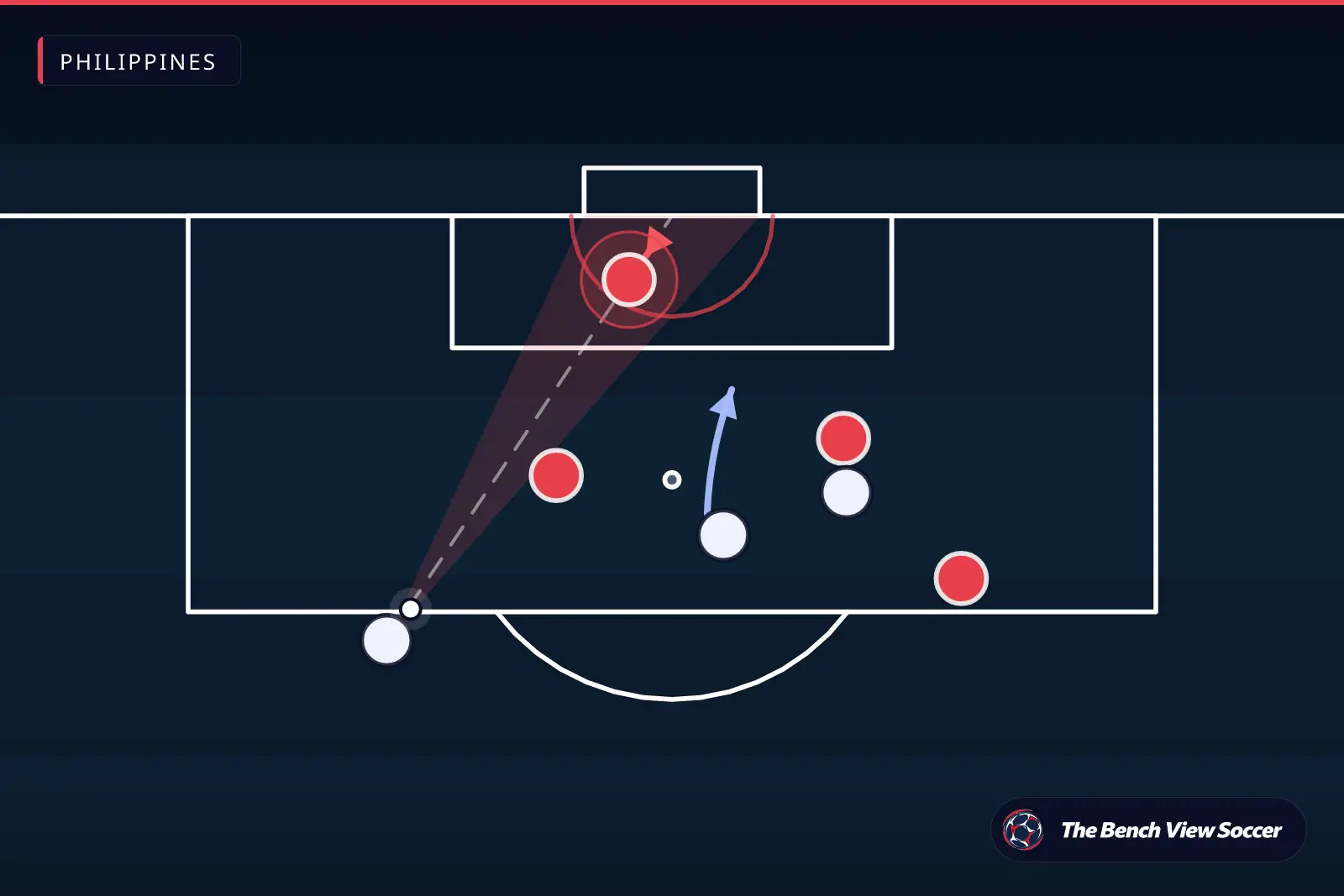
goalkeeper coaching tips Philippines
The Philippines is fast becoming a hotbed for football development: the PFL, Global-CESAFI, and growing academy networks are producing technical outfield players and keepers hungry to learn. Filipino goalkeepers now face higher expectations—from local clubs to Azkals camps—and need targeted, drill-based coaching to bridge the gap to international standards.
This drills-first guide gives coaches and aspiring keepers practical goalkeeper coaching tips Philippines coaches can implement immediately. The six drills below focus on technique, footwork, handling, distribution, reaction, and aerial control—everything a PFL or school-level goalkeeper needs to be reliable and confident.
-
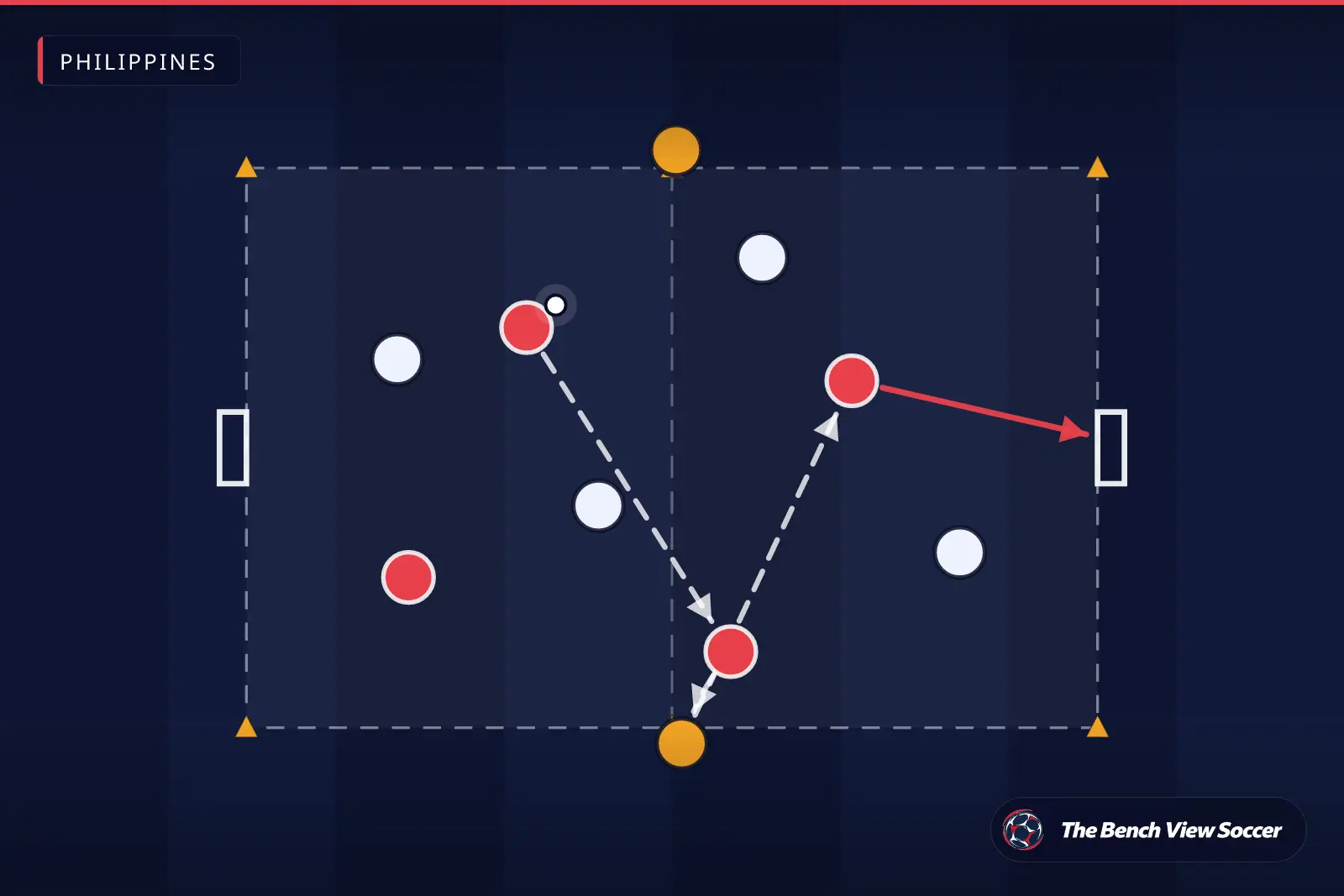
1. Hands-First Catching Under Pressure
Equipment: 4–6 footballs, cones, small goal or target area.
Step-by-step: 1) Keeper starts on goal line; 2) Coach feeds mid-height shots from 12–18 yards; 3) Add second feeder on opposite side creating rapid alternating feeds; 4) Introduce a skimmer or rebounder to change trajectory; 5) Finish with controlled distribution to a target.
Coaching cue: Eyes on the ball, soft hands, thumbs together — catch to chest, absorb the pace.
Progression: Increase shot speed, add decision (catch vs parry), or require one-touch distribution if under time pressure.
-
2. Low-Dive and Recovery Ladder
Equipment: Agility ladder or flat markers, mini-hurdles, footballs.
Step-by-step: 1) Quick footwork through ladder to simulate approach; 2) Coach rolls or chips low balls to either side; 3) Keeper executes technical low-dive, recovers to feet and plays out; 4) Repeat alternating sides with emphasis on snap-back.
Coaching cue: Lead with the shoulder, keep hips forward, push through the ground to recover quickly.
Progression: Add a shot to feet immediately after recovery to force balance under pressure.
-
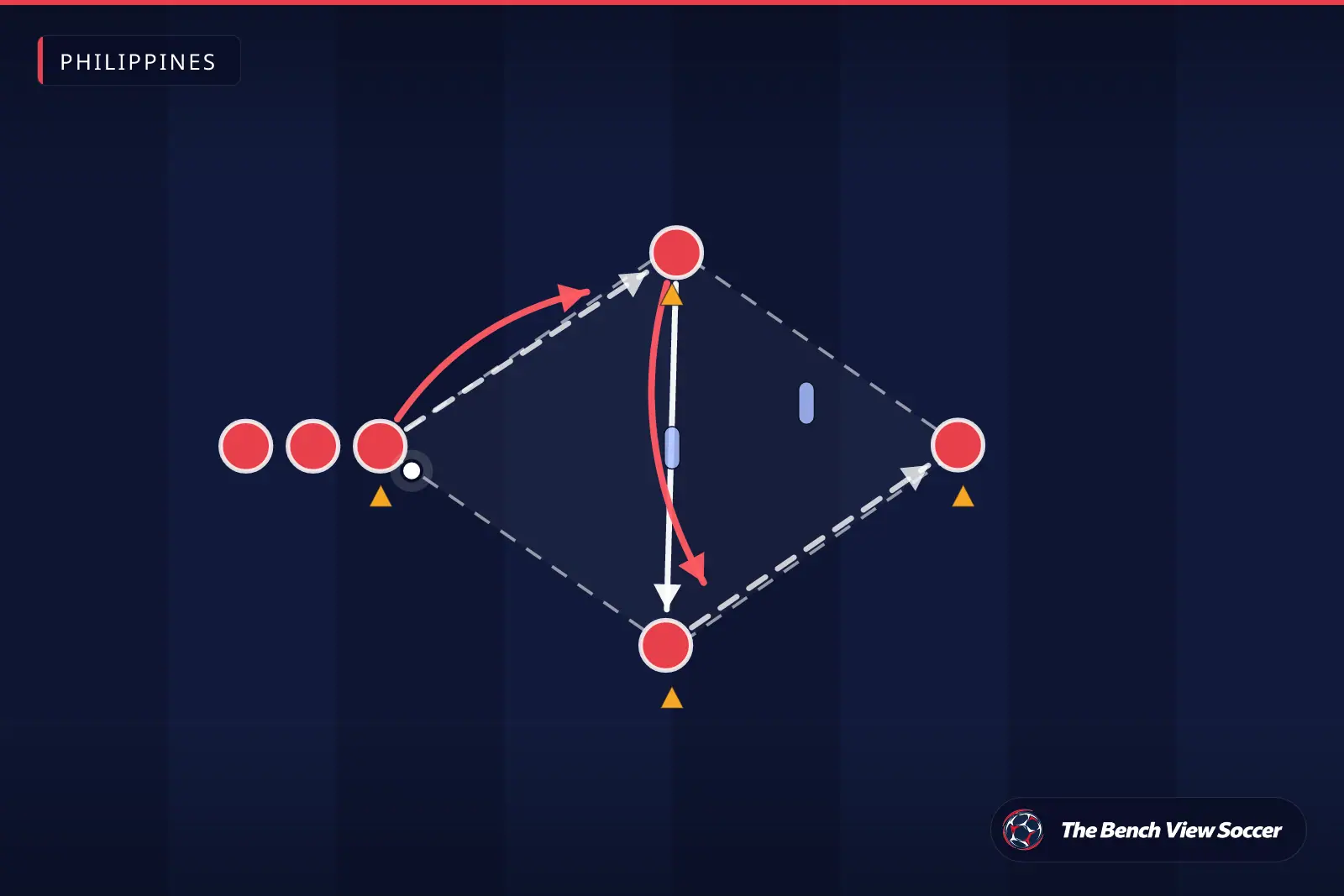
3. Distribution Accuracy Stations
Equipment: Cones to form targets, multiple balls, bibbed players or mannequins.
Step-by-step: 1) Set 3–4 target zones at varying distances; 2) Keeper chooses appropriate technique (throw, side volley, long kick); 3) Coach simulates press by adding a closing passer; 4) Score accuracy and speed.
Coaching cue: First touch sets direction—use hips and shoulders to aim, not just the foot or hand.
Progression: Tighten target windows, add decision-making like switching play under time constraints.
-
4. Reaction Split-Step and Close-Range Saves
Equipment: Reaction balls or tennis balls, short-range shooters, rebound board.
Step-by-step: 1) Keeper starts center; 2) Coach uses reaction ball or short passes to create unpredictable bounces; 3) Keeper performs split-step, adjusts body and hands, and makes low, mid, and high saves; 4) Increase speed of feeds in sets.
Coaching cue: Quick split-step to unlock hips, hands ready in front of chest for first contact.
Progression: Reduce reaction time window and add second-phase recovery for follow-up shots.
-
5. Crossing and Aerial Command
Equipment: Full-size balls, cones, 3–4 attackers/crossers.
Step-by-step: 1) Start with controlled crosses; 2) Keeper practices timing (step, jump, catch/punch); 3) Introduce defenders to increase contest; 4) Finish with distribution to restart play.
Coaching cue: Own the six-yard box—call early, meet high, elbows strong but hands focused on the ball.
Progression: Add greasy or wet balls to simulate rainy PFL conditions, emphasize secure catching.
-
6. 1v1 Recovery and Angles
Equipment: Full balls, small goal or full goal, cones for channels.
Step-by-step: 1) Attacker starts 20 yards out on a channel; 2) Keeper narrows angles by stepping out; 3) Attacker attempts to dribble or shoot; 4) Keeper times committed save and recovers for follow-up.
Coaching cue: Small steps to close down, stay big across body, delay commitment until last moment.
Progression: Increase attacker skill, add a second attacker for rebound threats.
What is goalkeeper coaching?
Goalkeeper coaching is the structured process of developing technical skills (handling, diving, distribution), tactical understanding (angles, positioning, game management), physical attributes (explosive power, agility), and psychological resilience. For the Philippines, it also means adapting training to local pitches, climate, and the tactical profiles seen in PFL and Azkals matches.
Related Resources
How to coach goalkeepers effectively?
- Assess current level: run simple tests for handling, diving, distribution and footwork.
- Plan progressive sessions: start with technique drills, then introduce pressure and decision-making.
- Use small-sided games that force goalkeeper involvement—build reading and communication skills.
- Integrate video: review saves, positioning, and distribution from PFL games and Azkals footage.
- Measure and adapt: track errors, set weekly targets, and adjust workload for recovery in hot Philippine conditions.
What are real examples from PFL?
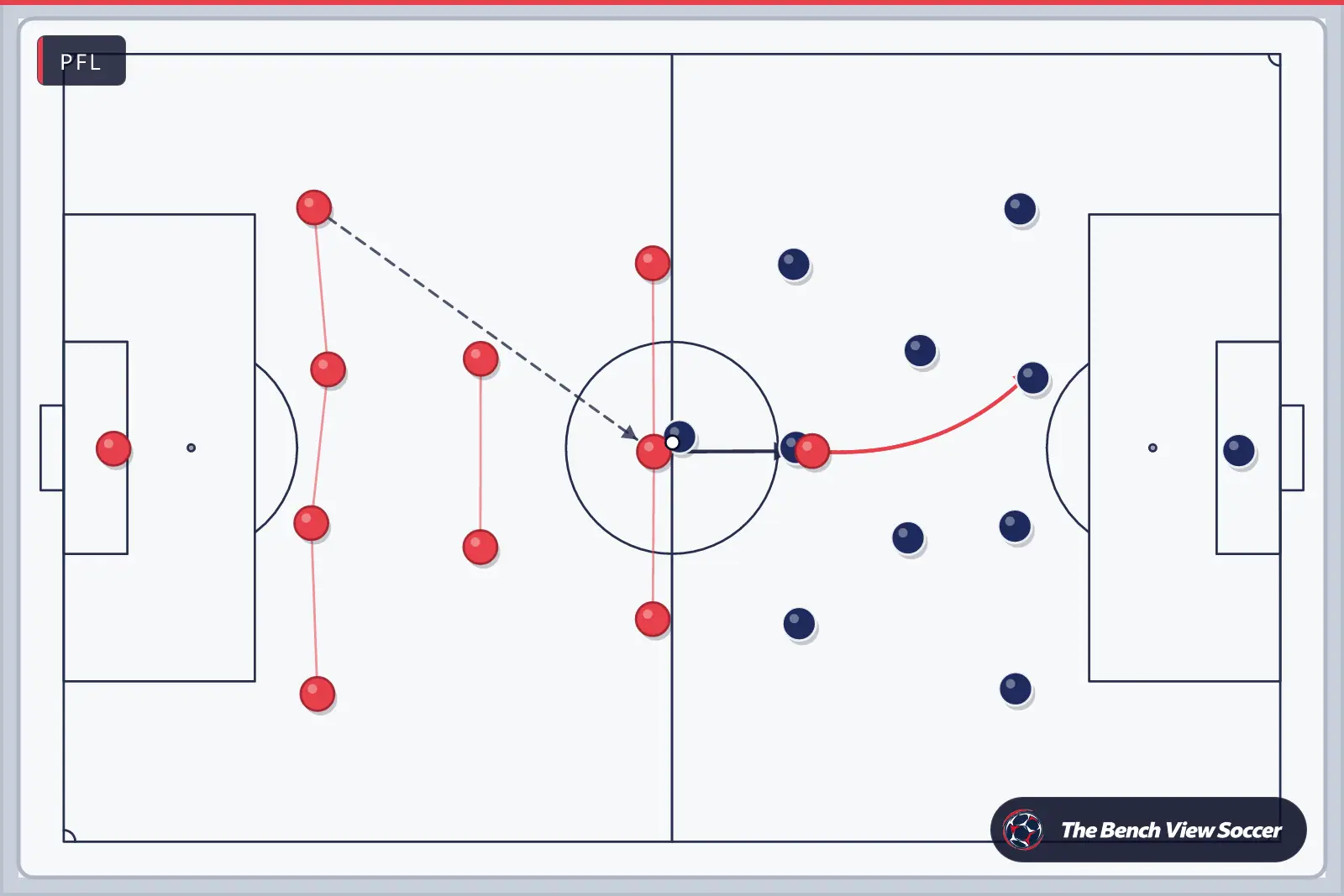
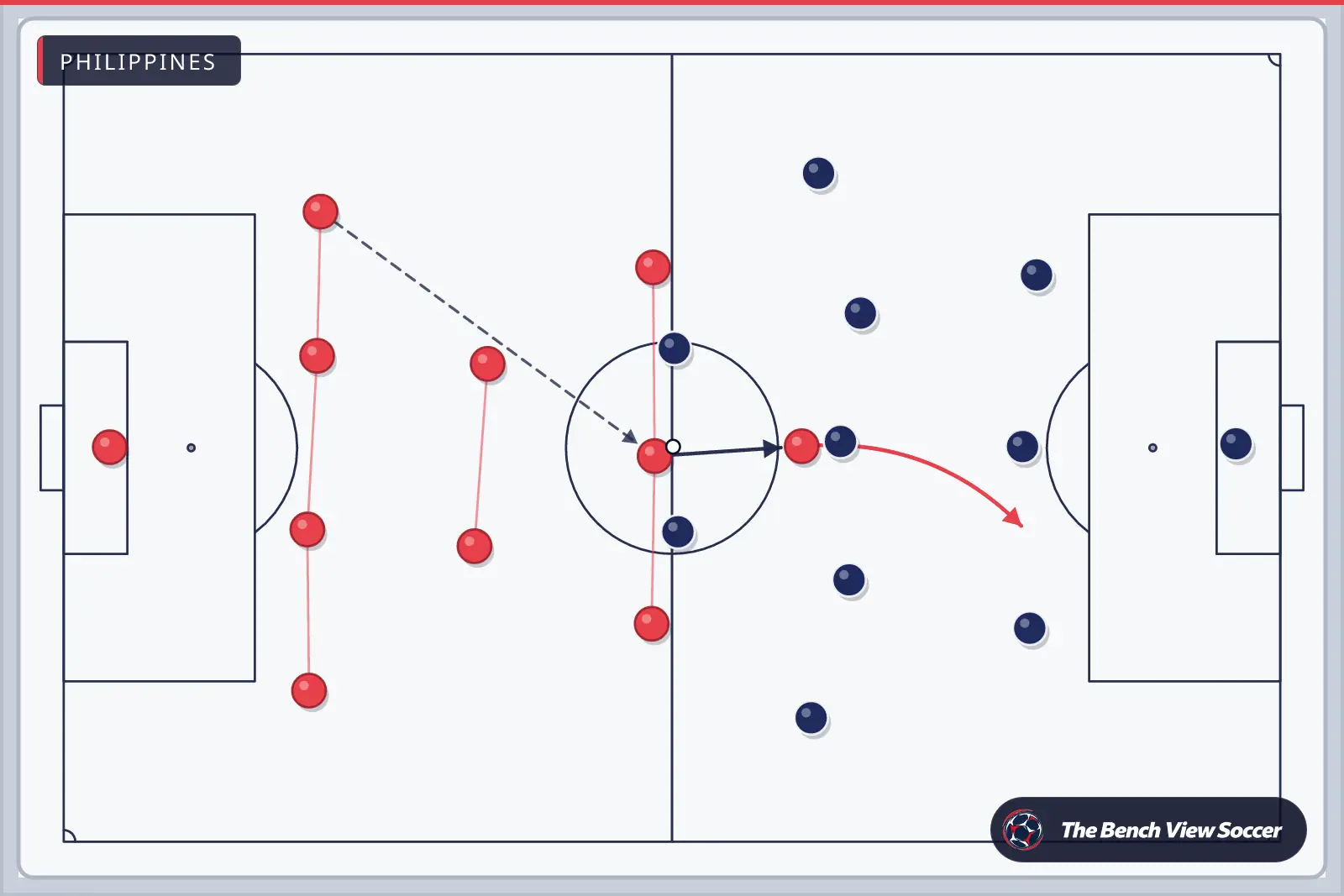
PFL clubs increasingly adopt modern keeper coaching. For example, clubs like Kaya–Iloilo and Stallion Laguna use tailored distribution drills to mirror European pressing trends, while Azkals camps emphasize reaction drills and communication under pressure. College competitions such as Global-CESAFI produce keepers who excel in shot-stopping but benefit from improved ball-playing skills.
What are the best tips to improve goalkeeper performance?
- Prioritize footwork and body shape—good feet make saves easier.
- Rehearse common match scenarios (set pieces, crosses, close-range rebounds).
- Train distribution under pressure—modern PFL tactics demand a confident ball-playing keeper.
- Build recovery and conditioning for hot, humid match environments in the Philippines.
- Use game video from the Premier League and AFC Cup to model elite decision-making and positioning.
What mistakes should coaches and keepers avoid?
- Overemphasizing shot-stopping at the expense of distribution and decision-making.
- Neglecting footwork drills—poor feet lead to late reactions and bad angles.
- Not adapting drills to local pitch and weather conditions common in the Philippines.
- Failing to simulate pressure—training must include realistic match speed and stressors.
Frequently Asked Questions
Q: How often should youth keepers practice these drills?
A: Two to three targeted goalkeeper sessions weekly, plus participation in team training, balances skill acquisition and recovery. Short, focused drills three times per week build muscle memory without overuse—adjust for matches and tournaments in the PFL calendar.
Q: What equipment is essential for Philippine grassroots clubs?
A: Basic essentials include multiple footballs, cones, agility markers, gloves, and a rebound surface. For coastal or rainy regions add dry gloves and spray chalk for visibility. Quality balls and simple markers let coaches run all six core drills effectively.
Q: How do I prepare a keeper for wet, slippery pitches?
A: Emphasize secure catching technique, low-body balance, and safe punching. Practice with wet balls to simulate conditions and teach players to use the chest to control pace. Footwear choices and timed recovery are also crucial in humid climates.
Q: When should a goalkeeper focus on distribution vs shot-stopping?
A: Begin with fundamentals (handling and positioning) at younger ages, then progressively add distribution work from early teens. By the senior PFL level, a keeper must be proficient at both—train distribution twice weekly alongside technical saves.
Philippine coaches who apply these goalkeeper coaching tips Philippines with consistency will accelerate keeper development across academies, colleges, and the PFL. Use the drills above as core weekly components and adapt progressions to each keeper's stage.
Start our free courses on The Bench View Soccer.
Train Your Goalkeeping
Goalkeeper-specific drills and positioning
Start free on The Bench View Soccer →