how to defend in football Philippines
Football in the Philippines is growing fast. With the PFL, more youth players and fans follow the Azkals and league teams like Kaya and United City. Learning basic defending helps any beginner enjoy games and do better in training or small-sided matches.
This simple guide explains what defending is, step-by-step actions, five easy home or small-space drills, real examples from the PFL, common mistakes to avoid, and clear tips you can practice today.
What is defending in football?
Defending in football means stopping the other team from scoring. It includes individual skills like tackling and marking, and team actions like staying compact, covering teammates, and clearing danger. Good defenders read the game, move as a unit, and make smart choices under pressure.
How to defend in football?
- Stance and footwork: Stay low on your toes, knees slightly bent, weight forward. Practice moving left and right quickly. This gives time to react to dribbles and passes.
- Close down space: Approach the attacker at an angle to force them away from goal. Don’t dive in—jockey and delay. Use small touches backward or sideways to stay balanced.
- Use your body: Shoulder-to-shoulder contact and simple shepherding can push attackers away from dangerous zones. Keep the ball in front of you and use your non-kicking foot to block angles.
- Recover runs: If beaten, sprint back to cover the gap between you and the goalkeeper. Short, sharp recovery runs win many youth games and small-sided matches.
- Communicate and clear: Shout simple instructions—"mine," "leave it," "time." If in doubt, clear the ball safely to touch or upfield. Simple clears protect your goal.
Five easy home/small-space drills
- Mirror steps (1 minute rounds): Face a partner or a wall. Move laterally and mirror fast movements. Improves stance and footwork in tight spaces.
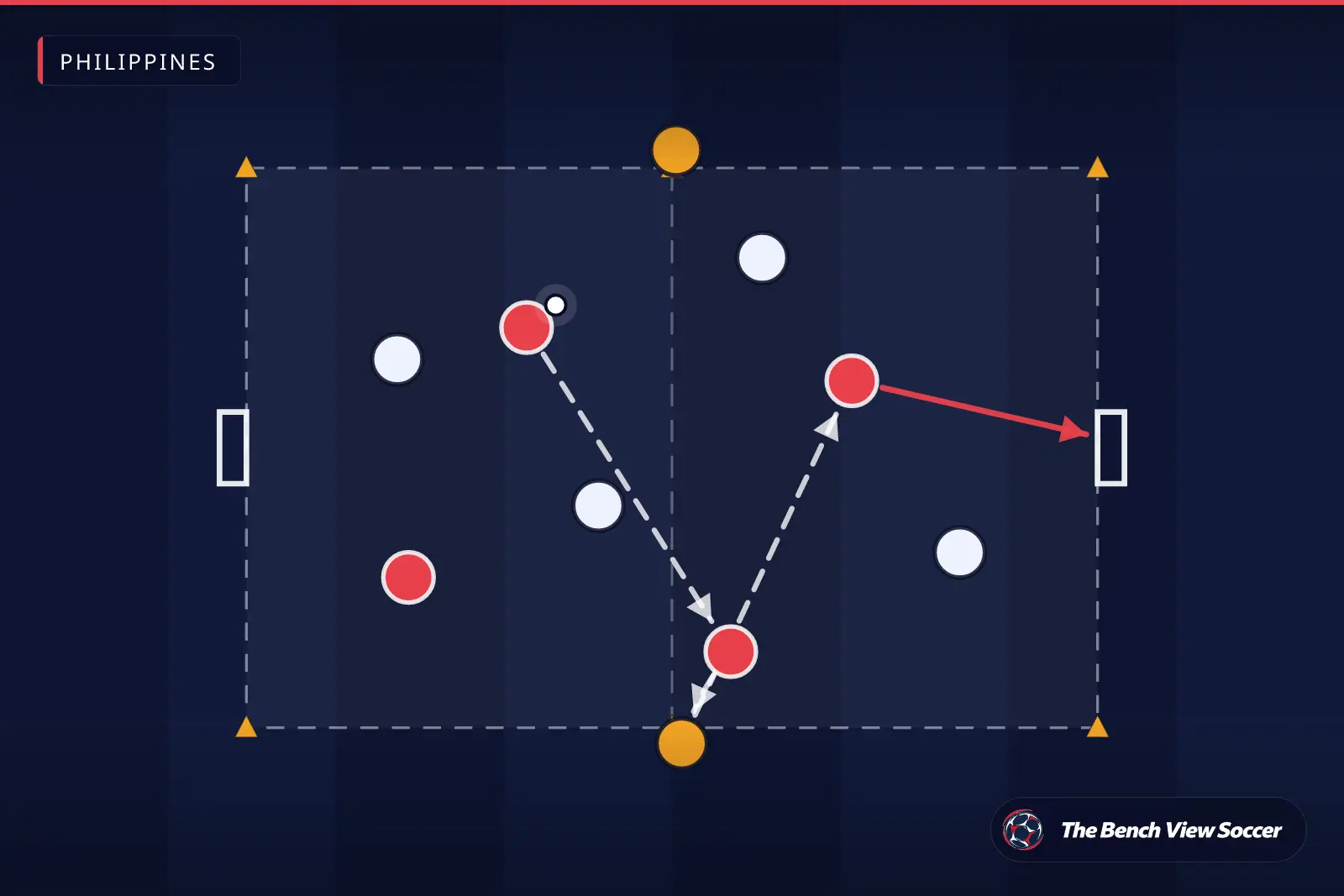
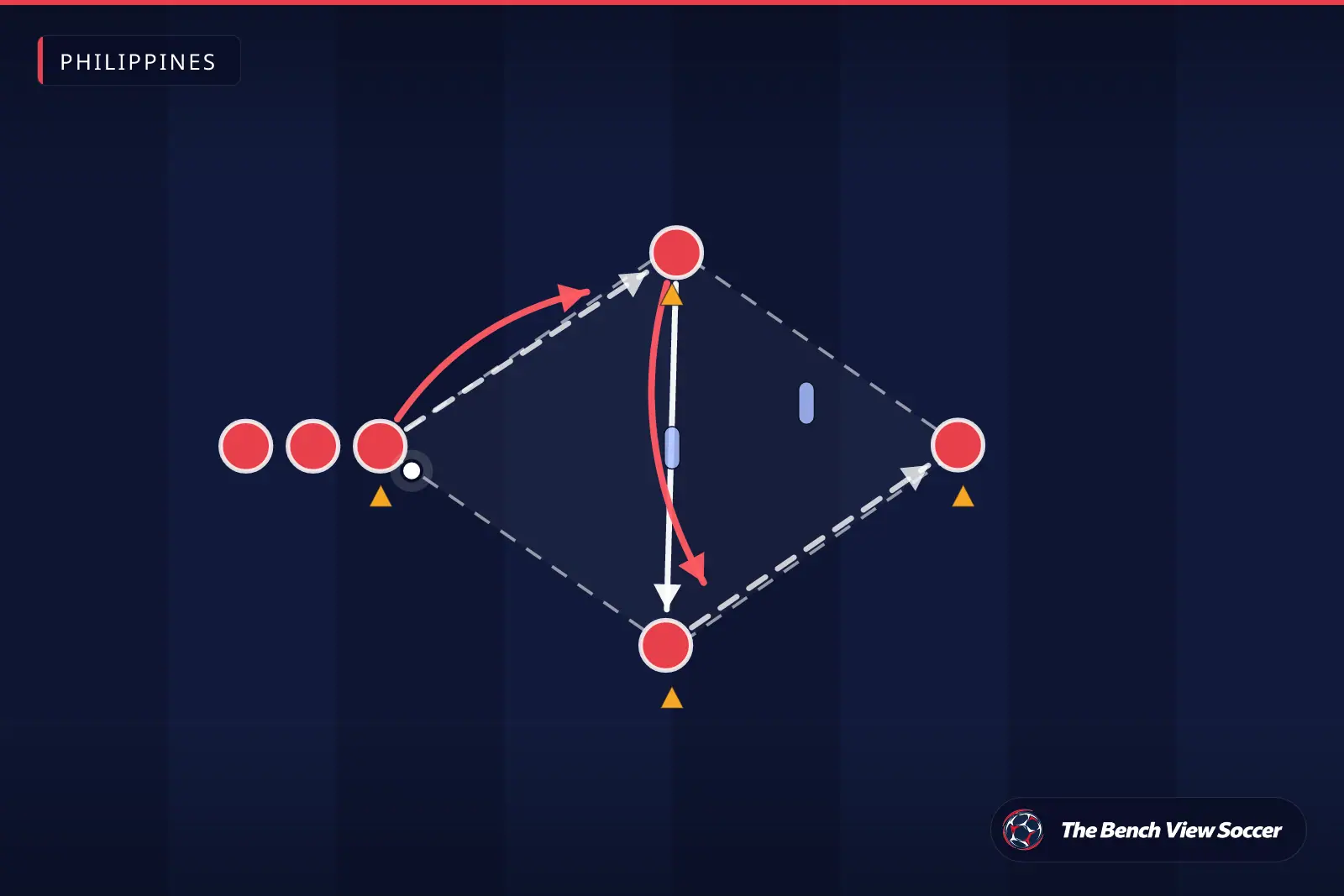
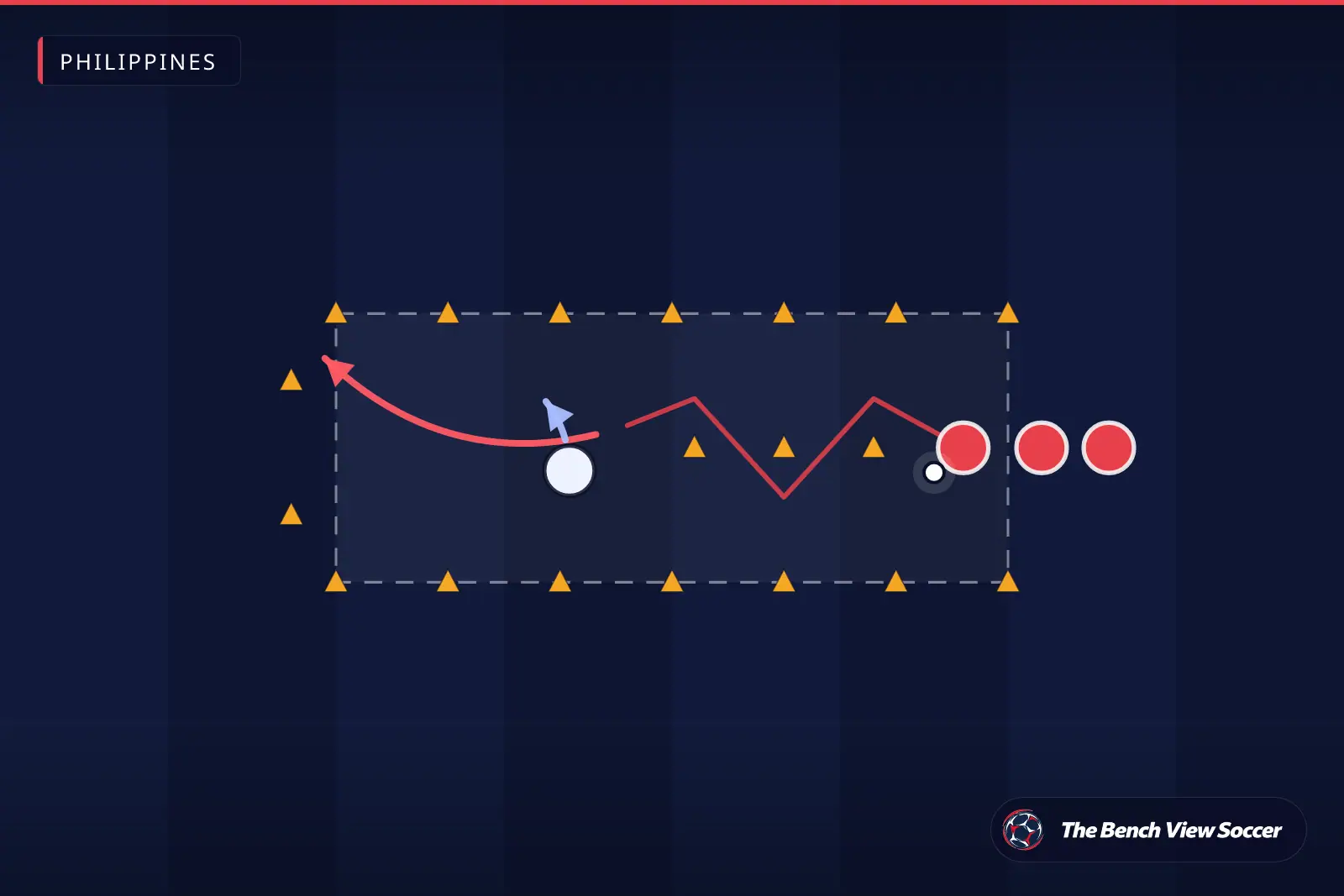
- Close-down cones (5–10m): Set two cones 5m apart. Start at cone A, attacker dribbles from B to A, defender practices closing down at an angle and forcing the attacker wide.
- 1v1 recovery sprint: One attacker dribbles forward, you defend; if beaten, sprint to recover and tackle on the second touch. Builds speed and resilience.
- Shield-and-tackle soft ball: Use a soft ball or rolled towel. Practice shoulder contact and timed poke tackles in a small circle—focus on timing, not strength.
- Passing under pressure: Two defenders press one passer in a 3x3m box. The passer must control and find a safe touch. Train passing out under pressure and clearing when necessary.
Real examples from PFL?
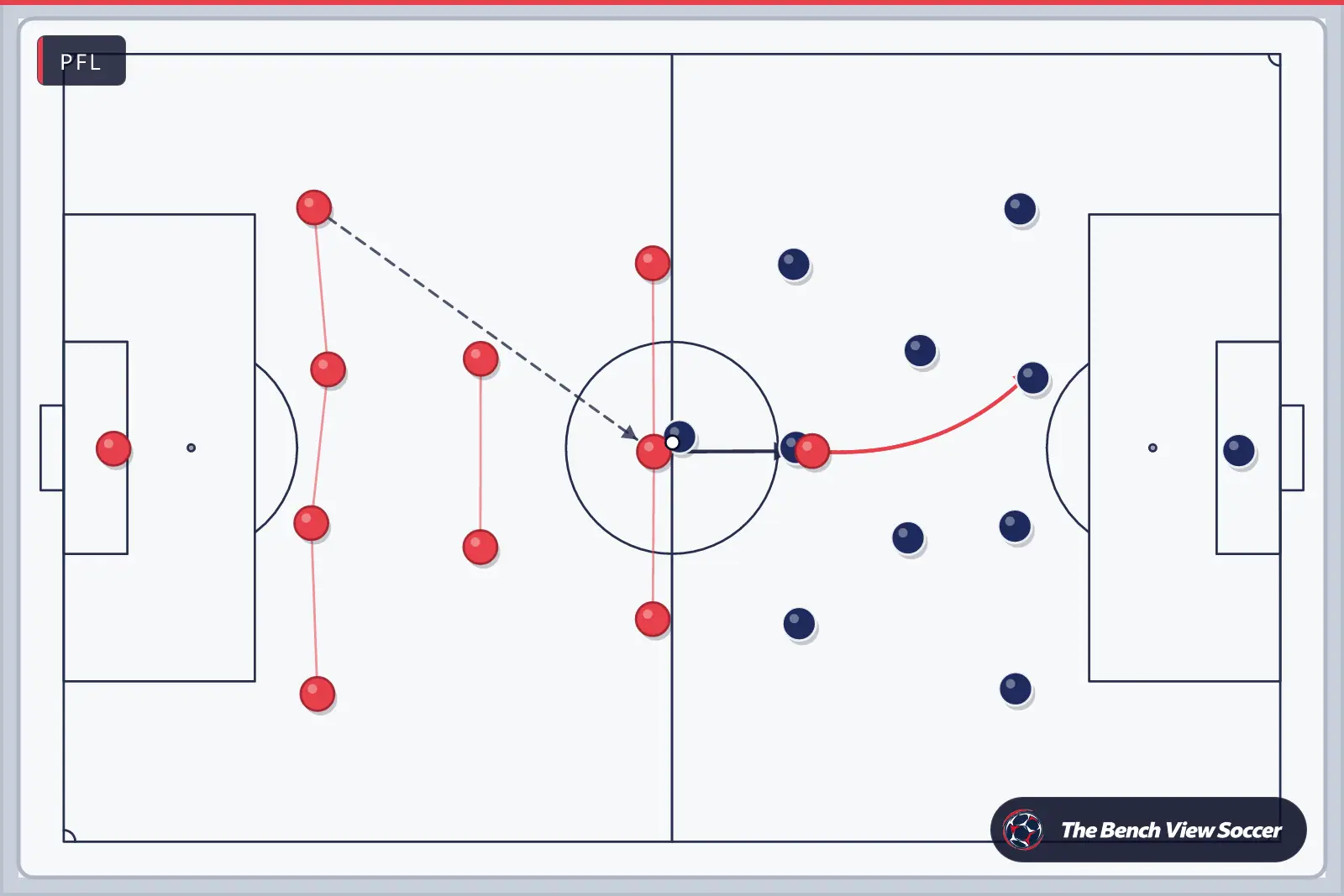
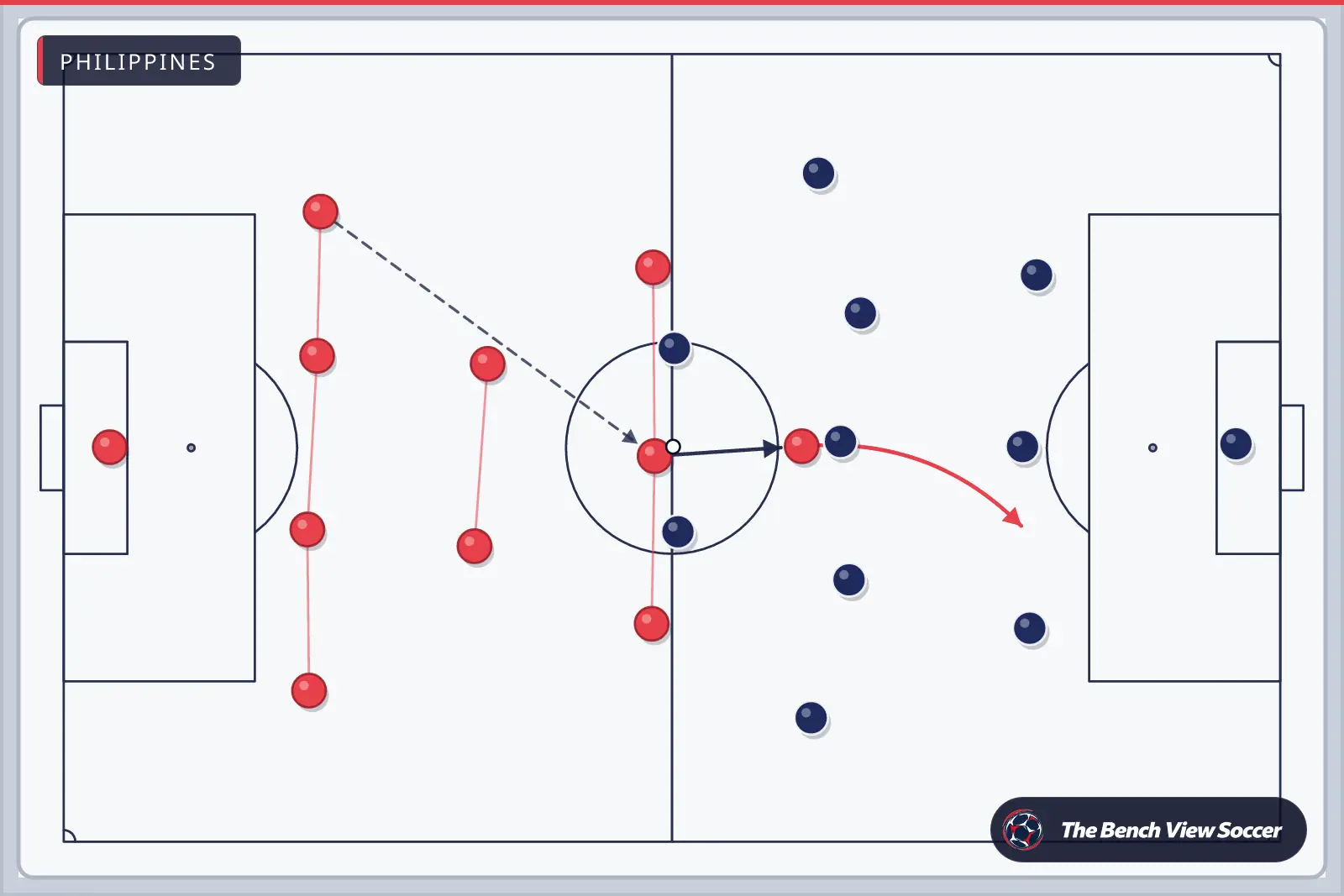
Philippine Football League teams show practical defending you can copy. Kaya’s compact lines and quick block defending are good for beginners to study. United City often defends by staying organized, letting attackers run into traps and then winning the ball back. The Azkals national team emphasize teamwork, covering spaces and communication—skills any player in the Philippines can practice.
Watch PFL or Azkals videos and focus on simple actions: where defenders stand, how they delay attackers, and when they clear. Apply those ideas to your drills and small-sided games.
Best tips to defend in football?
- Watch the ball, not the player’s feet—this helps you react to passes and shots.
- Keep your shape: stay compact with teammates to deny space between lines.
- Use short, focused practice sessions—repeat small drills daily for muscle memory.
- Communicate: one-word calls keep things simple and effective on pitch.
- Play European league clips: Premier League highlights show high-level defending to model in slow motion.
Mistakes to avoid?
- Don’t dive in too early—committing leads to easy dribbles past you.
- Don’t watch the ball only—lose awareness of attackers’ runs and support positions.
- Avoid standing flat-footed—this slows your reaction and recovery runs.
- Don’t panic clear—clear with purpose to reduce turnovers and second-chance chances.
Frequently Asked Questions?
1. How quickly can a beginner improve defending?
With consistent practice, a beginner can see real improvement in 4–8 weeks. Daily short drills for footwork, 1v1s, and recovery runs help build confidence. Watching PFL games and copying small actions speeds learning. Focus on simple habits: stance, angle, and communication.
2. Are these drills safe to do at home?
Yes. All five drills use low-impact movements and small spaces. Use a soft ball for contact drills and clear any obstacles. Warm up for five minutes, keep sessions short (10–20 minutes), and stop if you feel sharp pain. Safety first for steady progress.
3. Do I need a teammate to practice defending?
Some drills need a partner, but many can be done solo using a wall, cones, or a rebounder. Mirror steps, cone close-downs, and recovery sprints work alone. Join local PFL youth sessions or small-sided games to practice real 1v1 defending once ready.
4. How does defending differ between club and national level?
Club football (PFL) focuses on consistent training and team shape week to week. National teams like the Azkals often prepare tactics quickly and emphasize disciplined organization. For beginners, focus on universal basics: positioning, quick tackles, and teamwork—these apply at any level.
Start our free courses on The Bench View Soccer.
Train Your Technical Skills
Dribbling, control, and beyond — step by step
Start free on The Bench View Soccer →