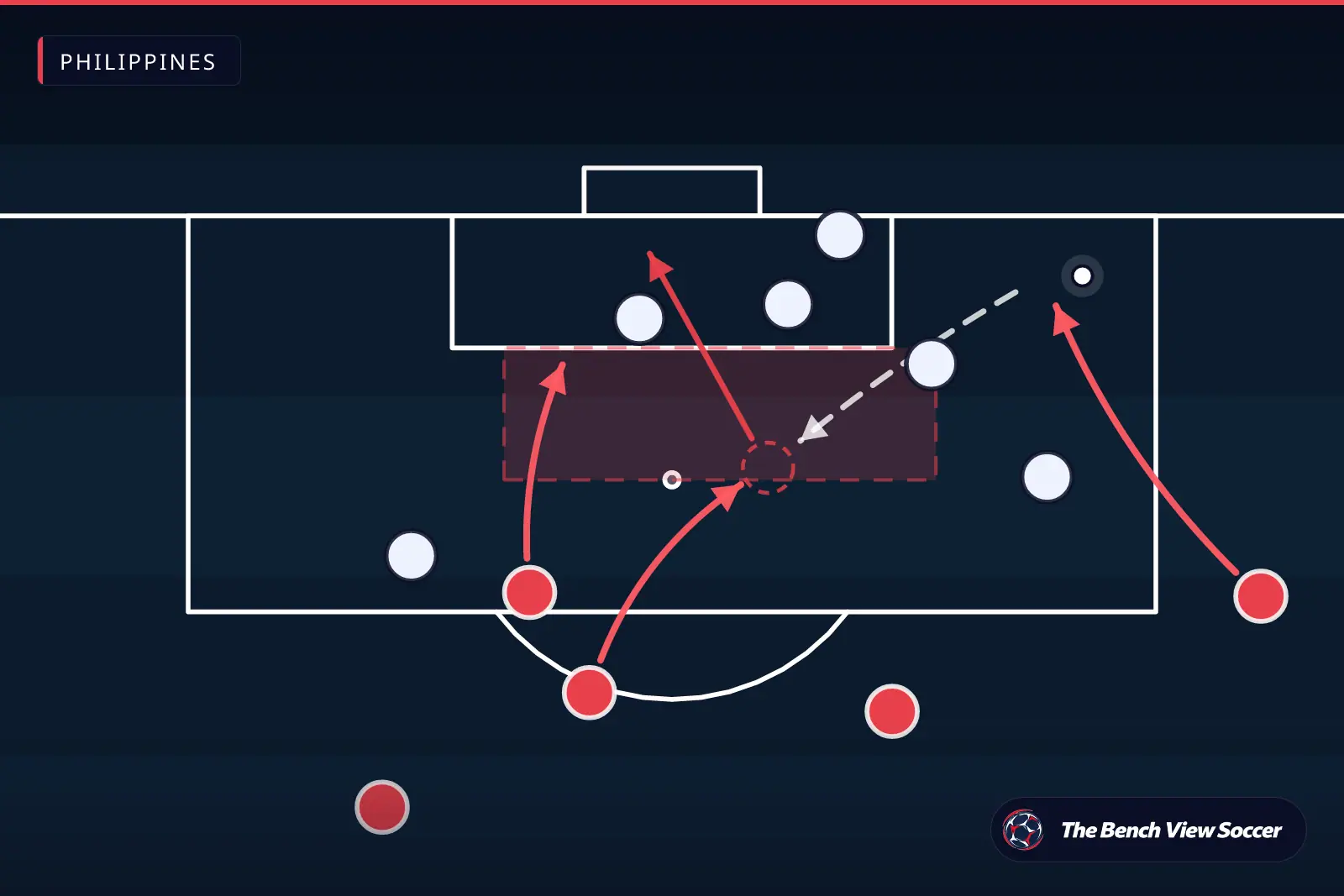
how to improve football finishing Philippines
The Philippines is entering a new phase: with the PFL gaining traction, increased AFC Cup exposure and university competitions like Global‑CESAFI feeding talent into clubs, finishing ability is a decisive differentiator. Coaches and players must close the gap between training reps and match outcomes to raise conversion rates across all levels.
This advanced article explains what finishing is, how to methodically develop it for Filipino players, examples from PFL environments, pro-level drills, common mistakes, and actionable steps a coach can implement immediately.
What is football finishing?
Football finishing is the blend of technical striking mechanics, spatial decision-making, and psychological control required to convert goal-scoring opportunities. It covers foot and body alignment, ball contact zones, timing, one-touch versus composed finishes, headers, volleys, and the cognitive process of selecting the optimal finish under pressure.
How to improve football finishing?
- Assess and baseline: Video-match review and quantified metrics. Track shot locations, body shape on contact, expected goals (xG) per chance type, and conversion rate. Identify recurring weaknesses (weak foot, volleying, composure inside six yards).
- Rebuild technical scaffolding: Daily micro-sessions (10–15 minutes). Focus drills: inside-foot placement to corners, instep power drives, toe-poke for tight spaces, headers with neck extension. Emphasise foot placement, hip rotation, plant‑foot distance and striking contact point.
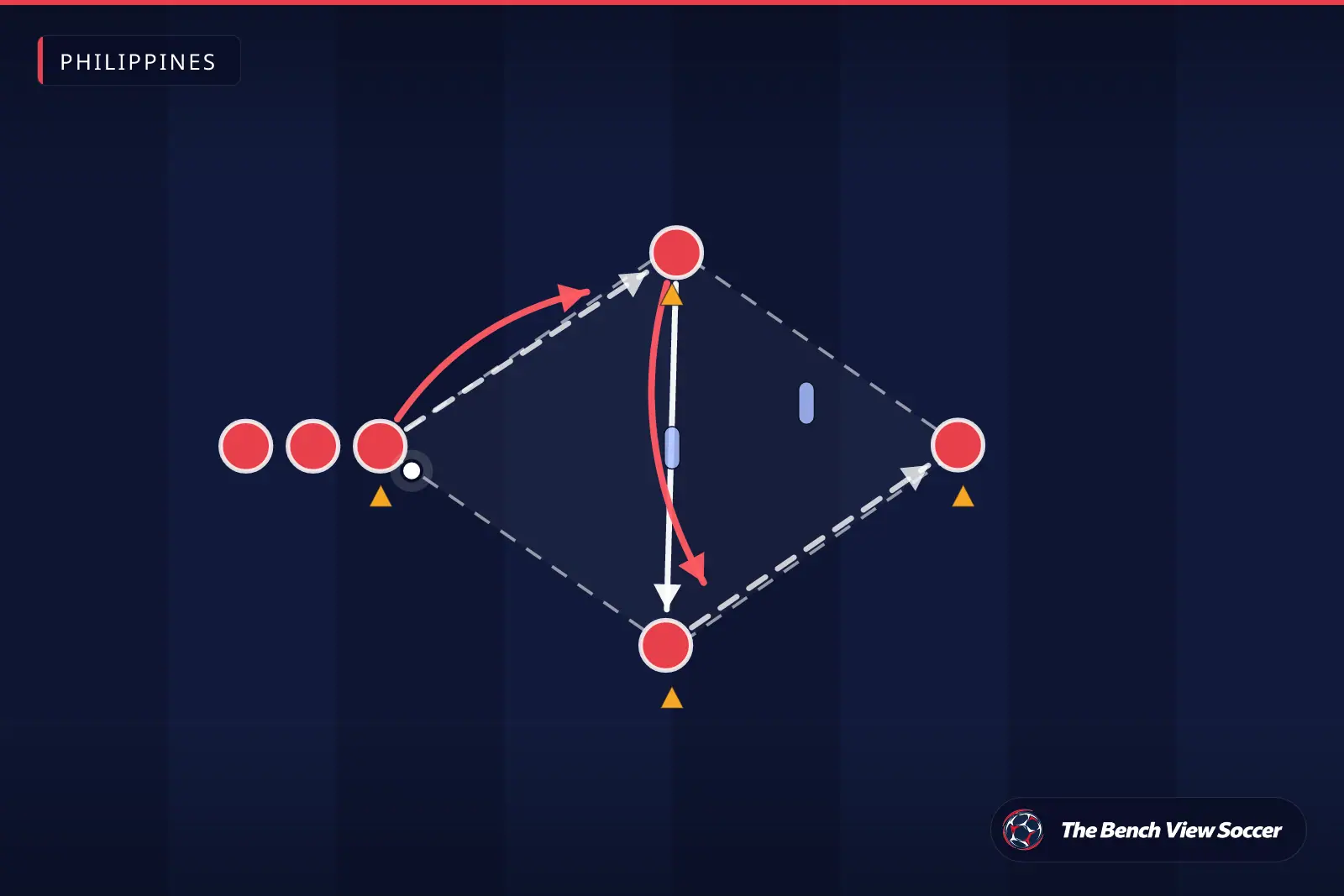
- High‑quality repetition with progressive constraints: 8–12 reps per drill, increasing speed and pressure. Start isolated (static ball), progress to jogging service, then match-speed crosses and through‑balls. Use progressive overload: accuracy target circles decreasing in size across weeks.
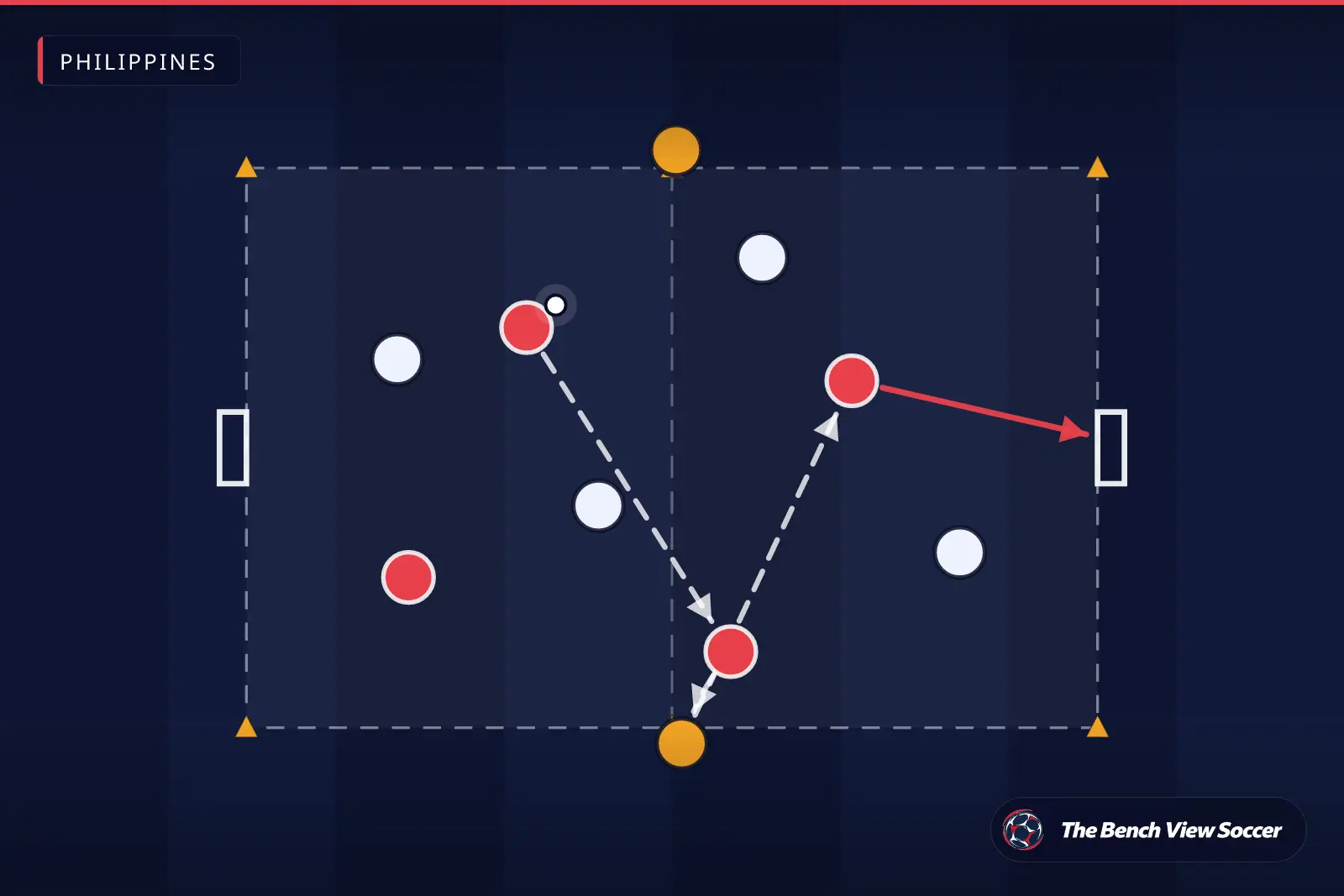
- Game-realistic decision training: Small‑sided patterns and rondos that end with a finishing action. Add variables: weaker foot only, one-touch only, or under physical contact. Include goalkeeper reads so shooters train placement over pure power.
- Analysis, recovery and periodisation: Integrate weekly video review, individualized load plans, and mental routines for composure (breathing, trigger cues). Schedule technical finishing blocks in preseason then maintenance across the season to avoid skill decay.
What are real examples from the PFL?
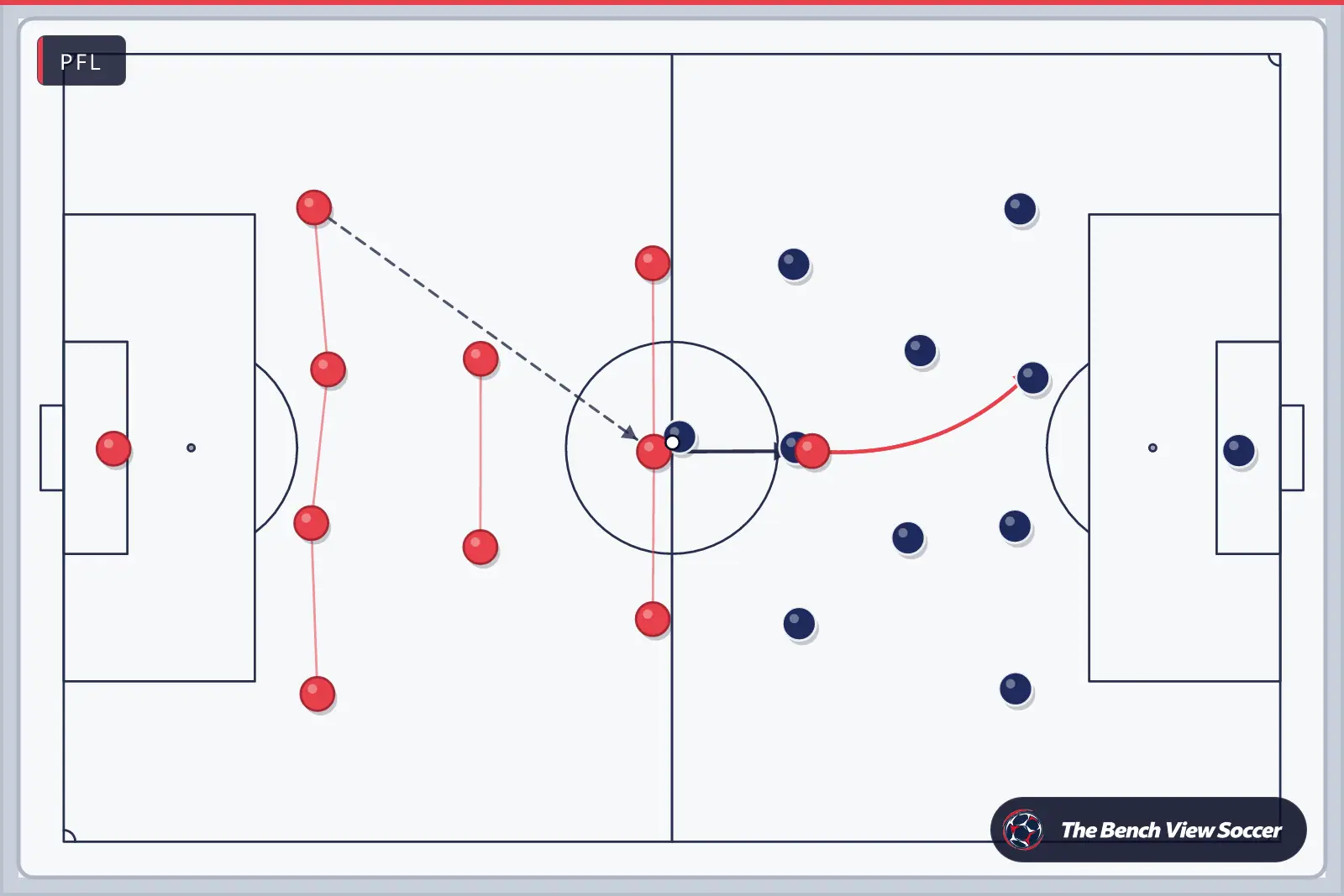
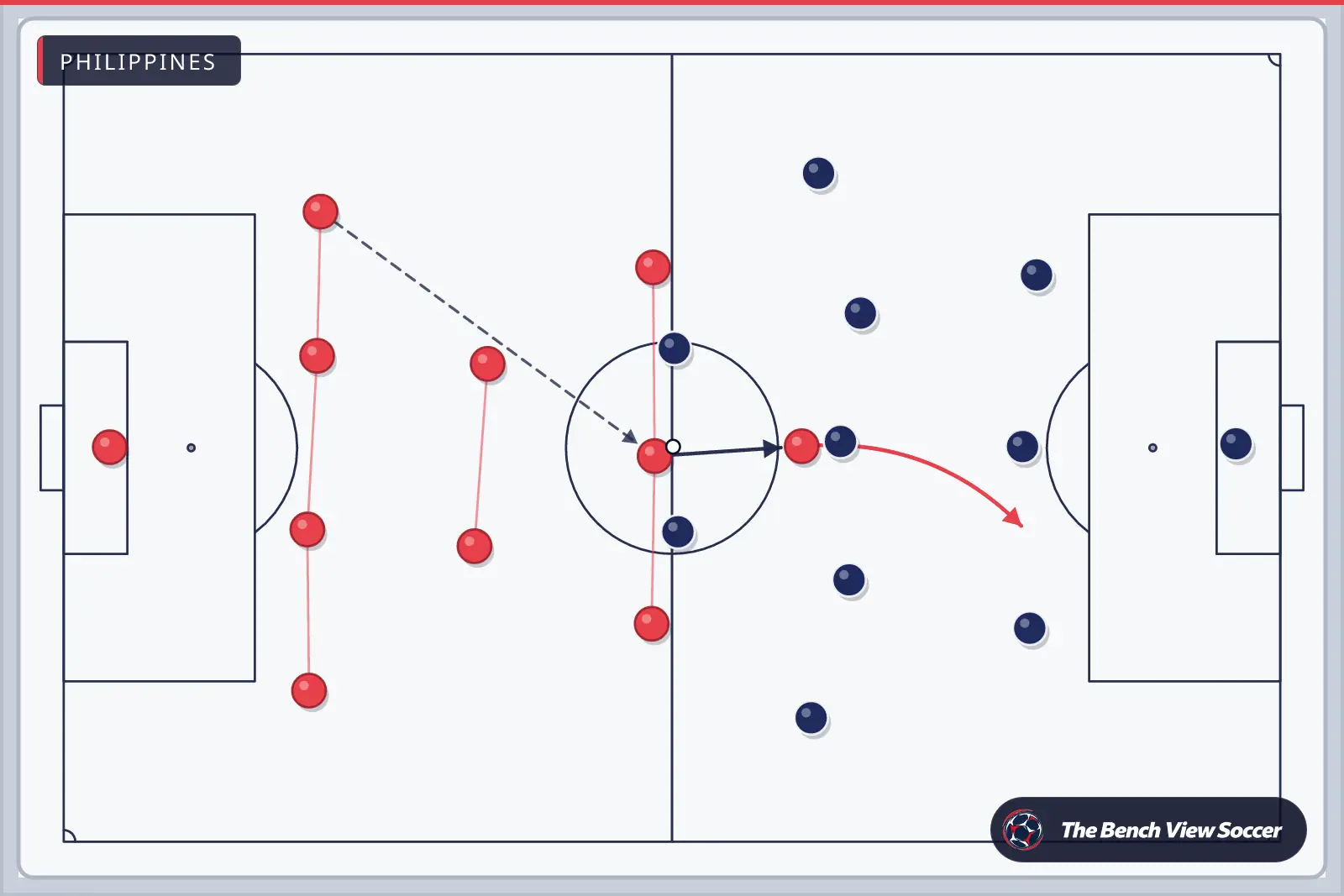
In the PFL, clubs like Kaya‑Iloilo and United City show how structured finishing programs pay off: quick transitional attacks finished with low-driven placement, not just power. University competitions such as Global‑CESAFI regularly produce forwards who succeed because their coaches emphasise finishing under match constraints. The Azkals’ exposure to stronger Asian teams in AFC Cup matches highlights the need for clinical finishing against compact defences—training must simulate that pressure.
Observe PFL training coverage and preseason friendlies: successful teams use rotation of finishing circuits, GK‑shooter duels, and scenario-based sessions (5v4 final third) to replicate endgame chances. These model practices are adaptable to grassroots and academies across the Philippines.
Best tips to improve football finishing?
- Train the five contact zones: inside foot, instep, laces, toe (tight spaces) and forehead for headers—each with purposeful drills.
- Prioritise quality over quantity: 10 controlled reps with immediate feedback beat 100 without correction.
- Use constrained scrimmages to force low‑probability finishes (e.g., restricted touches, weaker foot rules).
- Include goalkeeper collaboration so shooters learn to pick corners, exploit angles, and use deception.
- Measure progress with simple metrics: conversion rate, shots on target percentage, and xG delta per player.
Mistakes to avoid?
- Relying on random shooting without technical correction—bad habits become game-time failures.
- Ignoring the psychological side: lack of composure training and decision cues reduces finishing under pressure.
- Neglecting the weaker foot: in tight games, a two‑footed striker increases team chemistry and unpredictability.
- Failing to progress drills: keeping drills static prevents transfer to match speed and reduces effectiveness.
Frequently Asked Questions?
Q: How many finishing reps should a player do weekly?
A: 150–300 quality reps per week is a useful range for advanced players, spread across short technical sessions and integrated match drills. Prioritise focused sets of 8–12 reps with feedback, and include 1–2 high‑intensity finishing days with goalkeeper pressure.
Q: At what age should Filipino academies prioritise finishing?
A: Start basic striking mechanics (ages 8–12) and increase specificity at U14–U18 with decision-making and contact-zone training. Colleges and PFL academies must emphasize tactical finishing and pressure simulation to create match‑ready forwards.
Q: Can finishing drills be adapted for limited facilities?
A: Yes. Use target cones for precision, a single goalkeeper for realistic saves, and small spaces for tight finishing. Jogging services and rebound boards simulate crosses; smartphone video gives immediate feedback where analytics is unavailable.
Q: How do coaches measure improvement objectively?
A: Track conversion rate, shots on target percentage, expected goals (xG) per chance, and body‑shape metrics from video. Combine these with stopwatched decision times and pressure scenario success rates to quantify progression.
Start our free courses on The Bench View Soccer.
Train Your Technical Skills
Dribbling, control, and beyond — step by step
Start free on The Bench View Soccer →