youth football development Philippines
Football in the Philippines is growing fast. With the Philippine Football League (PFL) expanding, the Azkals raising the national profile and university circuits like Global-CESAFI producing talents, young players have new pathways to progress from neighborhood pitches to the national stage.
This guide gives motivated players a coach’s roadmap: clear steps, real PFL examples, practical tips and common mistakes to avoid. Whether you’re just starting or pushing to a scholarship or pro trial, these approaches will boost your technical and tactical readiness.
What is youth football development Philippines?
Youth football development Philippines is the coordinated effort—between clubs, schools, academies, coaches and competitions—to identify, train and promote young Filipino players. It combines grassroots participation, age-appropriate coaching, physical conditioning, competitive match exposure and talent pathways into PFL clubs or national age-group teams like the Azkals U-xx squads.
How to develop youth football in the Philippines?
- Build technical foundations: Focus on ball mastery—dribbling, passing, receiving and first touch. Daily 20–30 minute individual drills improve control dramatically.
- Structured weekly training: Mix 2–3 technical sessions, 1 tactical session and 1 strength/conditioning session. Consistency beats intensity spikes for young bodies.
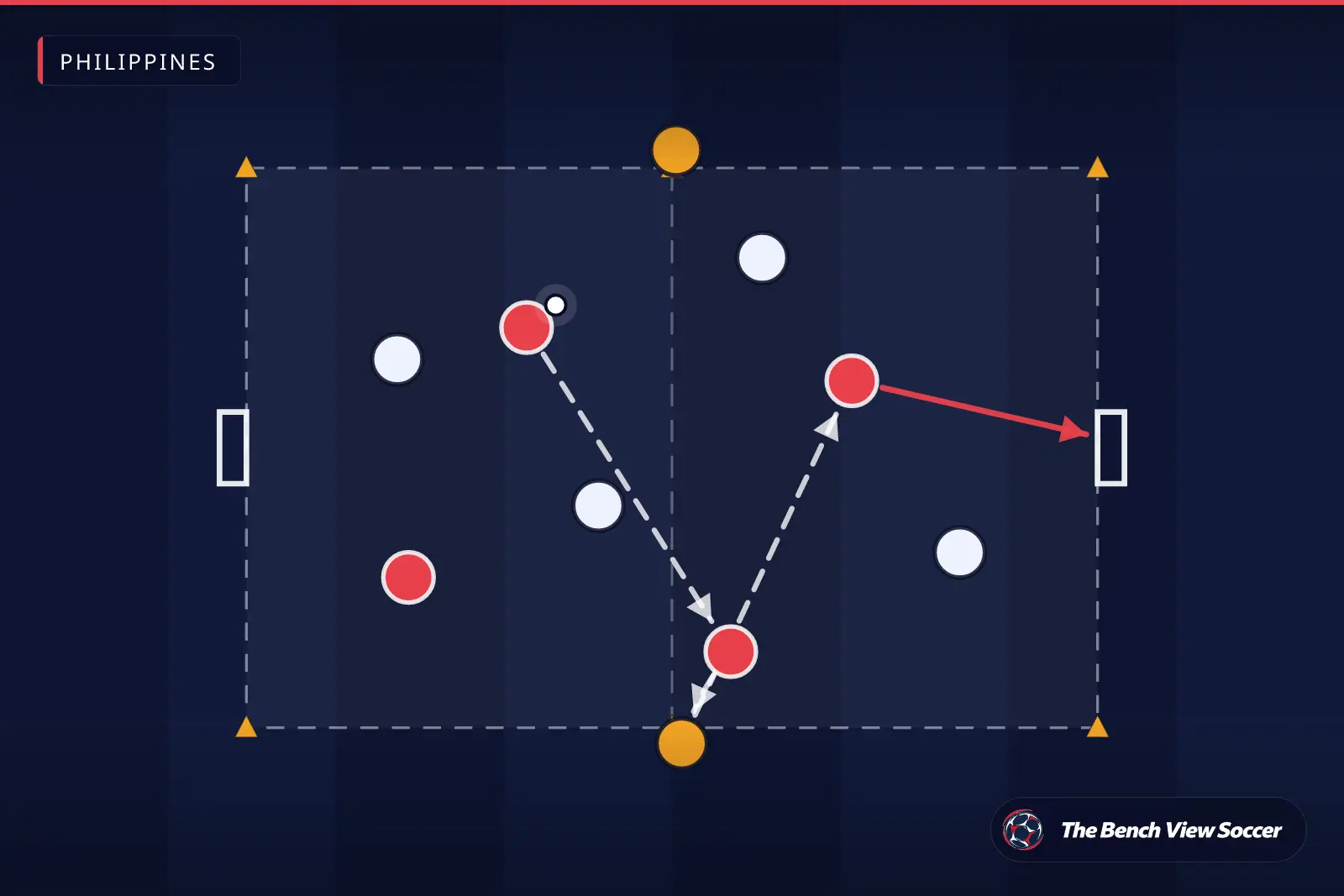
- Play small-sided games: Use 3v3 to 7v7 to increase touches, decision-making and sprint frequency. Small-sided formats mimic match pressure and speed of thought.
- Enter competitive pathways: Join school leagues like Global-CESAFI, local youth tournaments, and aspire to PFL youth setups or club trials. Regular matches build resilience and tactical awareness.
- Seek coach feedback and video review: Record training and matches, review positioning and choices with a coach. Create a development plan with measurable weekly targets.
What are real examples from PFL?
PFL clubs increasingly run youth programs and talent IDs. Examples include club-run academies that scout school competitions and partner with university programs. The Azkals’ occasional talent camps tap promising players from provincial leagues, while clubs working in AFC Cup programs create international exposure for top youth players. Also watch PFL matches—many young substitutes and academy graduates earn game time, showing a clear pathway from youth setups to the senior team.
Best tips to accelerate youth football development Philippines?
- Train smart, not just hard: prioritize technique under pressure and quick decision-making.
- Play diverse football: futsal, beach football and small-sided games sharpen touch and creativity.
- Watch and learn: study the Premier League and top European defenders/attackers for movement cues and application.
- Nutrition and recovery matter: sleep, hydration and balanced meals fuel youth development and injury prevention.
- Network locally: attend PFL open days, university tryouts, and regional combines to get seen.
- Document progress: keep a training log and highlight clips to show coaches and scouts.
What mistakes should you avoid?
- Over-specializing too early: play multiple positions to develop wider game intelligence rather than early fixation on one role.
- Neglecting strength and mobility: ignoring age-appropriate conditioning leads to injury and stalls growth.
- Chasing shortcuts instead of fundamentals: flashy tricks without reliable basic skills won’t stand up in competitive matches.
- Staying isolated from competition: training only alone prevents learning in game contexts—join teams and leagues early.
Frequently Asked Questions?
1. How can a young Filipino player get noticed by PFL clubs?
Stand out through consistent performance in school and regional leagues, attend club open trials, send highlight reels to academies, and participate in talent ID camps. Networking with coaches and maintaining a strong training log helps clubs evaluate your progress quickly.
Related Resources
2. What age should serious training start?
Basic ball skills and love for the game should start as early as 6–8. Structured train-to-train programs become critical around 10–14, focusing on technique and decision-making. Strength and tactical specialization typically ramp up from 14–18.
3. Are international opportunities possible from Philippine youth pathways?
Yes. Talented players in PFL academies or national youth teams can attract attention via AFC youth tournaments, international friendlies and club partnerships. Strong performances and exposure in PFL or CESAFI tournaments increase chances for overseas trials.
4. How important is watching European leagues like the Premier League?
Watching the Premier League and other European competitions is useful for tactical insight, movement patterns and work ethic models. Pair observation with on-field practice—then apply learned concepts to local match situations and PFL styles.
Philippine football is at a turning point: more professional pathways, better coaching and growing fan support make now the best time to commit. Use structured training, play often, and seek competitive exposure through schools, Regional leagues, CESAFI and PFL academies. Keep building your skills—both on the ball and in your body—and aim for consistent improvement.
Start our free courses on The Bench View Soccer.