football build-up play from the back UK
In the United Kingdom — the home of football — teams at every level teach how to construct attacks from deep. From grassroots Sunday leagues to coaching badge sessions and the Premier League, the idea is the same: keep the ball, draw pressure, then break lines with control and purpose.
This guide gives motivated players a clear definition, step-by-step actions, real club examples and coaching tips you can use in training or match situations. Expect practical details suitable for beginners but with enough depth to challenge developing pros.
What is football build-up play from the back?
Football build-up play from the back is the process of moving the ball out of your defensive third using the goalkeeper and defenders as primary outlets. It focuses on organisation, passing combinations and positional rotation to bypass opponents, create numerical advantages and progress into midfield and attack.
How to build up play from the back?
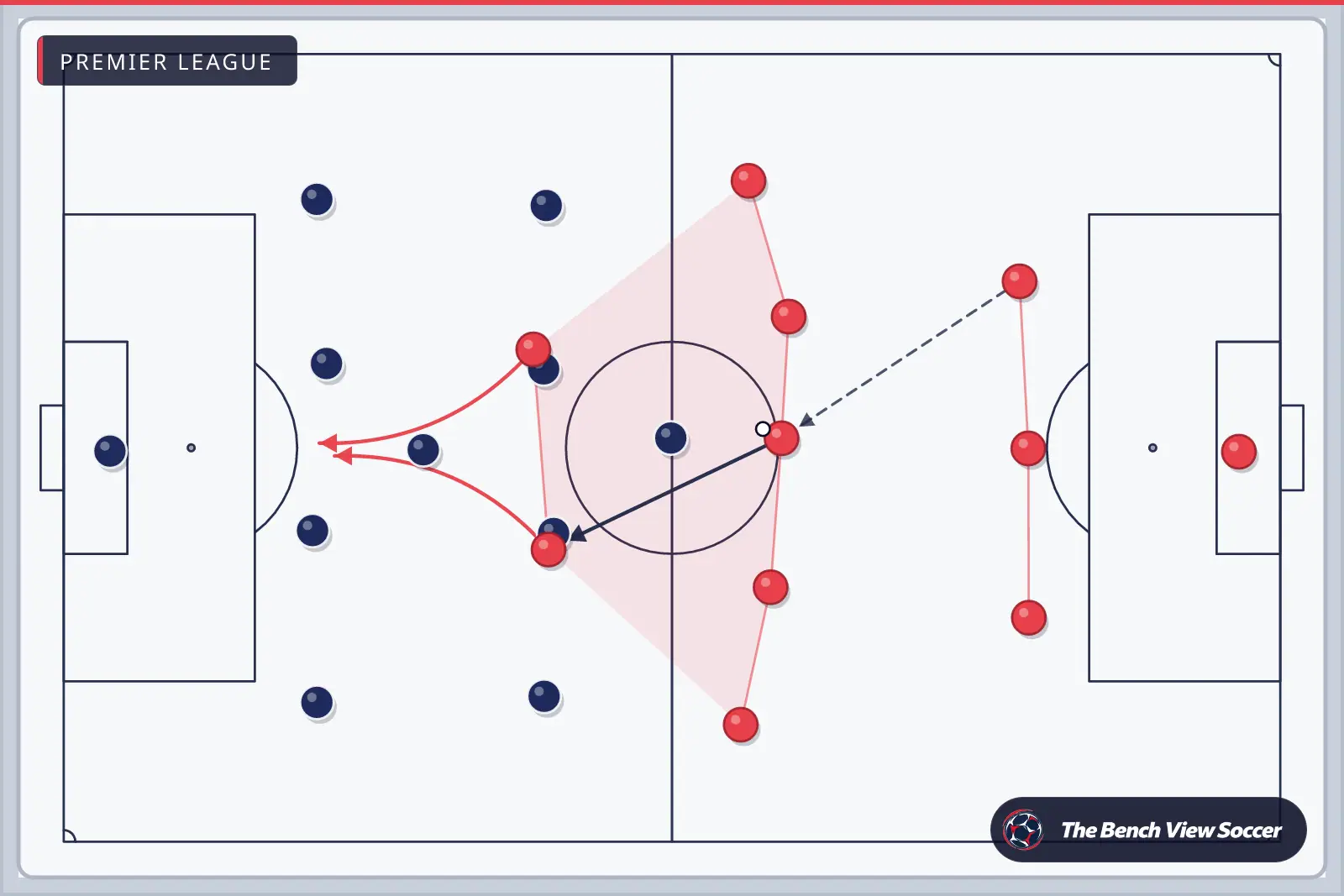
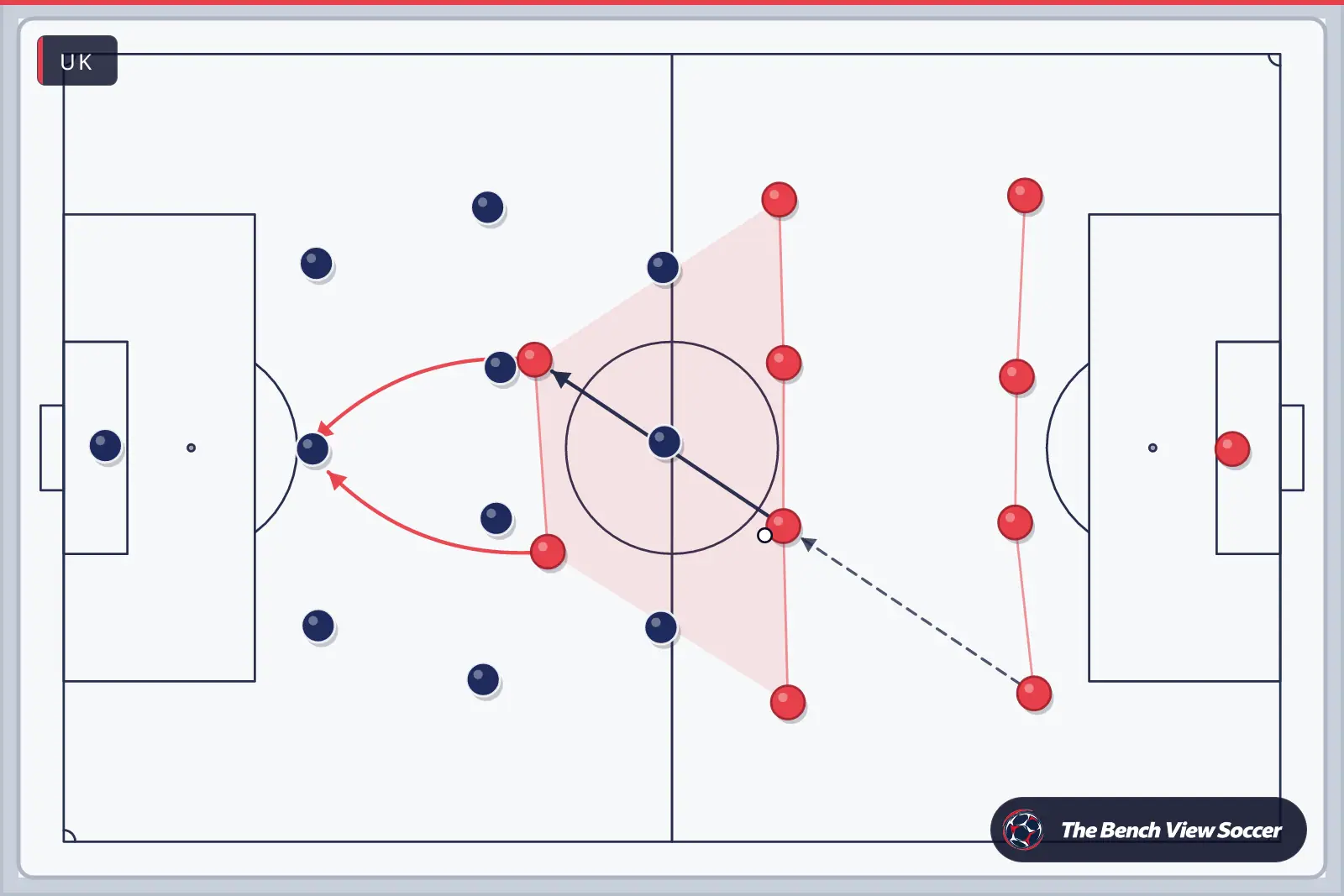
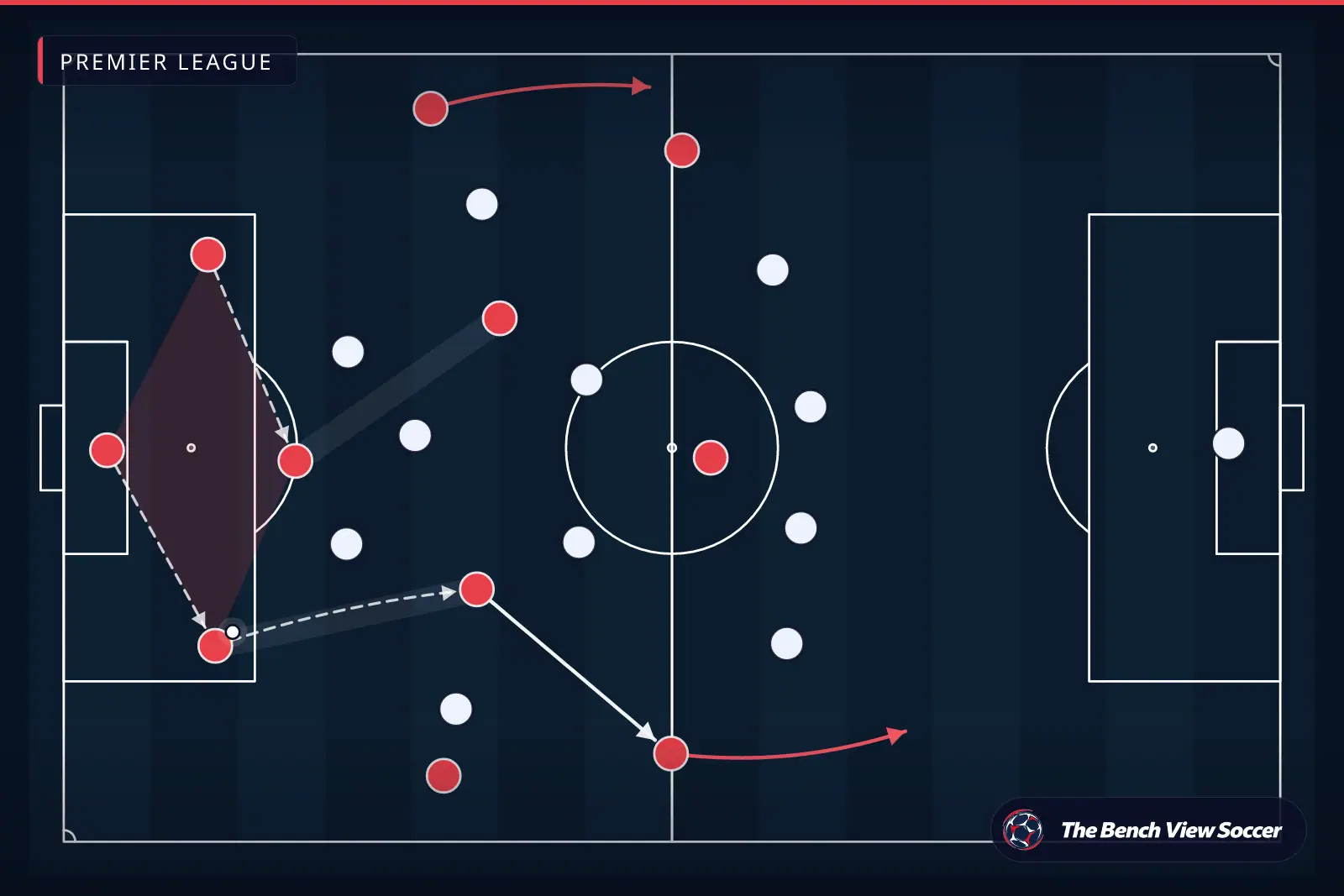
- Keep shape and spacing: Goalkeeper, two centre-backs and a pivot should form a compact diamond. Centre-backs split wide enough to create passing lanes; the pivot (defensive midfielder) drops between or behind them.
- Goalkeeper distribution and scanning: Goalkeepers must scan before receiving and offer a forward passing option or safe sideways outlet. Accurate short kicks and throws start quick movements and prevent turnover under pressure.
- Use one- two combinations: Play quick wall passes, often involving a full-back or pivot as a third-man. Movement after the pass (checking back or peeling wide) opens channels to move the ball into the midfield.
- Full-backs invert and stretch: When central routes are congested, full-backs can come inside to create overloads or stay wide to stretch the opponent. Rotation between full-backs and wingers keeps the opponent guessing.
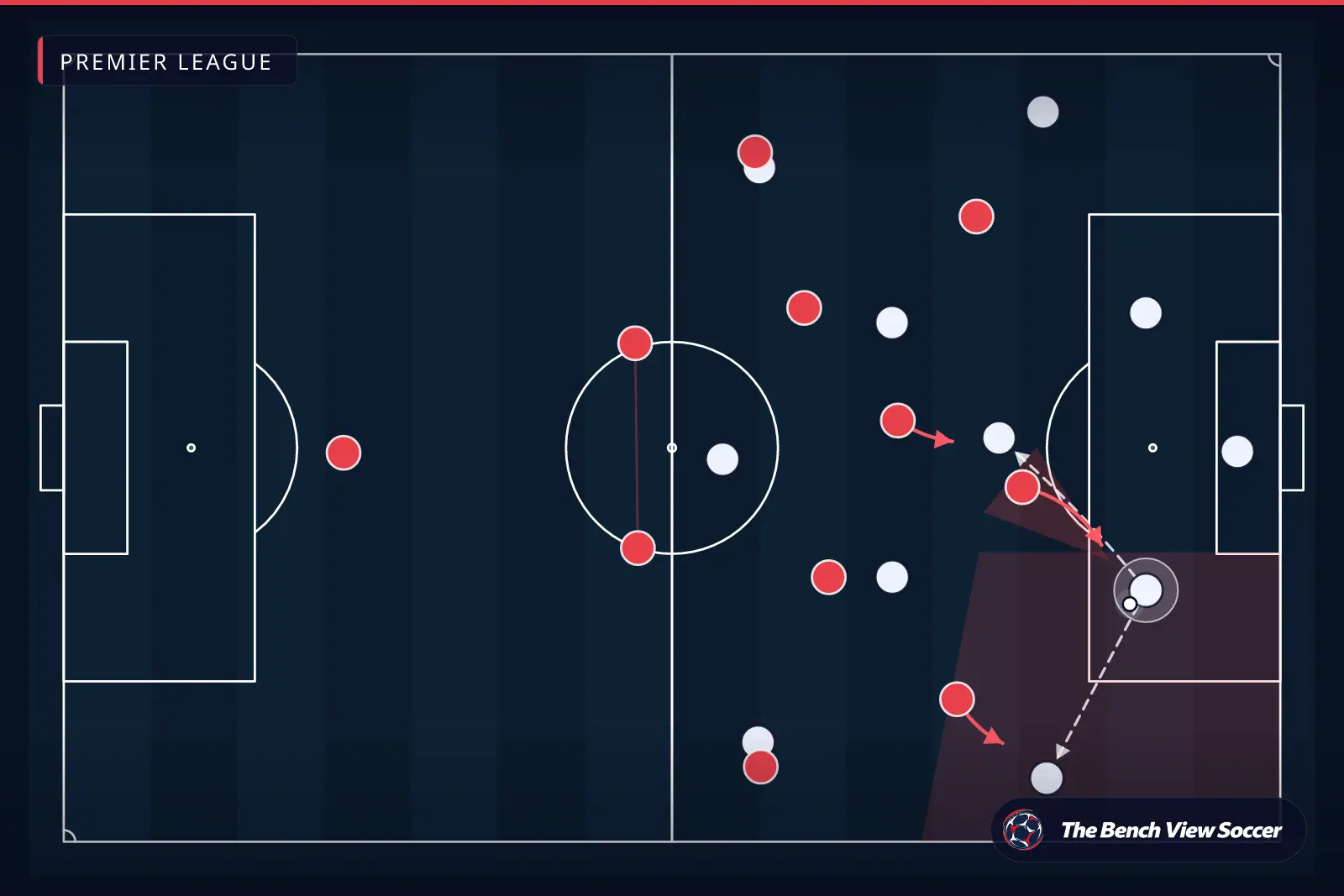
- Progress through thirds with purpose: After establishing control in the defensive third, look for progressive passes to the attacking midfield or stride-carrying midfielders. If central options are blocked, switch play to the opposite flank to exploit space.
Real examples from Premier League?
Observe Manchester City under Pep Guardiola: they use a goalkeeper and centre-backs to overload the first phase, with their deep midfielders dropping to receive and play progressive passes. Liverpool under Jürgen Klopp combine Trent Alexander-Arnold’s vision from deep with centre-backs stepping into midfield to create vertical passing lanes.
Arsenal under Mikel Arteta emphasise structured passing sequences and positional rotation between full-backs and midfield pivots to break defensive lines. Chelsea have mixed approaches but often rely on goalkeeper-led distribution and quick transitional passes in FA Cup and Champions League fixtures.
Best tips to build up play from the back?
- Prioritise first touch: your first touch sets the next action under pressure; cushion or steer the ball into space.
- Communicate constantly: call for the ball, indicate routes and alert teammates to pressure.
- Scan before receiving: check shoulders so you know where opponents and teammates are, reducing risk on the ball.
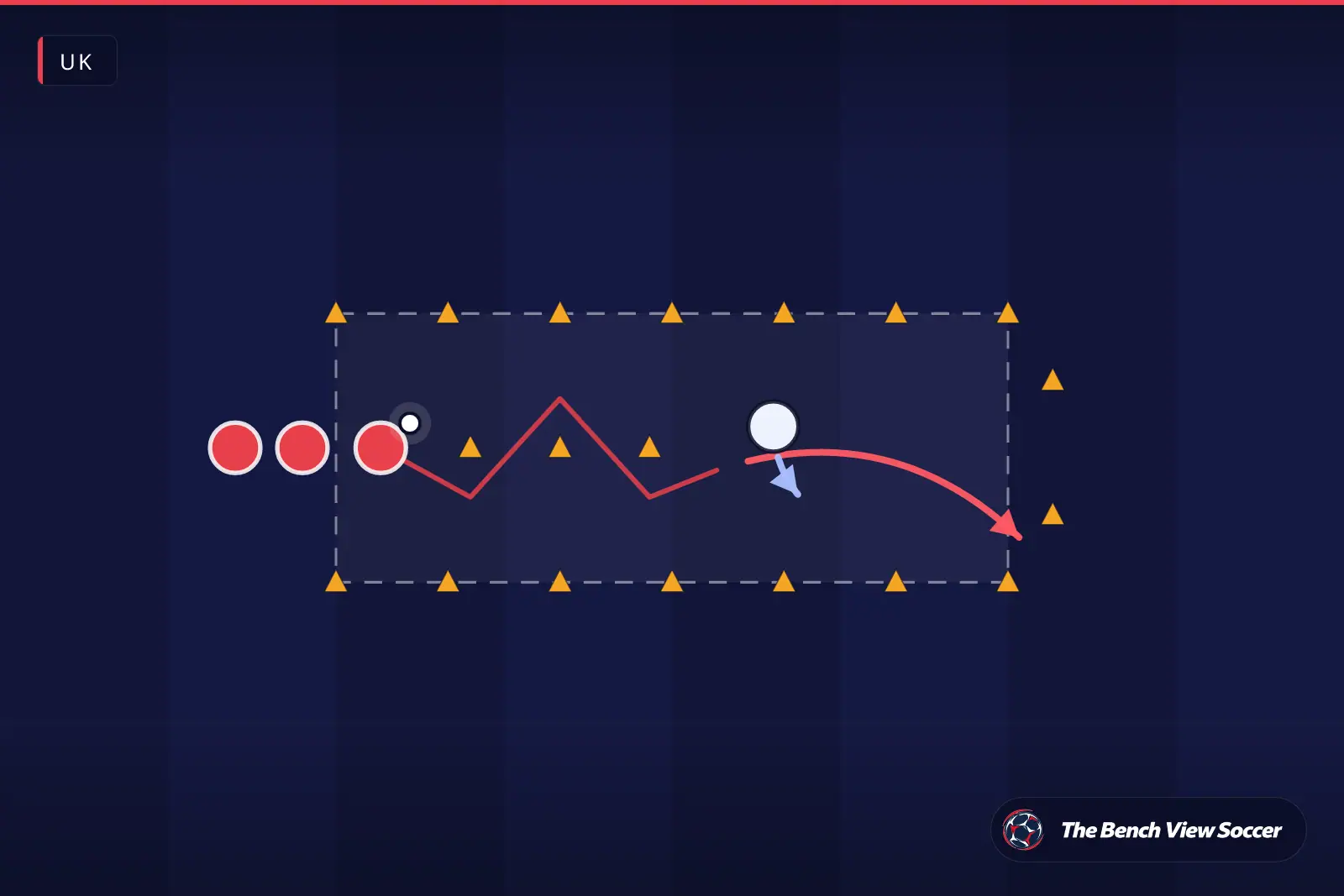
- Train overloads: practise 3v2 and 4v3 scenarios to learn third-man runs and support angles.
- Vary tempo: slow play to draw opponents, then accelerate one or two passes to break lines.
- Focus on composure under pressing: simulate opponent pressure in training to improve decision-making.
Mistakes to avoid?
- Rushing forward passes when under pressure — leads to turnovers and immediate counter-attacks.
- Poor spacing between centre-backs — makes the team predictable and easy to press.
- Lack of movement off the ball — static players remove passing options and invite opponent pressure.
- Ignoring the goalkeeper as an option — modern goalkeepers are part of the build-up; exclude them at your peril.
Frequently Asked Questions?
How do youth players learn build-up play from the back?
Youth players start with basic passing and receiving exercises, then progress to positional games (3v2, 4v3) and small-sided play. FA coaching badge drills emphasise scanning, first touch, and simple rotation patterns so young players build confidence in possession.
What formations suit going from the back?
Formations with a defensive pivot and technically comfortable full-backs are ideal — 4-3-3, 3-4-3 and 4-2-3-1 are commonly used. The key is having a player drop between centre-backs and full-backs who can invert or provide width as needed.
Can smaller clubs in the UK use these methods?
Absolutely. Grassroots teams can adopt simplified versions: focus on shape, simple passing triangles and controlled pace. Coaching badges stress scalable drills so even amateur sides can apply principles used by top Premier League teams.
How important is goalkeeper skill for the build-up?
Very important. Modern goalkeepers must be comfortable with the ball at their feet, able to play short passes and set the tempo. Many top UK clubs train keepers as an outfield option to ensure smoother transitions out of defence.
Start our free courses on The Bench View Soccer.