football mental performance training UK
Football started in the United Kingdom, and so did the idea that the mind matters as much as the body. From Sunday League pitches to the Emirates and Anfield, mental training separates players who perform occasionally from those who perform consistently. This article lays out actionable coaching and player-focused methods tailored to the UK environment, coaching badges and competition structure.
Whether you're a youth player trying to impress an academy scout, a coach working through FA coaching badges, or a senior player aiming to replicate the focus of Arsenal or Manchester City stars, the steps below explain football mental performance training UK in practical terms. Expect club examples, coaching advice and simple drills you can use at training or home.
What is football mental performance training UK?
Football mental performance training UK is a structured approach combining sport psychology principles, coaching-badge aligned practices, and pitch-based routines to enhance concentration, confidence, stress control and decision-making specifically for football contexts in the UK. It integrates local grassroots realities, club philosophies and competition pressures into repeatable exercises.
How to improve your mental game?
- Set clear, process-focused goals: Break sessions into micro-goals (first touch, scanning before receiving, breathing between sprints). Process goals reduce outcome anxiety and map directly to coaching-badge objectives.
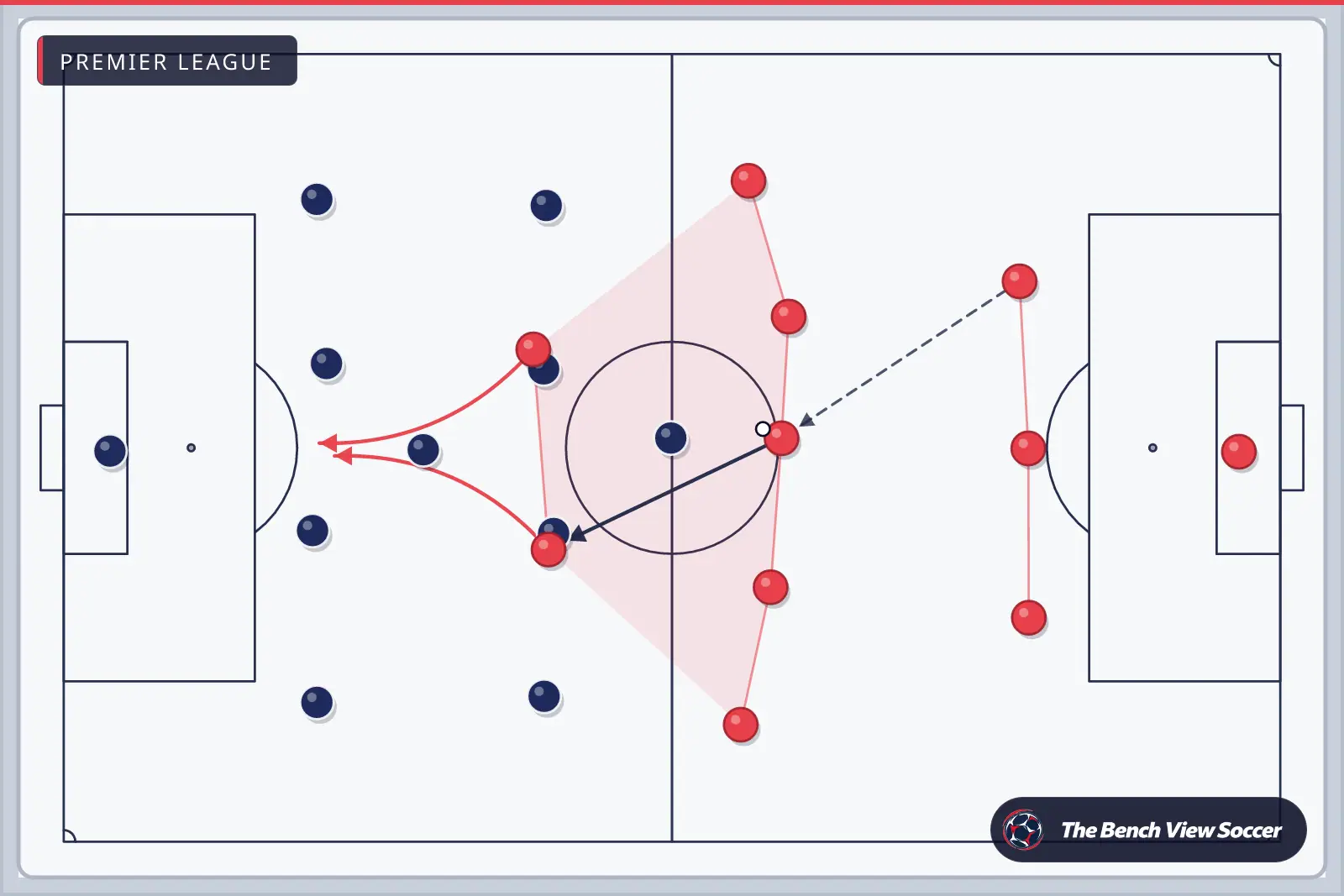
- Practice under pressure: Replicate match cues—time limits, small-sided scenarios, crowd noise tracks—so stress responses adapt. Simulate FA Cup late-game scenarios to train calmness when it matters.
- Use imagery and mental rehearsal: Spend 5–10 minutes daily visualising specific plays: receiving on your weaker foot, finishing under a goalkeeper. Include sensory details—crowd noise, pitch smell—to strengthen neural patterns.
- Develop routines and trigger cues: Create consistent pre-match and pre-kick routines (breathing pattern, visual check of target). Routines anchor attention and are used by Premier League pros to reset focus during games.
- Track and reflect: Keep a short performance journal after training and matches. Note decisions, emotional spikes and one improvement action for the next session; review alongside coaches and badge mentors.
What are real examples from the Premier League?
Top clubs invest heavily in mental performance. Manchester City uses tailored psychological support integrated with tactical briefings to prepare players for Champions League intensity. Arsenal’s academy focuses on resilience and growth mindset practices to transition youth into first-team settings. Liverpool emphasise collective routines and coping strategies for high-pressure moments, while Chelsea blend one-to-one sport psychology with video-based cognitive training. Clubs also partner with sports scientists to measure readiness and stress responses.
What are the best tips to boost football mental performance?
- Make short, consistent habits: five-minute breathing and imagery sessions beat sporadic long attempts.
- Link mental drills to technical actions: practice calm finishing after a high-intensity pressing drill.
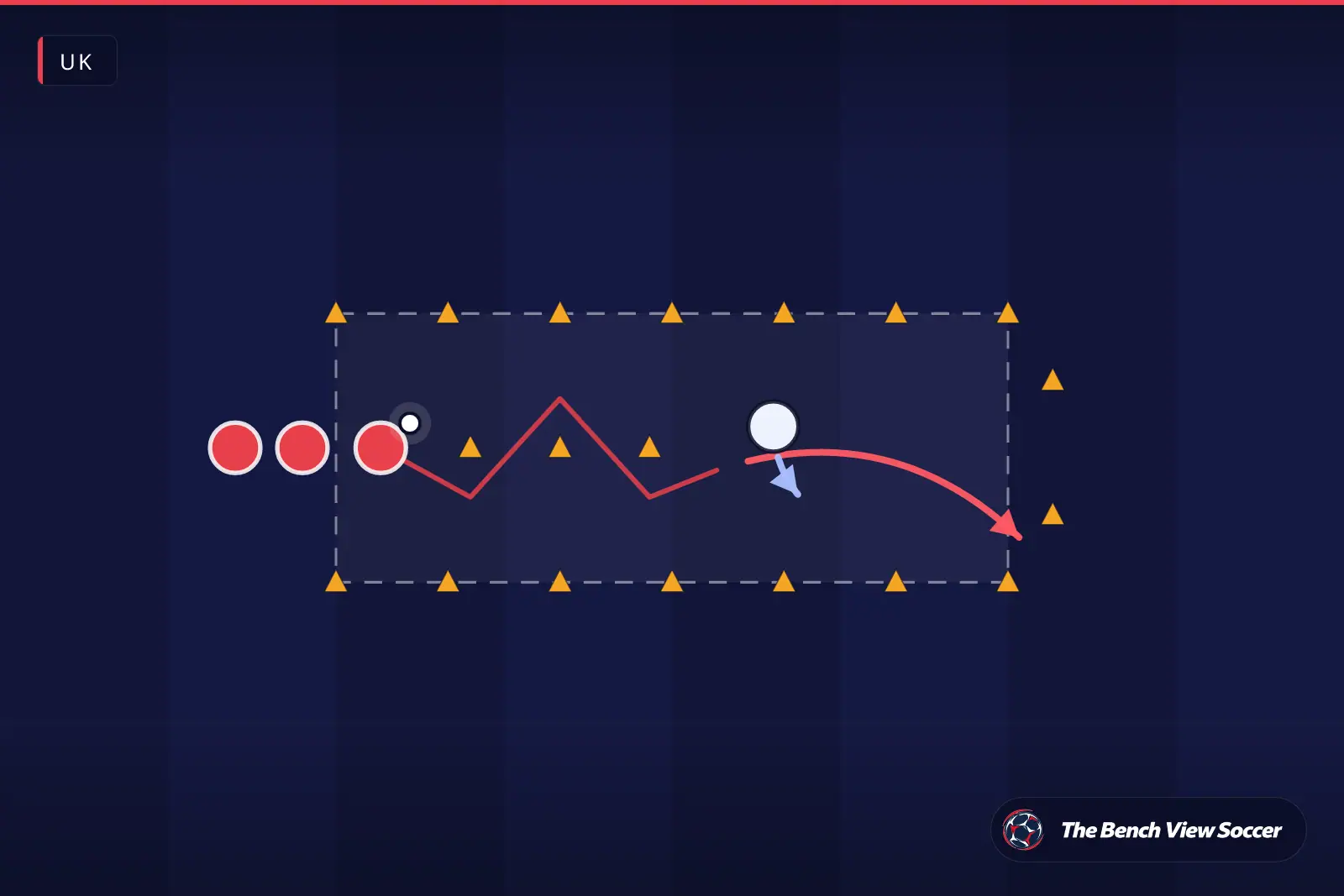
- Use small-sided games to develop decision-making speed and emotional control under fatigue.
- Learn basic relaxation and activation tools: box breathing for calming, dynamic routines for arousal.
- Engage coaches during reflection: align journal entries with coaching-badge learning objectives to accelerate progress.
What mistakes should you avoid?
- Neglecting specificity: avoid generic mental tips; tie sessions directly to football actions and match situations.
- Overcomplicating routines: if a trigger or routine is too complex it won’t be reliable under pressure.
- Ignoring recovery and sleep: mental resilience declines fast with poor sleep habits and inconsistent recovery.
- Skipping coach buy-in: mental training is most effective when coaches integrate it into regular practice and feedback cycles.
What are the Frequently Asked Questions?
Q: How long before I see improvements from mental training?
A: Expect initial benefits in 3–6 weeks with daily short practices (imagery, breathing, routines). Consistent integration into technical drills and match simulations accelerates transfer to games. Long-term mindset shifts take months alongside feedback, reflection and coach support.
Related Resources
Q: Can grassroots coaches deliver this without a sport psychologist?
A: Yes. Grassroots coaches can implement core mental performance tools—goal-setting, simple imagery, routines and pressure drills—within normal training. Aligning these practices with FA coaching-badge modules and seeking occasional sport psychology mentorship bridges expertise gaps effectively.
Q: Are there UK-specific pathways for certification?
A: The FA incorporates mental skills into its coaching framework; additional qualifications from UK-based sport psychology providers and university modules complement badges. Clubs often run CPD sessions; combining FA badges with targeted mental performance courses is a recognised path.
Q: How do elite players manage anxiety in big matches like the FA Cup?
A: Elite players use rehearsed routines, pre-match imagery, arousal control techniques and strong team rituals to normalise pressure. They also rely on structured support—coaches, psychologists and sports scientists—to personalise strategies for FA Cup and European fixtures.
Start implementing these practices at your next session. From grassroots to academy to professional setups, consistent, football-specific mental training transforms performance. Learn how to coach and apply these methods with practical modules tailored to UK football.
Start our free courses on The Bench View Soccer.