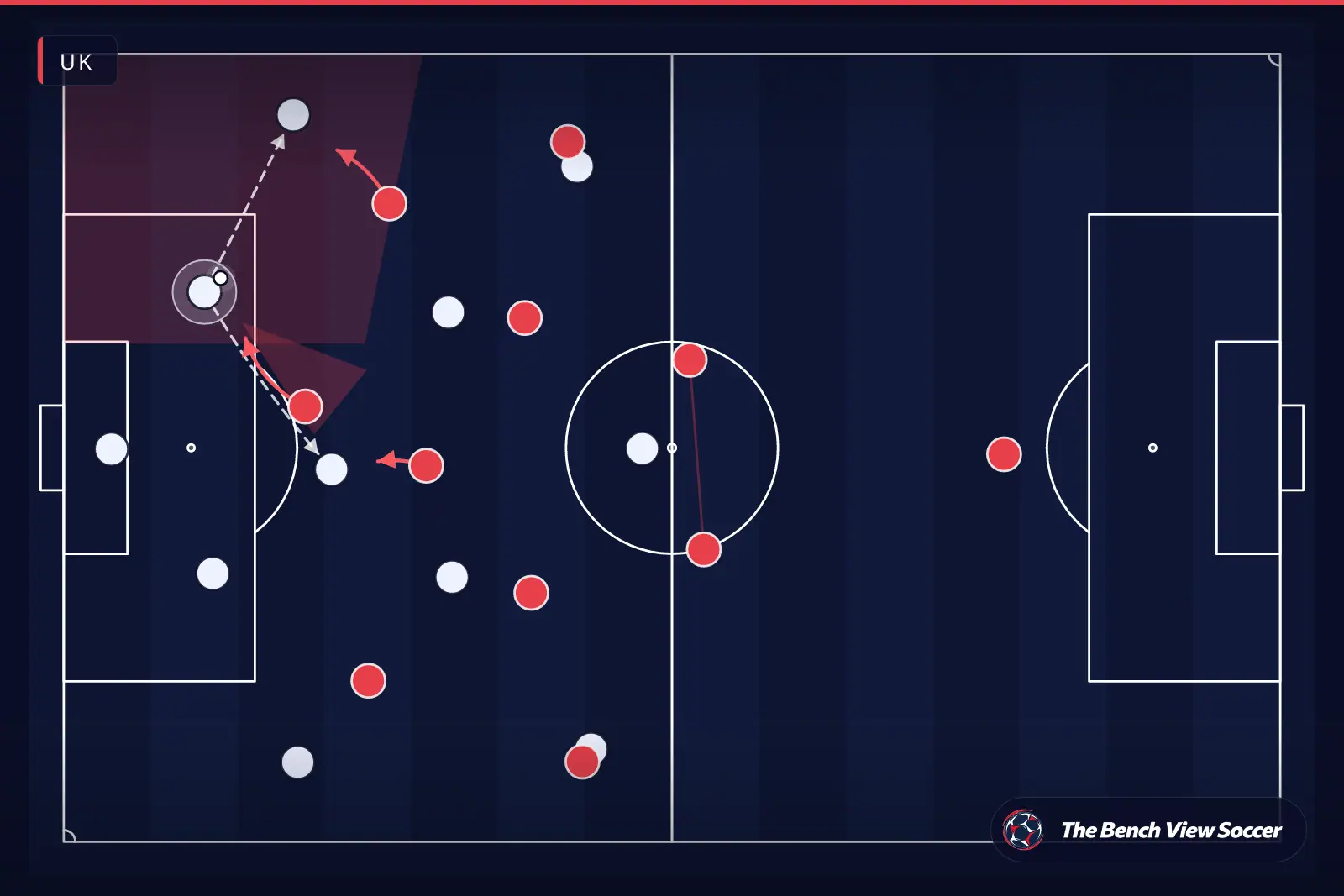
football pressing tactics explained UK
In the United Kingdom — birthplace of football — pressing tactics form a modern coaching staple from grassroots pitches to the Premier League. Clubs such as Arsenal, Liverpool, Manchester City and Chelsea have popularised distinct pressing styles that influence coaching badges, youth setups and Saturday club sessions across the FA Cup and league pyramid.
This guide, written for motivated players and aspiring coaches, explains pressing clearly, gives five-step implementation, real Premier League examples, practical tips and common mistakes. The goal is to be beginner-accessible while providing depth that links straight into training drills and match-day roles for Championship and top-level competitions like the Champions League and Europa League.
What is football pressing?
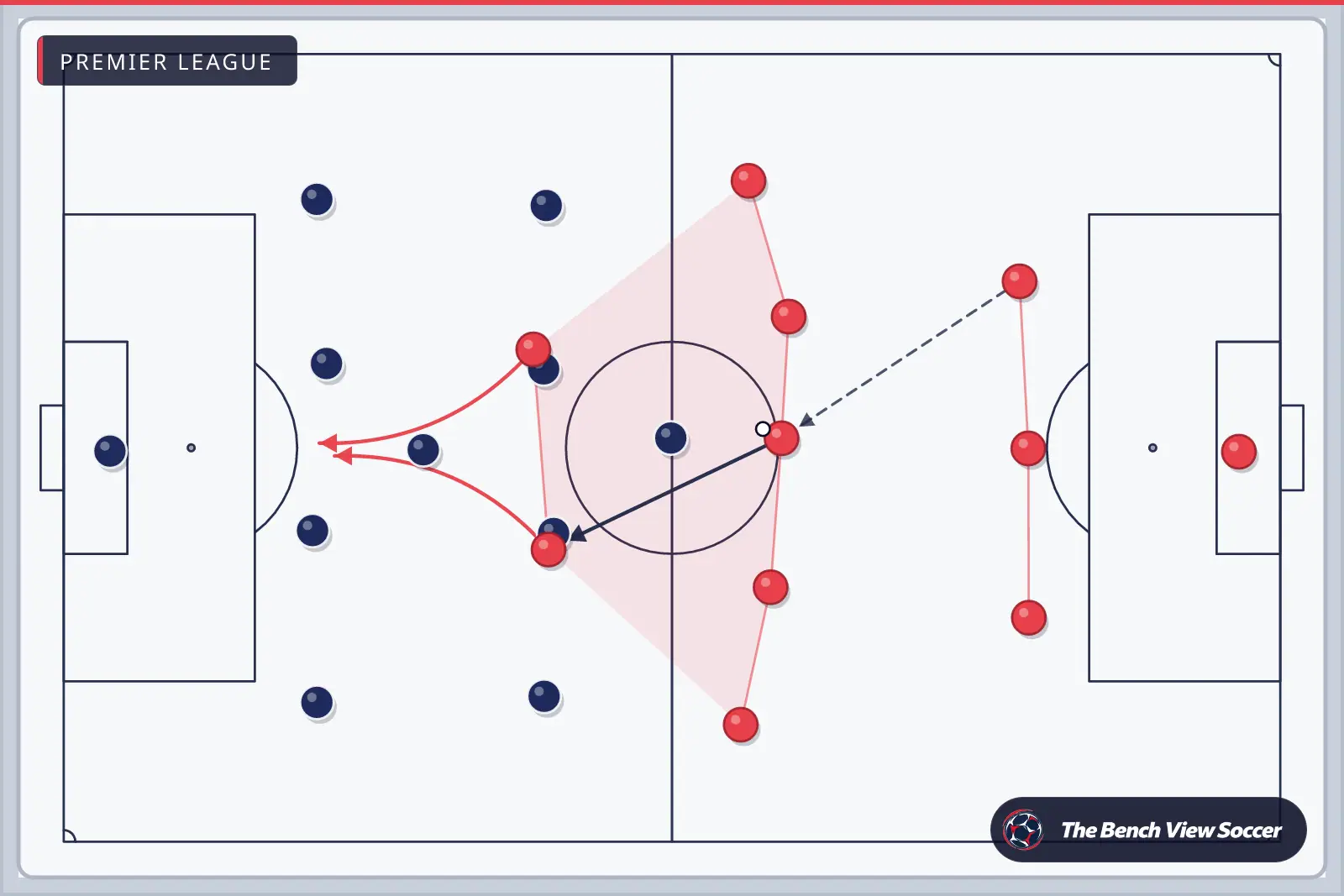
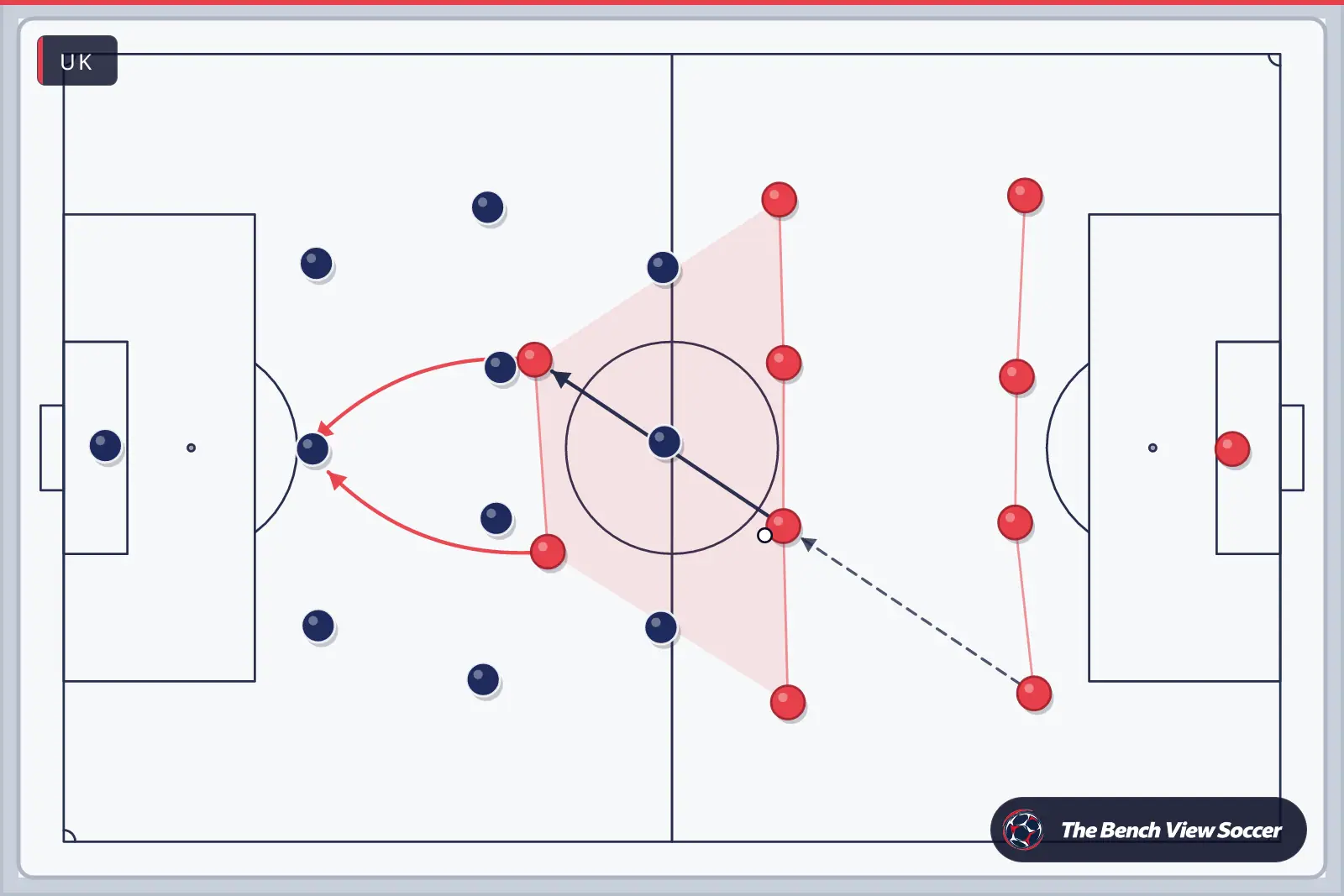
Football pressing is a coordinated team strategy to apply immediate pressure on the ball carrier and compact the space around them, with the intent to force rushed passes, regain possession quickly or steer play into less dangerous areas. It combines triggers, positional rotations and collective discipline to disrupt opponents’ build-up.
How to implement pressing tactics?
- Set your pressing triggers: Identify moments to press — a backward pass, poor first touch, opponent on weaker foot or when their centre-backs turn with ball. Teach each line the same triggers.
- Define roles and zones: Decide which players press which zones. Use a front three to pressure defenders or a midfield block to stifle central build-up. Clarity reduces mistakes and matches FA coaching badge principles.
- Coordinate the first and second actions: First defender applies immediate pressure; second defender cuts passing lanes or covers behind. Train this 2v2 or 3v3 in small-sided games so players learn timing.
- Practice transitions and recovery: When pressing wins the ball, have rehearsed patterns (quick shot, pass to wing, or immediate counter). When pressing fails, ensure rapid defensive recovery to avoid gaps — especially important in high-level competition like the Champions League.
- Condition and communication: Build fitness for short, intense pressing sprints and praise constant verbal cues. Use full-press and mid-block sessions to replicate match intensity and teach professional habits used at Arsenal and Liverpool academies.
What are real examples from the Premier League?
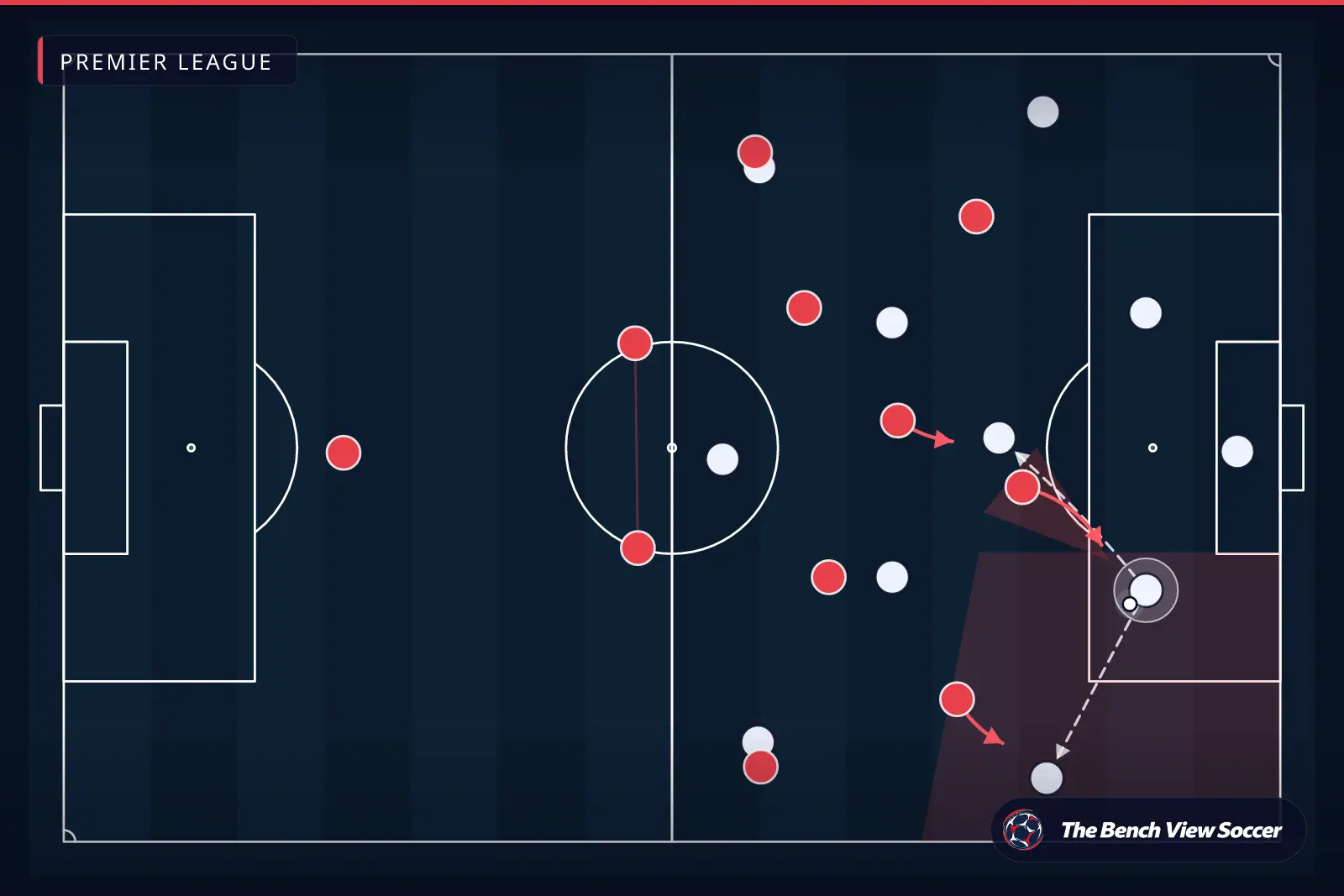
Several Premier League teams provide clear blueprints. Liverpool under Klopp popularised the high, aggressive press known as gegenpressing — quick triggers, forward runners and coordinated counter-press after losing the ball. Manchester City use a positional pressing model, shaping opponents through positional overloads and intense rotation, winning compactness without committing every player high up.
Arsenal combine coordinated high pressing with quick vertical transitions, while Chelsea have alternated between mid-block presses and selective high pressing depending on the manager. These contrasting models show that pressing is adaptable to player profiles, opposition threats and competition context — from FA Cup giant-killing to European knockout ties.
Best tips to press effectively?
- Train triggers until automatic — when to sprint, when to delay, and when to fall into a mid-block.
- Prioritise angles over raw speed; the correct approach angle forces predictable passes.
- Emphasise collective movement: one player’s press must pull teammates into shape to cover passing lanes.
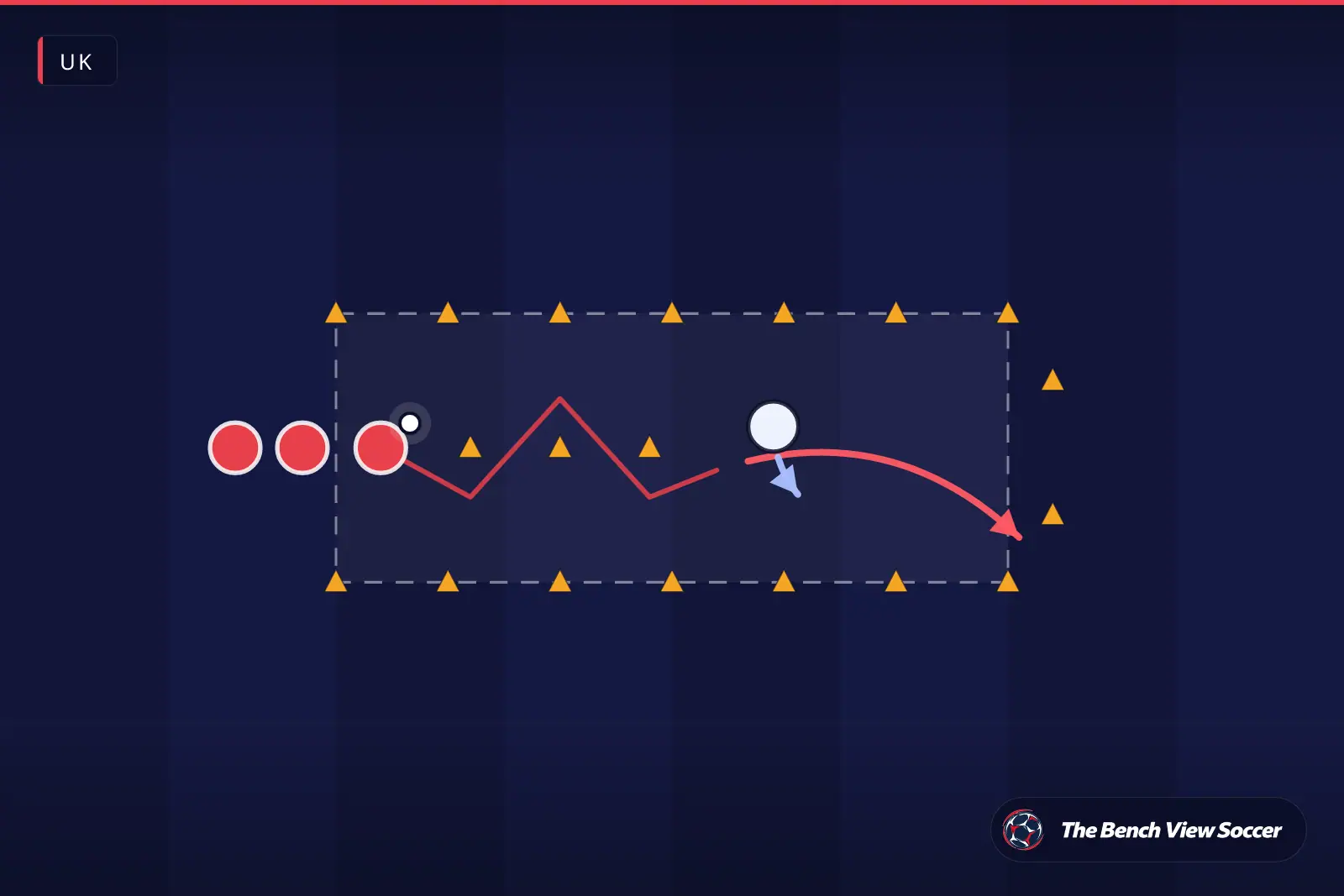
- Use small-sided games and conditioned rondos to rehearse intensity and quick recovery in 8–12 minute blocks.
- Work on fitness smartly: high-intensity interval training tailored to match scenarios beats generic running.
- Link pressing to set-piece strategies and transitions to make turnovers immediately productive.
Mistakes to avoid?
- Rushing individually: uncoordinated sprints create gaps and invite balls over the top.
- Ignoring recovery shape: after a press fails, players must track back in compact lines to prevent counters.
- Using the same pressalways: predictable pressing is easier for opponents to exploit — vary intensity and triggers by match phase.
- Neglecting communication: silence on the pitch causes delayed shifts and missed covering runs.
Frequently Asked Questions?
How young should players learn pressing?
Introduce basic pressing principles at U10–U12 using simple triggers and small-sided games. Emphasise teamwork, angles and fun. As players progress onto youth academies or FA coaching badge drills, layer complexity: zonal pressing, triggers and transition patterns in U14–U18 stages.
Does pressing work in the Championship as well as the Premier League?
Yes. Championship matches are often physical and open, making well-organised pressing highly effective. Teams that press intelligently can force errors and control tempo, whether aiming for promotion or surviving relegation battles. Adjust intensity to fixture congestion and squad depth.
Which drills build pressing instincts fastest?
Rondos with a rule to win possession within two passes, 6v4 counter-press sessions and 9v9 small-sided matches with victory rewards for forced turnovers are efficient. Add conditioned sprints and recovery phases to mirror match intensity used by top UK academies.
How do coaches measure pressing success?
Use objective metrics: turnovers in final third, opponent passes per defensive action (PPDA), recoveries in attacking areas and transition goals. Video analysis and GPS tracking help refine timing and positioning, similar to methods used at Liverpool and Manchester City.
Pressing is not a single tactic but a philosophy that links coaching practice, player roles and match intelligence. Whether coaching grassroots teams, pursuing FA coaching badges, or analysing Premier League systems, mastering pressing offers a clear route to controlling games.
Start our free courses on The Bench View Soccer.