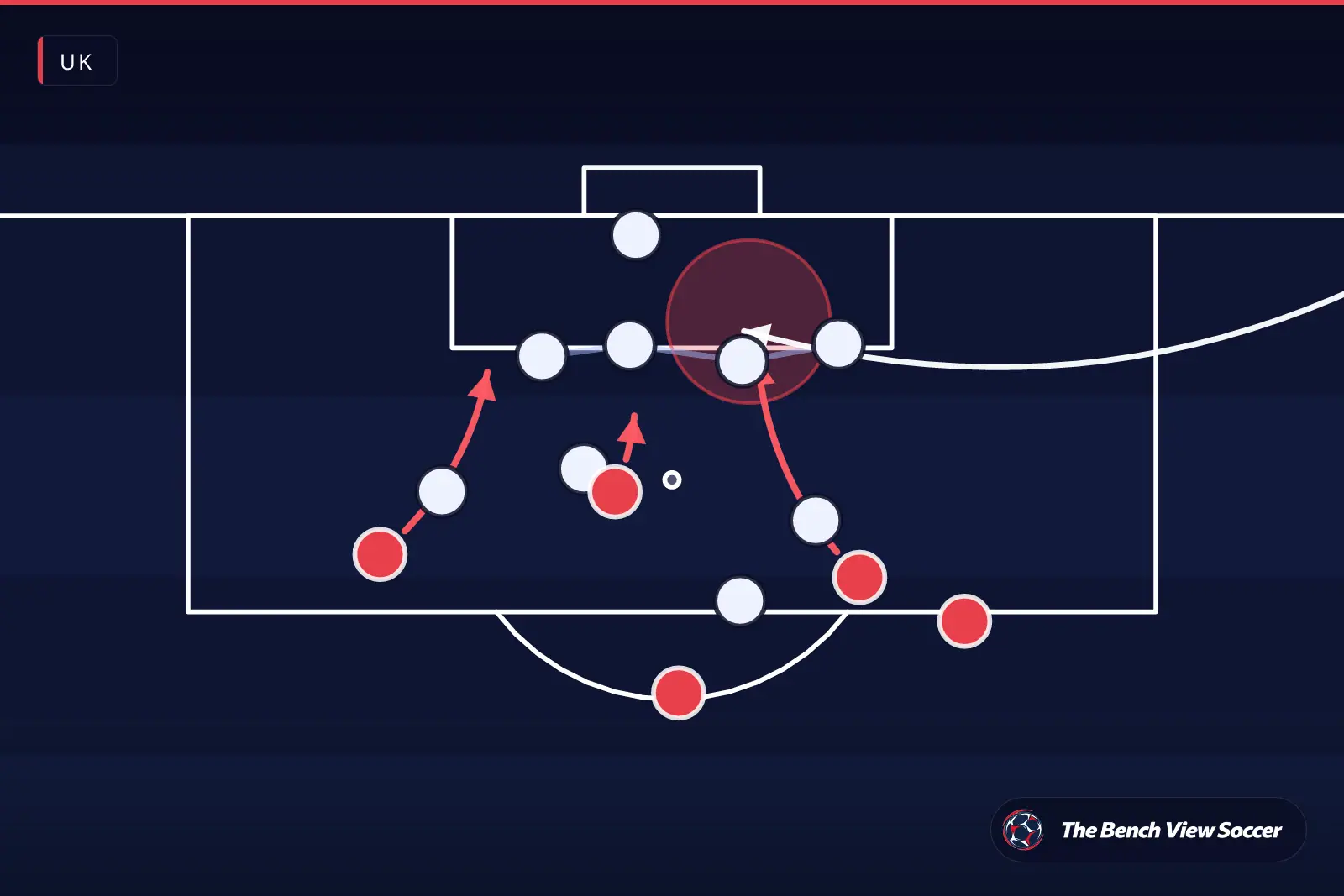
football set piece training UK
The United Kingdom is the birthplace of football, where set pieces have decided FA Cup finals and Premier League title races. From Sunday league parks to training grounds at Arsenal, Liverpool, Manchester City and Chelsea, focused practice on corners, free-kicks and penalties elevates teams at every level.
Whether you’re a motivated academy player aiming for a scholarship, a grassroots captain chasing promotion in the local league, or a coach working through FA coaching badge syllabuses, structured football set piece training UK gives you repeatable routines, clear roles and measurable progress.
What is football set piece training?
Football set piece training is the deliberate practice of rehearsed dead-ball situations — corners, direct and indirect free-kicks, throw-ins close to goal, and penalties. It blends technical delivery, planned movement, zonal or man-marking systems, goalkeeper coordination and tactical rehearsal so teams can exploit stationary opportunities reliably.
How to train football set pieces?
- Plan objectives: Decide whether the session focuses on attacking, defending or delivery mechanics. Use coaching-badge frameworks to structure progressions from simple to complex.
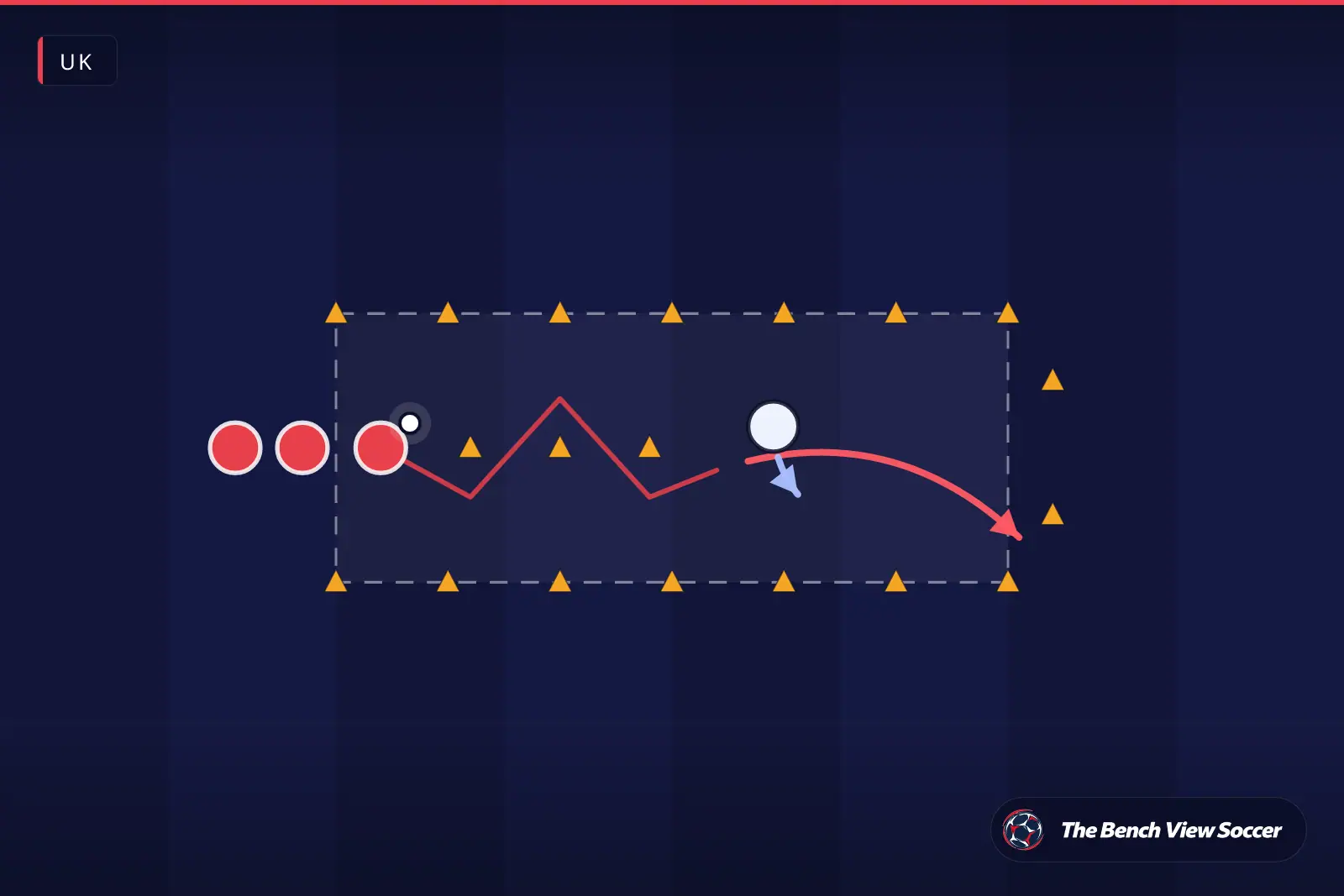
- Warm-up with ball work: Include passing, crossing and striking drills for 10–15 minutes to prime delivery and first-touch accuracy.
- Rehearse roles: Assign specific tasks—target runner, near-post attacker, third-man runner, defensive organiser—and practise them in isolation then in sequence.
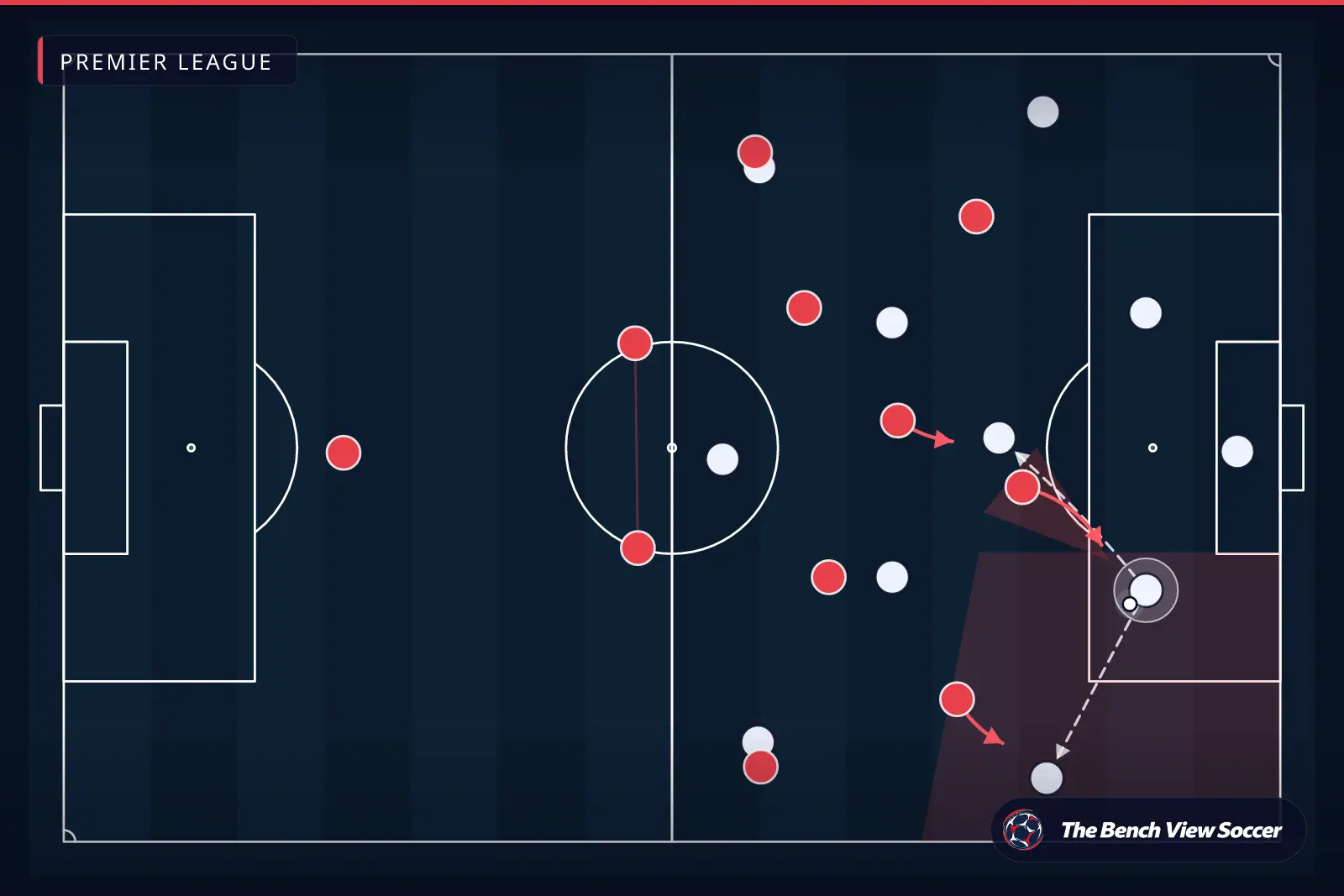
- Run full-speed scenarios: Practice match-speed corners and free-kicks with opposition pressure so decision-making and timing match game conditions.
- Review and adapt: Use video or coach feedback to refine deliveries, movement triggers and goalkeeper alignment; repeat the scaled drill next session with updated objectives.
What are real examples from the Premier League?
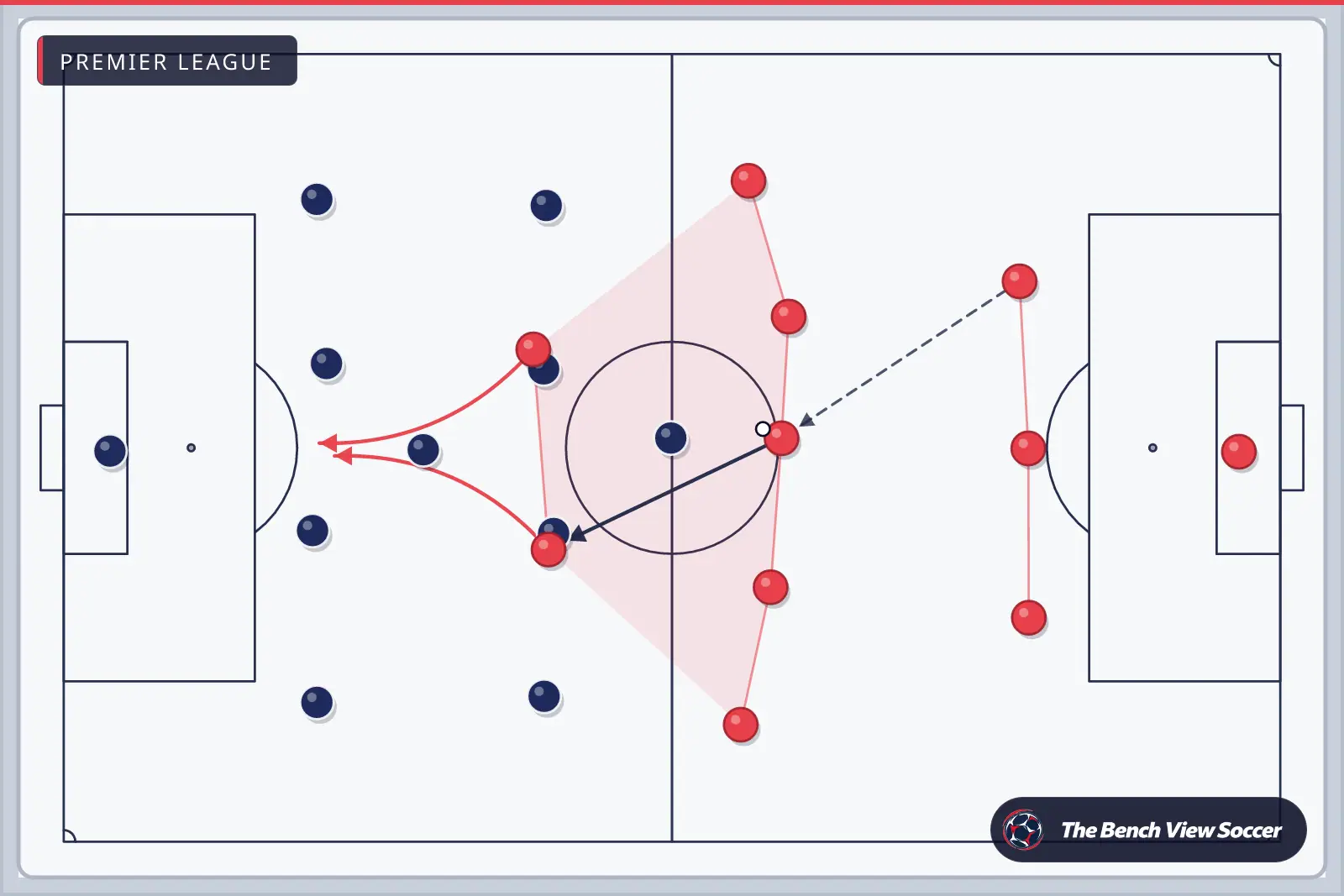
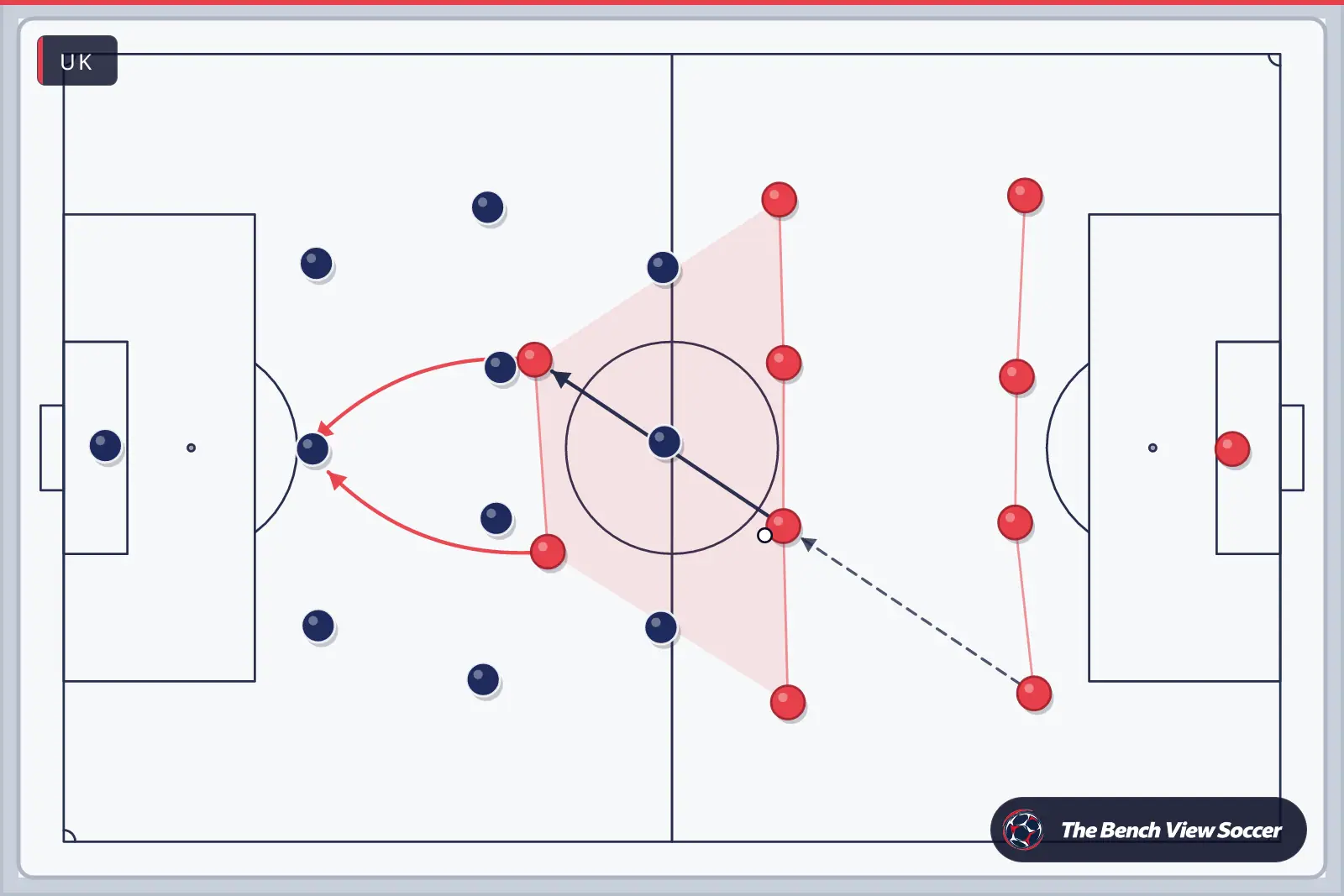
Manchester City often use rehearsed short-corner routines and overloads to create crossing lanes, while Liverpool have historically practised near-post flick-ons and zonal arrangements. Arsenal emphasise quality delivery and intelligent late runs; Chelsea combine set-piece rehearsals with physical aerial dominance. These teams link training routines to match analysis in the Champions League, Europa League and FA Cup.
Best tips to improve football set pieces?
- Prioritise delivery quality: Accurate, repeatable crossing and shooting beats flashy variation.
- Create simple triggers: Use one clear visual or verbal cue to start a routine so players commit under pressure.
- Vary routines: Mix near-post, far-post, short corners and set-piece patterns to keep opponents uncertain.
- Practice against live defence: Simulate Championship- and Premier League-intensity to prepare for physical marking.
- Record and review: Use phones or club video to identify milliseconds of mistiming and correct them in the next session.
- Assign a specialist: Develop a set-piece coach or lead player responsible for planning and progression across the season.
Mistakes to avoid?
- Over-complication: Avoid too many options—players freeze when routines are unclear. Keep patterns simple and rehearsed.
- Neglecting repetition: One-off ideas don’t stick. Use short, focused reps in every training week to build muscle memory.
- Ignoring goalkeeper input: Goalkeepers must be part of defending and attacking rehearsals; their alignment changes both strategies.
- Failing to adapt: Don’t force the same routine every match—analyse opponents and adjust deliveries or marking accordingly.
Frequently Asked Questions?
How often should a team train set pieces?
Ideally teams should include focused set-piece work 2–3 times per week: a short daily drill in warm-ups, a dedicated 20–30 minute session twice weekly, and a match-week rehearsal to refine the week’s plans. Consistent repetition builds the timing and confidence seen at elite clubs.
Can grassroots players copy Premier League routines?
Yes—simplify top-level routines into clear roles and triggers. Grassroots teams can adopt the same principles used by Arsenal or Liverpool: accurate delivery, designated runners and rehearsed cues. Keep sessions short, consistent and tailored to players’ physical and technical levels.
What coaching badges cover set-piece work?
The FA’s coaching pathway integrates set-piece topics across UEFA C, B and A syllabuses; content includes delivery mechanics, tactical organisation and session design. Pursuing these badges will deepen your ability to plan progressive, evidence-based set-piece programmes for youth and adult teams.
Which drills build better free-kick delivery?
Drills that combine accuracy targets, varying distances, and pressure scenarios work best. Practice direct free-kicks with wall simulations, curve and power techniques, and target hitting. Repeat with match-speed approaches and decision-making so players can choose placement under pressure.
Set piece proficiency wins tight games across the Premier League, Championship, FA Cup and European competitions. Start small, rehearse often, and learn from elite examples while adapting to your squad.
Start our free courses on The Bench View Soccer.