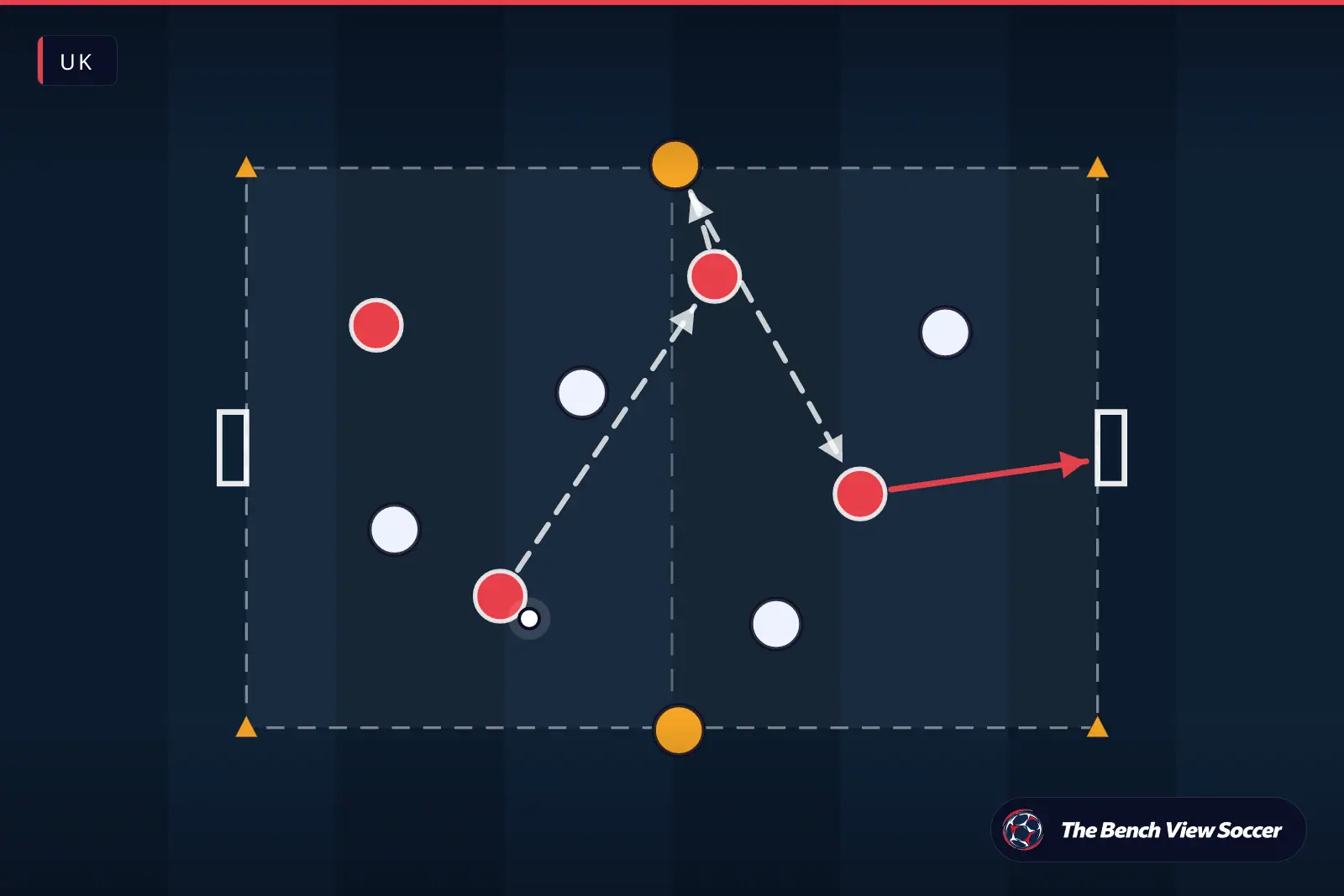
football speed and agility training UK
In the United Kingdom — the birthplace of football — speed and agility are non-negotiable physical attributes. From grassroots Sunday leagues to Premier League fixtures, the ability to accelerate, change direction and react under fatigue separates good players from elite performers. Clubs such as Arsenal, Liverpool, Manchester City and Chelsea demonstrate different speed profiles: explosive wing sprints, quick short-burst pressing and coordinated team acceleration when transitioning in competitions like the Champions League and Europa League.
Developing speed and agility in the UK context needs to connect with coaching badges, FA Cup traditions and the reality of congested calendars across the Premier League and Championship. This article provides coach-level, advanced methods, test protocols and drill progressions tailored for academy coaches, performance directors and educated grassroots practitioners.
What is football speed and agility training UK?
Football speed and agility training UK is a targeted, periodised approach combining sprint mechanics, force development, eccentric strength, plyometrics and perceptual-cognitive drills adapted to the demands of UK competitions. It emphasises sport-specific acceleration, deceleration, change of direction (COD) and reactive decision-making, integrated with monitoring tools like GPS and force-velocity profiling.
How to train speed and agility for football?
- Assess and profile: Run baseline testing — 10m and 30m sprints, 505 COD test, vertical jump and eccentric hamstring tests. Create a force-velocity profile to identify whether an athlete needs more force or velocity work.
- Build a periodised plan: Structure microcycles around match days (MD). Prioritise high-intensity speed work early in the week (MD-4/MD-3), maintenance on MD-2 and tapering pre-match. Integrate strength and power mesocycles across the season.
- Develop mechanics and force application: Use resisted sprints (sleds, uphill runs) to improve horizontal force, and overspeed or fly sprints to enhance turnover. Combine with technical drills for posture, arm drive and leg recovery.
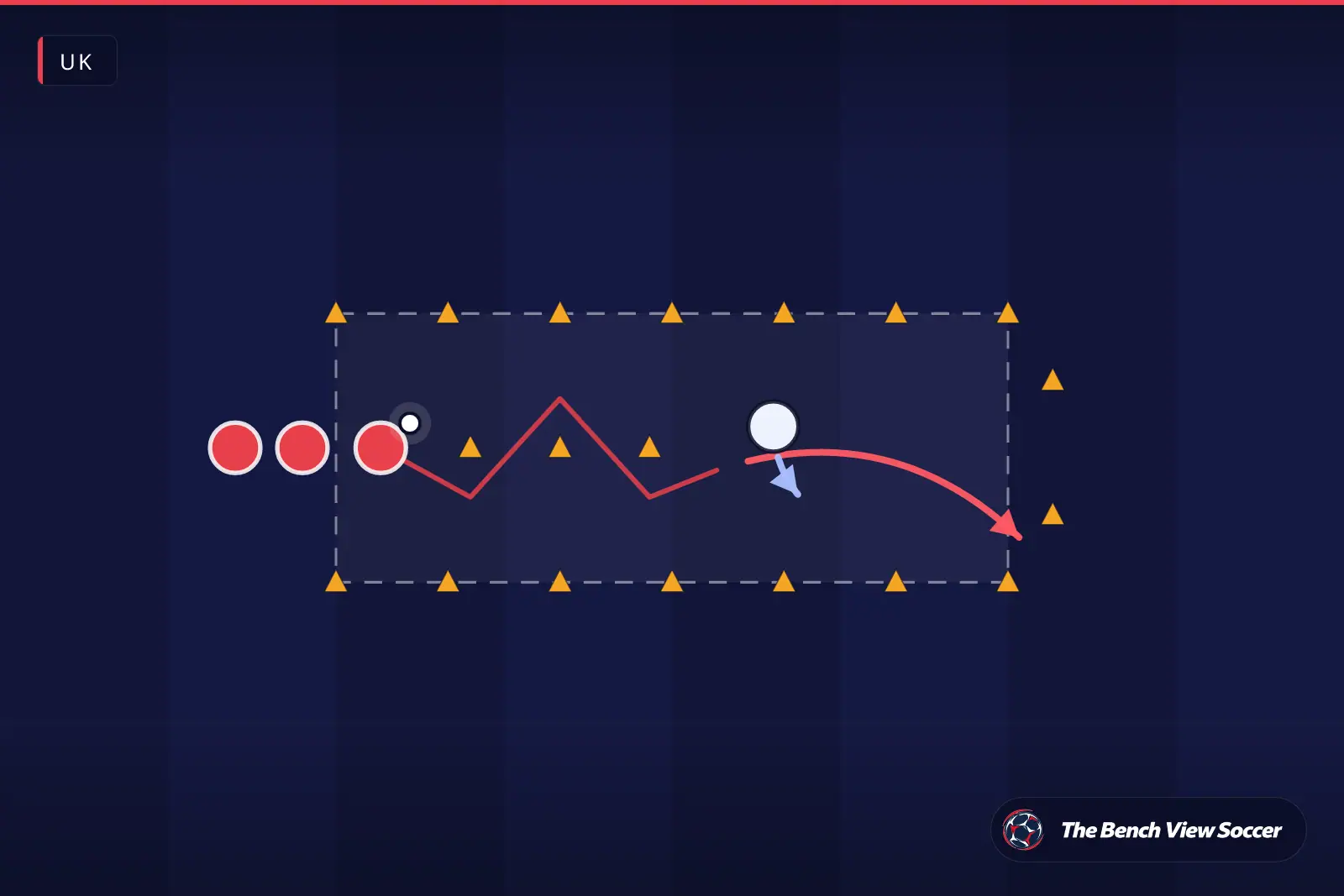
- Train COD and deceleration capacity: Emphasise eccentric strength (Nordics, eccentric squats) and progressive COD drills — 505 progressions, L-drill, T-drill, multi-directional shuttles with tempo to control braking mechanics.
- Integrate perception-action coupling: Use mirror, reactive light systems, and small-sided games that force high-speed decisions. Blend pure physical drills with perceptual loads to transfer agility to match situations.
Real examples from Premier League?
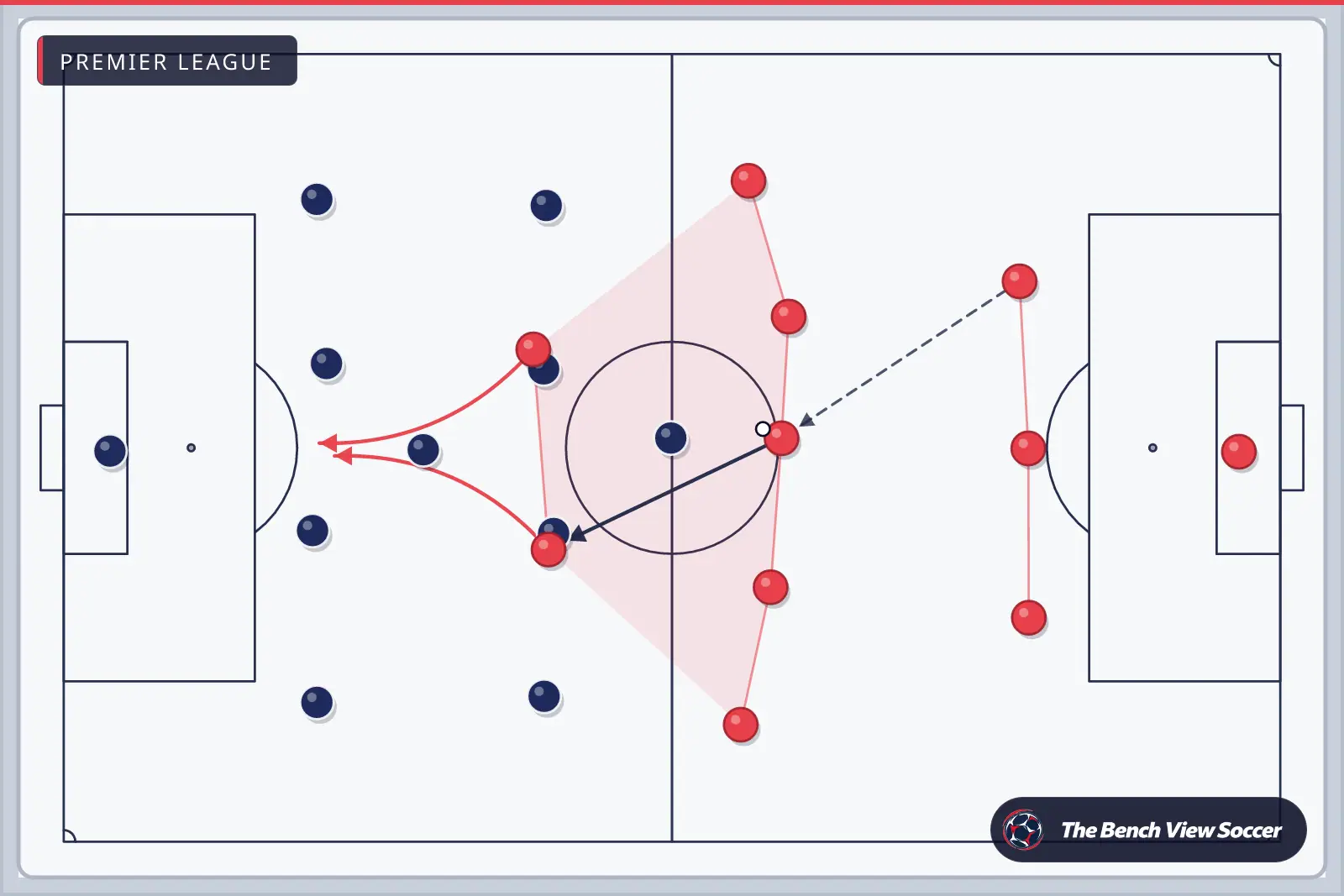
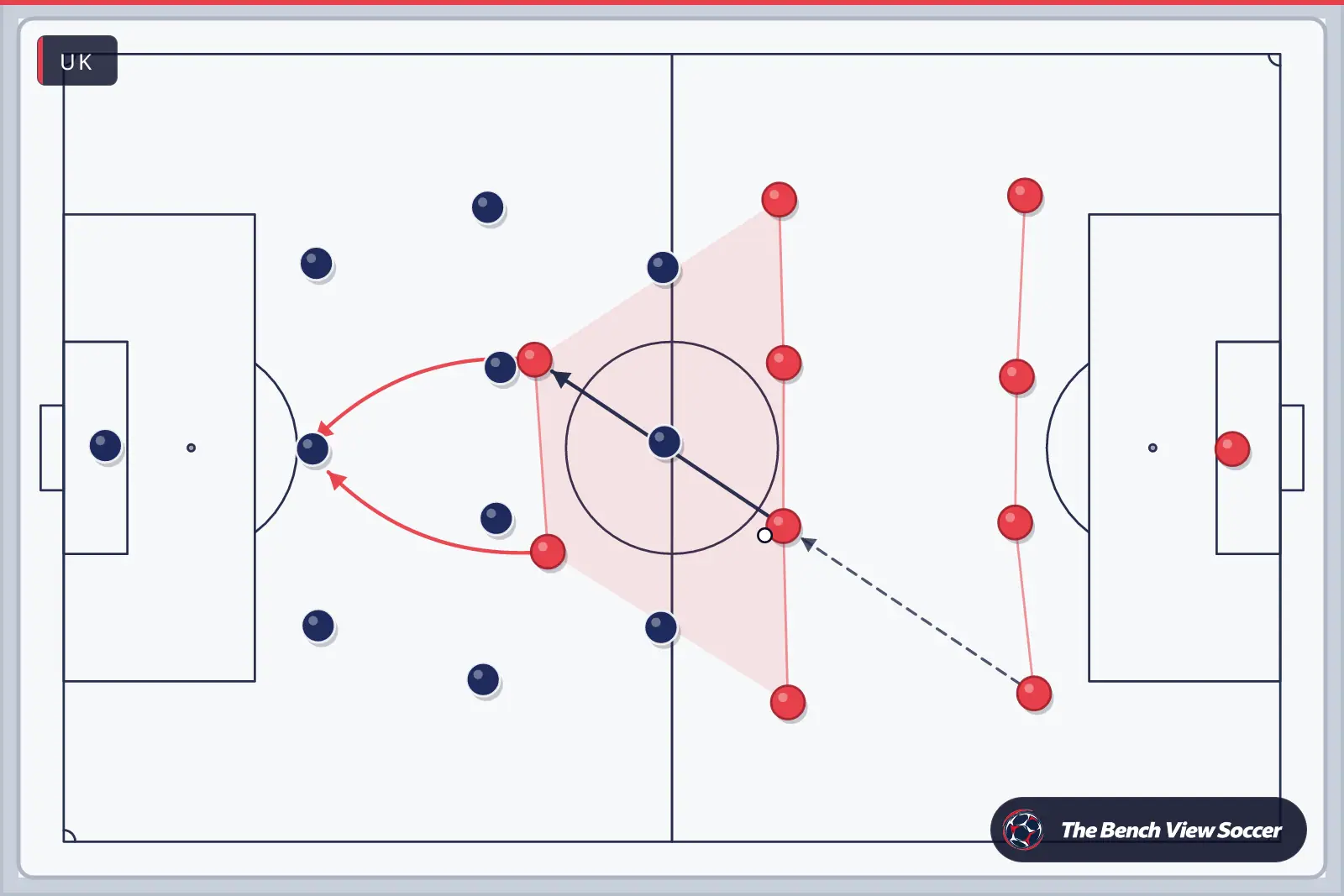
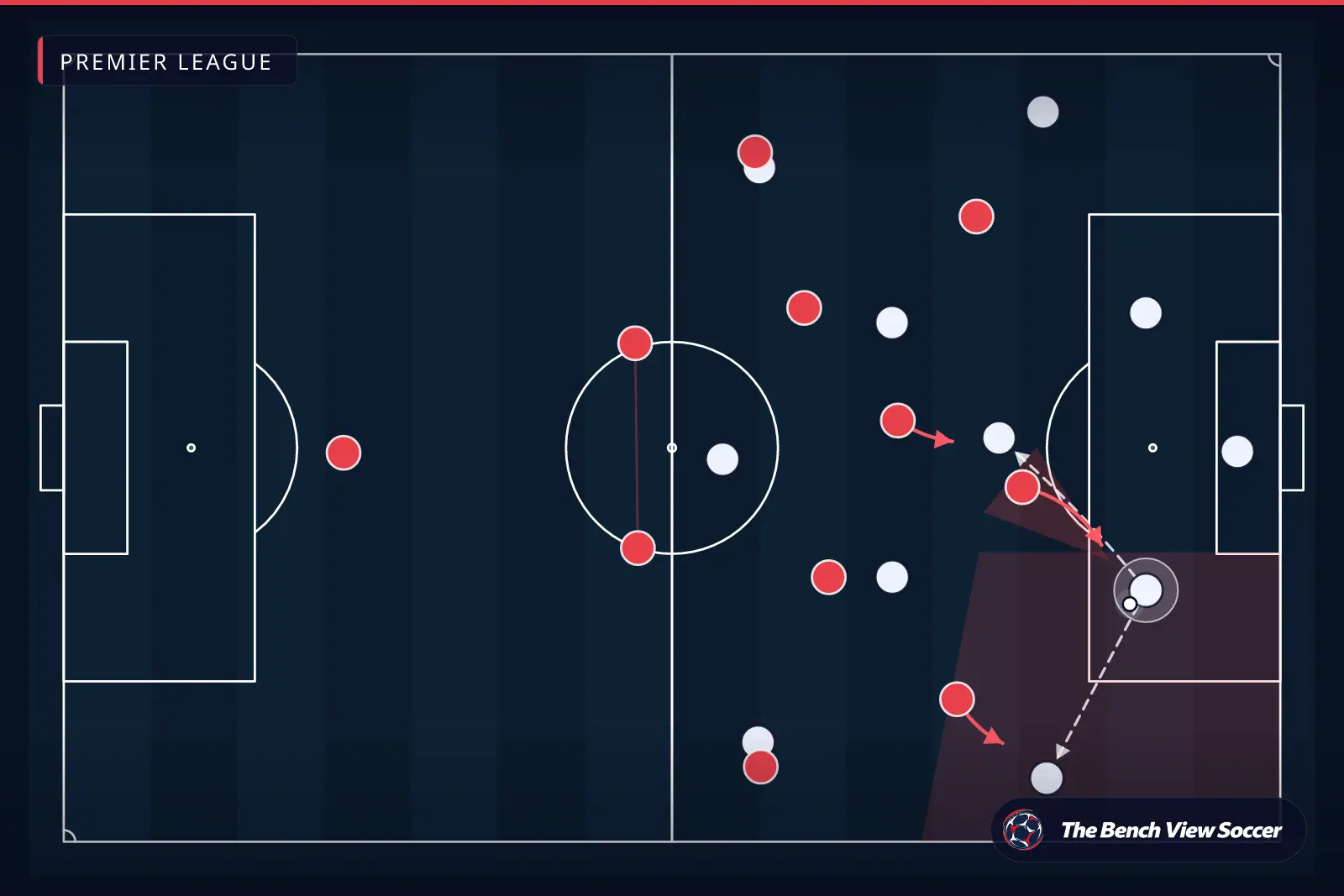
Look at Manchester City: their positional play demands short, explosive accelerations and controlled decelerations to create space; City coaches integrate repeated short-acceleration drills with ball. Liverpool’s high press requires sustained repeated-sprint ability and reactive acceleration; drills mimic pressing triggers and immediate pursuit. Arsenal’s wide players execute long high-speed runs behind defences — practice long accelerations and high top-speed work. Chelsea have historically blended physicality and technical change-of-direction work, pairing strength sessions with heavy eccentric COD loading. At academy level, clubs mirror first-team profiles, using GPS metrics to calibrate training load and ensure young players progress safely into Championship or Premier League demands.
Best tips to football speed and agility training?
- Prioritise force production: heavy strength (squats, deadlifts) 2–3x weekly to raise the ceiling for power and sprint force.
- Emphasise quality over quantity: short, maximal sprints with full recovery produce neural adaptations; avoid low-quality, fatigued sprinting.
- Progress COD by angle and speed: start with 45° cuts at controlled speed, advance to 90°+ at maximal approach velocities.
- Use plyometrics for reactive strength: unilateral bounds, drop jumps with short ground contact times transfer to sprint re-acceleration.
- Monitor and individualise: use GPS, heart rate and subjective readiness; adapt sessions to competition load and player position.
- Train perceptual-cognitive elements: combine ball, opponent cues and decision-making into high-speed drills to ensure transfer to match play.
Mistakes to avoid?
- Neglecting eccentric capacity — weak braking mechanics increase injury risk and limit COD performance.
- Overloading with high-volume sprinting — quantity without recovery reduces quality and increases fatigue-related injuries.
- Isolating speed from cognition — pure physical testing without reactive drills reduces transfer to match scenarios.
- Failing to individualise — one-size-fits-all plans ignore force-velocity profiles and position-specific demands.
Frequently Asked Questions
Q: How often should academy players perform dedicated speed sessions?
Related Resources
A: Academy players typically benefit from 2–3 dedicated speed and power sessions per week, balanced with technical training and strength work. Schedule maximal speed early in the week with maintenance sessions later, and always adjust to match load and individual recovery metrics.
Q: What are the best tests to monitor progress?
A: Use a combination of 10m/30m sprints for linear speed, 505 or modified T-test for COD, countermovement jump for power, and GPS metrics for in-game accelerations. Force-velocity profiling refines programming by identifying whether to prioritise force or velocity.
Q: Can grassroots teams apply Premier League methods?
A: Yes — scale complexity and load. Focus on fundamental mechanics, basic strength, progressive COD drills and simple reactive games. Prioritise recovery and technique; expensive tech helps but is not mandatory for effective training.
Q: How do I reduce injury risk during speed training?
A: Emphasise eccentric strength (hamstring eccentrics), gradual progression of sprint volume, adequate warm-ups, and regular monitoring. Implement off-feet strength, mobility, and neuromuscular control drills aligned to the FA coaching curriculum.
Conclusion
Elite football speed and agility training in the UK demands a systems approach: testing, strength, plyometrics, COD progressions, and perceptual integration. Whether preparing players for the FA Cup, Championship promotion battles or European ties, use data and coaching-badge principles to individualise development. Start our free courses on The Bench View Soccer.