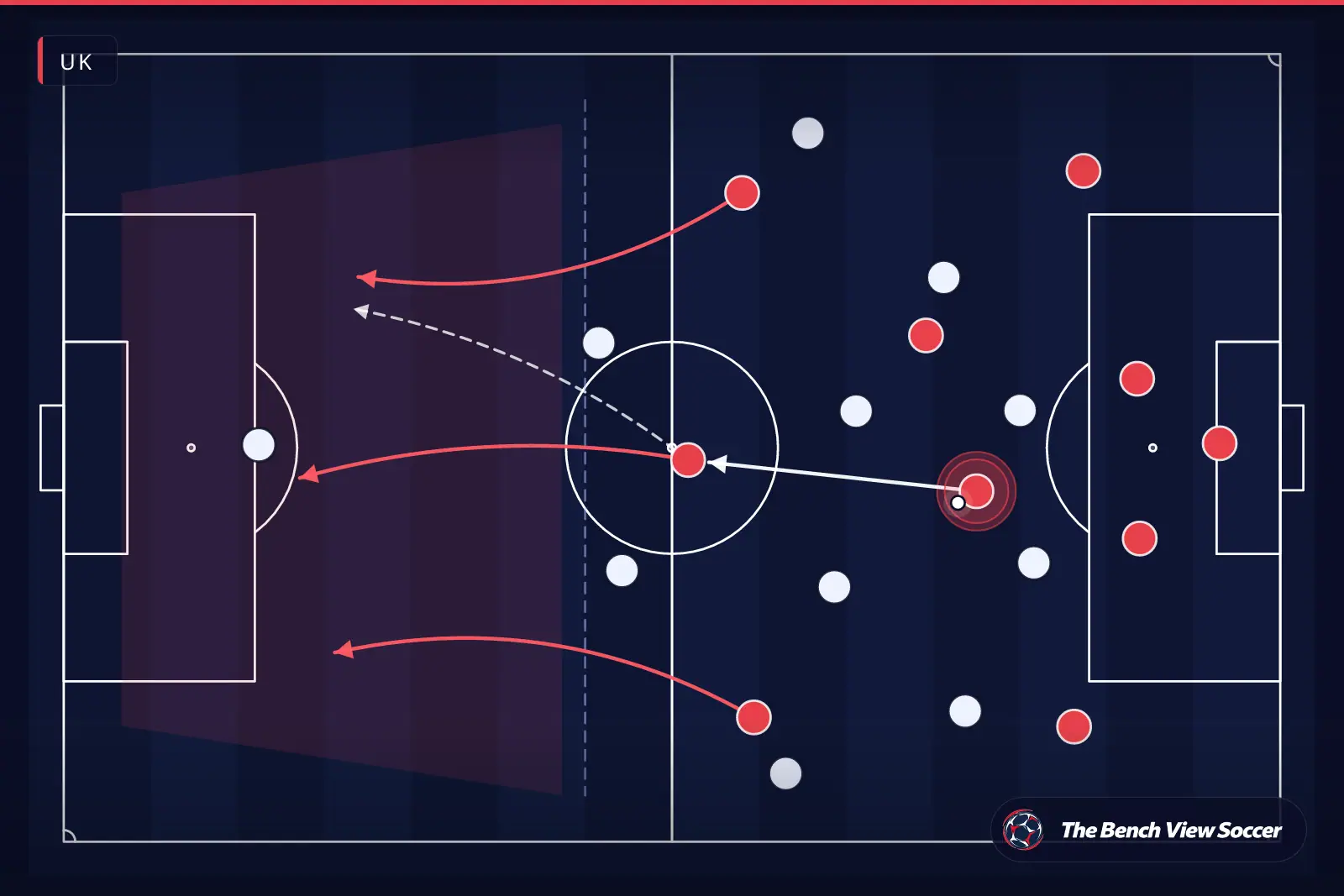
football transition play tactics UK
In the United Kingdom, birthplace of modern football, transition moments decide domestic and European ties. From grassroots Saturday leagues to the Premier League, teams that master transition play tactics win more duels, create clear chances and control momentum in Championship, FA Cup and continental games.
This guide breaks down practical, coachable methods for players and teams. Whether you’re studying for FA coaching badges or a motivated player at a Sunday League, these tactics—illustrated with Arsenal, Liverpool, Manchester City and Chelsea examples—give you a clear plan to train and perform better during rapid game changes.
What is transition play?
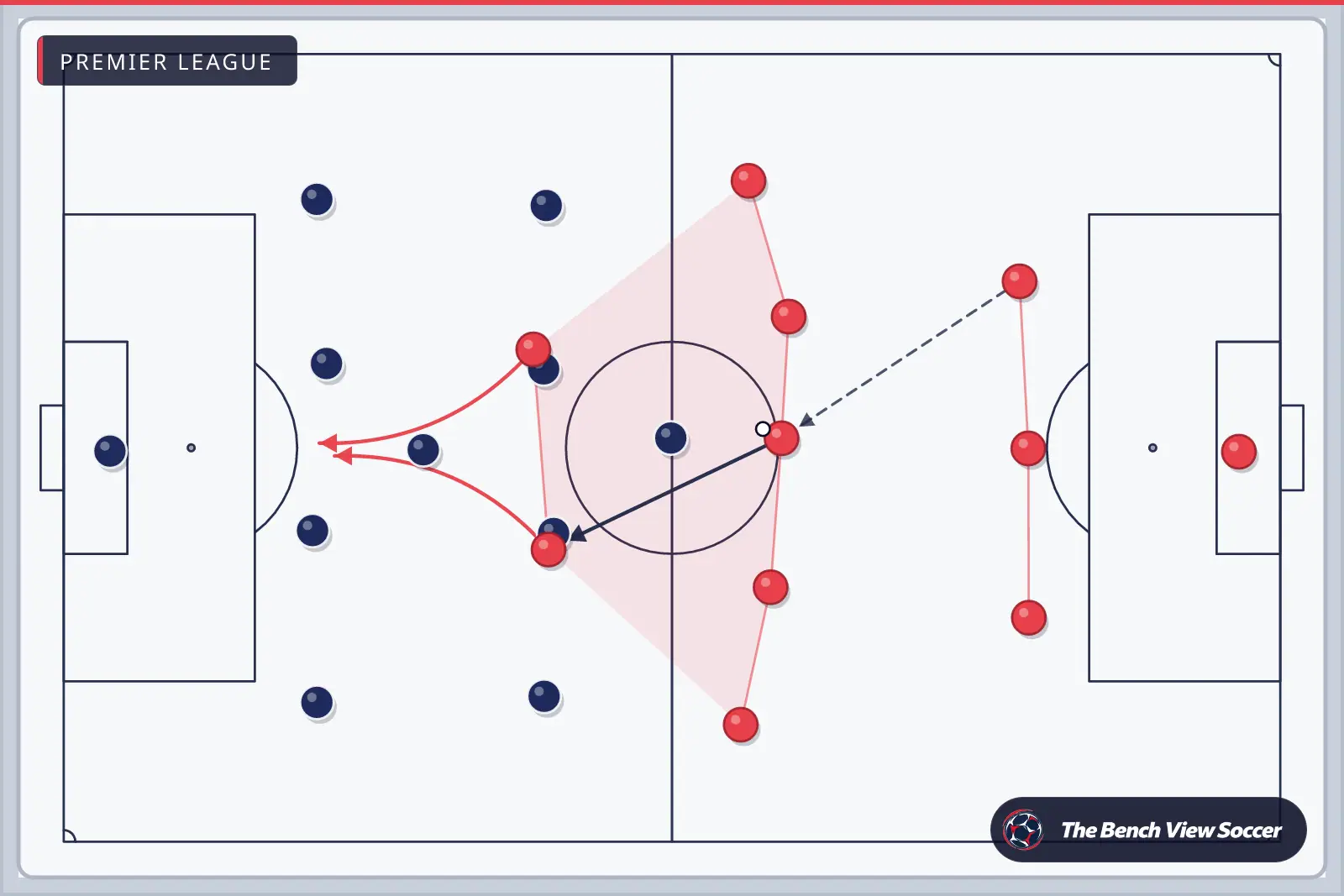
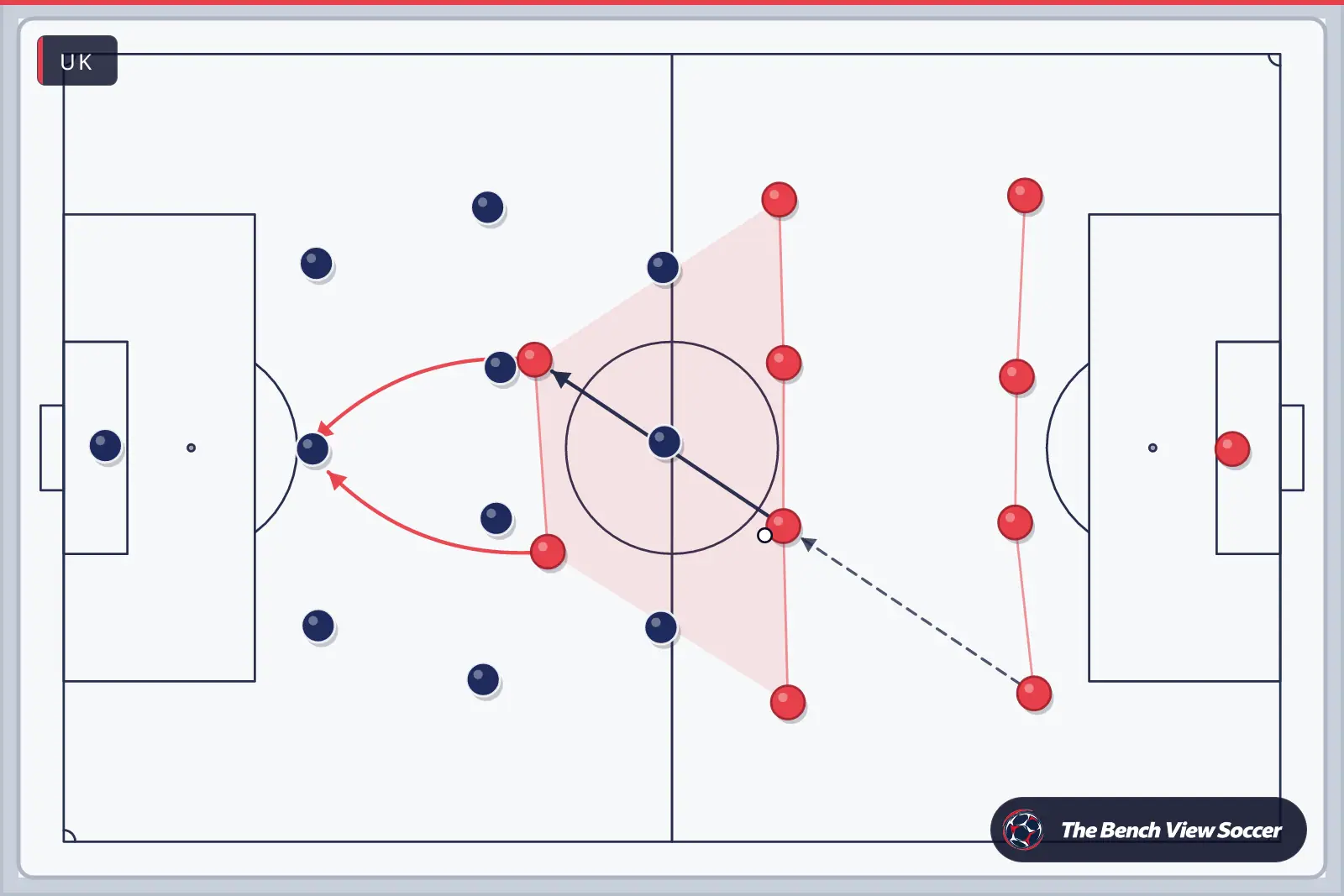
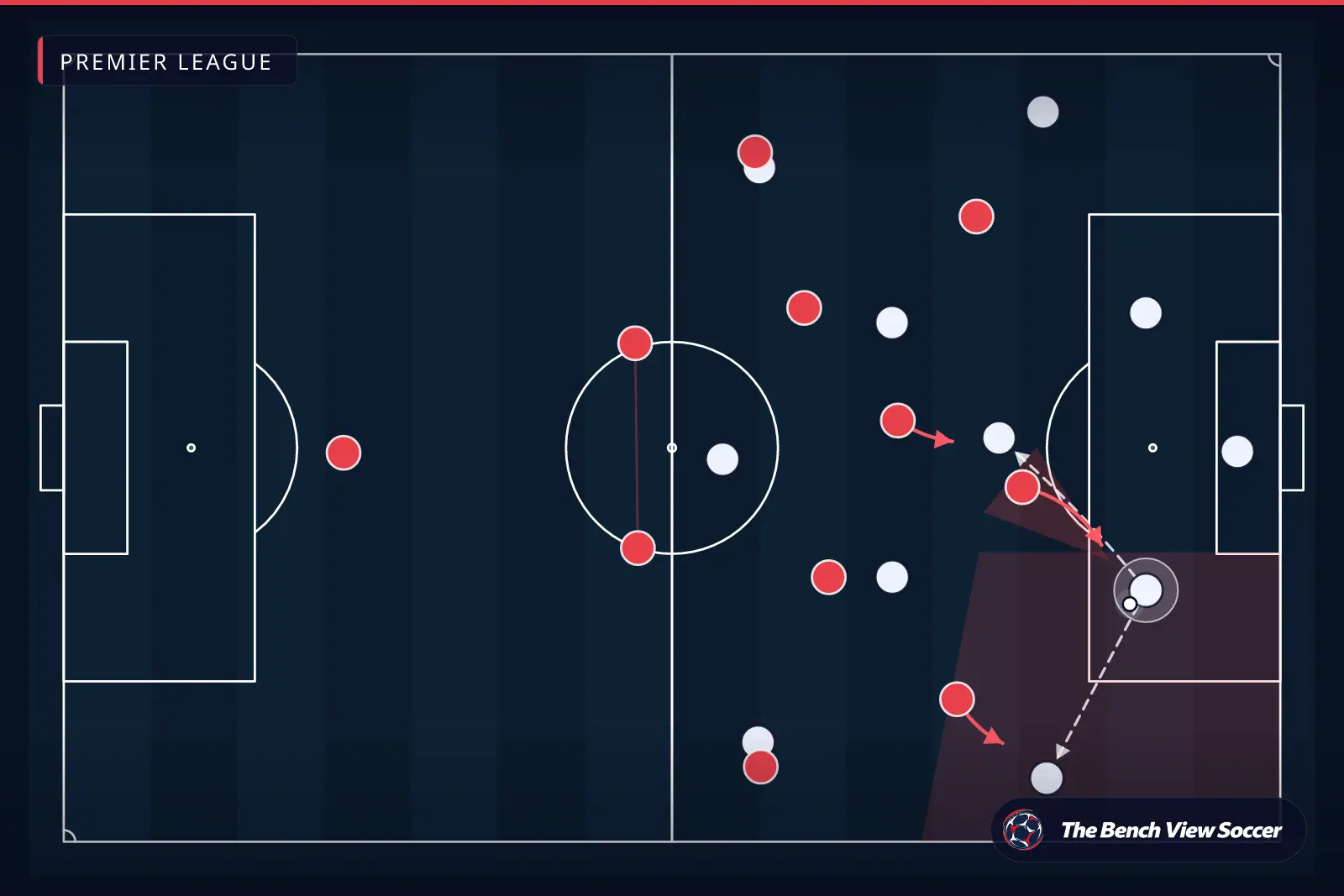
Transition play describes the moments when a team switches between defensive and offensive phases (and vice versa). It covers the first five to ten seconds after gaining or losing the ball—when decisions to counter-attack, recycle possession, counter-press or regroup determine how dangerous the next sequence will be.
How to execute transition play?
- Recognise the moment: Train scanning, body orientation and communication so every player knows when possession status changes. Immediate awareness wins seconds.
- Decide the intent: On turnover, choose one of three team intents—counter-attack (fast forward), sustain possession (support and recycle), or press to regain (counter-press). Pre-match plans make this instinctive.
- Create quick vertical options: Use a direct pass line, diagonal runs and a target player between lines. Encourage midfielders to carry forward and full-backs to provide width within 3–6 seconds.
- Organise defensive reshaping: When possession is lost, immediate compactness wins. Drop into a narrow shape, protect central channels and assign the first press triggers to nearby players.
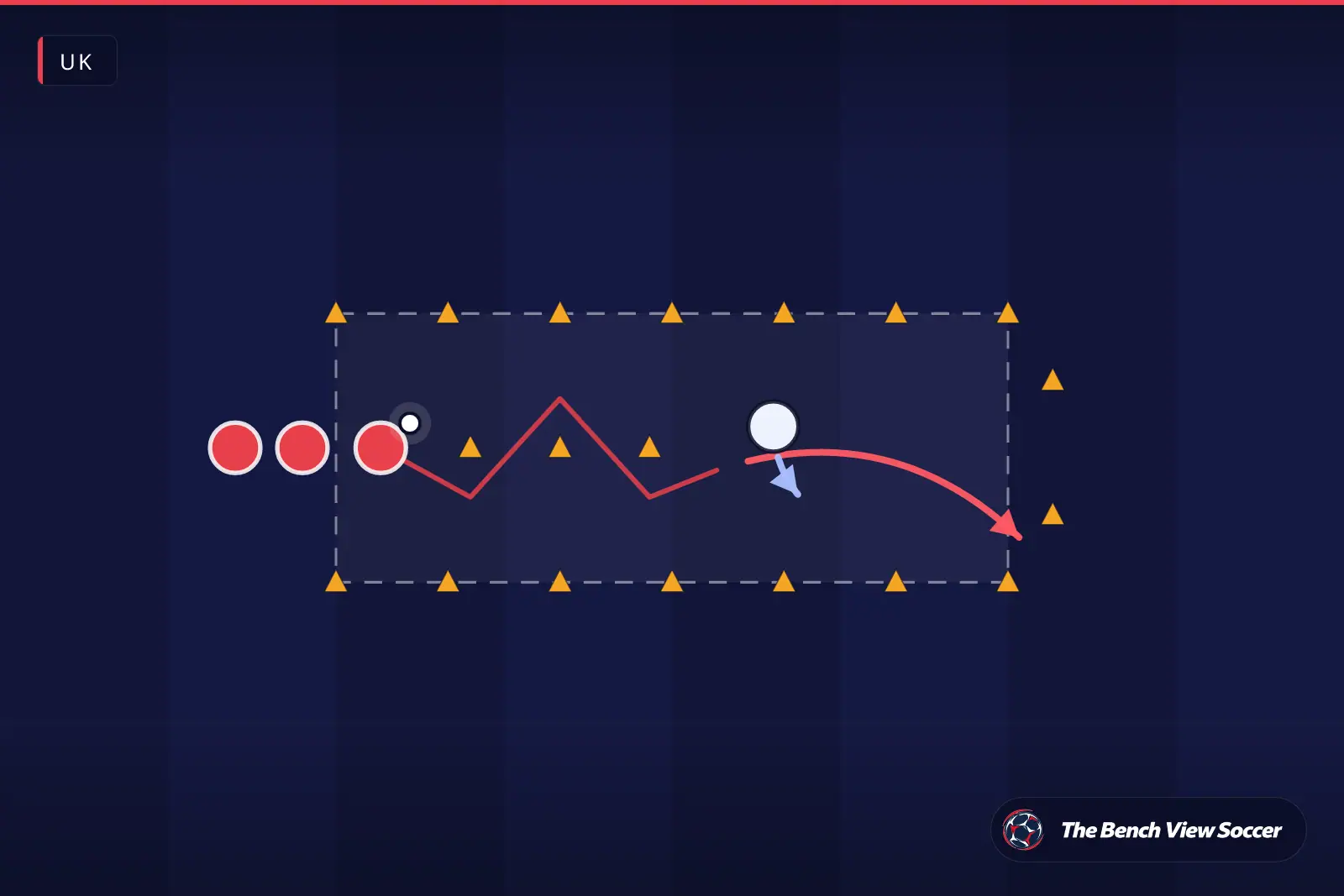
- Train rehearsed patterns: Drill exit plays, 3v2 overloads and counter-press cycles in small-sided games and conditioned practices to ingrain fast decision-making.
Real examples from Premier League?
Manchester City under Pep exemplify controlled transitions—possession retention then instantaneous forward switches via Kevin De Bruyne. Liverpool’s Klopp-era transition play is famous for aggressive counter-press (Gegenpress) to win the ball and exploit quick outlets like Mohamed Salah.
Arsenal combine structured positional transition with rapid interchange through midfield; their FA Cup runs show how disciplined shapes allow sudden forward surges. Chelsea have varied approaches: at times direct counters from wing-backs; other times, defensive reset and then quick vertical passes. Studying these teams helps players understand different stylistic approaches within the same tactical concept.
Best tips to master transition play?
- Train with time limits: practice 5–10 second scenarios to simulate match urgency.
- Work on first touch and forward vision: a good first touch to face forward speeds any counter.
- Prioritise communication: clear cues (names, directions) speed transitions at all levels.
- Use conditioned small-sided games: 6v6 with turnover bonuses reinforces pressing and rapid breaks.
- Study Premier League clips: analyse patterns from Arsenal, Liverpool, Man City and Chelsea to see triggers and spacing.
Mistakes to avoid?
- Rushing without shape: abandoning structure leads to predictable turnovers and easy counters.
- Poor risk management: forcing low-percentage long balls instead of creating numerical advantages exposes the team.
- Ignoring roles after loss: without designated pressing triggers or cover players, counter-press collapses and leaves gaps.
- Neglecting rehearsal: lack of practice for transitions makes them chaotic in competitive matches like the FA Cup or Championship fixtures.
Frequently Asked Questions
Q: How do young players train transition play at grassroots?
A: Start with simple 3v2 and 4v3 drills to teach numerical advantage, then add conditioned games that reward quick transitions. Emphasise scanning, first touch and roles—skills aligned with FA Level 1 and 2 coaching principles.
Q: When should a team counter-press versus drop and regroup?
A: Counter-press when players are positioned close to the ball and have energy to win it back immediately; regroup if numbers are out of position or if the opposition has turned and has space behind the defence.
Q: Which professional teams offer the best lessons in transition?
A: Study Manchester City for controlled transition and ball circulation, Liverpool for counter-press and fast direct counters, Arsenal for positional interoperability, and Chelsea for adaptable counter-attacking models.
Q: Can transition play be taught to older recreational players?
A: Yes. Focus on simple rules—identify triggers, rehearse two basic exit options, and insist on compact defensive recovery. Practical drills reduce cognitive load and improve decision-making at any age.
Start our free courses on The Bench View Soccer.