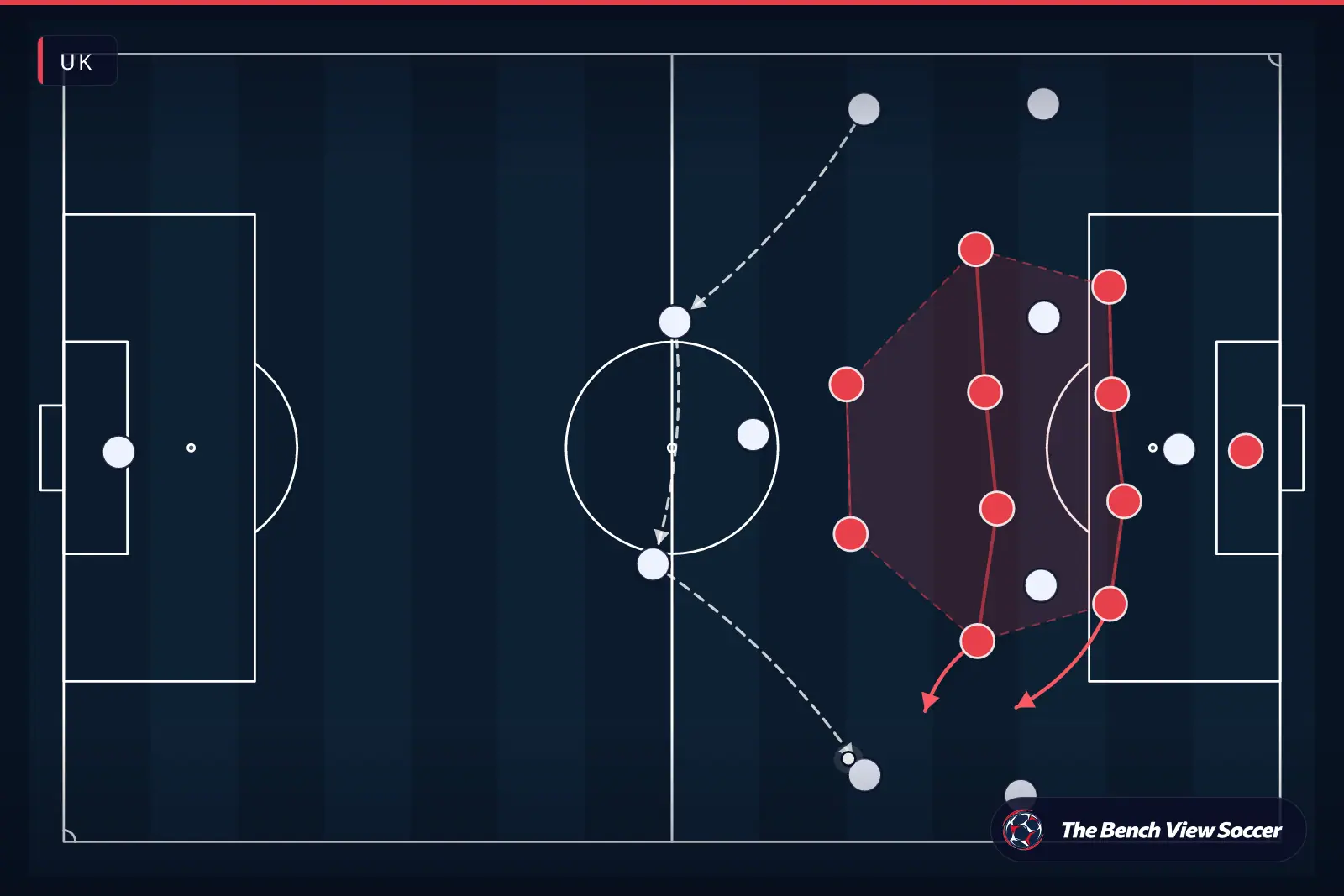
how to defend in football UK
Football started in the United Kingdom and defending is at the heart of every match from a Sunday pitch to the FA Cup final. Whether you watch Arsenal, Liverpool, Manchester City or Chelsea, defenders win games with simple basics: position, timing and teamwork.
This beginner guide explains what defending is, shows five easy home or small-space drills, gives step-by-step actions, and shares Premier League examples and coaching badge ideas for grassroots players and young coaches.
What is defending in football?
Defending in football is stopping the opponent from creating a chance to score. It includes staying between the attacker and your goal, winning the ball, forcing mistakes, and helping your team stay organised. Defending is a skill you learn with practice and good habits.
How to defend in football UK?
- Get goal-side: Always position yourself between the opponent and your goal. This gives you a better chance to intercept or block a shot.
- Stay low and balanced: Bend your knees, keep your weight on the balls of your feet and be ready to move sideways quickly.
- Delay the attacker: Don’t dive in. Use jockeying to slow them down and wait for support from teammates. Forcing them wide reduces danger.
- Use your body properly: Shoulder-to-shoulder contact and arms for balance are legal tools to shepherd attackers away from dangerous central areas.
- Win or recycle the ball: When you can, make a clean tackle or block. If you cannot win the ball, steer it to a teammate or kick it out safely and regroup.
These five steps are core to how to defend in football UK and work at every level—from backyard practice to the Championship.
What are real examples from the Premier League?
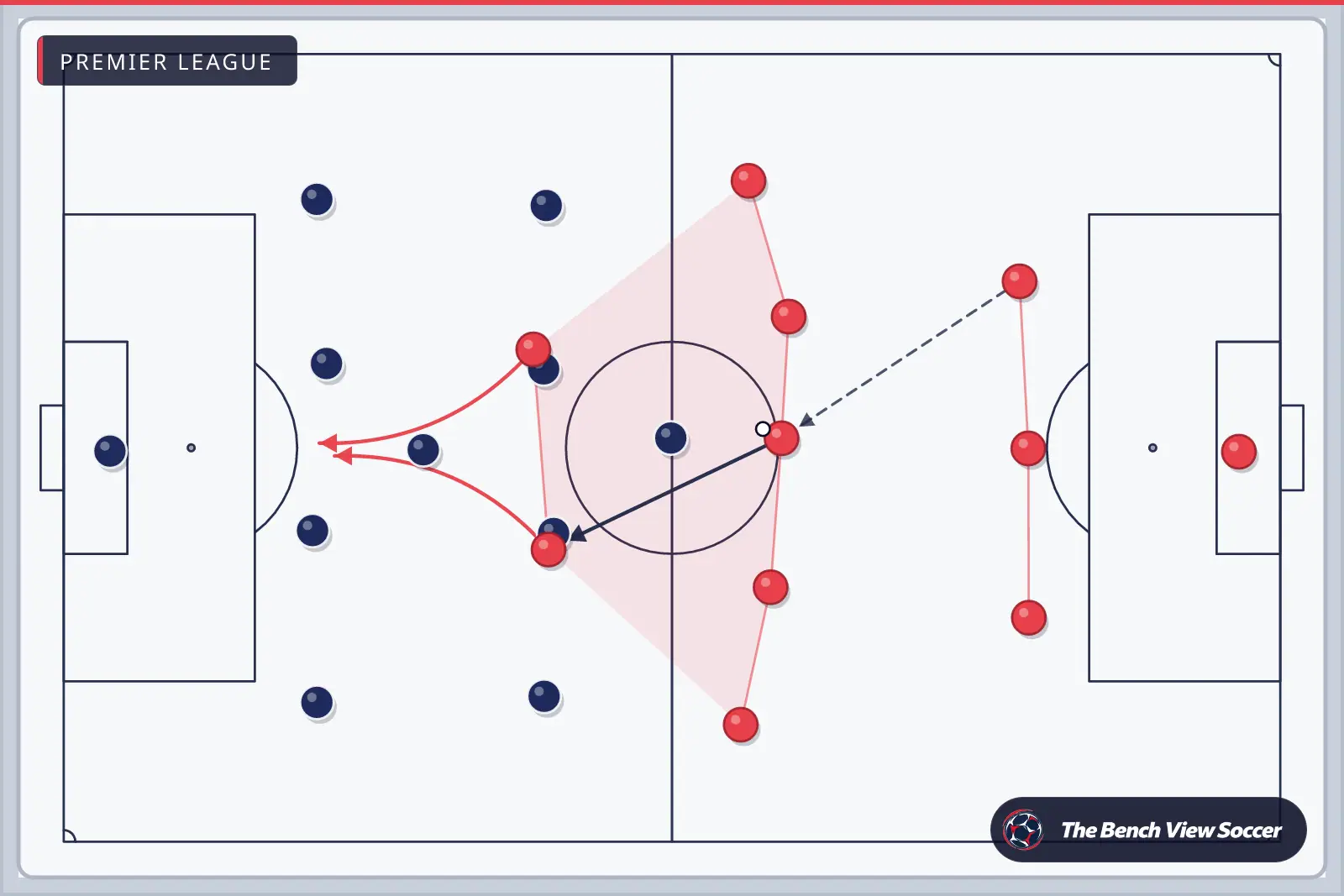
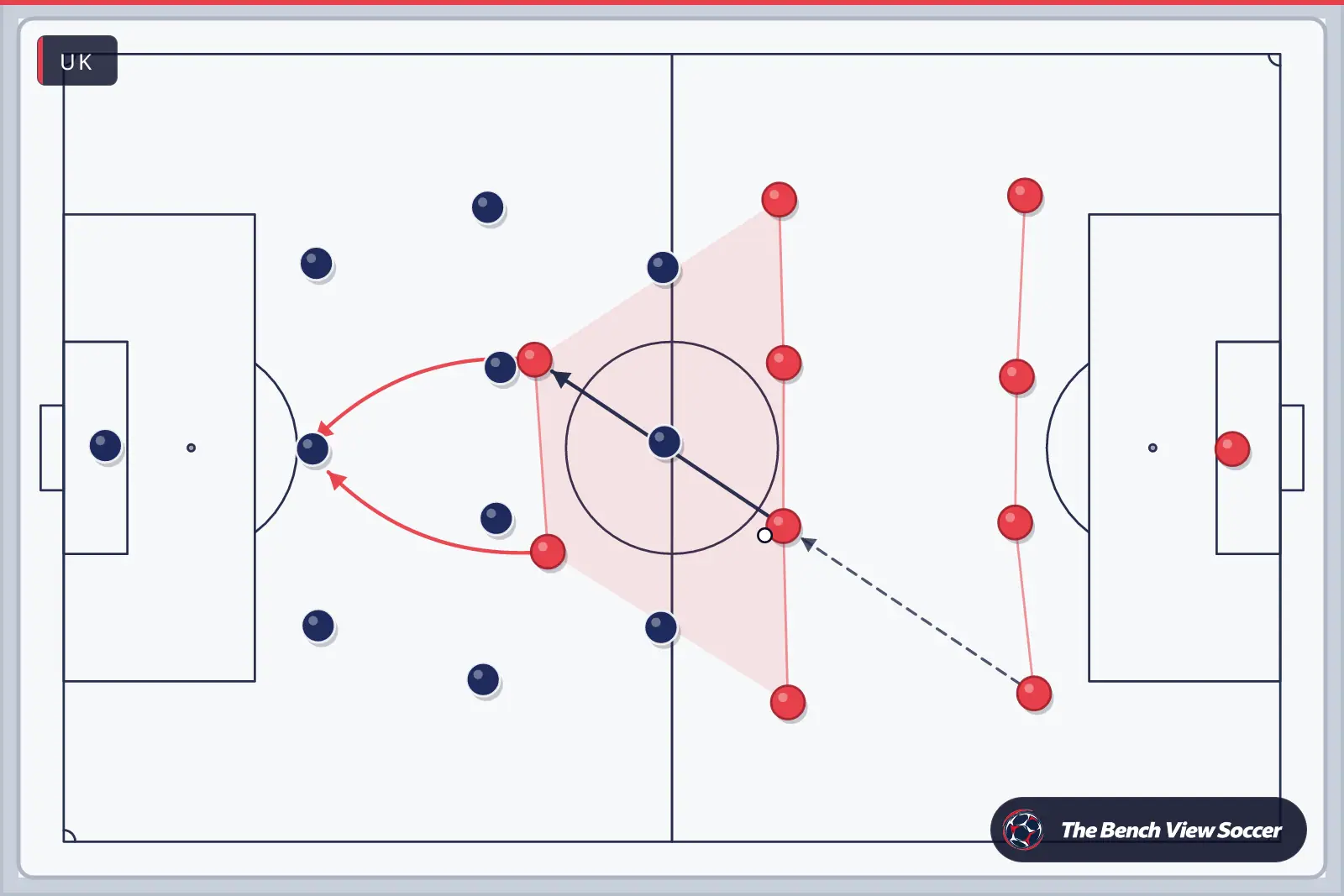
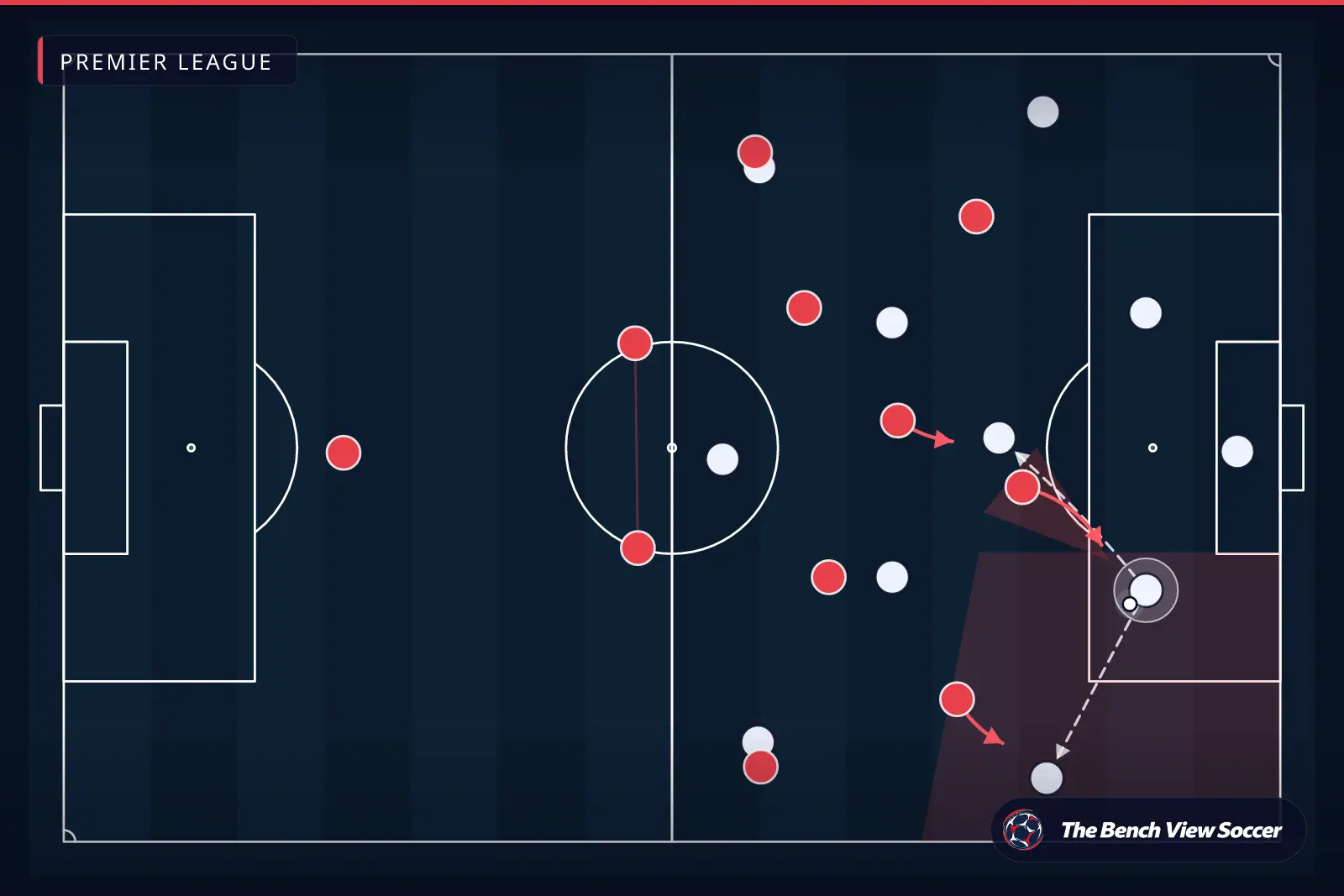
Watch how top clubs show basic defending done well. Manchester City centre-backs use perfect positioning and cover to force attackers wide. Liverpool full-backs combine pressing with strong tackling. Arsenal defenders show excellent communication to maintain a high line. Chelsea often mix individual tackles with organised blocks during set plays. You can learn by watching FA Cup ties as well, where lower-league teams defend in compact shapes against elite opponents.
Best tips to defend in football?
- Communicate: Talk to teammates—shouts like "man on" or "cover" save goals.
- Read the game: Anticipate passes, not just the ball. Good defenders see danger before it arrives.
- Keep simple passes: When you win the ball, pick a simple pass to retain possession and relieve pressure.
- Practice recovery runs: Speed back to cover space after a forward run or a dribble.
- Learn set-piece roles: Know your mark and where to stand for corners and free-kicks.
Mistakes to avoid?
- Rushing the tackle: Diving in leaves gaps. Delay and choose your moment to win the ball.
- Watching the ball only: Don’t follow the ball with your eyes—track the attacker’s hips and body.
- Poor positioning: Being too narrow or too wide opens dangerous channels for opponents.
- Ignoring communication: Silence leads to confusion. Even beginners should call for help.
Five easy home or small-space drills
Each drill needs a small area (5–15 metres), a ball and one or two partners. These drills build the basic skills for how to defend in football UK.
-
Mirror shuffle (1v1 shadowing)
Player A dribbles in a 6x6m box. Player B mirrors movements without tackling. Focus on staying goal-side, low stance, and quick feet. Swap after 30 seconds. Repeat 6 rounds.
-
Delay and tackle (1v1 with gate)
Set a small gate as target behind the defender. Attacker tries to pass through gate. Defender must delay for 3–4 seconds, then attempt to win the ball cleanly. Focus on timing tackles.
-
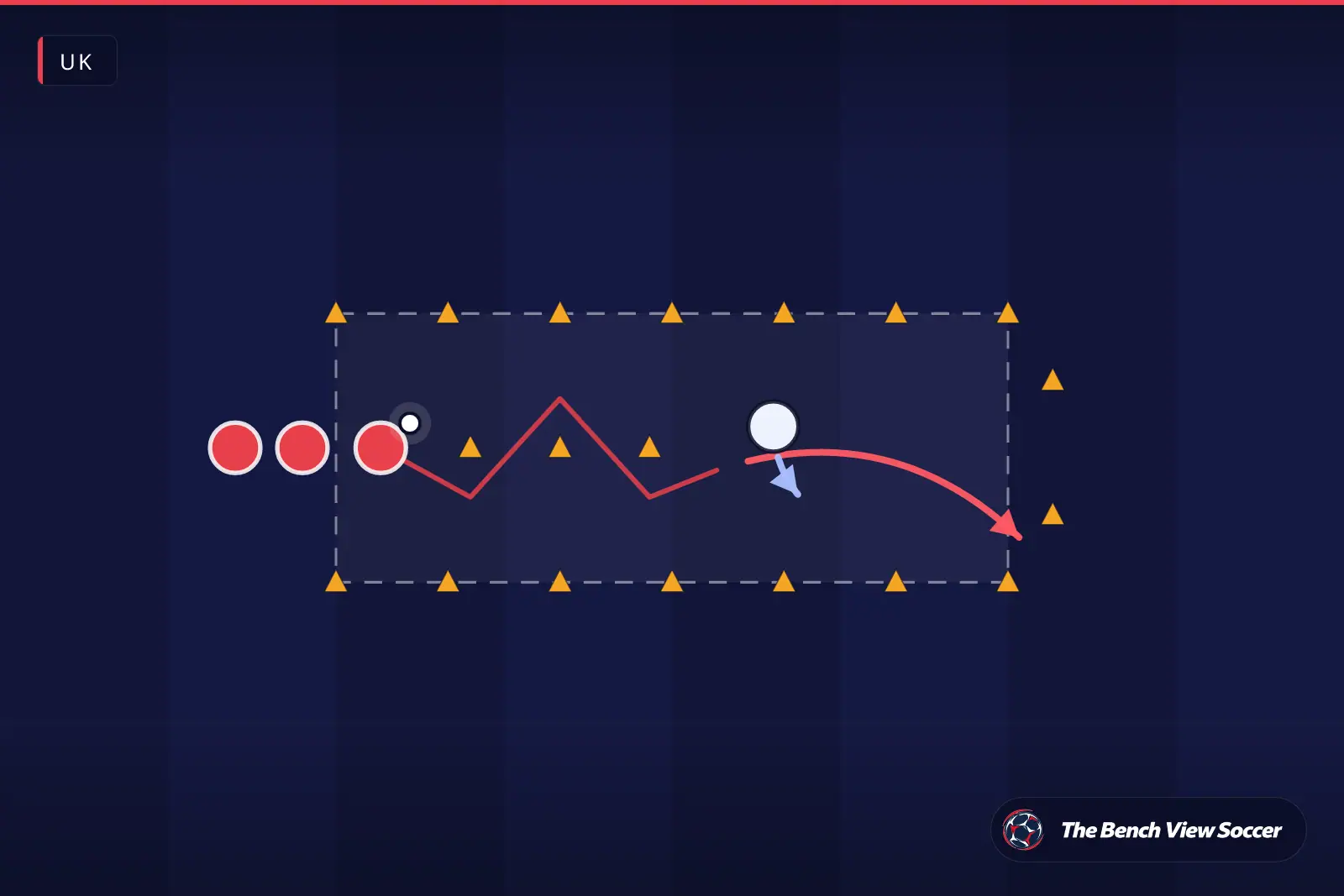
Side-step lanes (recovery runs)
Two cones 10m apart. Defender starts in the middle. Attacker dribbles past one cone and sprints away. Defender practices quick side-steps and recovery sprint to cut off return passes.
-
Shield and pass (body use)
With a wall or partner, practice using your shoulder to shield the ball then make a safe pass. This teaches legal contact and balance under pressure.
-
Small-group pressing (3v2)
In a 10x8m box, 3 attackers keep possession against 2 defenders. Defenders work on forcing play wide, marking passing lanes and closing space quickly. Short rounds build intensity and decision-making.
Frequently Asked Questions?
Q: How long does it take to get good at defending?
A: Basic defending skills can improve in weeks with regular practice. To become consistently reliable takes months or years, depending on training frequency, coaching quality and match experience. Grassroots coaching badges help accelerate learning.
Q: Can I practise defending alone at home?
A: Yes. Use wall passes, cone drills, shadowing footwork and recovery sprints to build key attributes. The five small-space drills above are ideal for solo or partner practice in a garden or a small park.
Q: What should young players focus on first?
A: Focus on stance, balance, communication and simple tackling timing. Young players should also learn to stay goal-side and how to delay attackers until help arrives. These basics are emphasised in FA youth coaching and early coaching badges.
Q: Which Premier League defenders are good models?
A: Watch defenders from Liverpool, Manchester City, Arsenal and Chelsea to see a mix of one-on-one defending, positioning and passing out from the back. Also study FA Cup matches where defensive discipline often decides the tie.
Start our free courses on The Bench View Soccer.
Train Your Technical Skills
Dribbling, control, and beyond — step by step
Start free on The Bench View Soccer →