how to improve finishing in football UK
Finishing separates good players from top-level forwards. In the United Kingdom, from grass-roots Sunday League pitches to the training grounds of Arsenal, Liverpool, Manchester City and Chelsea, elite finishers are built with structured practice, technical coaching and match-context repetition. The FA Cup tradition and the history of British finishing demands a modern, scientific approach.
This advanced guide is written for coaches and ambitious players aiming to upskill finishing using professional drills, analysis techniques and coaching-badge insights. It blends best-practice from Premier League and academy programmes with practical sessions you can run on any surface.
What is finishing?
Finishing is the combination of technical striking ability, spatial awareness, decision-making and composure required to convert goal-scoring opportunities. It includes foot placement, body shape, first-time control, shot selection, and adapting to game pressure. Finishing is as much cognitive and situational as it is mechanical.
How to improve finishing in football?
- Diagnostic assessment – Video-record match play and training to identify technical faults: plant foot position, open vs closed body, non-kicking foot alignment, hip rotation and contact point on the ball.
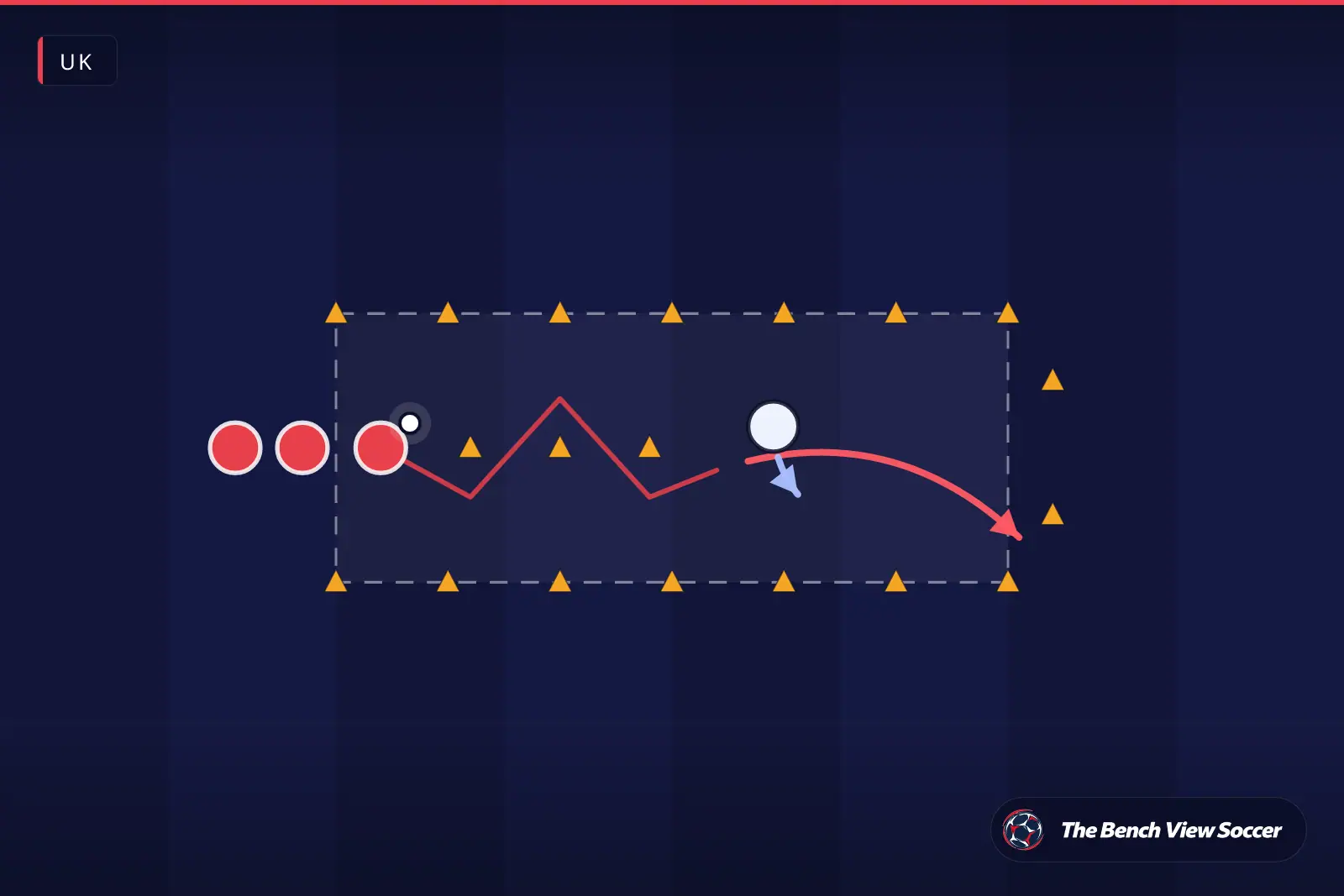
- Technical reprogramming – Use isolated ball-striking drills (inside, laces, outside) at varied distances. Focus on contact zone: low-driven, lofted, curled. Apply progressive overload—start static then add speed and deflection.
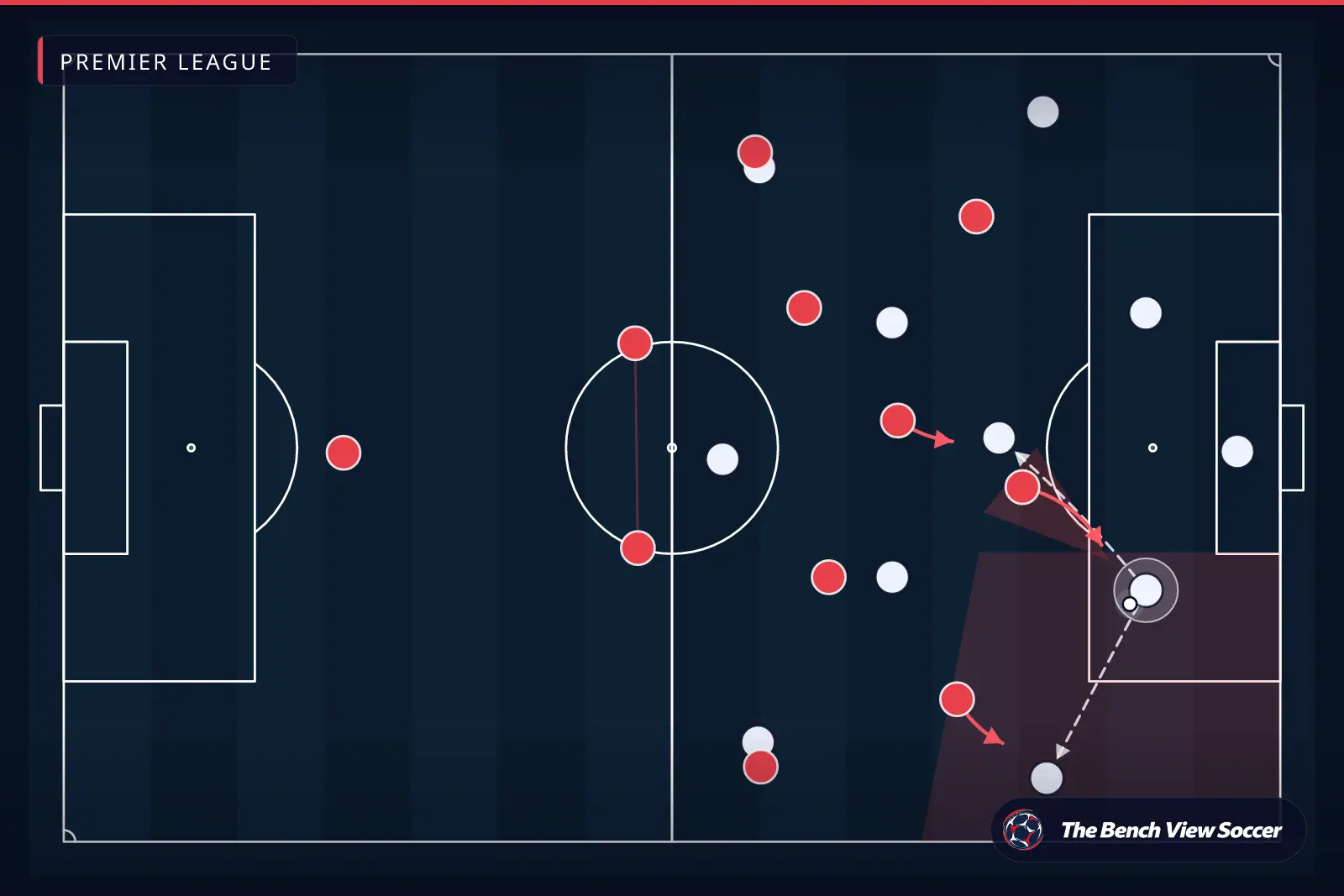
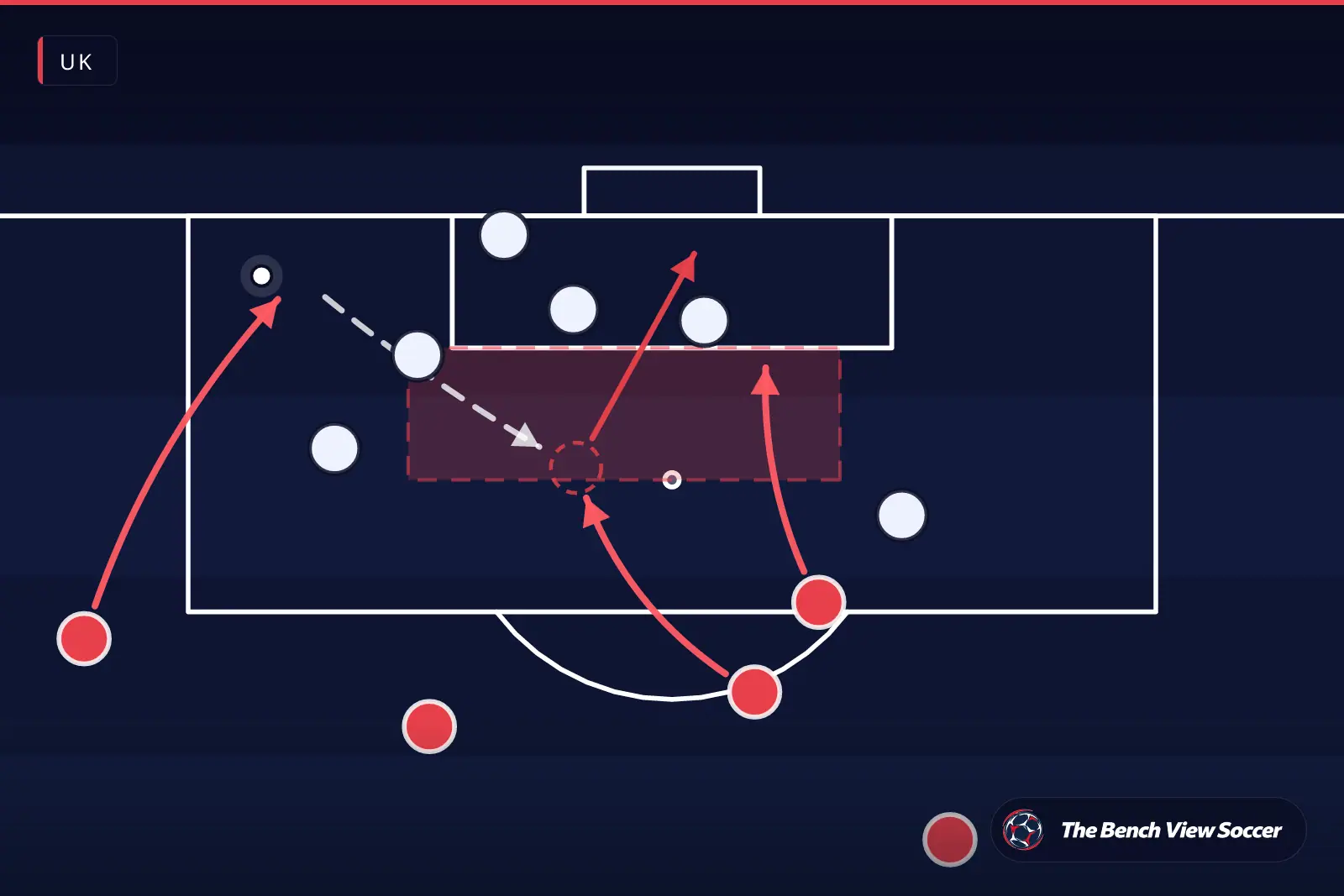
- Contextual repetition – Move to game-realistic sequences: crosses from wide under pressure, cut-backs, rebounds off the keeper. Use constrained small-sided games to increase decision frequency and mimic Championship intensity.
- Pressure and composure training – Implement time-limited finishing drills (e.g., beat the buzzer), defenders closing down and goalkeeper variability. Include mental skills coaching: breathing, visualisation and routine under stress like a penalty or 1v1 situation.
- Feedback loop and periodisation – Integrate GPS/metrics and video feedback into weekly cycles. Taper drill volume before matches and increase high-quality finishing reps post-match. Ensure recovery, strength work and judgement training aligned to coaching-badge standards (FA Level 2/UEFA B/A progression).
Real examples from the Premier League?
Arsenal’s academy emphasises body shape and finishing from crosses—observe Bukayo Saka’s low-driven finishes and positional awareness in the box. Liverpool’s sessions under Klopp focus on high-repetition, transition finishing and quick recovery to capitalise on chaos. Manchester City’s coaches isolate biomechanics and decision-making—Erling Haaland’s finishing efficiency reflects high volume, high-pressure rehearsals plus elite strength work. Chelsea’s youth development balances technical drills with 1v1 composure training, preparing players for FA Cup knockout intensity and European competition finishing demands in the Champions League and Europa League.
Best tips to improve finishing?
- Train the first touch as a shot setup: control into your preferred striking zone every rep.
- Vary service types: driven crosses, lofted balls, low cut-backs and through balls to replicate match variability.
- Practice finishing with both feet; even modest improvement on the weaker foot yields big dividends in tight matches.
- Use video analysis each week to compare technique and decision-making against elite Premier League examples.
- Condition finishing drills to match tempo of the target league (Premier League pace vs Championship physicality).
Mistakes to avoid?
- Neglecting first touch: poor control ruins technically perfect finishes.
- Repetition without variability: too many identical shots fails to prepare players for game randomness.
- Overlooking decision-making: choosing the wrong finish (power vs placement) under pressure is a cognitive error, not just technical.
- Ignoring fatigue and periodisation: high-volume finishing without recovery reduces quality and habit formation.
Frequently Asked Questions?
How often should players practise finishing?
Elite players schedule finishing practice 2–4 times weekly within broader training cycles. Sessions mix technical reps, small-sided pattern work and high-pressure finishing. Youth coaches should limit volume but increase quality; senior pros use GPS load monitoring and periodised intensities aligned with match schedules.
What drills replicate Championship and Premier League finishing demands?
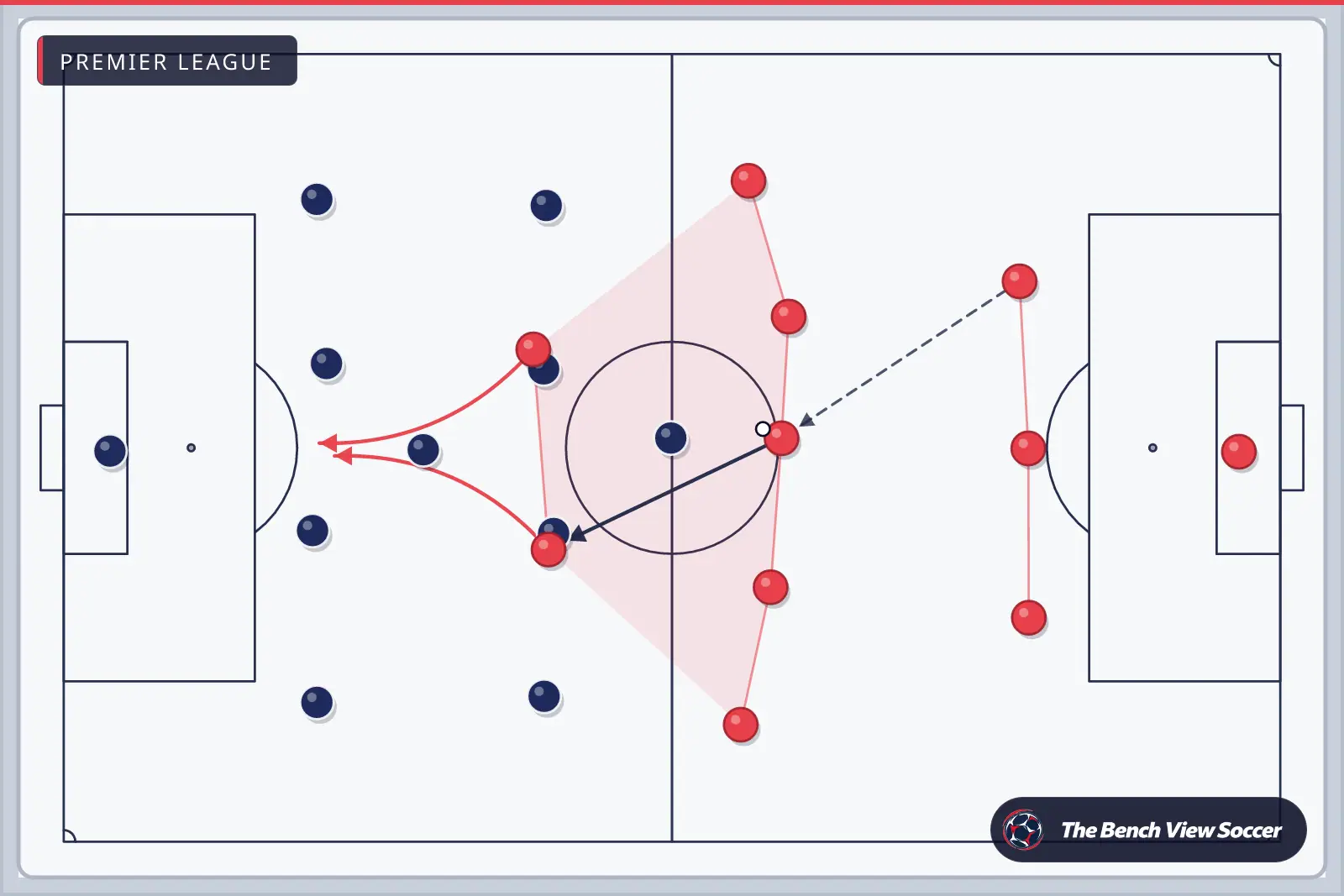
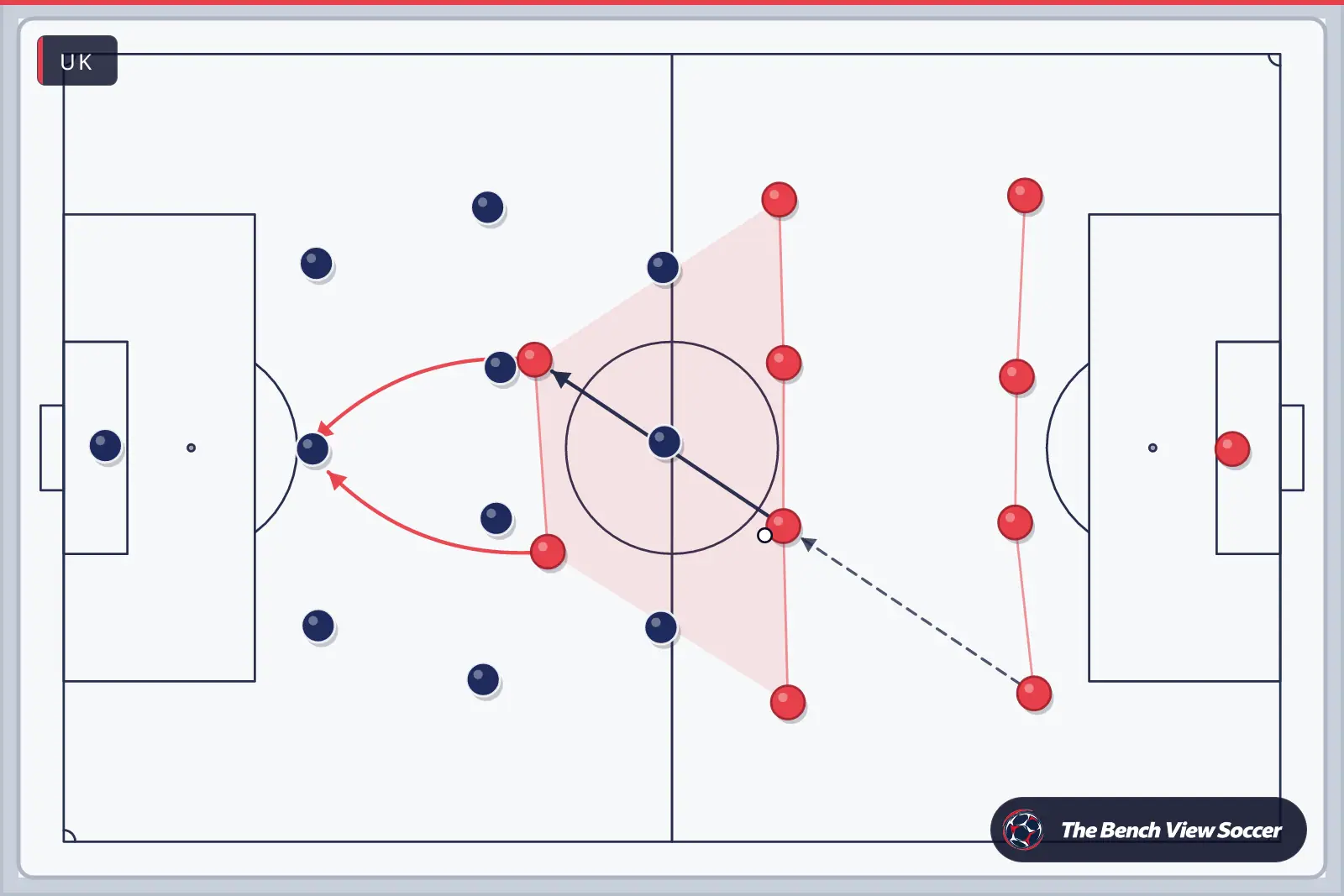
Use transition finishing drills that combine quick counter-attacks, full-speed crosses, and rebound scenarios. Add physical contests to mimic Championship duels and increase tempo for Premier League speed. Small-sided 7v7 with zonal scoring rewards clinical box play and quick decision-making.
Should coaches use technology to improve finishing?
Yes. Video analysis, ball-tracking apps and basic metrics (shot location, xG proxies) are invaluable. Combine tech feedback with hands-on coaching for biomechanics. At academy level, FA coaching-badge frameworks support integrating data without losing practical coaching time.
How do you train composure under pressure?
Simulate match pressure: countdowns, crowd noise, live defenders and goalkeeper variability. Teach breathing routines and visualisation as pre-shot rituals. Repeated exposure to stressors in training builds automaticity so finishing decisions become instinctive during FA Cup or high-stakes fixtures.
Start our free courses on The Bench View Soccer.
Train Your Technical Skills
Dribbling, control, and beyond — step by step
Start free on The Bench View Soccer →