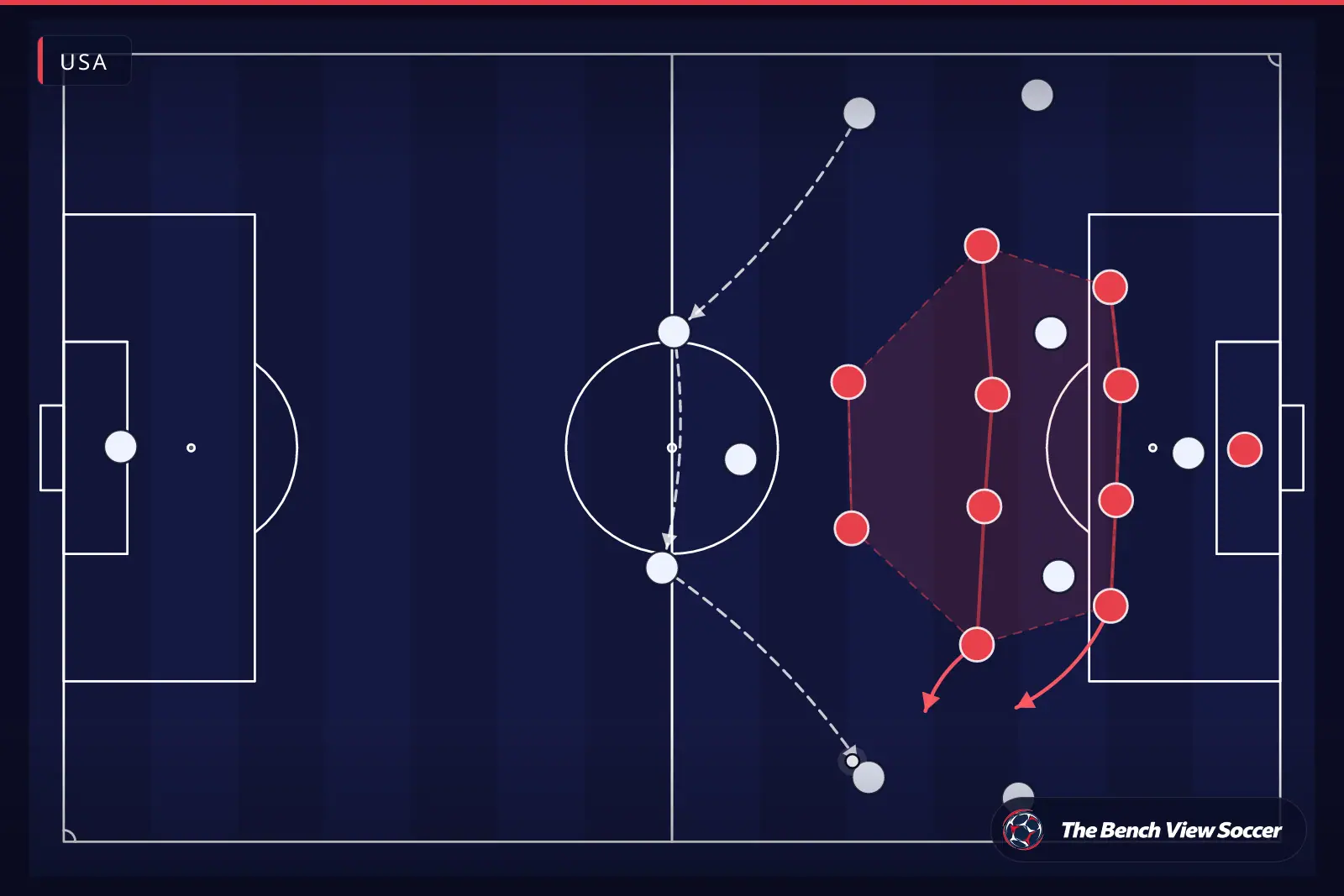
how to defend in soccer USA
Soccer is growing fast in the USA after the World Cup buzz and rising MLS stars. Parents and young players want to learn the basics. This beginner guide explains defending in simple steps and gives five easy home or small-space drills.
Every player from youth leagues to USL Championship can use the same basic ideas. Understanding how to defend in soccer USA starts with balance, position, and smart decisions—no prior experience needed.
What is defending in soccer?
Defending in soccer means stopping the opponent from scoring or advancing the ball. It includes body position, timing, and teamwork. Good defenders slow attackers, block passing lanes, and win the ball cleanly. Defending is as much about thinking as it is about tackling.
How to defend in soccer?
Follow these five simple steps to learn how to defend in soccer USA. Each step is short, clear, and practical so beginners can practice right away.
- Get the right stance: Knees slightly bent, weight on the balls of your feet, hands low for balance. Keep your eyes on the opponent’s chest, not the ball. This stance helps you move quickly side-to-side and react to feints.
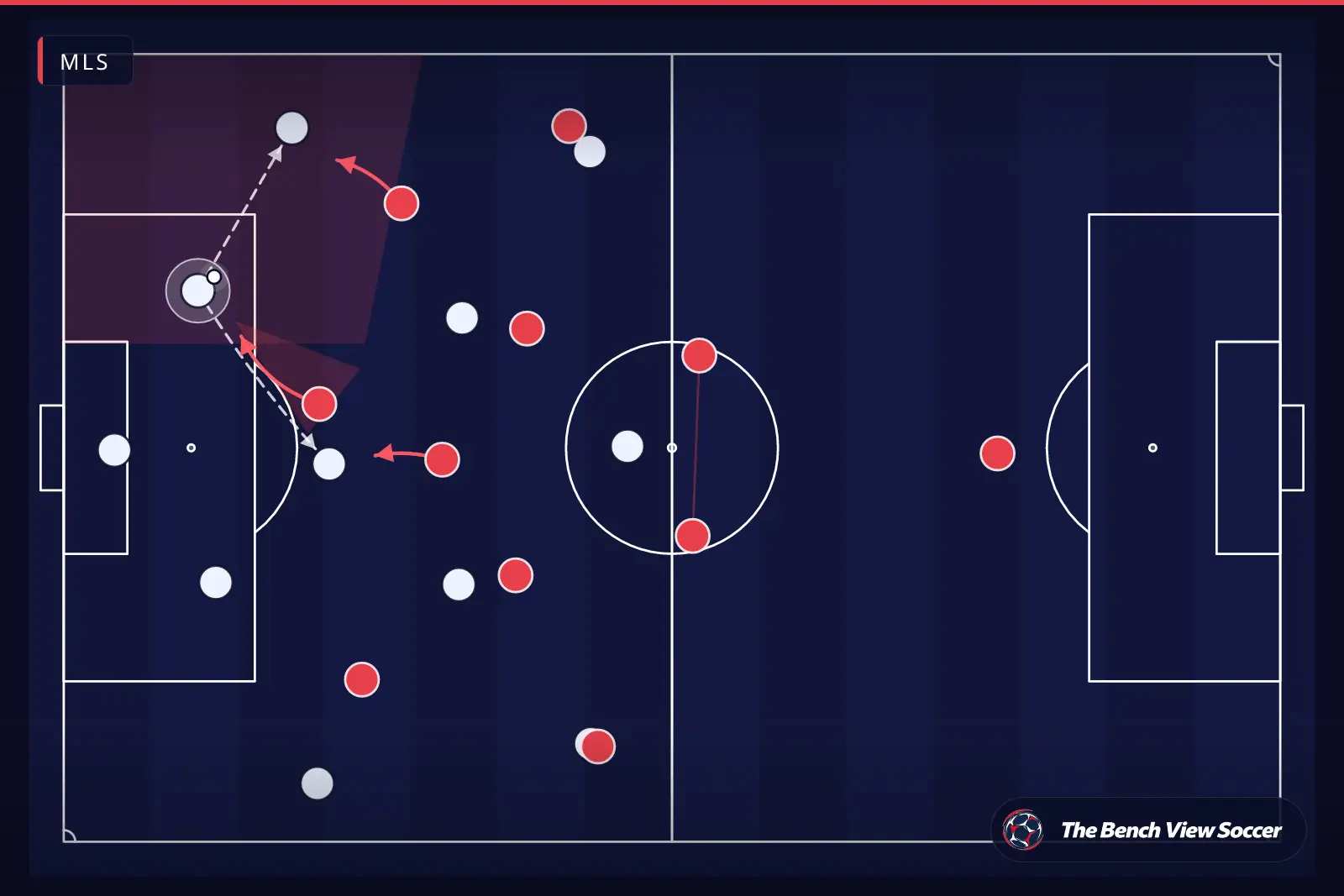
- Position and angle: Stay between the attacker and your goal. Angle your body so the attacker is guided toward the sideline or a teammate—this reduces their options. Don’t dive in; force them to make a mistake.
- Jockey and delay: Move backwards or sideways to slow the attacker. This is called jockeying. Keep a safe distance so you can block a shot or tackle when the time is right. Delay gives your teammates time to recover and help.
- Time your tackle: Only tackle when you can win the ball cleanly. Use poke tackles with your foot or block the ball with your body. If you miss, recover quickly instead of lunging and leaving space behind you.
-
Practice small-space drills: Build quick reactions and technique with five easy home drills below. These drills teach footwork, positioning, and timing—key parts of defending.
- Mirror step (1 minute): Stand facing a partner or a marker. Move side-to-side and keep your stance low. If alone, mirror a slow shadow you imagine. Focus on quick, small steps.
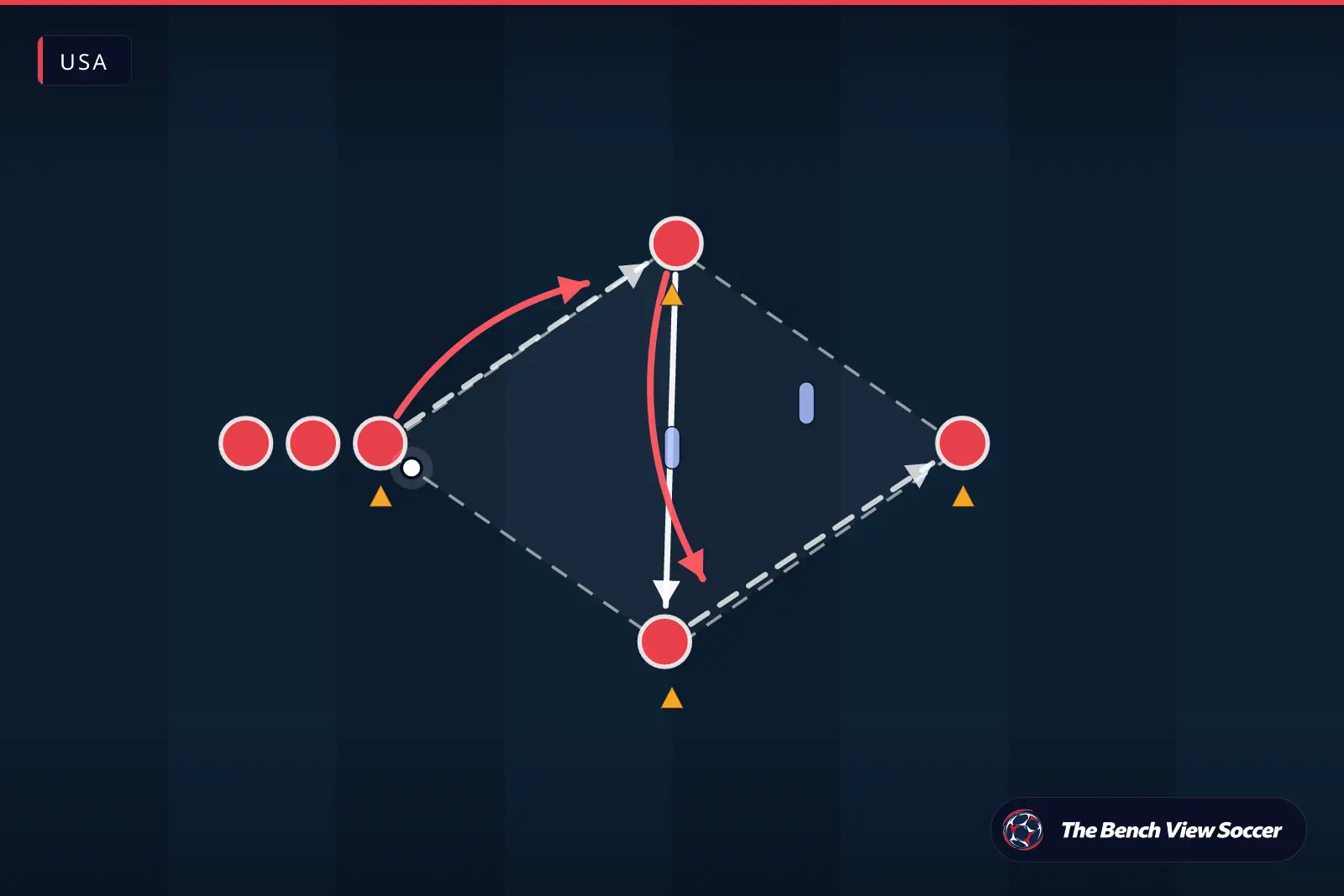
- Gate recoveries (3 cones): Set two cones 6–8 feet apart. Have a partner dribble through. Your job is to start behind a cone, sprint to block the dribbler, then recover back to your cone. Repeat 8–10 times.
- 1v1 shadow: One player dribbles inside a small box (8x8 yards). Defender practices jockeying and stepping in briefly to poke the ball. Works on timing and restraint.
- Reaction ball: Use a small ball or wall. Toss it against a wall and react to the rebound with quick side steps and a controlled tackle using the inside of your foot.
- Close-down drill: Start 10 yards from a cone. On command, sprint to the cone, close down as if the attacker is there, then jockey sideways and sprint back. Builds speed, recovery, and balance.
What are real examples from MLS?
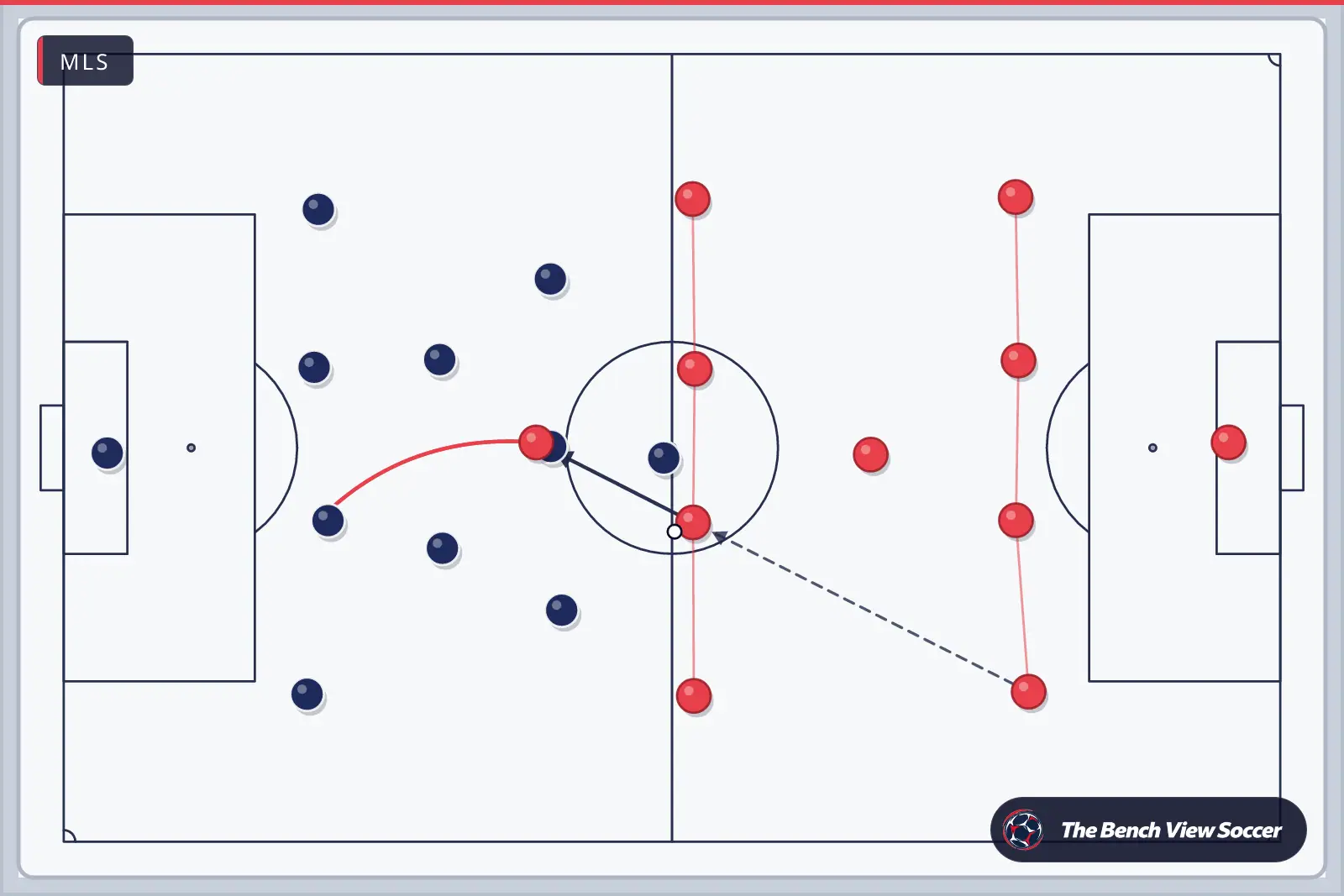
Watch MLS defenders to see these principles live. LA Galaxy defenders show strong positioning and timing on crosses. Inter Miami fullbacks combine speed with smart jockeying. NYCFC center backs use body angles to force opponents wide. Young USMNT stars like Christian Pulisic and Gio Reyna practice defending from the front too—pressing and delaying to win the ball back quickly.
Best tips to defend in soccer?
- Stay on your feet: avoid diving into tackles unless you are sure.
- Communicate: call for help and tell teammates who to mark.
- Watch the hips or chest of the attacker for better read of movement.
- Use the sideline as an extra defender—force attackers away from the goal.
- Practice small-sided games; they improve decision-making under pressure.
Mistakes to avoid?
- Diving in too early and getting beaten—stay patient and delay.
- Watching the ball instead of the attacker’s body—this leads to wrong reads.
- Backing away without jockeying—this gives the attacker time to shoot.
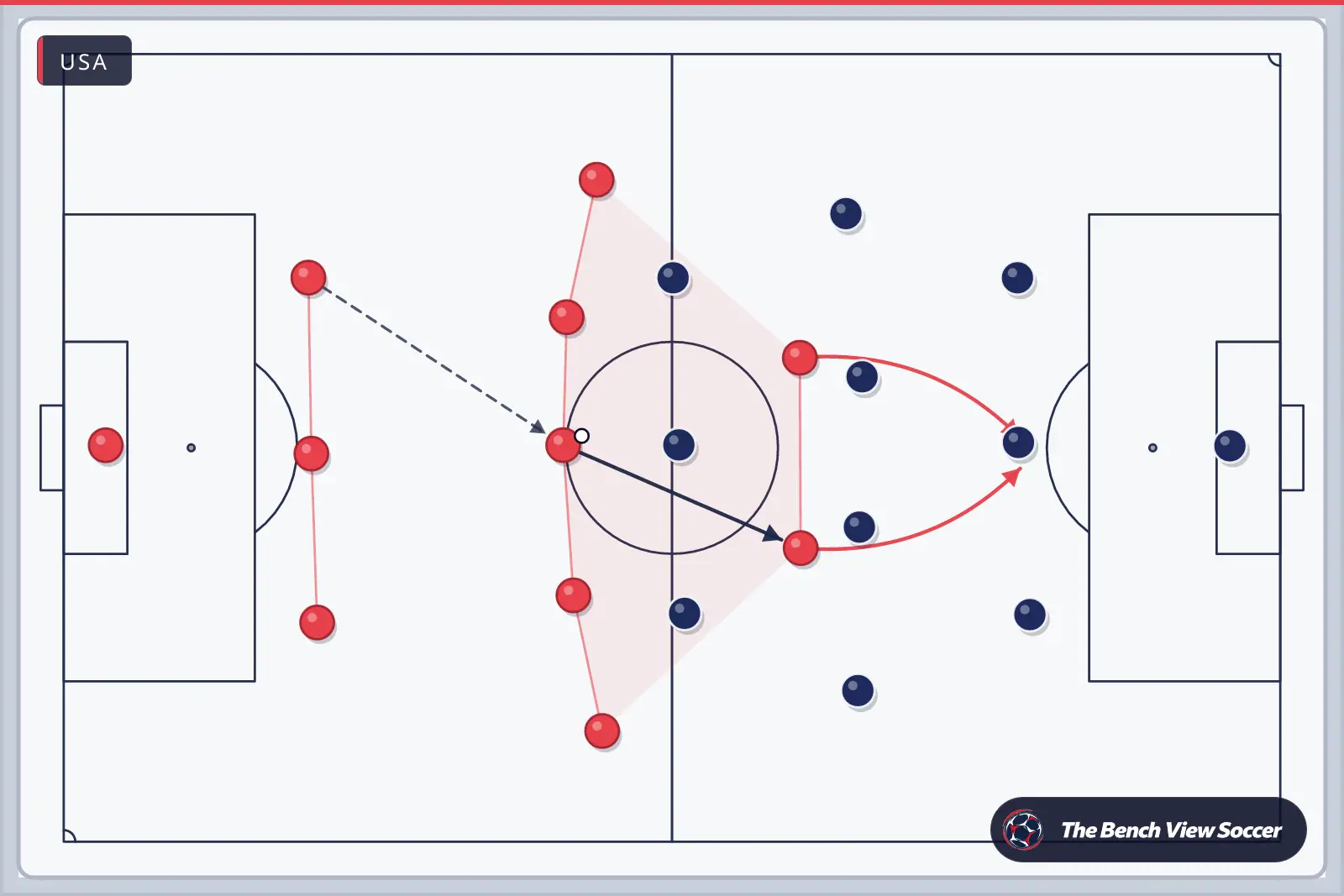
- Trying to do all defending alone—use team shape and communication.
Frequently Asked Questions?
How early should kids learn defending skills?
Kids can start basic defending at age 6–8 with simple stance and positioning drills. Focus on fun, short activities. Skills like jockeying and timing develop over time with practice and guided coaching. Keep sessions positive and short for younger players.
Can I practice defending alone at home?
Yes. Use cones, a wall, or a rebounder. The mirror step and reaction ball drills help solo practice. Small-space drills build footwork and timing, making you better at 1v1 defending when you return to team training.
How do pro teams teach defending in the USA?
MLS and USMNT programs focus on technique, positioning, and fitness. Clubs like LA Galaxy and Inter Miami mix 1v1 work with team shape drills. Coaches emphasize recovery runs and communication, plus watching game video to learn positioning.
How long to see improvement?
With regular practice (2–3 times a week), most players see clear improvement in 6–8 weeks. Consistent small-space drills, match play, and feedback from coaches speed up learning. Patience and repetition are key.
Start our free courses on The Bench View Soccer.
Train Your Technical Skills
Dribbling, control, and beyond — step by step
Start free on The Bench View Soccer →