how to improve finishing in soccer USA
Soccer in the USA is in a period of technical and tactical growth after World Cup 2026. From MLS powerhouses like LA Galaxy, Inter Miami, and NYCFC to the development pathways in USL Championship and academies feeding the USMNT and USWNT, elite finishing is what separates good players from goal creators.
This advanced guide explains what finishing is, gives five coach-level steps for improvement, shows real MLS examples, and offers pro drills and common mistakes to avoid. Read on for a performance-first approach to how to improve finishing in soccer USA.
What is finishing in soccer?
Finishing is the technical, tactical and psychological process of converting goal-scoring opportunities into goals. It includes body mechanics, first touch, decision-making, shot selection, composure under pressure, set finishing patterns, and the ability to execute with both feet and on the turn in match contexts.
How to improve finishing in soccer USA?
- Develop repeatable technique: Break shots into predictable components: planting foot, hip rotation, striking surface, and follow-through. Use progressive overload drills that isolate one component at a time before re-integrating into full-speed shooting.
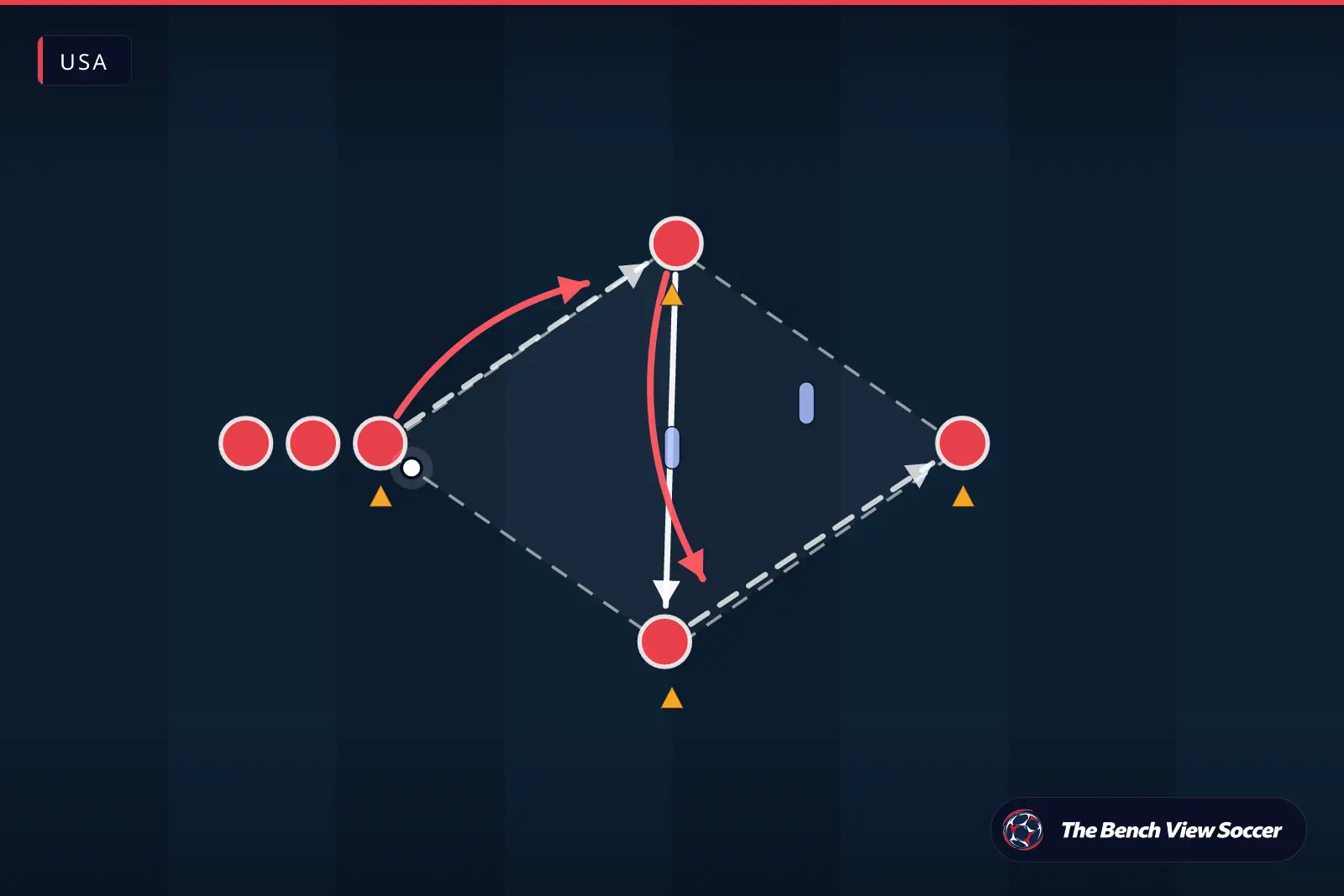
- Train game-realistic scenarios: Use 2v2 or 3v2 overloads, rebound patterns, and cross-to-finish practices. Simulate pressure, angle of approach, body contact, and time constraints so finishing becomes decision-driven, not just mechanical.
- Increase variation and weak-foot use: Program sessions where players must score with their weaker foot, volleys, headers, and first-time finishes. Quantity builds confidence; quality drills teach intent and accuracy under fatigue.
- Integrate psychological and tempo control work: Add composure drills where players face time pressure, crowd noise, or scoreline constraints. Teach breathing, pre-shot routines, and visual focus to reduce rush and improve shot selection.
- Measure, correct, and individualize: Track shots on target, conversion rate, expected goals on shots taken, and movement patterns into the box. Use video analysis for technical tweaks and tailor reps to player profiles: poacher, target forward, inside forward, or attacking midfielder.
What are real examples from MLS?
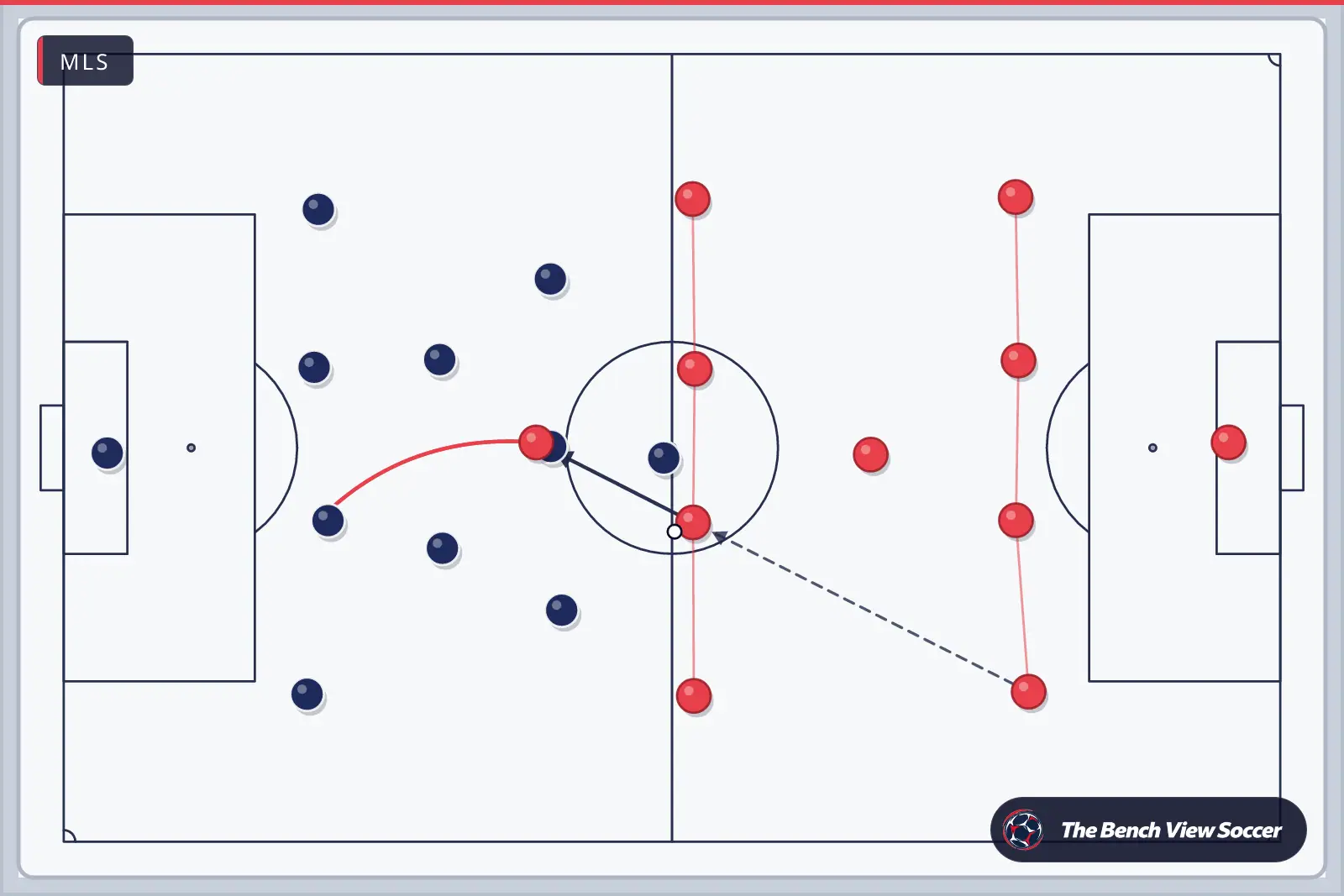
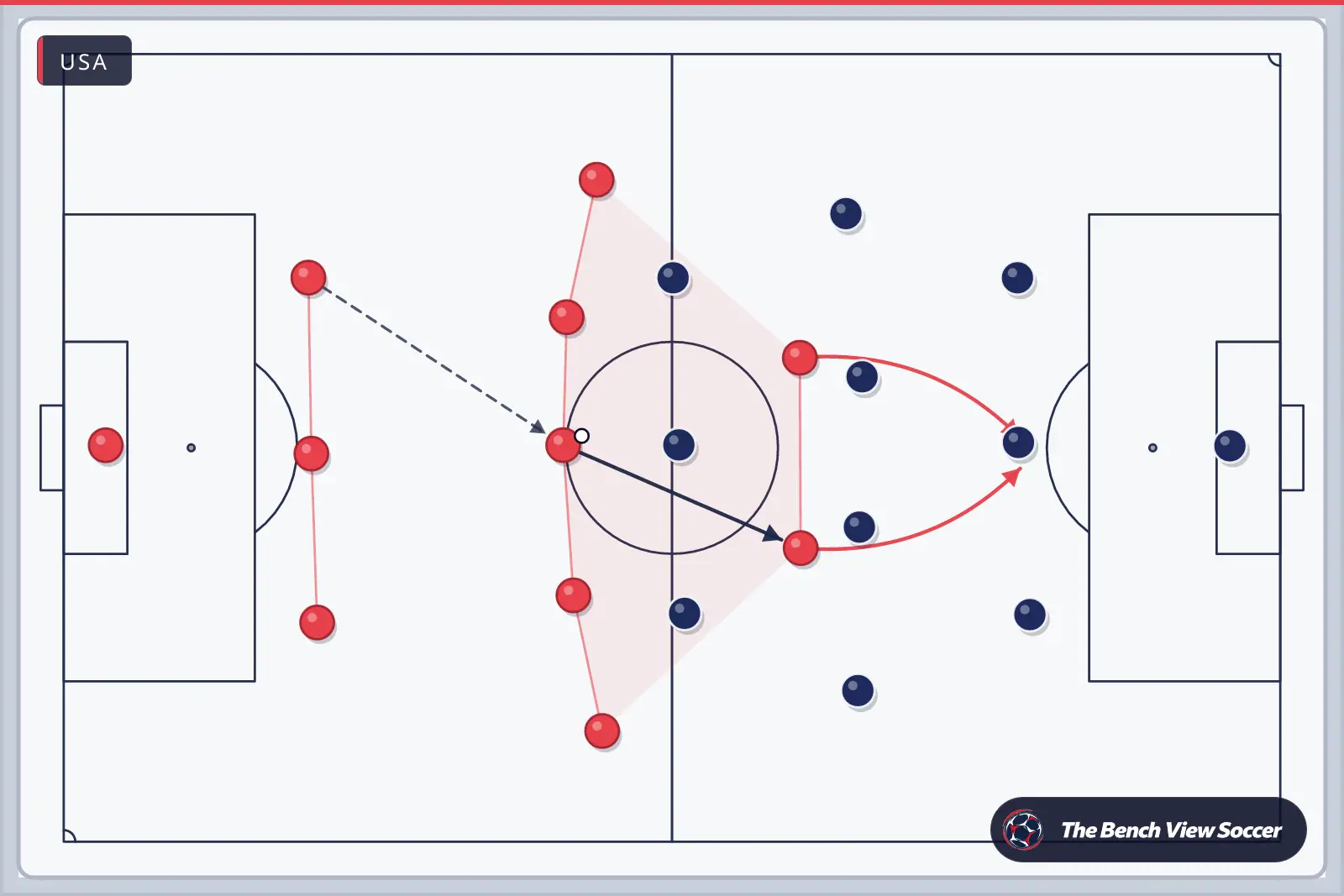
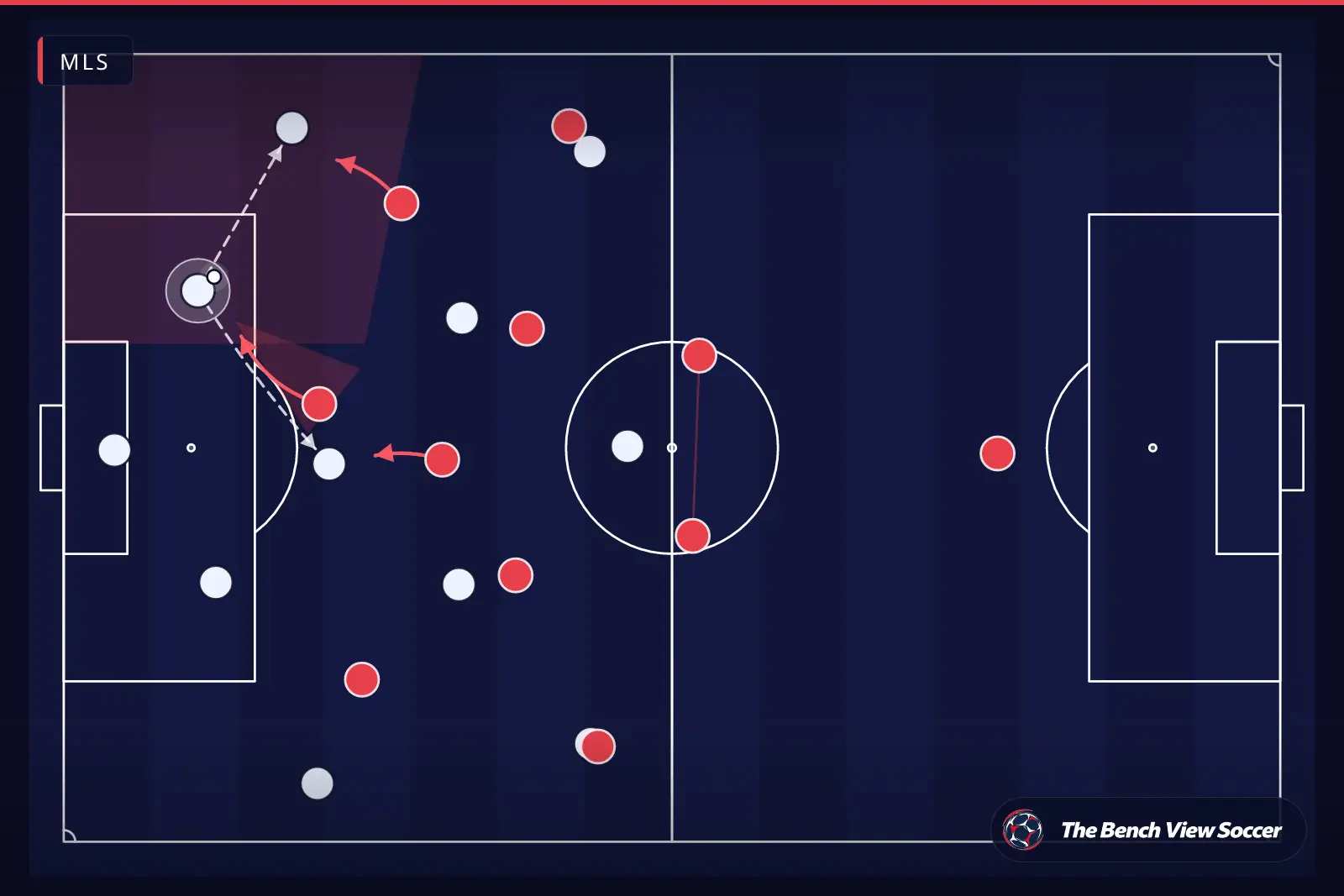
MLS and its stars provide practical templates for finishing development. Lionel Messi and high-profile signings at Inter Miami show elite spatial awareness and composure on first-time shots. LA Galaxy forwards emphasize positional timing and power finishing inside the six-yard box. Young USMNT talents like Christian Pulisic and Gio Reyna display combination play leading to smart, placed finishes rather than pure power strikes. NYCFC models transitional finishing off quick overlaps and low driven shots across goal. Coaches in MLS often replicate these scenarios in training to make finishing game-relevant.
Best tips to improve finishing in soccer USA?
- Prioritize quality over quantity of shots: 150 purposeful shots with feedback beats 500 unfocused strikes.
- Practice under fatigue: simulate late-game finishing where decision speed and technique drop.
- Master the first touch: a controlled first touch sets up the entire shot window.
- Vary finishing surfaces and heights: inside of the foot, laces, driven low shots, and chipped finishes.
- Use video to compare technique to MLS and USMNT examples and set measurable progress targets.
Mistakes to avoid?
- Avoid mindless shooting reps. Reps must mimic match context or they reinforce poor habits.
- Don’t neglect weak-foot or aerial finishing. Champions win with both feet and in the air.
- Ignoring setup and movement is fatal. Poor runs into the box reduce quality of chances.
- Skipping psychological training. Composure under pressure is trainable and critical for high conversion rates.
Frequently Asked Questions
How often should players practice finishing?
Elite players should integrate finishing into at least 3 weekly sessions, with one high-intensity, game-realistic session, one technical mechanics session focusing on weak foot and first touch, and one recovery day involving low-intensity reps and visualization.
What drills transfer best to match finishing?
Rebound finishing, 2v1 overloads, crossing and finishing under pressure, and first-time volley circuits transfer well. Drills that replicate timing, angle, defender contact, and fatigue produce the most match-resilient finishers.
How can coaches measure improvement objectively?
Track shots on target, conversion rate, expected goals per shot, time to shoot after first touch, and successful finishing under pressure metrics. Video coding of decision-making and execution helps isolate weak links for targeted coaching.
At what age should players specialize in finishing training?
Basic finishing work starts early with age-appropriate drills, but specialization should intensify in mid-adolescence when players develop strength and coordination. Maintain variety and avoid early over-specialization to protect long-term development.
Conclusion
Improving finishing in soccer USA requires structured technique work, game-realistic rep patterns, psychological conditioning, and objective measurement. Learn from MLS models and national team stars but individualize the plan for the player profile. Start our free courses on The Bench View Soccer.
Train Your Technical Skills
Dribbling, control, and beyond — step by step
Start free on The Bench View Soccer →