soccer mental performance training USA
The growth of soccer in the United States—fueled by MLS expansion, big-name signings, and a World Cup on home soil—means mental performance matters more than ever. From local youth clubs to MLS sides like LA Galaxy, Inter Miami, and NYCFC, players who combine technical skill with mental training stand out.
Whether you’re aiming for USL Championship minutes, a USMNT call-up, or college trials, integrating soccer mental performance training USA into daily routines accelerates development. This guide gives clear definitions, practical steps, MLS examples, top tips, common mistakes, and answers to player FAQs.
What is soccer mental performance training USA?
Soccer mental performance training USA is the systematic practice of psychological skills tailored to American soccer environments. It blends goal-setting, concentration drills, imagery, breathing techniques, and game-situation simulations to improve confidence, focus, and resilience for players from youth academies to pro teams.
How to do soccer mental performance training?
- Assess baseline: Record match emotions, pressure points, and focus lapses. Use brief logs after training and games to identify patterns and triggers.
- Set process goals: Create short-term, controllable goals (first touch, scanning, breathing between plays) rather than outcome-only targets.
- Build routines: Develop pre-game and pre-play rituals—breathing, visualization, and trigger cues—to stabilize arousal and attention.
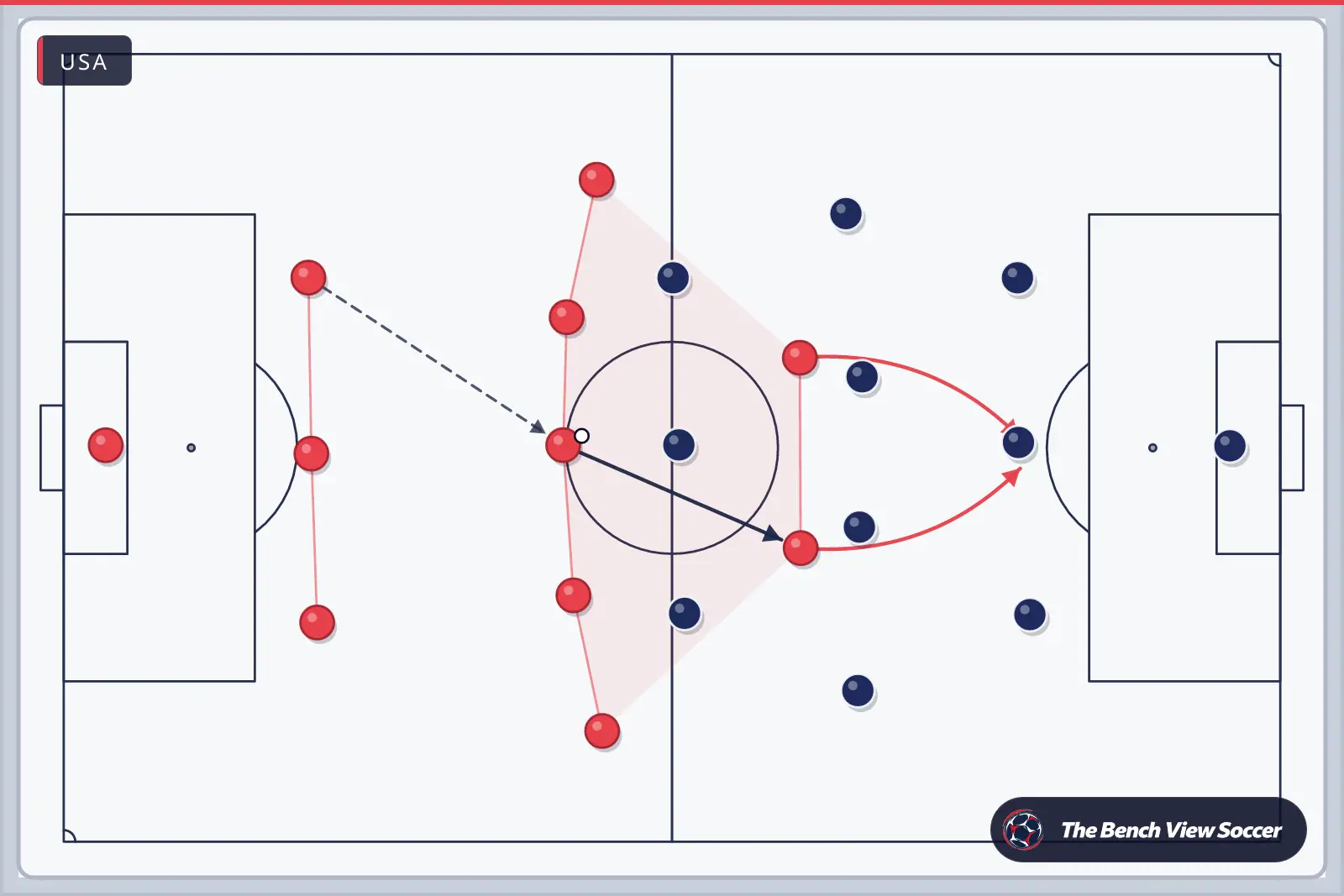
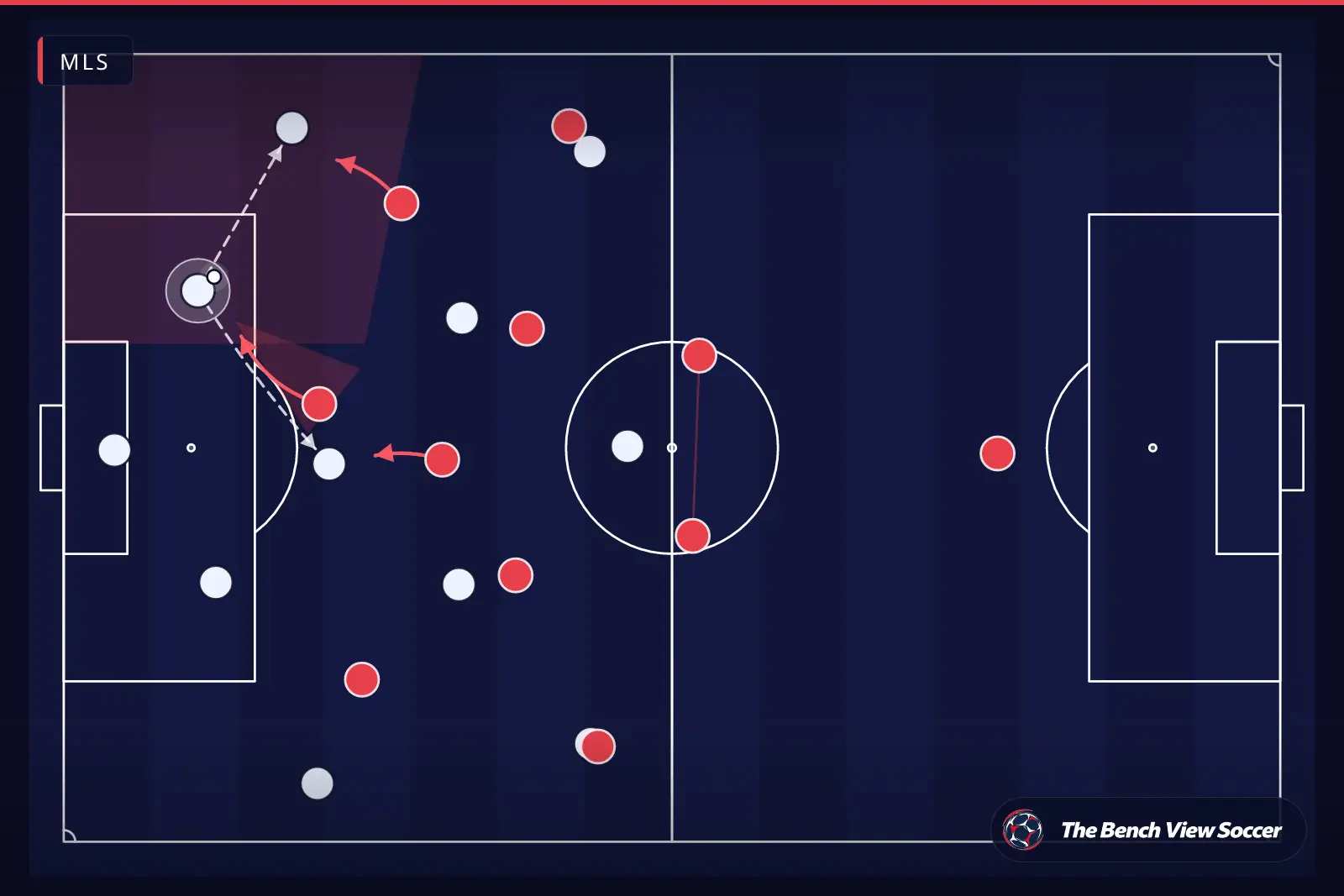
- Practice imagery and rehearsal: Use 5–10 minutes daily to visualize common match situations: press escapes, penalty kicks, or late-game composure. Choose sensory-rich images and rehearse ideal responses.
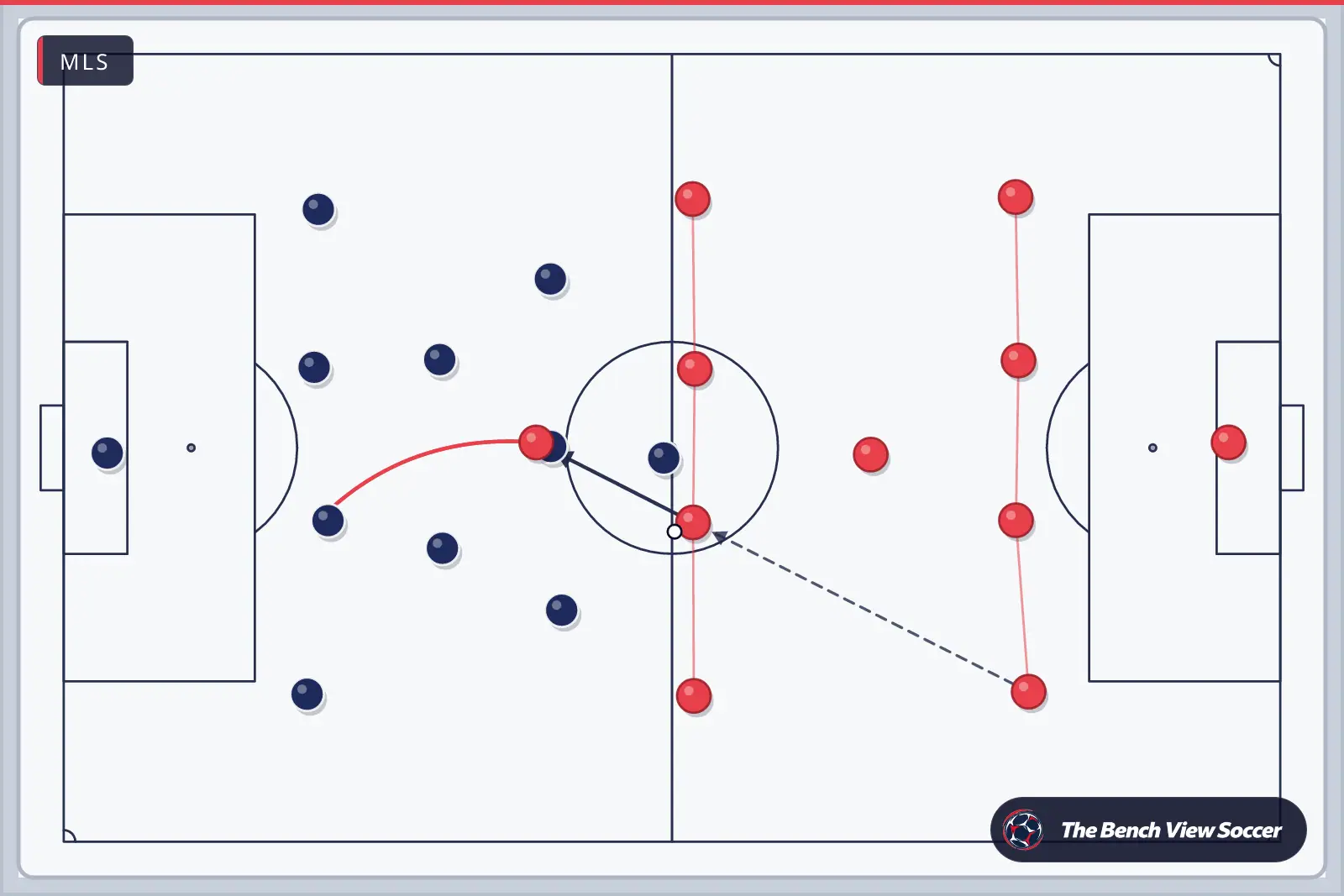
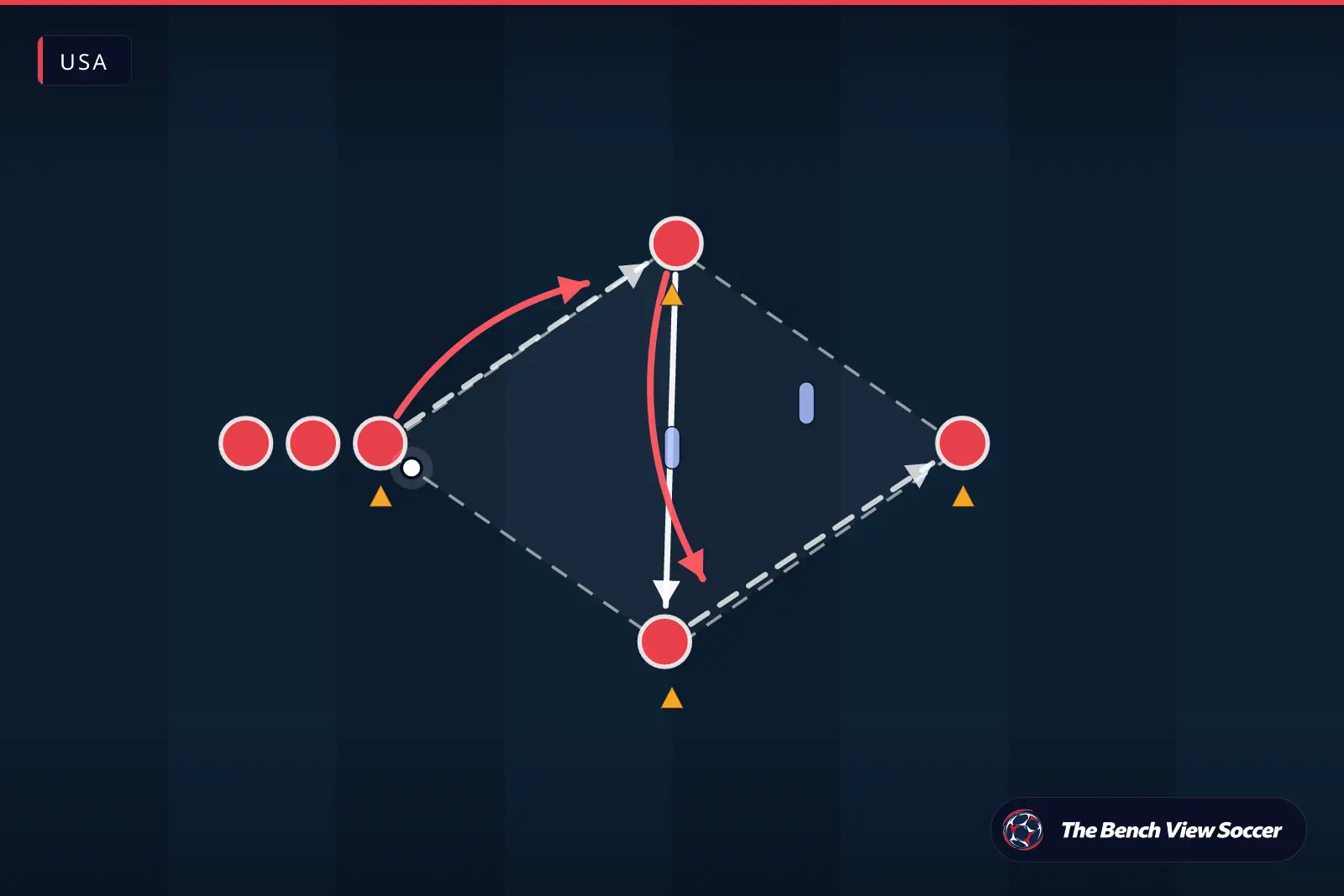
- Integrate under pressure: Add cognitive load to drills (time limits, numbers, distractions) so skills transfer to high-pressure MLS, USL, or national team moments.
Real examples from MLS?
MLS clubs increasingly embed mental training into player pathways. LA Galaxy academies emphasize composure for young attackers; Inter Miami uses sports psychology sessions during playoff runs to manage expectations; NYCFC workshops focus on decision-making and scanning for midfielders. USMNT and USWNT programs also incorporate similar methods, helping stars like Christian Pulisic or young talents such as Giovanni Reyna perform consistently.
Best tips to improve mental performance?
- Keep pre-game routines short and specific—breath 4-4, light visualization of set plays, and a one-sentence focus cue.
- Practice under realistic stress: small-sided games with score consequences teach emotion control.
- Use video reviews to pair technical feedback with emotional check-ins: how did you feel during key moments?
- Train attention shifting: alternate tasks requiring broad scanning and tight focus to mirror in-game demands.
- Build recovery habits: sleep, nutrition, and active recovery directly support mental sharpness.
Mistakes to avoid?
- Avoid vague goals like "be more confident"—use measurable process goals instead (e.g., scan twice before receiving).
- Don’t separate mental work from technical practice; skills must be trained together to transfer to match play.
- Steer clear of one-off workshops; progress requires consistent short sessions, not single lectures.
- Don't ignore individual differences—what calms one player (self-talk) may distract another (music). Tailor approaches.
Frequently Asked Questions?
How long until mental training helps my soccer performance?
Related Resources
Benefits often appear within 2–6 weeks of consistent practice, especially for routines and breathing. Complex changes in decision-making and composure can take 8–12 weeks, similar to technical skill development. Consistency and game-like practice speed progress.
Can youth players use these techniques?
Absolutely. Simple routines, short imagery exercises, and focus drills scaled to age are effective. Youth programs in MLS academies and youth clubs across the US use these tools to build confidence and reduce performance anxiety before key matches or trials.
Do I need a sports psychologist for mental training?
Many players improve with coach-led routines and evidence-based tools, but sports psychologists add value for performance blocks, anxiety disorders, or elite-level pressure. Start with coach-led work and consult a psychologist for deeper, individualized support.
How does this fit with physical training schedules?
Mental training can be brief and flexible—5–15 minutes daily—so it fits alongside technical and physical work. Integrate mental drills into warm-ups, cooldowns, or video sessions to ensure regular practice without overloading schedules.
Players in the USA now have access to better mental performance resources than ever. Clubs from the MLS to local youth teams are prioritizing these skills because they win close games and accelerate development. Start small, be consistent, and measure progress.
Start our free courses on The Bench View Soccer.