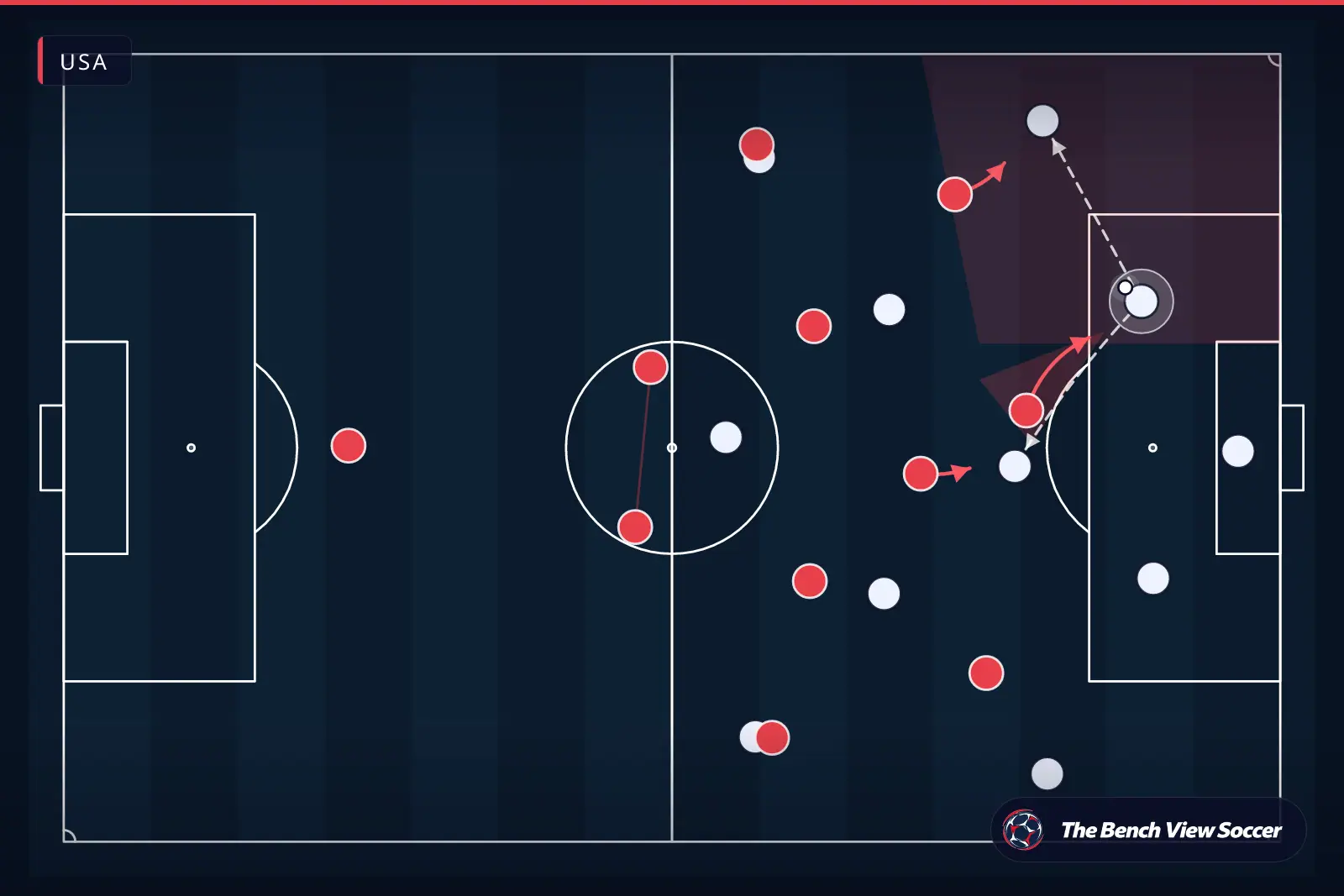
soccer pressing tactics explained USA
Soccer is booming across the USA after major tournaments and rapid MLS growth. Young Americans like Christian Pulisic and Giovanni Reyna, plus high-profile clubs such as LA Galaxy, Inter Miami and NYCFC, are driving tactical evolution. Understanding pressing helps players earn minutes in MLS, USL Championship, and get noticed by USMNT scouts.
This guide breaks down soccer pressing tactics explained USA for motivated players and coaches. You’ll get a clear definition, five-step implementation, MLS examples, practical tips, common mistakes, and a short FAQ to start applying pressing in training and matches.
What is pressing?
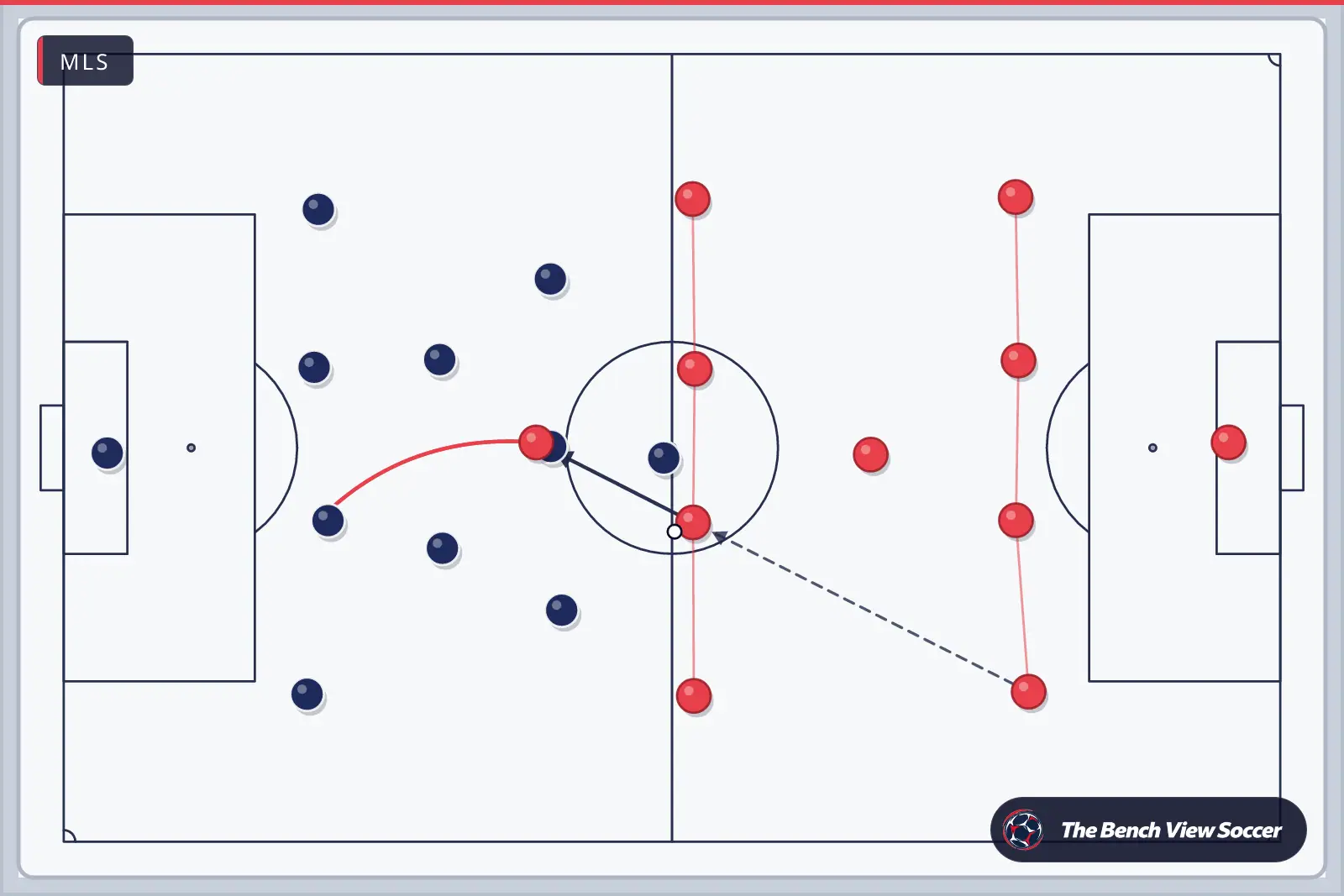
Pressing is an organized defensive strategy where players apply coordinated pressure to the opponent in possession to win back the ball or force poor distribution. Pressing can be high, mid or low, uses triggers (bad touches, backpasses, weak side possession), and relies on compactness, angles of pressure, and rapid transitions to exploit turnovers.
How to press effectively?
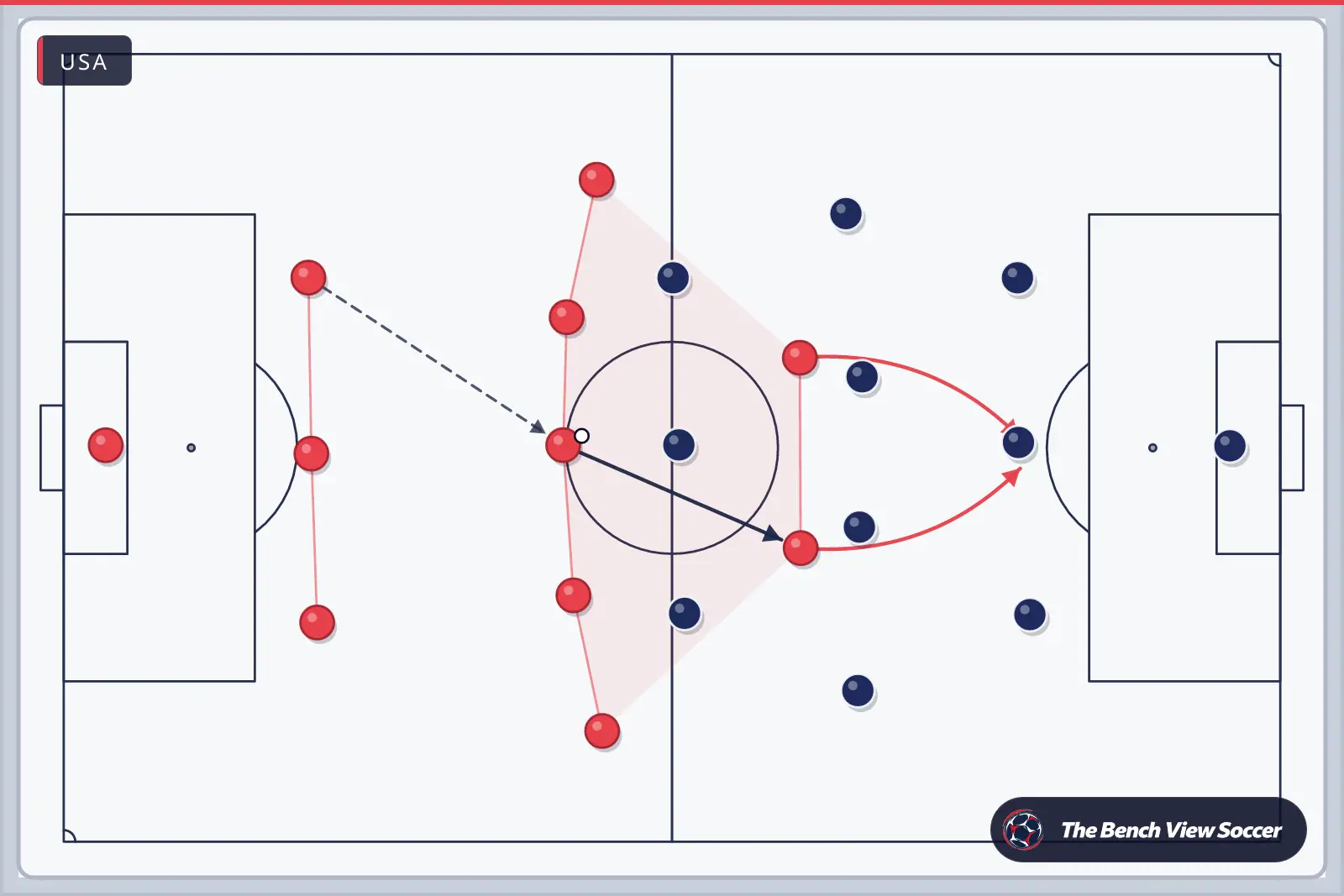
- Organize shape: Choose a press style (high, mid, low) and set compact lines so distances between players are short. Communicate roles for first, second and third defenders.
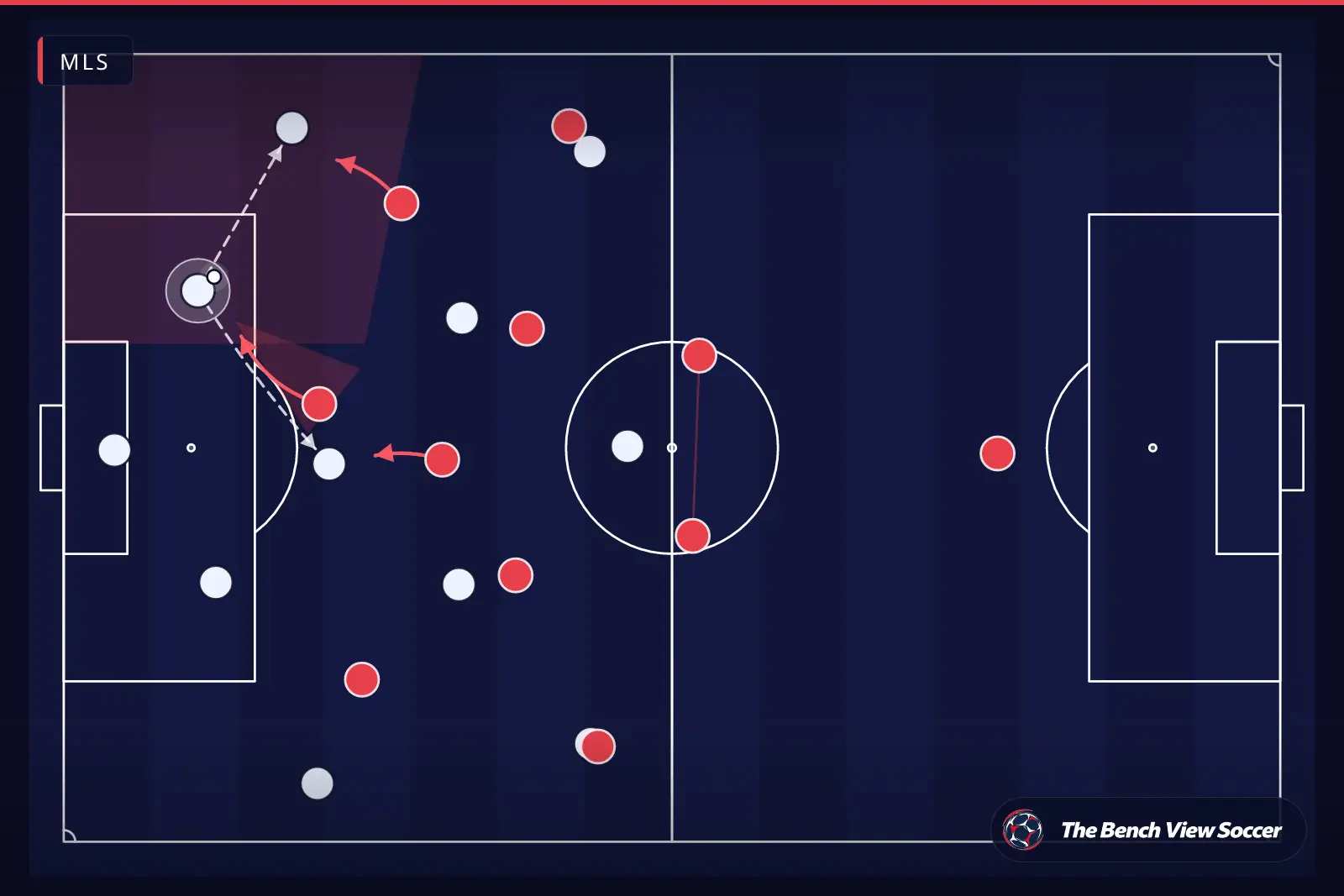
- Identify triggers: Train clear triggers such as a defender facing away, a fullback receiving the ball with poor body position, a loose touch, or a predictable backpass to initiate the press.
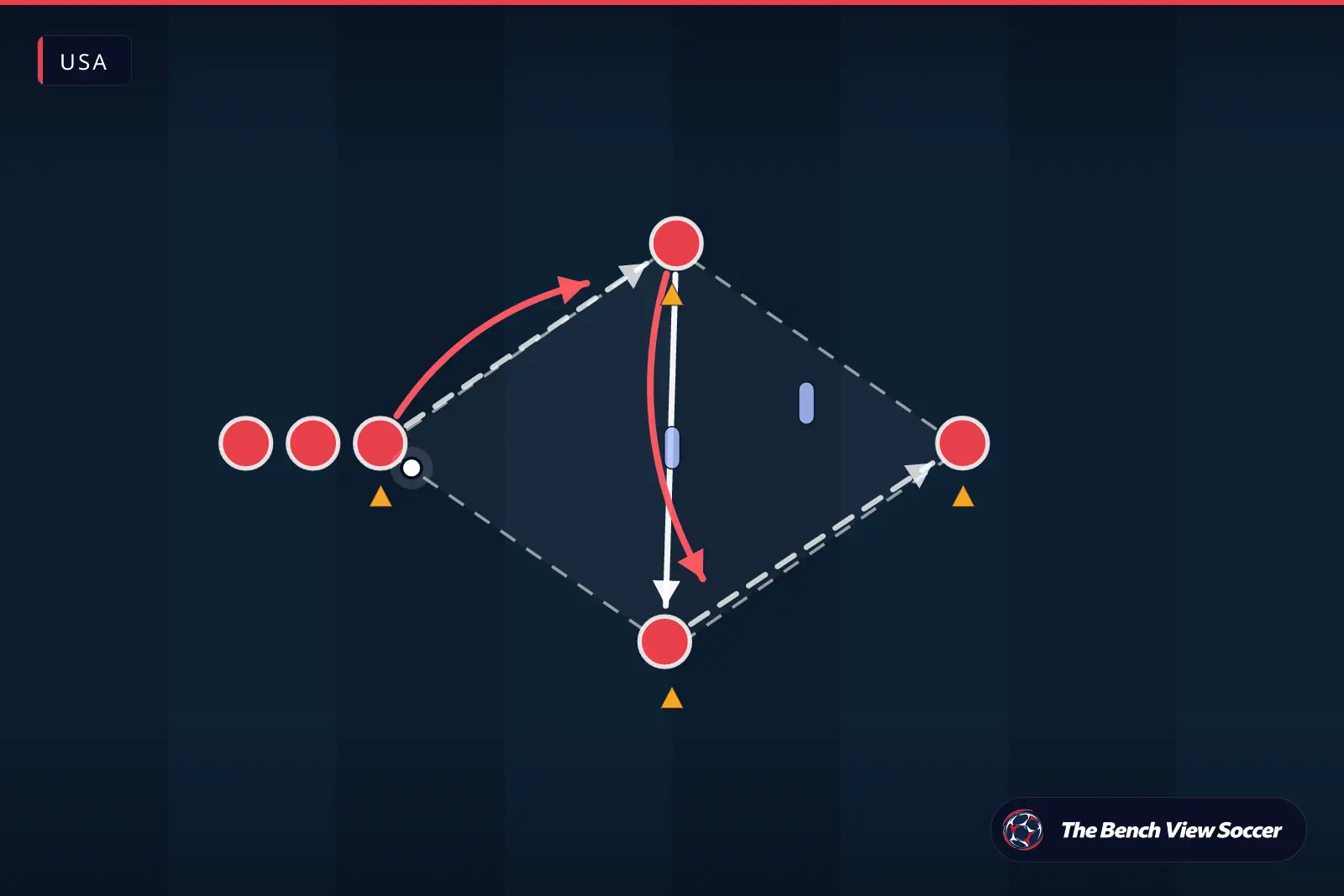
- Attack angles and cover: The first presser closes passing lanes while teammates provide cover and balance. One player pressures, another blocks the easy pass, and a third prepares to intercept or cover the space.
- Timing and intensity: Press in coordinated bursts, not constantly. Use sprints for 5–10 seconds after triggers, then reset. Teach recovery runs and staggered pressing to avoid being bypassed.
- Train transitions: Convert turns into attacks immediately. After a turnover, exploit the disorganized opponent by quickly switching to forward runs, forward passing lanes, or direct shots. Practice counter-press to regain possession in the first 5–8 seconds after losing the ball.
Real examples from MLS?
MLS clubs have embraced pressing with distinct styles. Inter Miami under high-profile coaches has mixed structured high press with quick counters through players like Gonzalo Higuaín earlier and dynamic fullbacks. NYCFC often use positional pressing that forces opponents wide before compressing centrally. LA Galaxy blend mid-block pressing with quick vertical transitions to get their wingers and number tens involved.
Young Americans such as Christian Pulisic and Giovanni Reyna have benefited from learning pressing in club environments and applying it for the USMNT. USL Championship and US Open Cup matches show how pressing helps underdog teams create upsets by forcing mistakes and converting turnovers into goals.
Best tips to press?
- Keep it simple: Use two or three triggers that every player understands and rehearses until automatic.
- Practice small-sided games: 6v6 with limited touches sharpens pressing decisions and rewards quick recovery runs.
- Work on communication: Shouts like "press", "cover", and "shift" save seconds and stop breakdowns at the youth level.
- Fitness and recovery: High-intensity pressing demands conditioning; mix anaerobic repeats into training sessions.
- Role clarity: Define who is the first presser, who covers the channel, and who marks the deep pass to avoid confusion.
- Film study: Analyze MLS matches—look at how Inter Miami forces opponents wide or how NYCFC collapse centrally—to replicate patterns in team sessions.
Mistakes to avoid?
- Over-pressing: Constantly chasing without cover leaves huge gaps between lines and invites counterattacks. Press in moments, not all the time.
- Poor timing: Closing too early or too late breaks coordination. Use clear triggers and rehearsed timing during practice.
- No cover balance: If the first presser is unsupported, the opponent will play over or around them. Always have ready cover and a channel blocker.
- Neglecting recovery: Players must practice sprint recovery and positioning to prevent being exploited after a failed press.
Frequently Asked Questions
How high should my team press?
High pressing suits teams with quick forwards and mobile fullbacks; it pressures opponents near their goal and can create scoring chances. Mid-block is safer for balanced teams, while low block protects the goal and invites counterattacks. Choose based on player fitness, skill, and opponent strengths.
Can youth teams use pressing?
Yes—youth teams should start with simple pressing triggers and small-sided games. Emphasize communication, angles, and short bursts of intensity. Avoid complex rotation patterns until players master basic press, cover, and recovery principles.
How do I train pressing without fitness overload?
Use short, high-intensity drills (6–10 second pressing windows) with full rest between reps. Small-sided games and conditioned possession exercises build tactical understanding and fitness without excessive running. Prioritize quality over duration.
How does pressing fit into USMNT/MLS styles?
Pressing complements the USMNT’s fast transition game and MLS clubs’ desire for possession wins high up the pitch. Teams like Inter Miami, NYCFC and LA Galaxy tailor pressing to their squads—mixing high press with rapid counters and technical play through midfield.
soccer pressing tactics explained USA are practical and adoptable at all levels when you keep roles simple, train triggers, and practice transitions. Film MLS examples, run targeted drills, and build fitness progressively. Start our free courses on The Bench View Soccer.