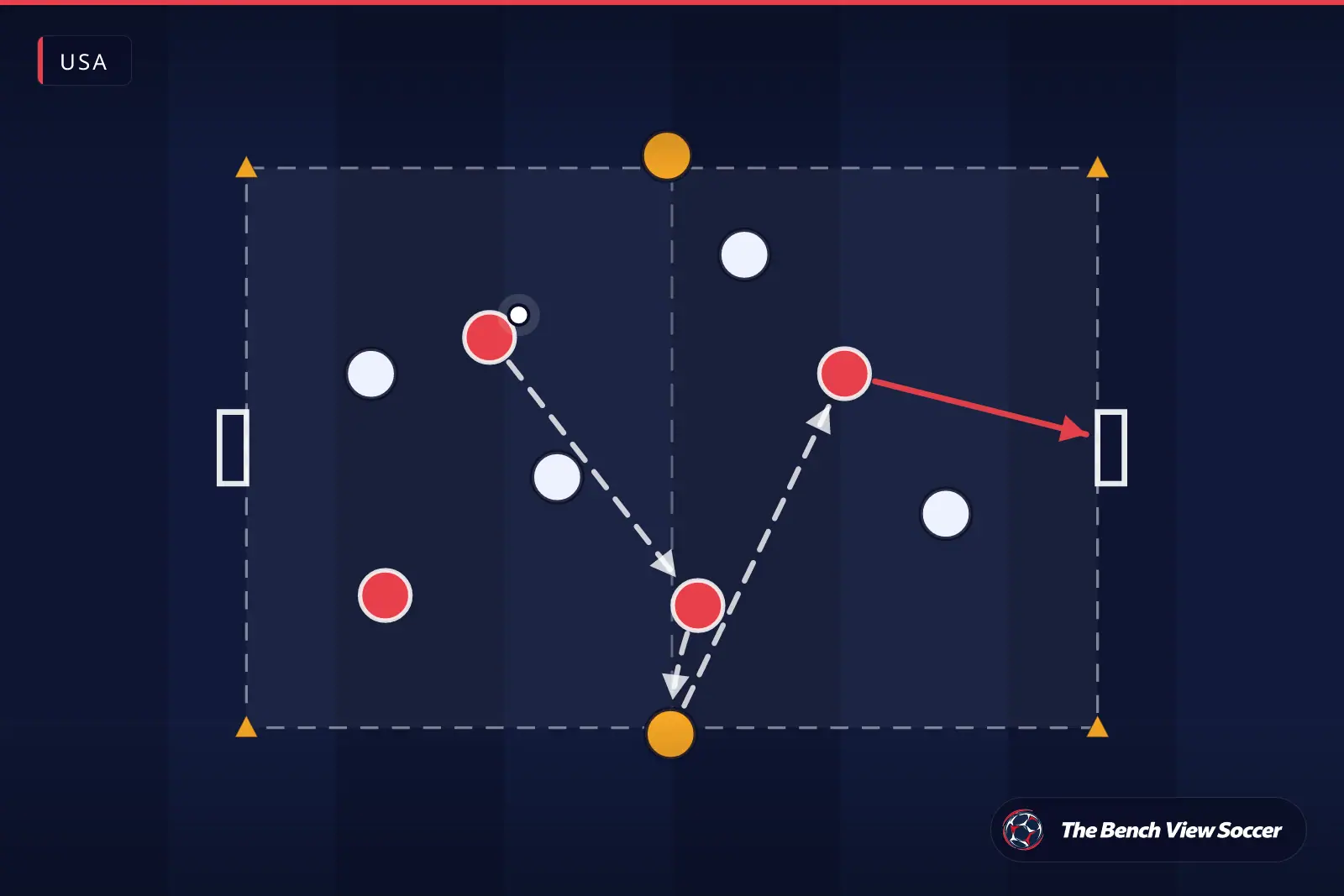
soccer set piece training guide USA
Soccer in the USA is booming after World Cup 2026 excitement, with MLS clubs like LA Galaxy, Inter Miami, and NYCFC investing more in coaching. Whether you're a youth player in a USL Championship academy or competing in the US Open Cup, set pieces are a fast way to gain goals and control games.
This soccer set piece training guide USA gives coaches and motivated players a practical blueprint—combining beginner-friendly drills with tactical depth inspired by the USMNT and USWNT approaches. Young stars like Christian Pulisic and Gio Reyna show the difference elite delivery and smart runs make at the highest level.
What is a set piece?
A set piece is any restart of play with a stationary ball: corners, free kicks, penalty kicks, throw-ins, and indirect free kicks. Set pieces are structured moments where rehearsed patterns and technical execution can produce goal chances. Teams like Inter Miami and national sides emphasize rehearsed movement, quality delivery, and decisive finishing.
How to train set pieces?
- Plan the session (10–15 minutes): Define the focus—corner routines, direct free kicks, or defensive organisation. Prepare cones, mannequins, and a video clip for immediate feedback.
- Warm-up and technical reps (10 minutes): Work on crossing, bending free-kick technique, and short explosive runs. Repetition builds muscle memory—50–100 quality deliveries or strikes per session split across players.
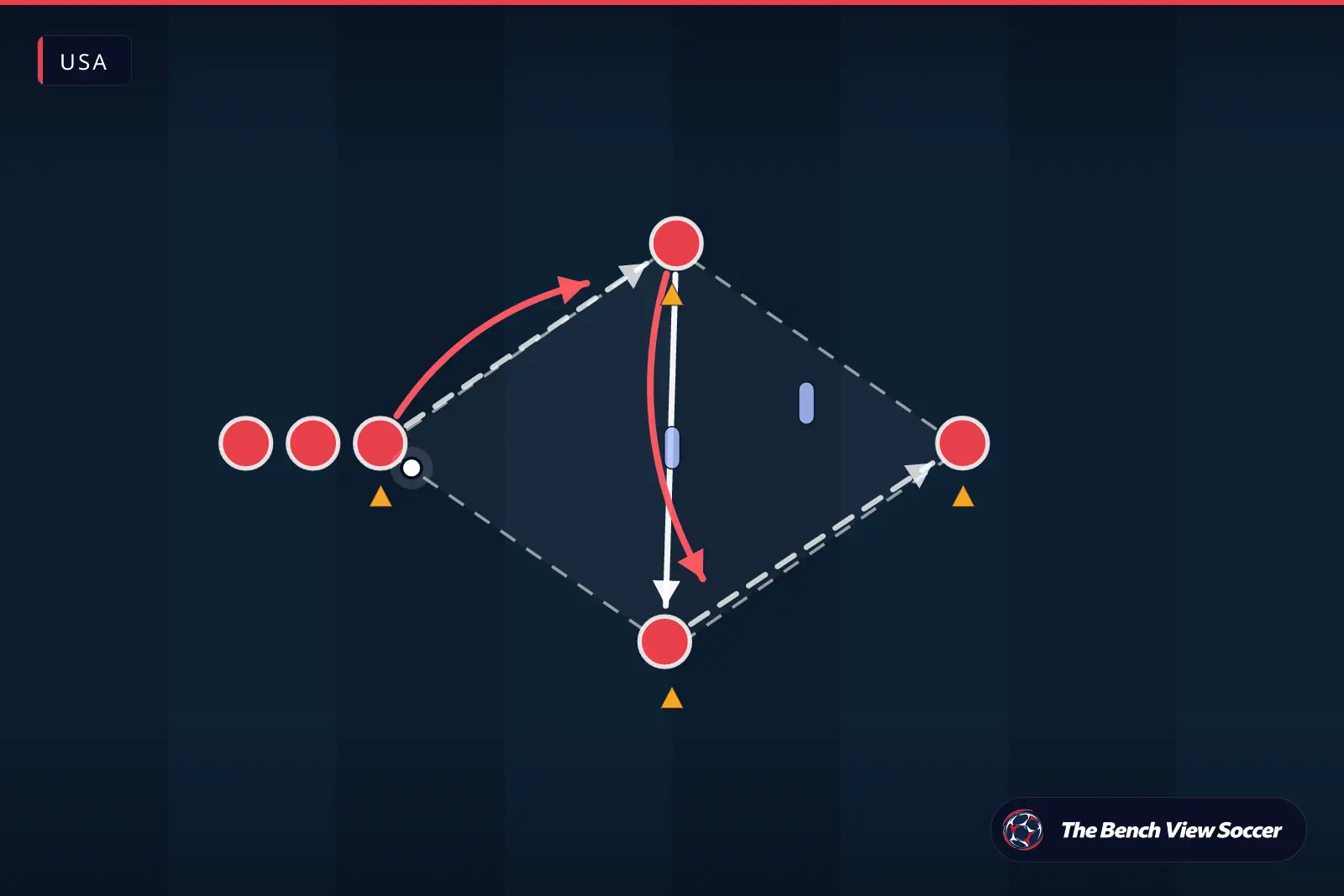
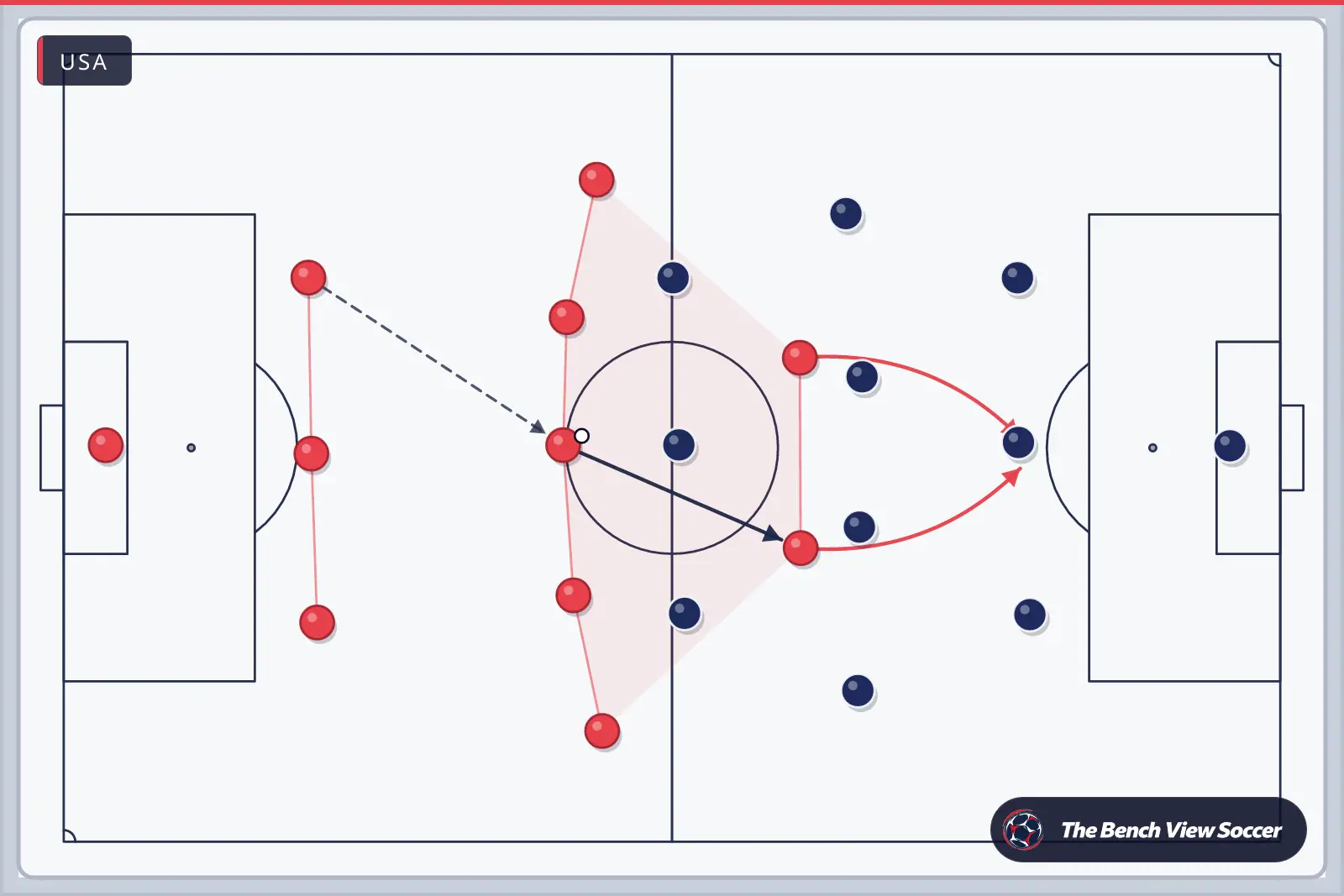
- Pattern practice (20 minutes): Run 3–5 rehearsed attacking and defending patterns. For corners, practice near-post flicks, deep runners, and short corner combinations. For free kicks, rehearse wall manipulation and decoy runs.
- Live scenarios under pressure (15–20 minutes): Simulate game conditions with defenders pressing, a goalkeeper, and a time or score constraint. Replicate noise and urgency so players learn to execute under stress.
- Review and adjust (10 minutes): Use quick video clips or coach feedback to highlight delivery angles, timing, and marking errors. End with a focused drill on the most critical weakness identified.
Real examples from MLS?
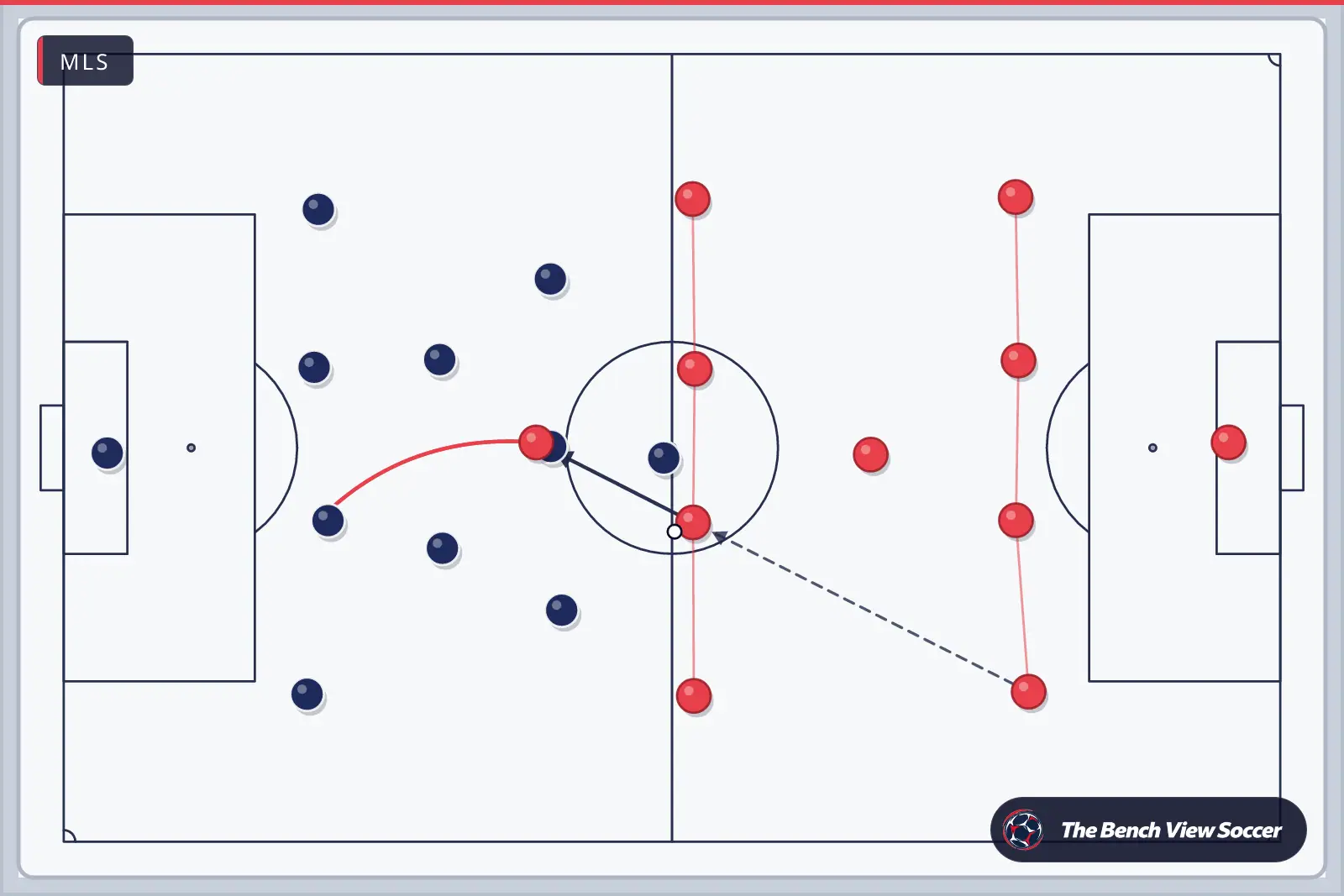
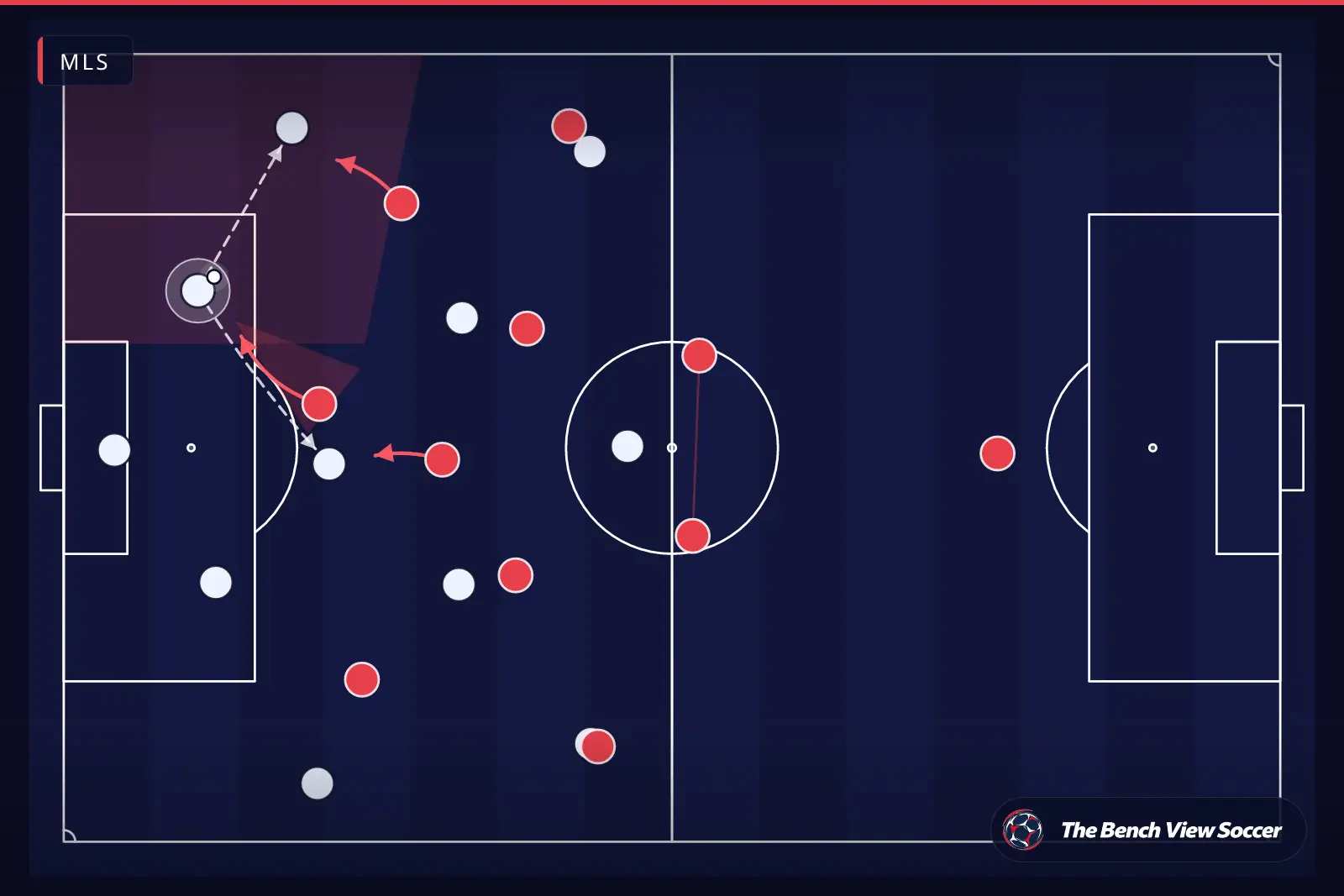
MLS offers clear models. LA Galaxy often prioritize quick short corners and near-post flicks, using tall targets and sharp second-phase runs. Inter Miami leverages technical free-kick takers and inventive decoy movement to open lanes—think of creative set plays that helped shape big results. NYCFC emphasizes repetition and goalkeeper analysis, studying positioning and run lines to exploit weaknesses in opponents during US Open Cup and MLS play.
Best tips to master set pieces?
- Prioritize delivery accuracy—consistent foot placement and target zones beat power alone.
- Train specific roles: dedicated takers, runners, blockers, and second-phase attackers.
- Practice under match-like speed and physical contact to replicate real pressure.
- Use video: record set pieces and review run timing, body shape, and goalkeeper reactions.
- Vary routines to be unpredictable—mix short corners, outswingers, and near-post decoys.
- Work on communication: clear calls ('man on,' 'short,' 'zone') reduce confusion in the box.
Mistakes to avoid?
- Over-practicing only one routine—opponents will scout and counter predictable patterns.
- Neglecting defenders' roles—set-piece defense needs as much practice as attacking moves.
- Poor quality of delivery—rehearsing bad crosses or weak free-kicks ingrains mistakes.
- Avoid skipping live pressure practice—players who never face opposition struggle on match day.
Frequently Asked Questions?
How often should my team practice set pieces?
At youth and amateur levels, include 20–30 minutes of set-piece work in 2–3 weekly practices. Competitive teams should allocate at least one dedicated session per week plus short reps in every training to maintain timing and familiarity.
Who should take free kicks and corners?
Select takers based on delivery skill, decision-making, and composure. A primary taker and a backup are essential. Rotate during training to build depth—players like Pulisic show the value of a reliable, calm specialist.
How can small-sided teams improve corner success?
Use simplified patterns: shorten the run-up, focus on near-post flicks and two-player short corner combinations. Emphasize timing and rebound positioning—practice quick second-phase shots and clearances to build confidence.
Can set pieces win cup games like the US Open Cup?
Absolutely—set pieces often decide knockout matches. Teams that master variety and execution (delivery, movement, and finishing) consistently edge tight cup ties. Study MLS examples and prioritize rehearsal for knockout scenarios.
Start our free courses on The Bench View Soccer.