soccer transition play tactics USA
U.S. soccer is at an exciting inflection point after World Cup 2026, with MLS clubs like LA Galaxy, Inter Miami, and NYCFC raising tactical standards and young Americans such as Christian Pulisic and Giovanni Reyna driving influence on both club and USMNT levels. For motivated players and coaches, mastering soccer transition play tactics USA offers a competitive edge across MLS, USL Championship, and the US Open Cup.
Transition play decides games: a single recovered ball can become a breakaway or a dangerous counter. This article breaks down what transition play means, how to execute it in five steps, real MLS examples, practical tips, and common mistakes to avoid—so you can train smarter and compete harder.
What is transition play?
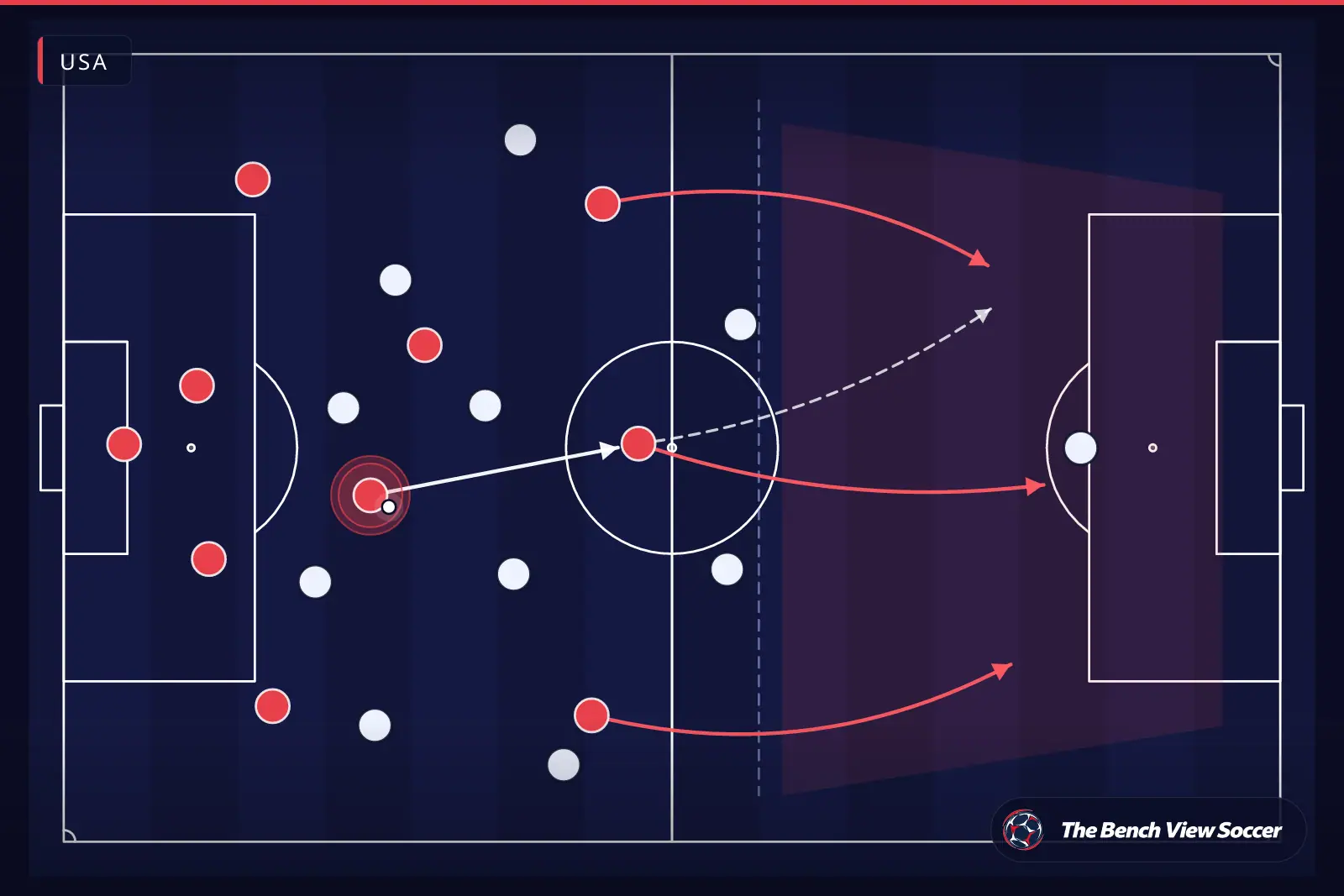
Transition play is the tactical phase when a team changes from defense to attack or attack to defense. In soccer transition play tactics USA, the emphasis is on speed of decision, coach-driven triggers for pressing or retreat, and coordinated movement to create or deny space. Effective transitions win possession, exploit gaps, and protect against counters.
How to execute transition play?
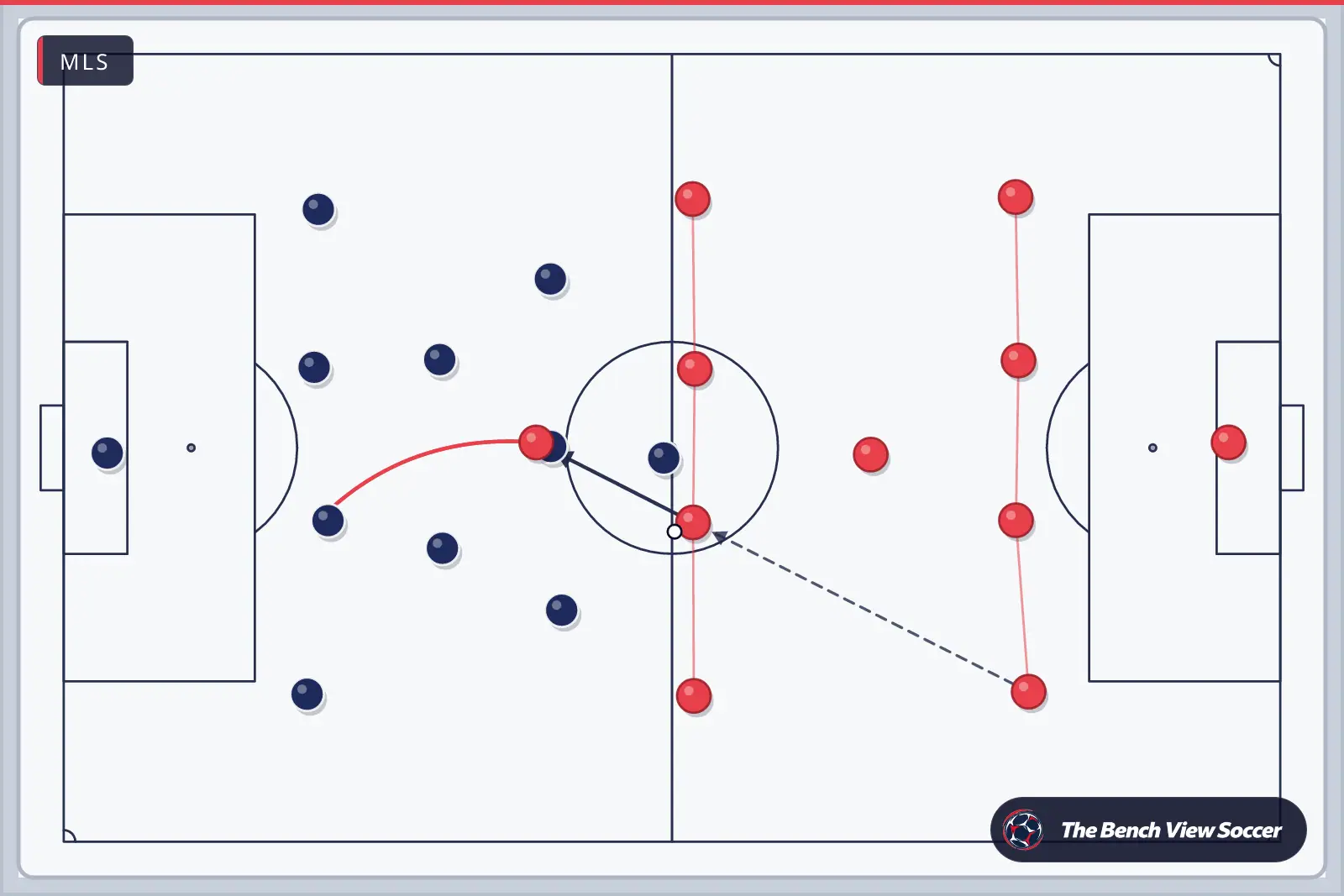
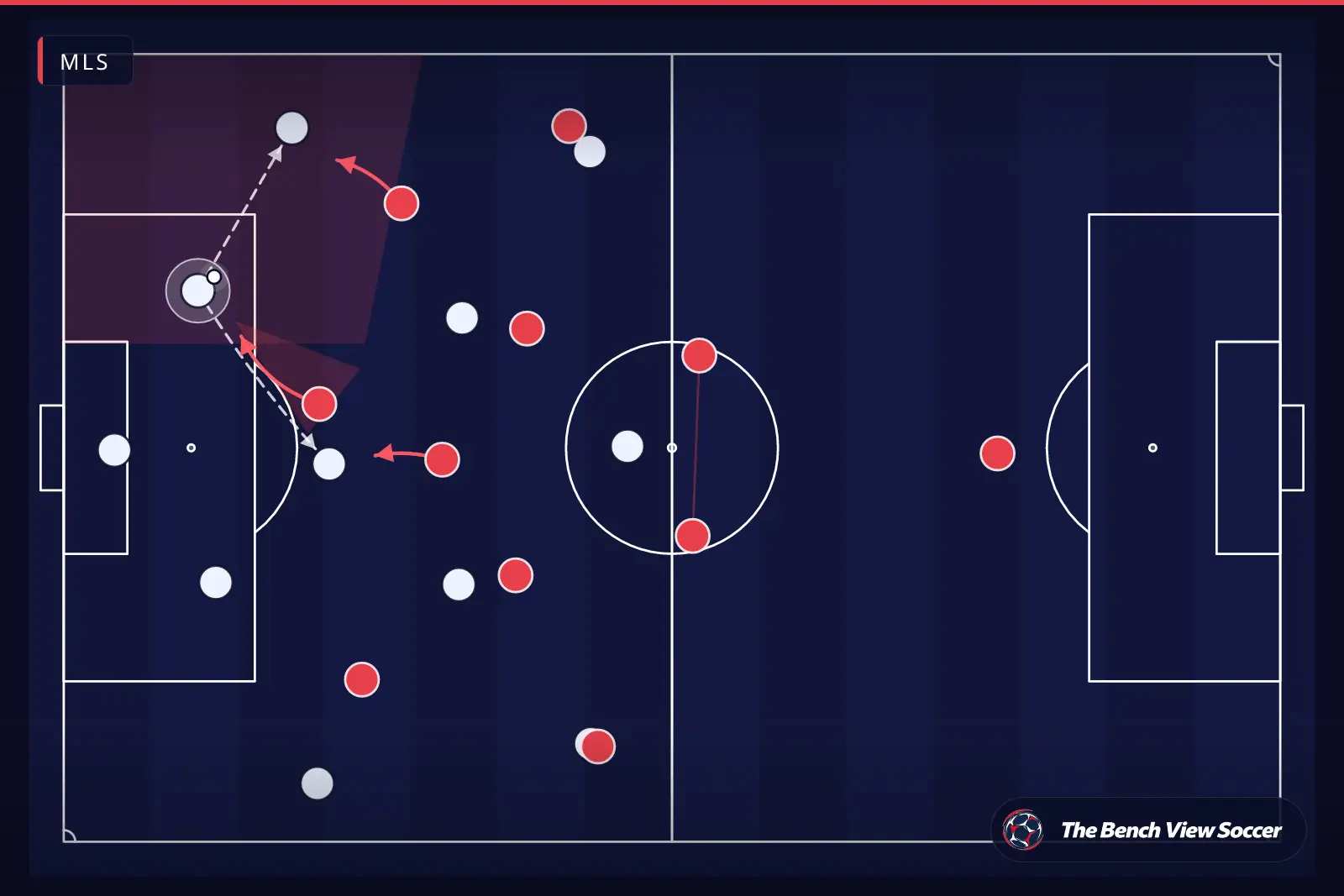
- Trigger the win: Identify pressing cues—poor backpasses, heavy touches, or isolated fullbacks. When the trigger appears, commit a decisive press to win the ball high or force an error.
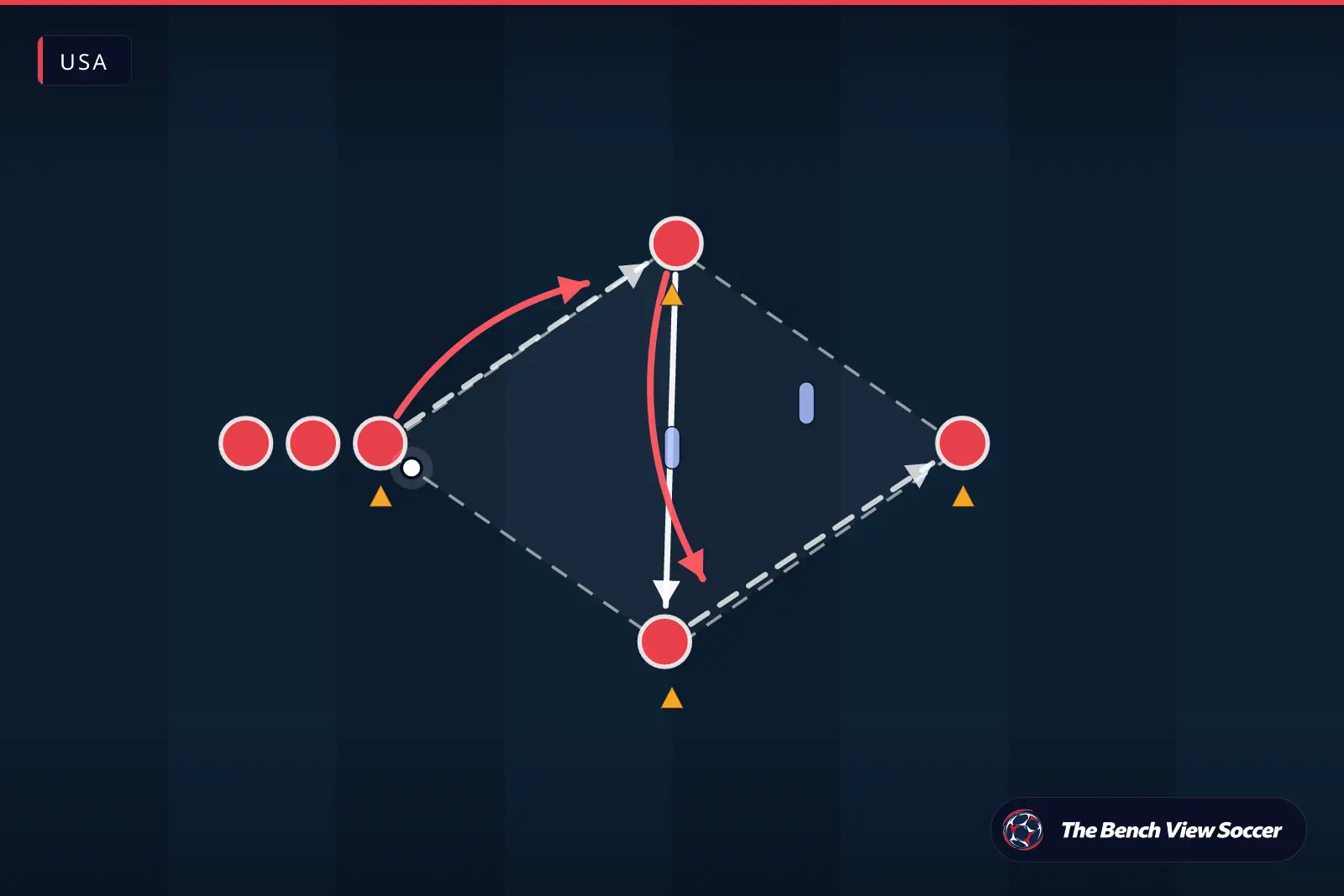
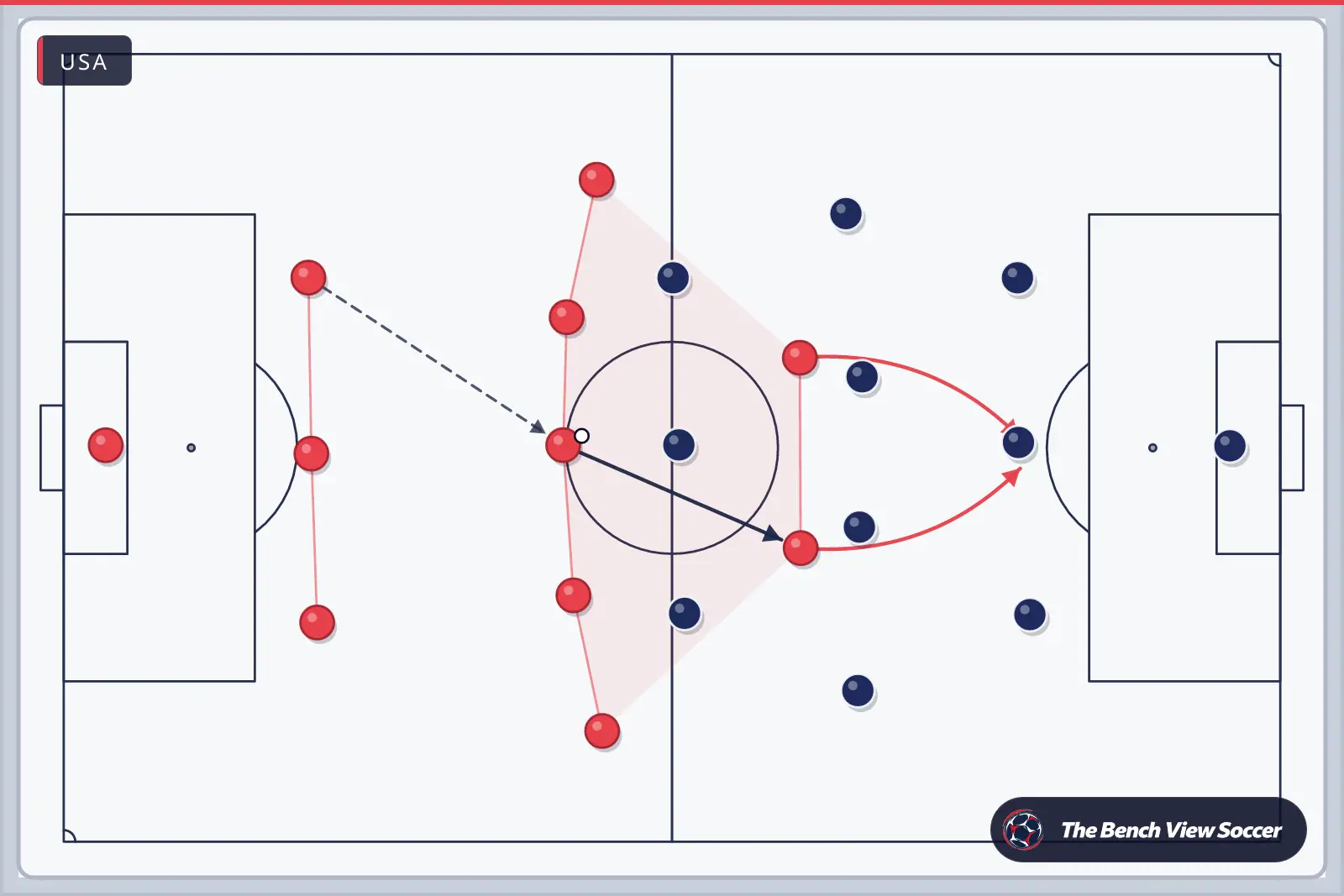
- Immediate outlet: Once possession is won, the first pass must be purposeful. Train 1–2 second decision-making: either a direct forward pass to a winger/forward or a switch to a freed midfielder. Quick outlets convert defense into attack.
- Exploit space: Attack the vacated zones. If the opponent pushes numbers forward, hit the space behind them. Wide players should sprint into channels while central attackers occupy defenders.
- Numbers and balance: Commit selective numbers forward—usually 2–4 players—to create overloads without leaving your team exposed. Maintain a pivot (defensive mid or center back) to cover counters.
- Set pieces and structured restarts: Use free kicks and throw-ins in transitions to maintain tempo. Practice quick restarts and secondary runs to catch opponents unorganized.
What are real examples from MLS?
MLS provides strong case studies in transition play. Inter Miami often uses a patient press that snaps into a clinical counter when Lionel Messi or midfield creators free a forward. LA Galaxy mix compact defending with explosive wide runs from fullbacks to hit attackers in space. NYCFC emphasizes quick midfield circulation and vertical passes to exploit gaps left by high fullbacks.
USMNT players such as Pulisic and Reyna demonstrate how one-on-one skill and timely runs amplify transition effectiveness. Coaches in MLS and USL Championship are increasingly training triggers for pressing and rehearsed outlet patterns to mirror European speed while keeping American physicality.
Best tips to improve transition play?
- Practice pressing triggers in small-sided games so players recognize opportunities instinctively.
- Drill the first touch and look: train one-touch outlets under pressure to speed transitions.
- Train transitional shape: always rehearse the pivot role and the three-second scanning rule before receiving a pass.
- Use video of MLS matches (LA Galaxy, Inter Miami, NYCFC) to study decision-making and movement off the ball.
- Condition for repeated high-intensity sprints so players can press and then immediately join counters.
Mistakes to avoid?
- Overcommitting numbers forward: sending everyone up leaves you open to a fast counter—keep a clear pivot.
- Poor first pass selection: aimless or sideways passes kill transition momentum; train purposeful outlets.
- Lack of communication: transitions require immediate vocal cues; silent teams react late and concede dangerous space.
- Ignoring recovery runs: after a failed transition, players must track back quickly to avoid conceding set plays or breakaways.
Frequently Asked Questions?
Q: How does transition play differ between MLS and European leagues?
MLS often features higher physical intensity and longer transitions due to varying tactical maturity across teams. European clubs may display tighter positional play, but MLS teams like NYCFC, LA Galaxy, and Inter Miami increasingly mirror European pressing and quick transitions while leveraging athleticism.
Q: What positions are most crucial in a transition?
Defensive midfielders and fullbacks are vital: the pivot protects counters, recycles possession, and allows attackers to commit. Fullbacks provide width on counters and must balance attacking runs with recovery duties to support soccer transition play tactics USA effectively.
Q: How can youth players train transition play?
Youth players should focus on small-sided games with quick restarts, pressing triggers, and outlet passing under pressure. Emphasize decision speed, first touch, and recovery runs. Watching MLS pros and replicating simple patterns helps bridge learning to match situations.
Q: Can a team be both good at counter-pressing and counter-attacking?
Yes—training distinct triggers for winning the ball high and quick outlet patterns allows teams to press aggressively and then pivot to fast attacks. Balance is key: maintain a defensive structure that supports both actions without exposing the backline.
Transition play separates good teams from great ones. Focus your training on triggers, quick outlets, and disciplined recovery to excel in soccer transition play tactics USA. Watch MLS matches, study players like Pulisic and Reyna, and apply the five-step method in training sessions. Start our free courses on The Bench View Soccer.