

In This Guide
Why Passing Is the Most Important Technical Skill
Every move in team football starts with a pass. Positional play, quick combinations, switching play — none of it works without technically sound, well-weighted delivery. Yet passing is the skill most players treat as automatic and least players actually practise with intention.
The difference between a pass that helps your teammate and a pass that hurries them is often a matter of weight, not direction. The difference between a pressed player losing the ball and playing through the press is often body orientation before the ball arrives. Passing is far more complex than it appears.
This guide breaks passing down to first principles: the correct contact surfaces, body shape, weight calibration, and decision-making that separates reliable distributors from players who simply move the ball.
- Inside foot is the most accurate surface for passes under 25m
- Your non-kicking foot placement controls direction — not your kicking foot
- Body orientation before the ball arrives determines what passes you can play
- Weight of pass matters as much as accuracy — a perfectly placed ball at wrong speed is a poor pass
The Three Passing Surfaces and When to Use Each
Most players learn the inside-foot pass and stop there. Elite players develop three distinct passing surfaces — each suited to different situations, distances, and defensive contexts. Using the wrong surface for the situation is one of the most common technical errors in amateur football.
The inside foot is the most accurate surface because the largest flat area of the foot makes contact with the ball. It is the correct choice for passes under 25 metres, through balls in tight spaces, and any pass where precision outweighs pace.
The laces drive — contact with the instep — generates power and is the correct surface for long diagonal passes, switch play, and any pass over 30 metres. The outside of the foot is the third surface: used for disguise, for passes when your body is turned away, and for the deceptive cross-field ball that cuts a press.
Core Principles
Point your non-kicking foot at the target. If your support foot points left, your pass goes left — regardless of your kicking foot.
Leaning back generates loft, not power. For ground passes, your upper body should be directly over the ball at contact.
Follow through toward your target. Players who stop their kicking leg too early produce weak, inaccurate passes regardless of technique up to that point.
Scan the pitch before the ball arrives. The decision — where to pass and with what weight — should be made before your first touch, not after.
Examples from Matches
How this works against real opposition at elite level
Rodri averaged over 95% passing accuracy while playing over 100 passes per match — demonstrating how correct technique produces reliability even under extreme pressing pressure.
Key Takeaway: High volume + high accuracy under pressure = correct technique at its most refined.
Spain's 60%+ average possession at Euro 2024 was built on a systematic emphasis on passing accuracy and weight — every player trusted by teammates to deliver a pass they could control.
Key Takeaway: Team passing systems require every player to pass accurately — not just the technically gifted ones.
Passing Drills That Actually Improve Your Technique
Practical drills and a progression plan for coaches and players
The most effective passing training combines technical repetition with pressure and game-like conditions. Wall passes build technique; rondo games build technique under pressure; small-sided games build decision-making with correct technique.
Training Drills
Pass against a wall from different distances and angles. Focus on non-kicking foot placement and body orientation on each pass. Vary the surface — inside foot, laces, outside — as you progress.
Coaching Points
- Non-kicking foot points at target before every pass
- Body over the ball on ground passes
- Track the ball onto your foot, not your target
Progression Path
Week 1–2: Inside-foot mechanics — stationary wall passing and triangle passing at walking pace
Week 3–4: Weighted passing under movement — passing while moving, varying distances
Week 5–6: Laces drive and long passing — introducing the switch-of-play pass
Week 7–8: Rondo and small-sided games — applying technique under defensive pressure
Ongoing: Decision-making repetition — developing the scan-decide-pass sequence as automatic
The Bench View app
Don’t just read football — train it
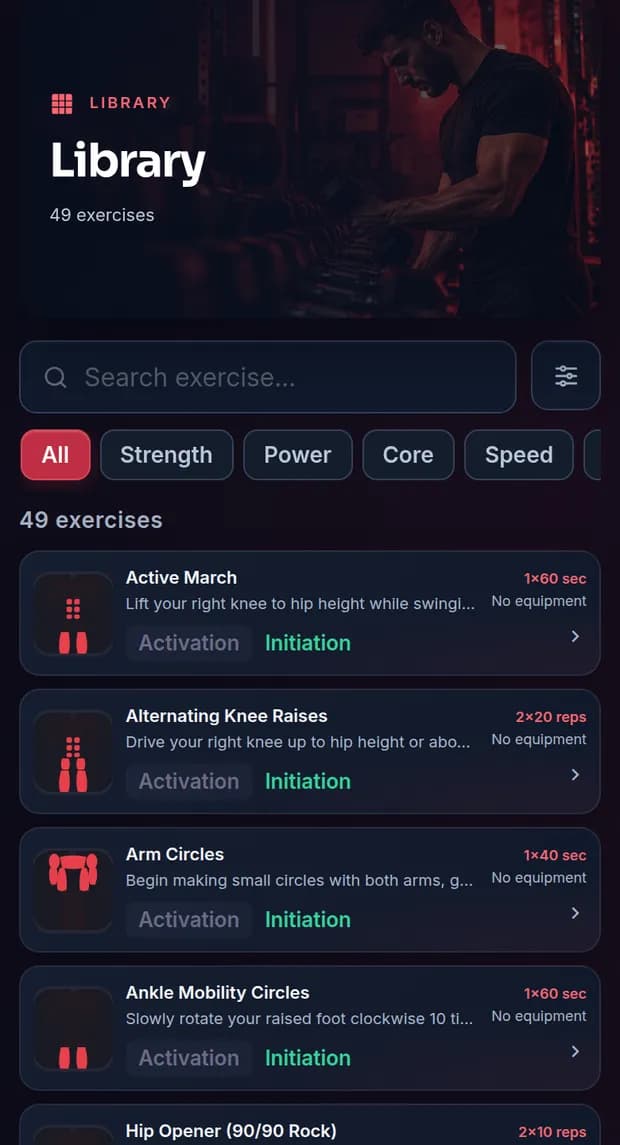
Everything you read here, turned into training you can follow step by step.
Physical training at home
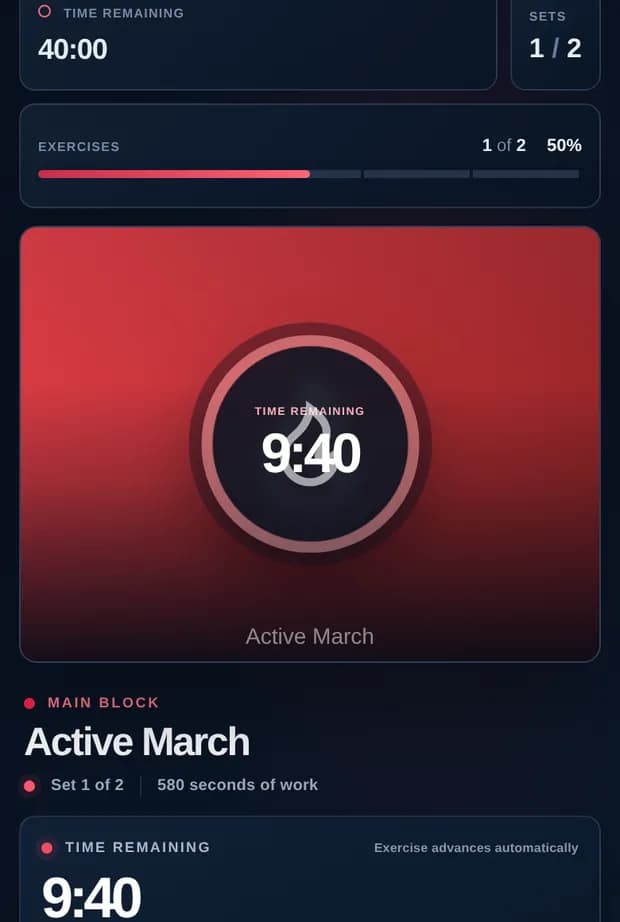
AI daily sessions adapted to your level and position. No equipment needed.
Tactical training courses
Step-by-step courses on positioning, pressing, build-up and decision making.
- 7 days free
- No commitment
- Cancel anytime
Free account: 2 physical sessions + the first tactical course. PRO: 7-day free trial — cancel before day 8 and you pay nothing.
Related Guides
The High Press
How modern teams win the ball high up the pitch and turn defence into attack in seconds
Striker Movement
The complete guide to runs, timing, and positioning that separates elite centre-forwards from the rest
Winger Play
The complete guide to wide attackers — from traditional touchline runners to modern inverted wingers