

The Ultimate Guide to How to Read the Game
See the space, the patterns, and the decisions — the tactical intelligence that separates good players from great ones
In This Guide
Why Reading the Game Matters More Than Raw Skill
Most people watch football and follow the ball. The best players, coaches, and analysts watch the space — the shape of the opposition, the position of teammates, and the moments when the tactical structure breaks down. This is reading the game.
You make contact with the ball for perhaps 60 touches in a 90-minute match. For the remaining 87 minutes, you are either reading the game and positioning yourself — or you are not. The players who read the game most accurately spend less energy, make fewer errors, and contribute more to their team's success.
Game intelligence is trainable. This guide gives you the mental framework to see the game differently — first as a watcher, then as a player.
- Football is played in the space and time between ball contacts — not during them
- Reading the game means anticipating the next action before it happens
- Body orientation before you receive determines what you can do with the ball
- Watching the ball is instinct — watching the space requires deliberate training
The Four Things to Read Before the Ball Arrives
Elite players perform a continuous scan cycle — a 360-degree visual assessment of the pitch — every two to three seconds. This scan answers four questions that determine every decision they make: Where is pressure coming from? Where are my teammates? Where is the space? What is the next action if I receive the ball now?
The player who scans continuously arrives ready. The player who looks only when the ball is coming arrives under pressure. Most mistakes in football happen because a player did not look before the ball arrived — not because they lacked technical ability.
Reading formations is a slightly different skill: recognising whether the opposition is in a high press, mid-block, or low block — and identifying the pressing triggers that will launch their defensive action — gives you the tactical picture that makes every other decision easier.
Core Principles
Look over both shoulders every 2–3 seconds. Never stand still with your eyes forward when you might receive the ball.
Receive with half-turn body shape when possible — you can see both directions and play forward immediately.
Identify the opposition's pressing trigger. When they press, predict where the next free player is before your teammate with the ball can see it.
Where does the ball go after a challenge, a header, or a goalkeeper's distribution? Positioning before the second ball arrives is pure game reading.
Examples from Matches
How this works against real opposition at elite level
Pirlo never looked fast but was always in the right position and always had time on the ball — because he had already read the situation before he received it. His scan frequency was extraordinary.
Key Takeaway: Game intelligence compensates for physical limitations and amplifies technical ability.
De Bruyne's assists per 90 is sustained over years because he reads pressing triggers and knows exactly when the space behind the press will open before it opens.
Key Takeaway: Reading when the space will appear — not just where it is — is the elite version of game intelligence.
Exercises to Develop Game Intelligence
Practical drills and a progression plan for coaches and players
Reading the game is developed through video analysis, deliberate scanning practice, and rondo-style training that forces quick decision-making. Below are three methods that develop game intelligence off and on the ball.
Training Drills
Watch a match from a fixed camera angle. Track one player (not the ball) for 15 minutes. Notice when they scan, how they position before receiving, and where they move when a teammate has the ball. Write down five observations.
Coaching Points
- Watch the player, not the ball
- Notice scanning frequency
- Note what they do when the ball is 30m away from them
Progression Path
Stage 1: Shadow watching — track one player in a professional match per week
Stage 2: Scanning habit in training — consciously look over both shoulders before every receive
Stage 3: Open body position — practise receiving half-turned in every training session
Stage 4: Rondo game intelligence — scanning while maintaining possession under pressure
Stage 5: Match application — translate scanning and positioning into real match decisions
The Bench View app
Don’t just read football — train it
Everything you read here, turned into training you can follow step by step.
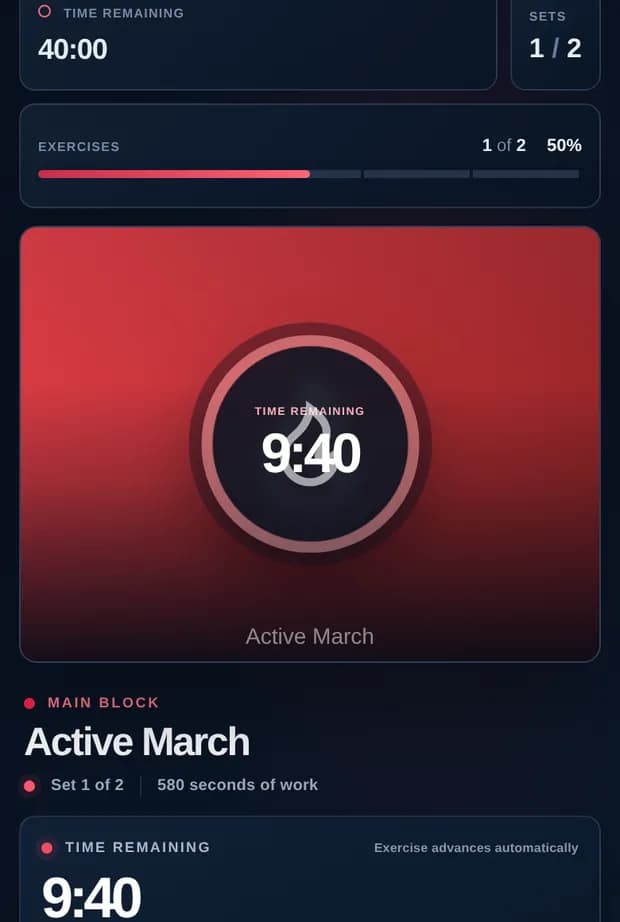
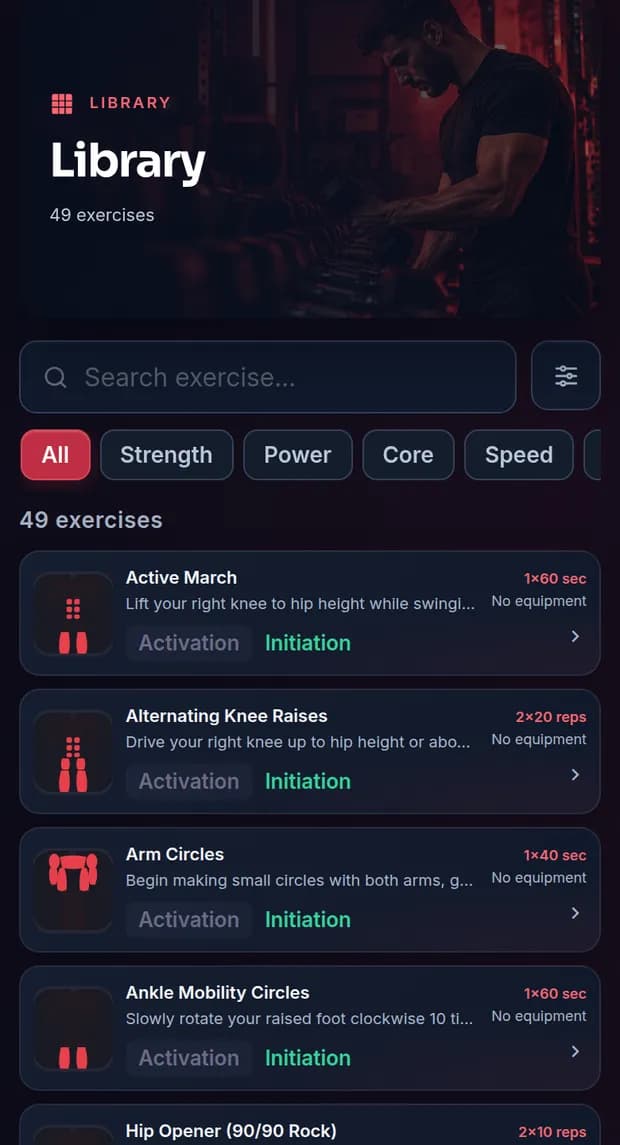
Physical training at home
AI daily sessions adapted to your level and position. No equipment needed.
Tactical training courses
Step-by-step courses on positioning, pressing, build-up and decision making.
- 7 days free
- No commitment
- Cancel anytime
Free account: 2 physical sessions + the first tactical course. PRO: 7-day free trial — cancel before day 8 and you pay nothing.
Related Guides
Positional Play
The complete guide to dominating through structure, spacing and numerical superiority
The High Press
How modern teams win the ball high up the pitch and turn defence into attack in seconds
Striker Movement
The complete guide to runs, timing, and positioning that separates elite centre-forwards from the rest