Introduction
World Cups are built for surprises because one good plan can neutralise a squad full of stars over 90 minutes. For underdogs at World Cup 2026, the goal is rarely to “outplay” a favourite in open, end-to-end football. The smarter aim is to manage risk: limit where the favourite can create high-quality chances, force them into predictable patterns, and then attack in the moments that hurt most. Fans who follow European football already see this logic every weekend in the UEFA Champions League, the Premier League, and La Liga—teams with smaller budgets stay competitive through structure, timing, and collective discipline. A tactical plan is not just a formation (like 5-4-1 or 4-2-3-1). It is a set of rules: when to press, where to leave space on purpose, how to protect the centre, and how to counter with numbers. With five substitutes and increased athletic demands, 2026 also rewards teams that can change gears: defend compactly, then explode forward with rehearsed movements. This article breaks down the most repeatable “upset recipes” underdogs can use against favourites.
How It Works
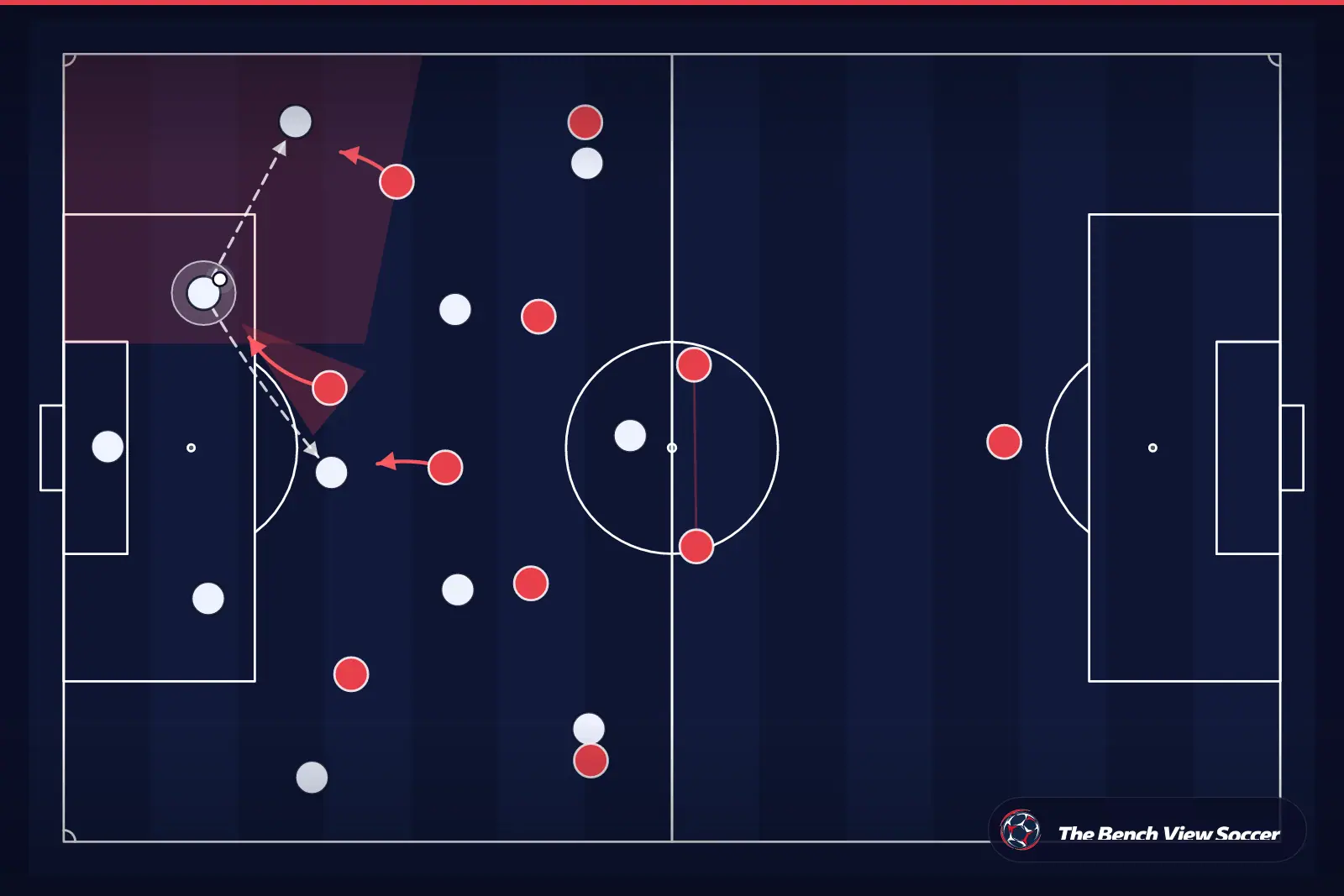
The most reliable underdog approach is a compact, low-to-mid block that protects the centre and invites the favourite into less dangerous zones. In practice, the underdog defends in two tight lines (often a 5-4-1 or 4-5-1) and denies passes into the “pocket” between midfield and defence. The striker does not chase everything; he screens passing lanes into the opposing holding midfielder. The wingers tuck in to crowd the central corridor, while the full-backs (or wing-backs) stay narrow enough to protect the box first. The key is that the block shifts together like one unit toward the ball, so the favourite’s possession feels slow and wide. To create an upset, the underdog pairs this with selective pressing and fast transitions. Selective pressing means you choose moments—called triggers—when you suddenly jump to win the ball: a back-pass, a heavy first touch, or a pass into a player facing his own goal. When that trigger appears, the nearest three or four players press as a “mini-swarm,” while the rest stay compact behind them to prevent one pass breaking the whole team. Once the ball is won, the underdog attacks quickly with a prepared route: one vertical pass into a target forward, a third-man run from midfield (a runner who receives the next pass), and an opposite-side winger sprinting into space. Because favourites often attack with full-backs high and centre-backs spread, the underdog’s best chances usually come in the first 6–10 seconds after a turnover. Finally, set-pieces are not a side plan; they are a primary weapon. Underdogs can equalise the shot-quality battle by winning corners, throwing long, and using blocking runs to free a strong header.
Match Examples
A modern reference point is Diego Simeone’s Atlético Madrid against stronger possession teams in the UEFA Champions League. In the 2013–14 season, Atlético eliminate Chelsea in the semi-final (including the 1–3 away win at Stamford Bridge). Simeone’s team stays compact, protects the centre, and then attacks quickly when Chelsea lose structure. Even without dominating the ball, Atlético create decisive moments through transitions and set-plays. Another strong example is José Mourinho’s Inter in the 2009–10 Champions League semi-final against Pep Guardiola’s Barcelona. In the second leg at Camp Nou (0–1), Inter play with ten men for most of the match, defend extremely narrow, and accept crosses while protecting the penalty area. Their line shifts as a unit, they clear second balls aggressively, and they waste almost no energy on “empty pressing.” It is a masterclass in surviving without losing the key spaces that Barcelona wants. For a more recent, domestic-competition lesson, look at Thomas Frank’s Brentford in the Premier League 2022–23 season, especially the 4–0 win over Manchester United (August 2022). Brentford press with clear triggers and punish mistakes immediately, but they also use direct balls and second-ball fighting to keep the game away from a slow, technical rhythm United prefer. This match shows underdogs do not need long possession spells; they need repeatable ways to reach dangerous zones. Finally, in international football, Morocco’s run at the FIFA World Cup 2022 is a blueprint. Against Spain in the Round of 16 and Portugal in the quarter-final, Walid Regragui’s team defends compactly, wins duels, and counters into the channels behind advanced full-backs. The plan is not reactive chaos; it is organised patience, then fast attacking when the favourite over-commits.
Related Concepts & Skills
Training Implications
To turn these ideas into a 2026-ready upset plan, underdog teams need training that builds habits under pressure. First, coach the compact block with “space rules.” Run an 8v8+2 possession drill in a 45x35m area where the defending team scores points for denying passes into a marked central zone (the pocket). Freeze play to correct distances: centre-backs stay connected (6–10 metres), midfield line stays close (8–12 metres) and the far-side winger tucks in until the ball travels wide. Second, train selective pressing with scripted triggers. Use a 6v6 build-up game where the attacking team must start from the goalkeeper. The defending team is allowed to press only after a trigger call: (1) back-pass to goalkeeper, (2) pass into full-back near the sideline, or (3) receiver facing his own goal. This teaches discipline—players do not waste energy chasing—while improving coordination when the press begins. Third, build transition attacks that take fewer touches. Set up a “win-and-go” drill: 7v7 in a 60x45m pitch with two mini-goals near the halfway line and a full goal at the other end. When the defending team wins the ball, they must score in 10 seconds to the full goal; if they fail, possession resets. Coach three automatic movements: striker pins a centre-back, one midfielder runs beyond, and the weak-side winger sprints to the far post for cutbacks. Fourth, treat set-pieces like open-play patterns. Allocate two sessions per week to corners and wide free-kicks. Install 2–3 repeatable routines: a near-post flick, a far-post overload, and a cutback to the edge of the box. Film training with a phone, review blocking runs (legal screens), and track conversion rates. In a tournament, one set-piece goal can flip an entire group.
The Bench View app
Don’t just read football — train it
Everything you read here, turned into training you can follow step by step.
Physical training at home
AI daily sessions adapted to your level and position. No equipment needed.
Tactical training courses
Step-by-step courses on positioning, pressing, build-up and decision making.
- 7 days free
- No commitment
- Cancel anytime
Free account: 2 physical sessions + the first tactical course. PRO: 7-day free trial — cancel before day 8 and you pay nothing.