

Inverted Full-Back
Updated October 29, 2026· full back
Definition
A full-back who moves into central midfield when the team has the ball to create overloads.
Tactical Explanation
The inverted full-back revolutionised how teams build from the back. Instead of providing width on the overlap, these players tuck inside into the half-space or central midfield, creating a numerical overload in the centre of the pitch.
This movement gives the team an extra body in possession against pressing sides, while the winger ahead can take up wide positions without worry. The opponent's pressing structure, built to stop wide play, is suddenly exposed centrally.
City's Cancelo role popularised this concept globally — demonstrating how a full-back can simultaneously function as a midfielder and a creative threat.
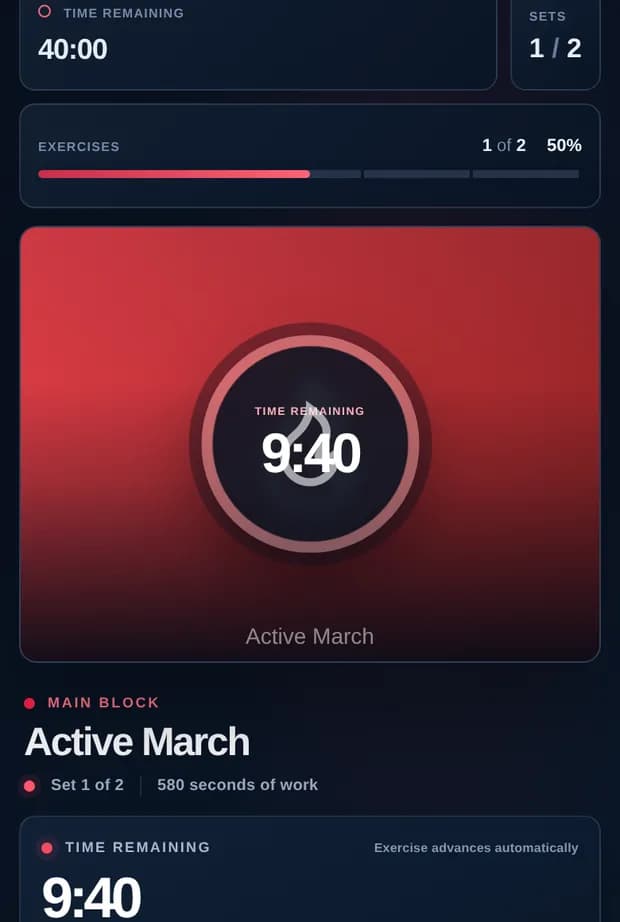
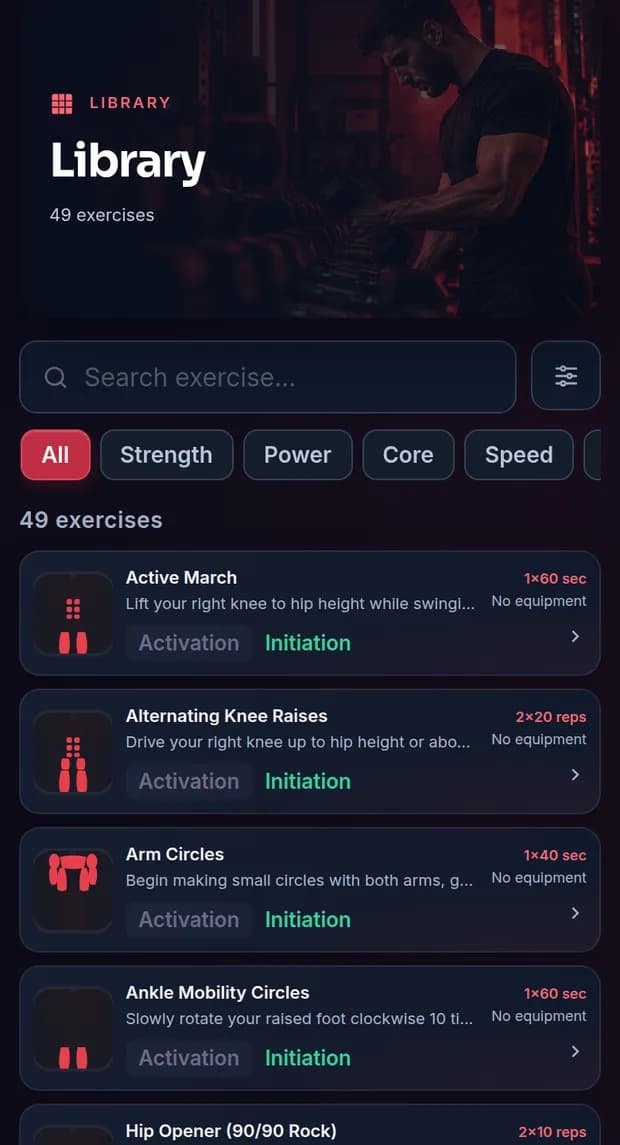
The Bench View app
Don’t just read football — train it
Everything you read here, turned into training you can follow step by step.
Physical training at home
AI daily sessions adapted to your level and position. No equipment needed.
Tactical training courses
Step-by-step courses on positioning, pressing, build-up and decision making.
- 7 days free
- No commitment
- Cancel anytime
Free account: 2 physical sessions + the first tactical course. PRO: 7-day free trial — cancel before day 8 and you pay nothing.
Real Match Examples
Manchester City · João Cancelo
Cancelo redefined the full-back role — tucking inside into the number 8 position to give City a 3-2 build-up structure that opponents could not press conventionally.
Bayern Munich (2019-21) · David Alaba
Alaba moved inside from left-back to become a third central midfielder in possession, enabling Coman to have full freedom on the overlap.
Frequently asked questions
What does inverted full-back mean?
It is a full-back who 'inverts', moving from the wide area into midfield, usually next to the holding midfielder, when the team is in possession. Without the ball he returns to his normal full-back position.
Why do teams use inverted full-backs?
To outnumber the opponent in midfield during build-up, to have more players in the centre to stop counter-attacks after losing the ball, and to let wide forwards stay high and wide.
Who are famous inverted full-backs?
Philipp Lahm and David Alaba under Guardiola at Bayern, Oleksandr Zinchenko and João Cancelo at Manchester City, and Trent Alexander-Arnold moving into midfield at Liverpool.
What is the difference between an inverted full-back and an overlapping full-back?
An overlapping full-back runs outside the winger to give width and cross. An inverted full-back moves inside to help in midfield and leaves the width to the winger.
Related Content
Training Hubs
4Full-Back
Master the modern attacking and defensive full-back role
Central Midfielder
Control the game from the heart of the pitch
Team Tactics
Understand the systems that win football matches
Attacking Midfielder
Master the position that controls attacking play
Topic Guides
4Progressive Passing for Midfielders: Breaking Lines and Advancing Play
The Inverted Full-Back: What It Is and Why It Changed Football
Press Resistance in Football: How Central Midfielders Keep the Ball
Tempo Control in Football: How Midfielders Speed Up and Slow Down the Game
Skill Clusters
3Tactical Concepts
3Press Resistance
The ability to maintain possession and play forward under intense pressing pressure.
attackingFalse Nine
A striker who drops deep to collect the ball, dragging center-backs out of position.
attackingInverted Winger
A winger who plays on the opposite flank to their strong foot, cutting inside to shoot.
attackingKey Skills
4Half-Space
The zone between the wide areas and the central zone where elite players receive and create danger.
tacticalOverlapping Run
Running beyond a teammate on the outside to create a 2v1 and deliver from wide areas.
tacticalPositional Play
Maintaining organized structure to control the game, create numerical superiorities, and dominate space.
tacticalFirst Touch
The ability to control the ball instantly on receiving it, setting up the next action.
technicalTactical Systems
4Build-Up Play
Playing out from the back through organized passing structures to bypass the opposition press and reach the final third.
Positional Play
Controlling space rather than just the ball — using organized positions, overloads, and quick circulation to dominate every zone.
High Press
Pressing the opponent high up the pitch — forcing mistakes near their goal and winning the ball in dangerous positions.
Low Block
Sitting deep in a compact, organized defensive shape to deny space, absorb pressure, and counter-attack.
Complete Your Football Development
Physical Training at Home
FREESpeed, strength, agility and endurance — AI-personalised, no gym needed.
Daily AI Training Sessions
AIYour AI coach builds a complete session every day — physical, technical, tactical.
Full Platform Access
Unlock all training units, AI coaching, and the complete course library.
Start Learning This Concept
Explore the training units where Inverted Full-Back is taught step by step.