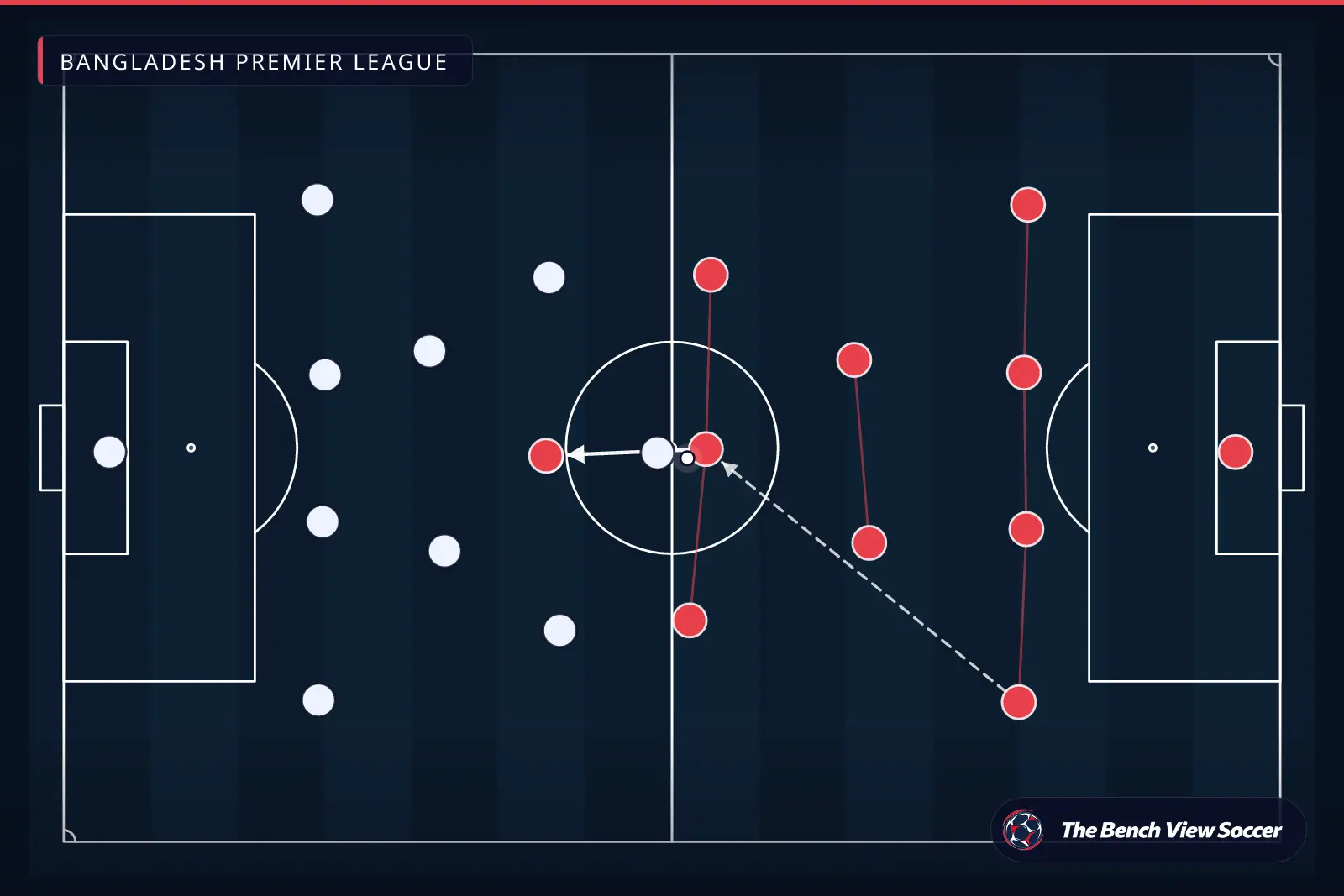
Bashundhara Kings tactical analysis
Bangladesh football is growing fast: the Bangladesh Premier League (BPL) has raised standards, with clubs like Bashundhara Kings and Abahani Limited driving professional coaching and tactical awareness. Fans and youth players are hungry for practical tactical knowledge that bridges grassroots passion with elite preparation.
For motivated players in Bangladesh, studying club systems offers a direct path to improve decision-making, positioning and team play. This guide unpacks the Kings' approach in coach-friendly language, giving drills and match examples you can apply in training and local games.
What is Bashundhara Kings tactical analysis?
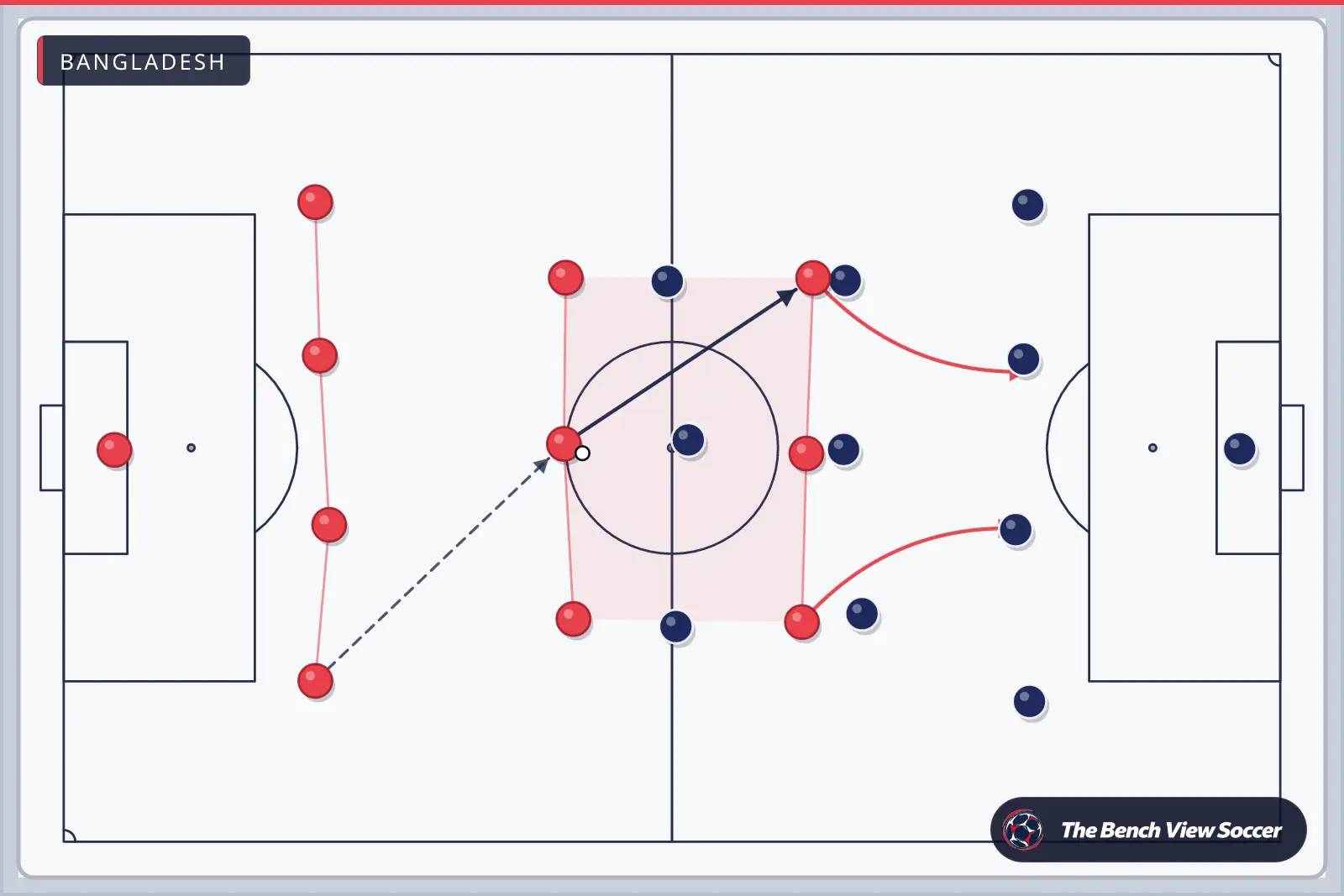
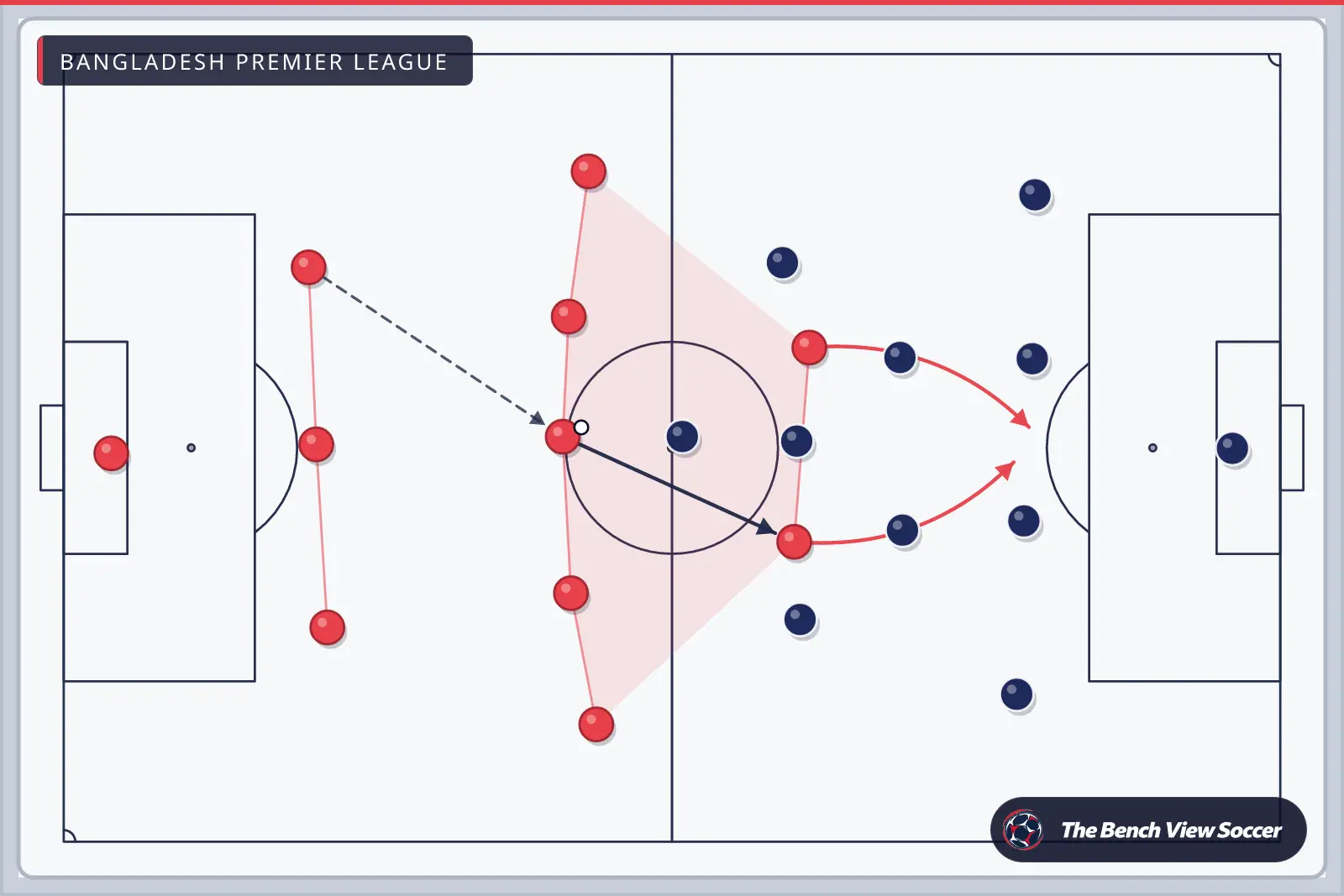
A tactical analysis of the Kings breaks down their preferred formations, pressing philosophy, transition patterns and positional roles. It maps how the team builds from the back, uses full-backs to create width, overloads flanks in attack and keeps compact lines when out of possession. Coaches use such analysis to replicate successful patterns at youth and club level.
How to study Bashundhara Kings tactics?
- Collect video: gather full-match footage and 10–15 minute clips of build-up, press and set-piece phases for the Kings and their opponents.
- Map formations: note their starting shape (e.g., 4-2-3-1 or 3-4-3) and how it morphs at different game moments: defend, build, counter.
- Identify triggers: record moments that prompt a high press, a full-back overlap or a midfield pivot switch—look for cues like poor touch, side-back isolation or narrow opposition play.
- Quantify patterns: count successful passes into final third, recoveries from pressing, and transition goals to see which strategies yield results in BPL and AFC Cup matches.
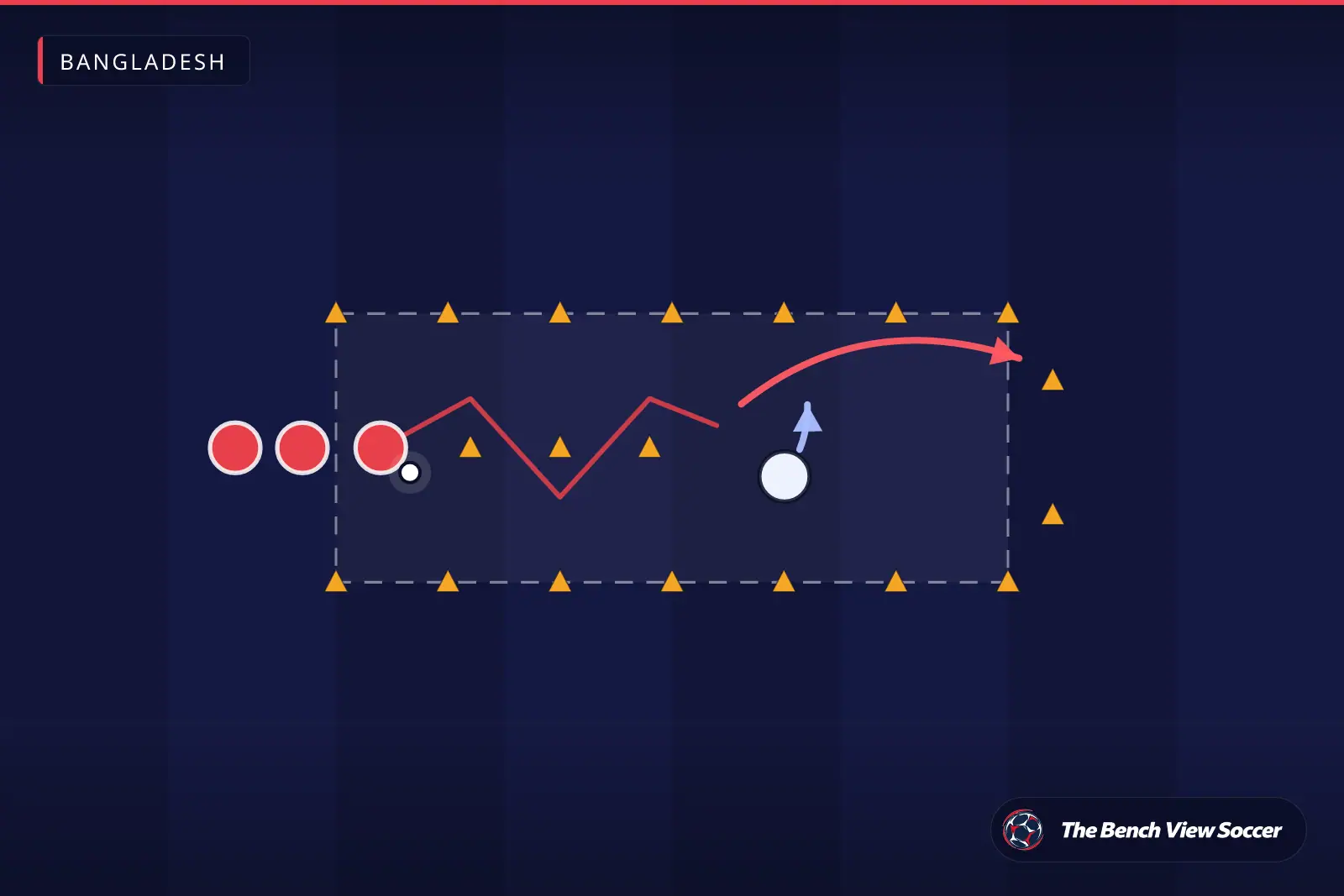
- Practice and adapt: design small-sided drills that replicate their pressing triggers, wing overloads and two-vs-one full-back support; test in training and refine alignment for your squad.
Real examples from Bangladesh Premier League?
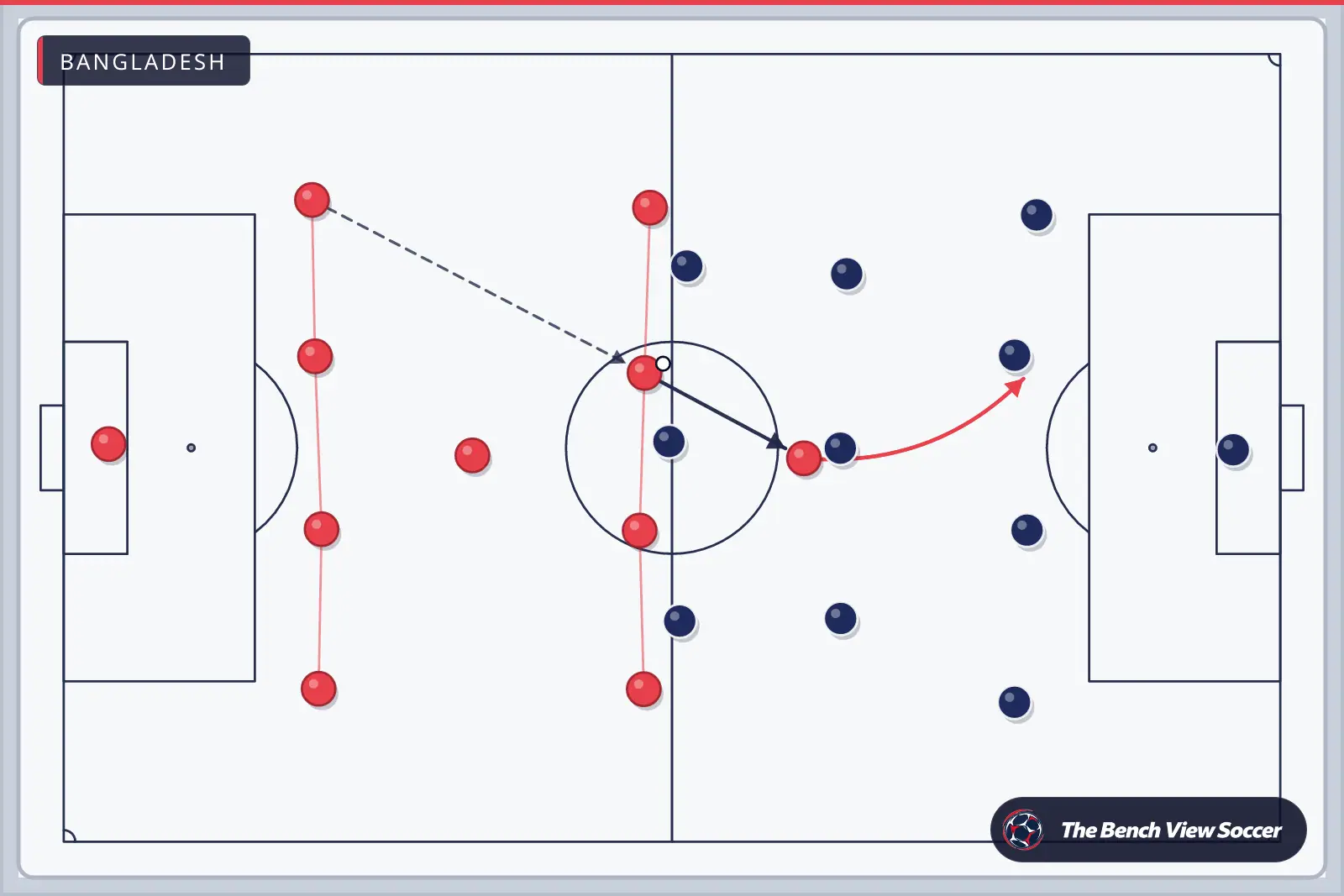
In the 2022–23 BPL matches, the Kings frequently shifted to a front three when chasing a goal, using quick interchanges between wingers and the striker to create overloads. Against traditional rivals, they sat deeper in the first 15 minutes to absorb pressure then used vertical passes from the double pivot to spring counters. On multiple AFC Cup fixtures, disciplined full-back rotations allowed wide midfielders to invert and create pockets for through balls—these are repeatable blueprints for local coaches.
Best tips to learn their tactical principles?
- Watch multiple matches: study the same opponent across competitions to spot consistent patterns rather than one-off adjustments.
- Focus on roles, not names: teach players the responsibilities of positions (pivot, inverted winger, third-center defender) so they adapt when shapes change.
- Drill transitions: prioritize exercises where teams must win and attack within 6–8 seconds after turnover to mirror the Kings’ vertical threat.
- Analyze set pieces: the Kings gain advantages from coordinated set-piece movement—replicate routines and marking schemes in training.
- Use clear metrics: track successful presses, progressive passes and recoveries to measure learning and adjust coaching focus.
Mistakes to avoid?
- Copying shapes without context: don’t force formations your squad can’t execute physically or technically—adapt principles to player strengths.
- Neglecting defensive structure: emphasizing attack without disciplined defensive lines invites costly counters in local leagues and AFC competition.
- Skipping communication drills: the Kings rely on coordinated pressing triggers—ignore verbal and visual communication and the system collapses.
- Overcomplicating roles: keep instructions clear; overloading tactical details confuses developing players more than it helps them.
Frequently Asked Questions?
How do the Kings press opponents?
The team presses in coordinated waves: the front line narrows to deny central passes while wide forwards force play to the touchline. Midfielders step or cover based on striker movement. Training should replicate timing and trigger recognition to build collective pressing intensity.
Related Resources
What formations do they use most often?
They commonly vary between a structured 4-2-3-1 and an attacking 3-4-3 depending on opponent and match state. The key is the double pivot for balance and mobile wide players who can invert or stretch the pitch when required.
How do full-backs influence their attack?
Full-backs provide width and overloads; when midfielders invert, full-backs push high to supply crosses or cutbacks. Drills should include 2v2 overlaps and timed runs behind the defensive line to replicate this relationship.
Can youth teams implement these ideas?
Yes—focus on principles (compactness, pressing triggers, quick transitions) rather than complex tactics. Age-appropriate drills emphasizing decision-making and positional discipline will accelerate learning and make implementation effective at youth level.
Start our free courses on The Bench View Soccer.