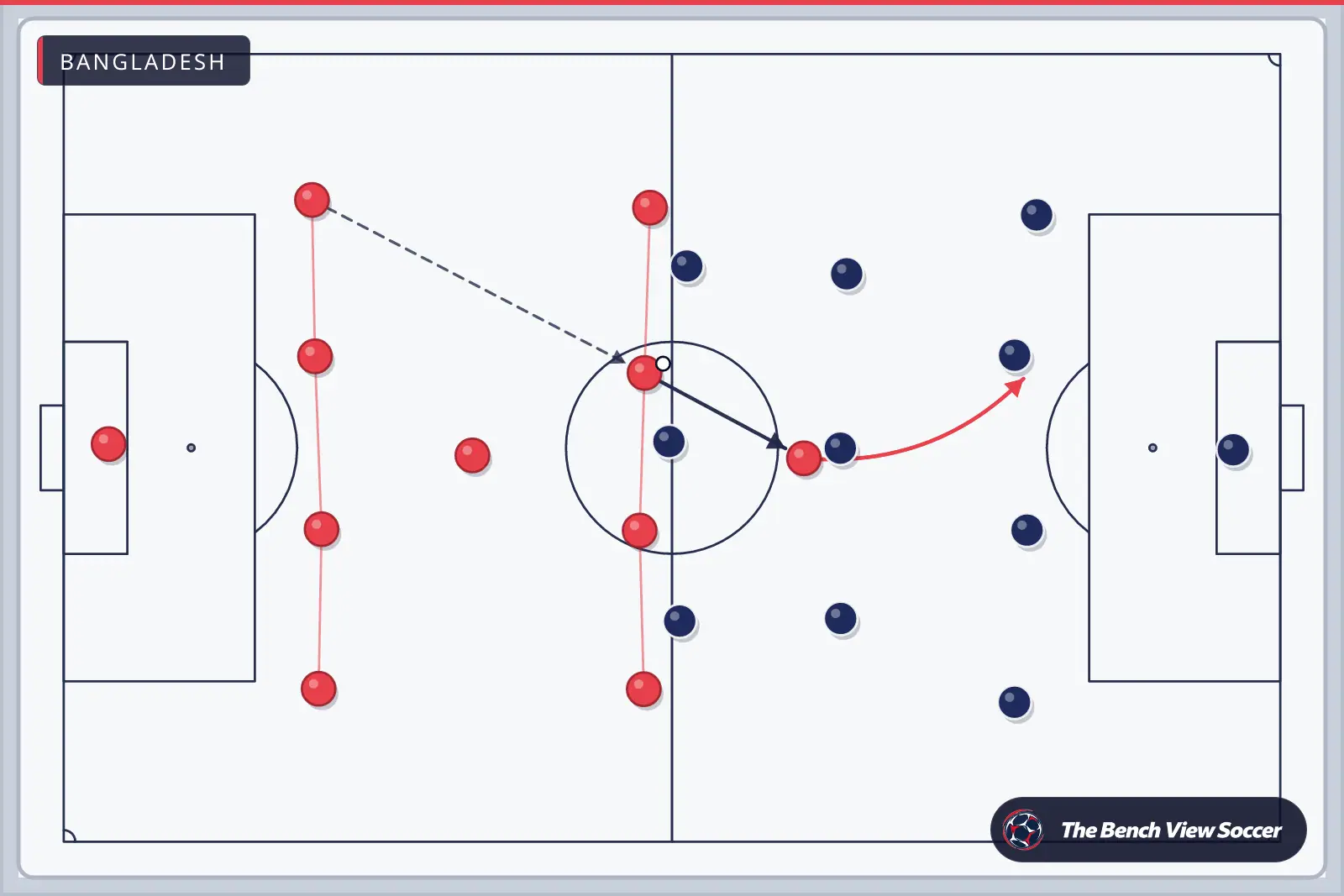
SAFF Championship tactics Bangladesh
Bangladesh football is on a rapid upward curve. With BPL clubs like Bashundhara Kings and Abahani Limited investing in coaching, infrastructure and youth development, our national team can adopt modern, pragmatic SAFF Championship tactics Bangladesh to compete and win at the regional level.
This guide is written for motivated players and coaches: beginners will get clear, actionable steps and experienced practitioners will get detailed examples and training focuses drawn from Bangladesh Premier League practice and the national team’s needs.
What is SAFF Championship tactics?
SAFF Championship tactics are the team-level strategies and formations optimized for South Asian regional competition — focusing on tempo control, defensive compactness, transitional speed and exploiting set-pieces and wide channels. For Bangladesh this means balancing technical play with physical intensity and tactical discipline.
How to set SAFF Championship tactics for Bangladesh?
- Assess your squad: evaluate pace, stamina, technical comfort, aerial ability and preferred foot of every player. That determines whether to use 4-2-3-1, 3-5-2 or 4-3-3.
- Choose a base shape: pick a primary formation that suits core strengths (for Bangladesh, 4-2-3-1 offers midfield cover and wing play; 3-5-2 suits aggressive wingbacks).
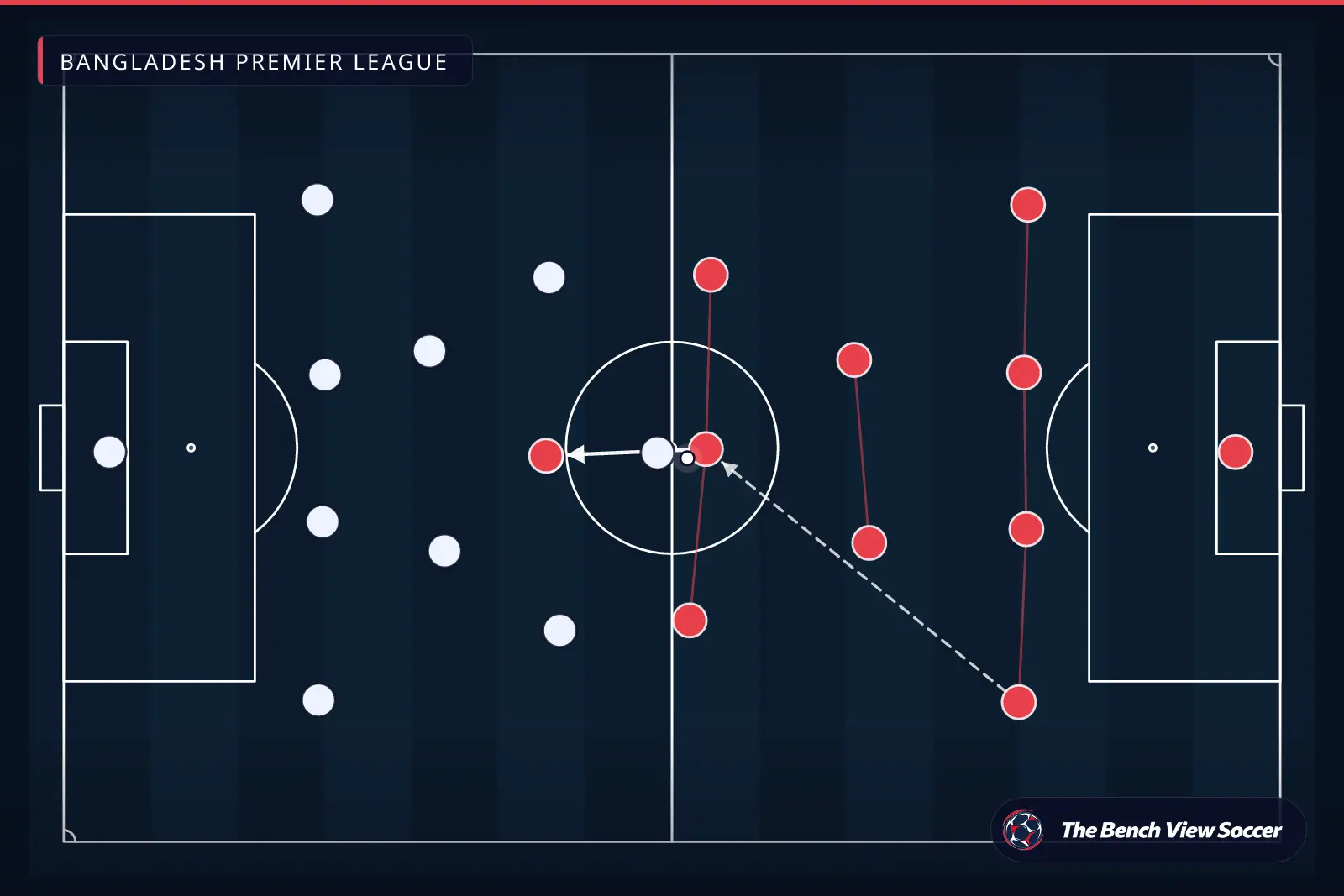
- Define defensive principles: train low-block compactness between lines, coordinated pressing triggers, and clear responsibilities for wide defending and second-ball recovery.
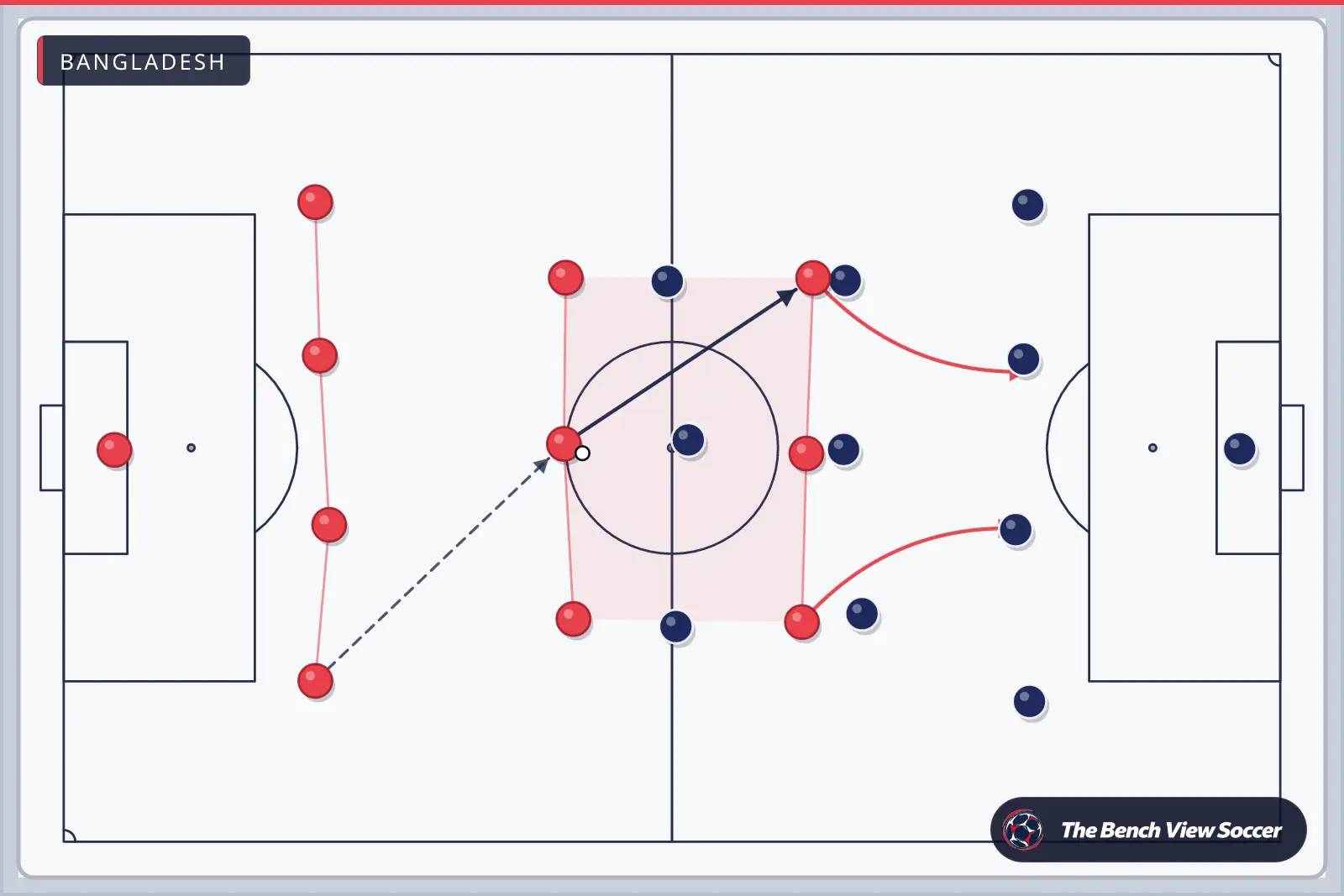
- Design transition patterns: practise fast outlet passes after wins, vertical third-pass patterns to strikers, and overlap combinations with full-backs from BPL models.
- Implement set-piece plans and match scenarios: build routines for corners and free-kicks, and rehearse game-management for leading, drawing and chasing games.
What are real examples from Bangladesh Premier League?
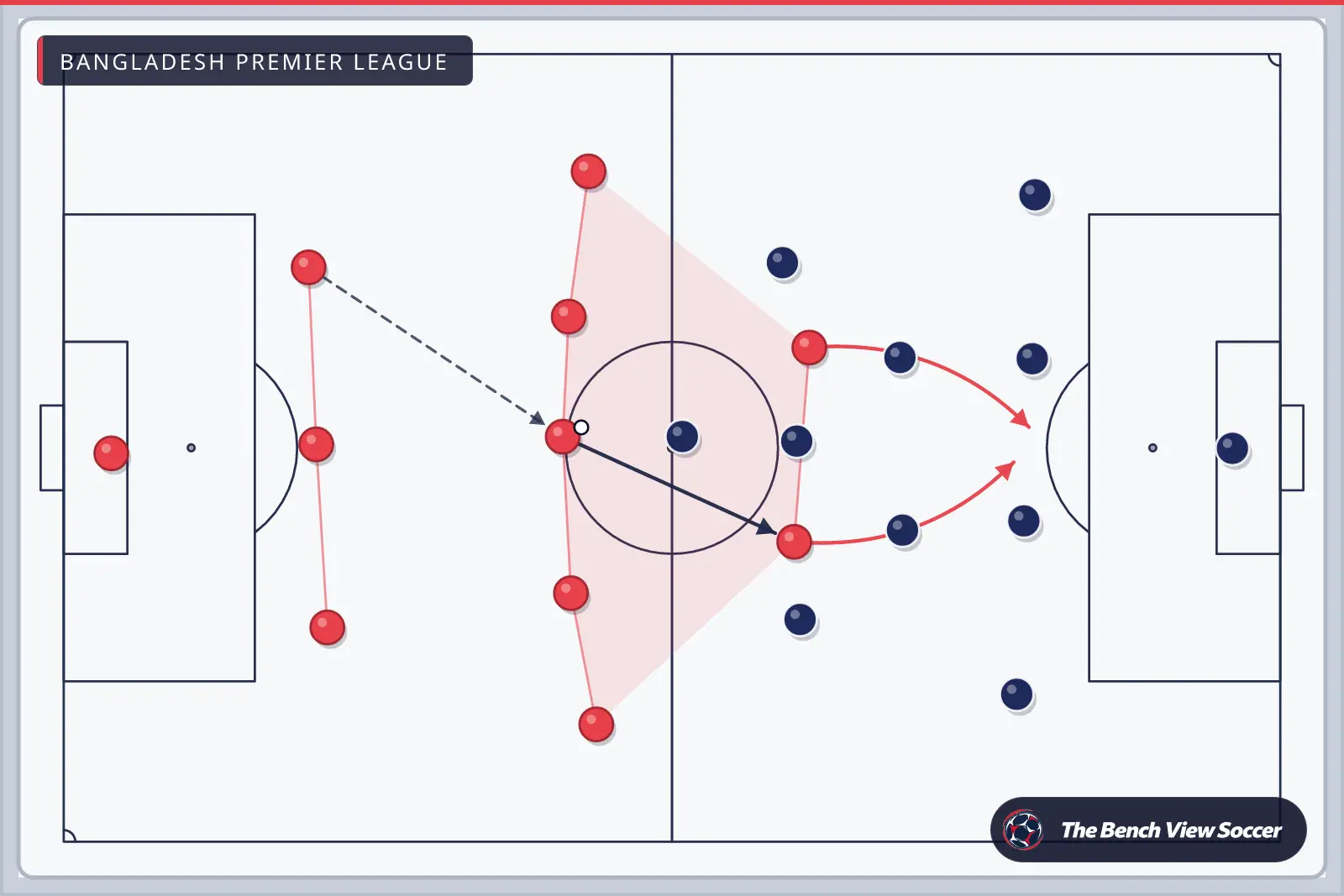
Bashundhara Kings often showcase a structured 4-2-3-1: two pivot midfielders protect the backline while the central attacking midfielder links to a fast striker. Abahani Limited use aggressive wingplay with overlapping full-backs and a compact midfield press. These club templates inform national team SAFF Championship tactics Bangladesh because they demonstrate effective roles for local player profiles.
At club level, teams emphasize fitness, repeated transition drills and set-piece specialization—elements the national team can copy to gain regional advantage.
What are best tips to execute SAFF Championship tactics Bangladesh?
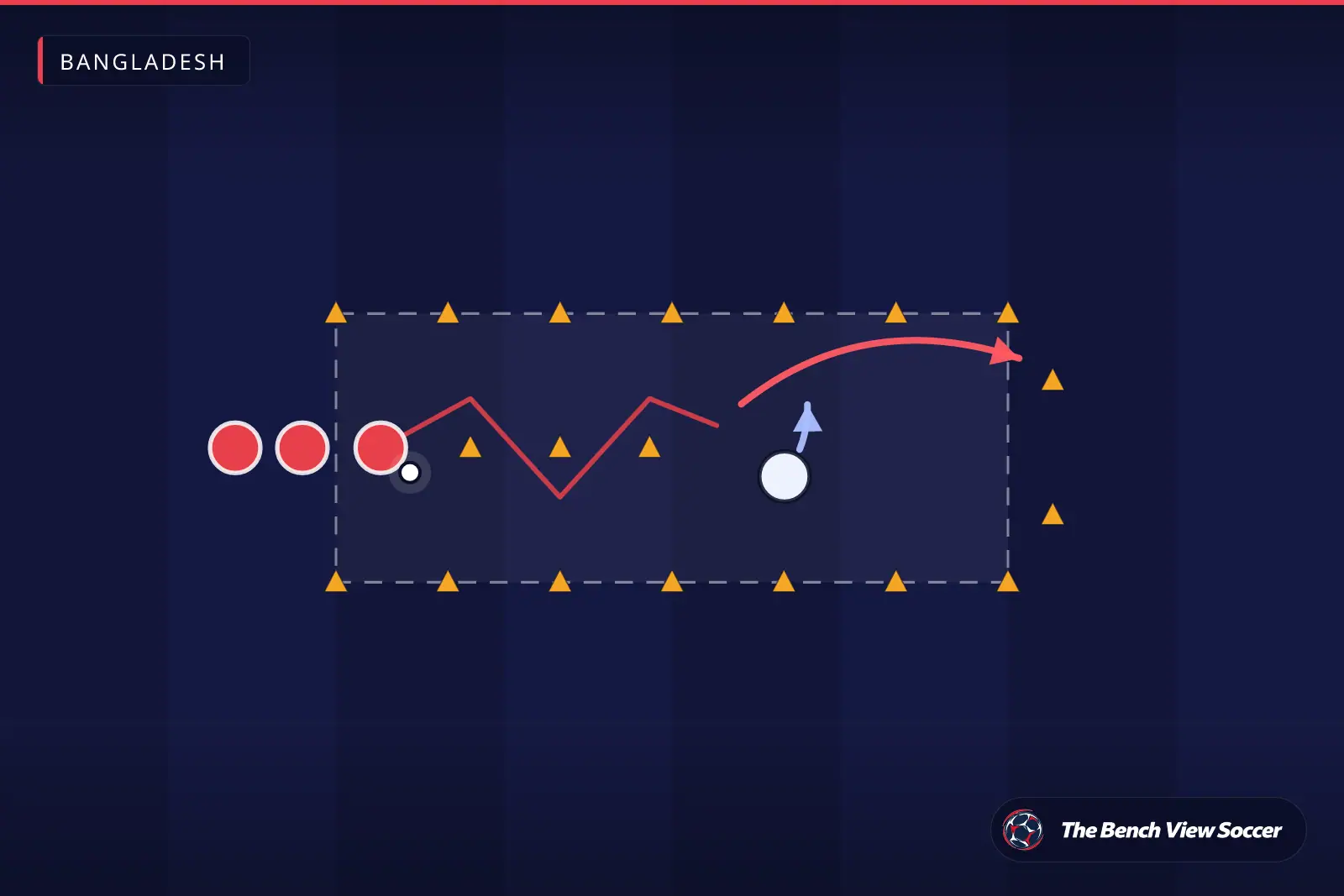
- Train situational drills—practice defending a one-goal lead with 10 minutes remaining.
- Prioritize short, high-intensity sessions on pressing triggers and recovery runs to mirror BPL work-rates.
- Develop two reliable build-up routes: central quick-passing and wide progressive crosses—use both depending on opponent.
- Specialize set-piece roles: assign at least three primary free-kick and corner routines and practice them under pressure.
- Use video sessions to show players model clips from Bashundhara Kings and Abahani to illustrate expectations and movement patterns.
What mistakes to avoid?
- Ignoring player profiles: don’t force a formation that mismatches local strengths—adapt tactics to the squad.
- Over-pressing without cover: uncontrolled pressing leaves gaps; train triggers and fallback shapes first.
- Neglecting transitions: poor counter-attack defense and slow outlet play cost goals in SAFF matches.
- Relying on single patterns: opponents will adapt—have at least two reliable attacking plans and one surprise set-piece.
Frequently Asked Questions?
Q1: Which formation is best for Bangladesh in the SAFF Championship?
A pragmatic 4-2-3-1 suits Bangladesh because it balances defensive cover with creative freedom. If you have attacking wingbacks from BPL clubs, a 3-5-2 can exploit wide space and overload flanks. Always choose formation based on available personnel.
Q2: How important are set-pieces for SAFF Championship tactics Bangladesh?
Very important—regional matches are often tight and decided by dead-ball situations. Prioritize routines, designate reliable kick takers, and practice zonal and man-marking mixes to capitalize on corners and free-kicks.
Q3: How can youth players adapt to national team tactics?
Young players should master positional discipline, basic pressing cues and one-on-one defending. Clubs like Abahani and Bashundhara give youth systems that emphasize tactical awareness—replicate those drills and focus on high-tempo conditioning.
Q4: What training focus wins SAFF matches?
Work-rate, transitional speed, and set-piece execution. Combine physical preparation with tactical repetition: scenario training for leading/chasing games and opponent-specific study give the best edge.
Conclusion: SAFF Championship tactics Bangladesh require a blend of pragmatism and local flair. Use club models, condition players for high-intensity transitions, and keep tactical plans simple but flexible. Start our free courses on The Bench View Soccer.