youth football development Bangladesh
Bangladesh is in a fast-growing phase for football. With BPL clubs like Bashundhara Kings and Abahani Limited investing in academies, and the national team competing regularly in the SAFF Championship and AFC Cup qualifiers, more young players are finding clear routes into professional football.
Millions of passionate fans and expanding school and community programs mean opportunity — but to convert interest into elite players we need practical, repeatable systems. This guide explains what youth football development Bangladesh is, how to build it, real BPL examples, best tips and common mistakes for motivated players and coaches.
What is youth football development Bangladesh?
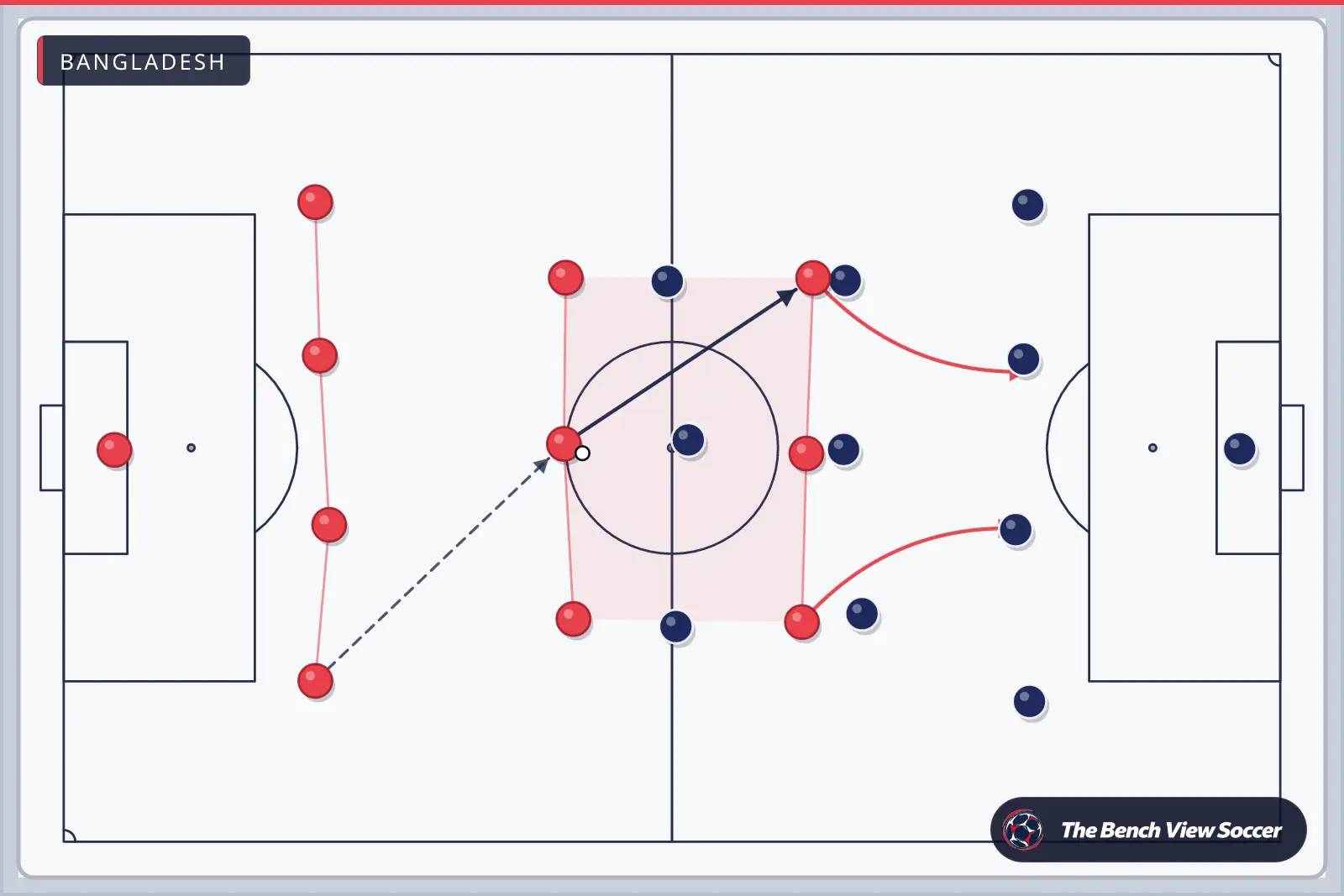
Youth football development Bangladesh is the coordinated process of identifying, coaching, educating and exposing young players (U6 to U21) to age-appropriate training, competitive matches and scouting links with clubs and national programs so they progress into professional teams and the national setup.
How to develop youth football in Bangladesh?
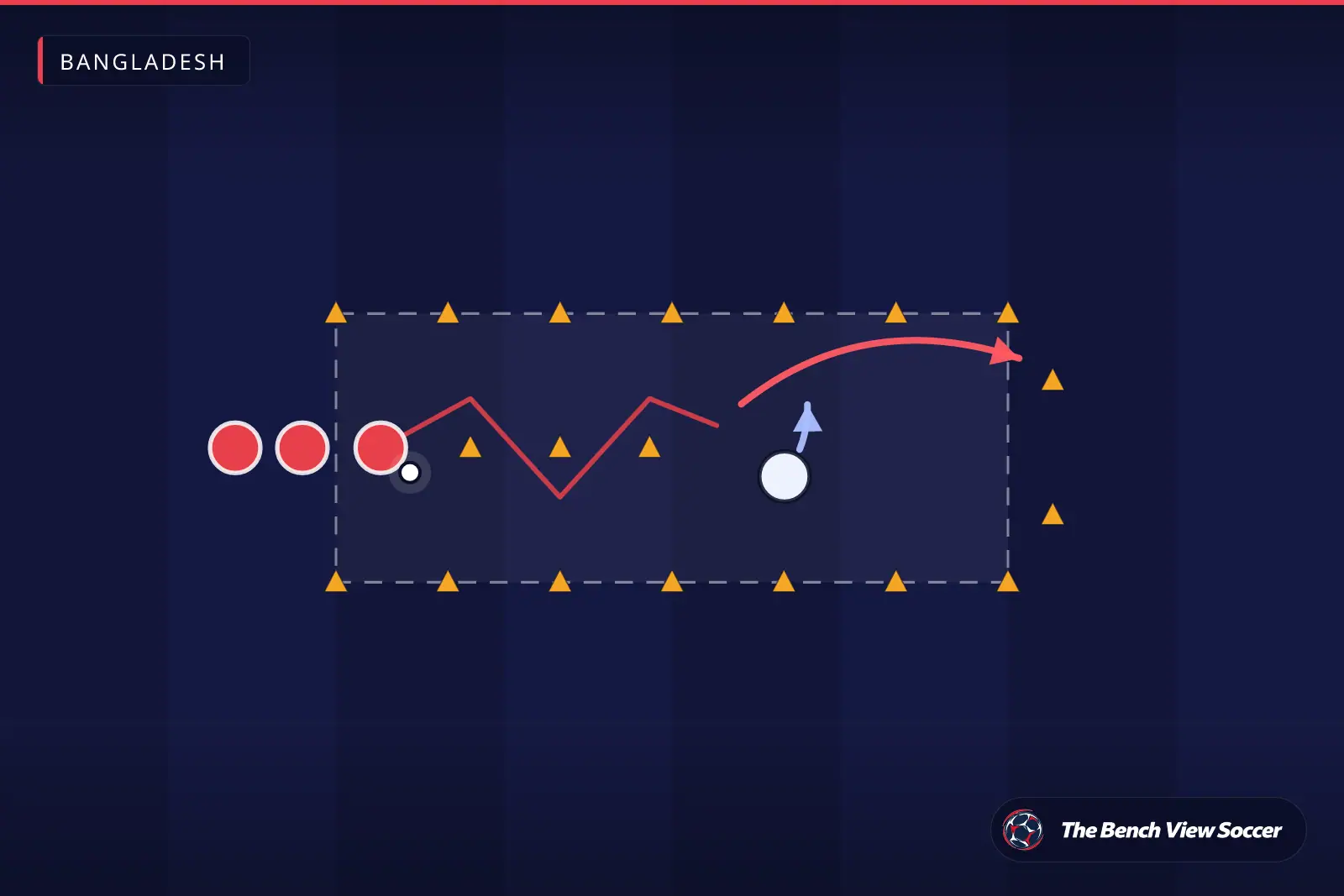
- Create accessible entry points. Start with school programs, neighborhood clubs and free open sessions. Use simple drills that teach ball mastery, basic 1v1, and decision-making. Prioritize regular attendance over intensity at young ages.
- Build age-appropriate training cycles. Design sessions for U8, U10, U12, U15 and U18 with progressive technical, tactical and physical goals. For example: U8s — dribbling and fun games; U12s — small-sided tactical play; U15s — position-specific training and strength basics.
- Coach education and standards. Train local coaches with clear curricula, session templates and match-day plans. Use coaching workshops delivered by BPL clubs and federation programs to raise quality across districts.
- Structured competitions and talent ID. Organize local leagues, school cups and district trials that feed regional selections. Standardize scouting reports so talented players get trial invitations with BPL academies and national youth camps.
- Pathways to pro clubs and support systems. Link academies with BPL clubs (e.g., Bashundhara Kings), scholarship programs, and education support. Provide nutrition, injury prevention and mental skills coaching to keep players resilient.
Real examples from Bangladesh Premier League?
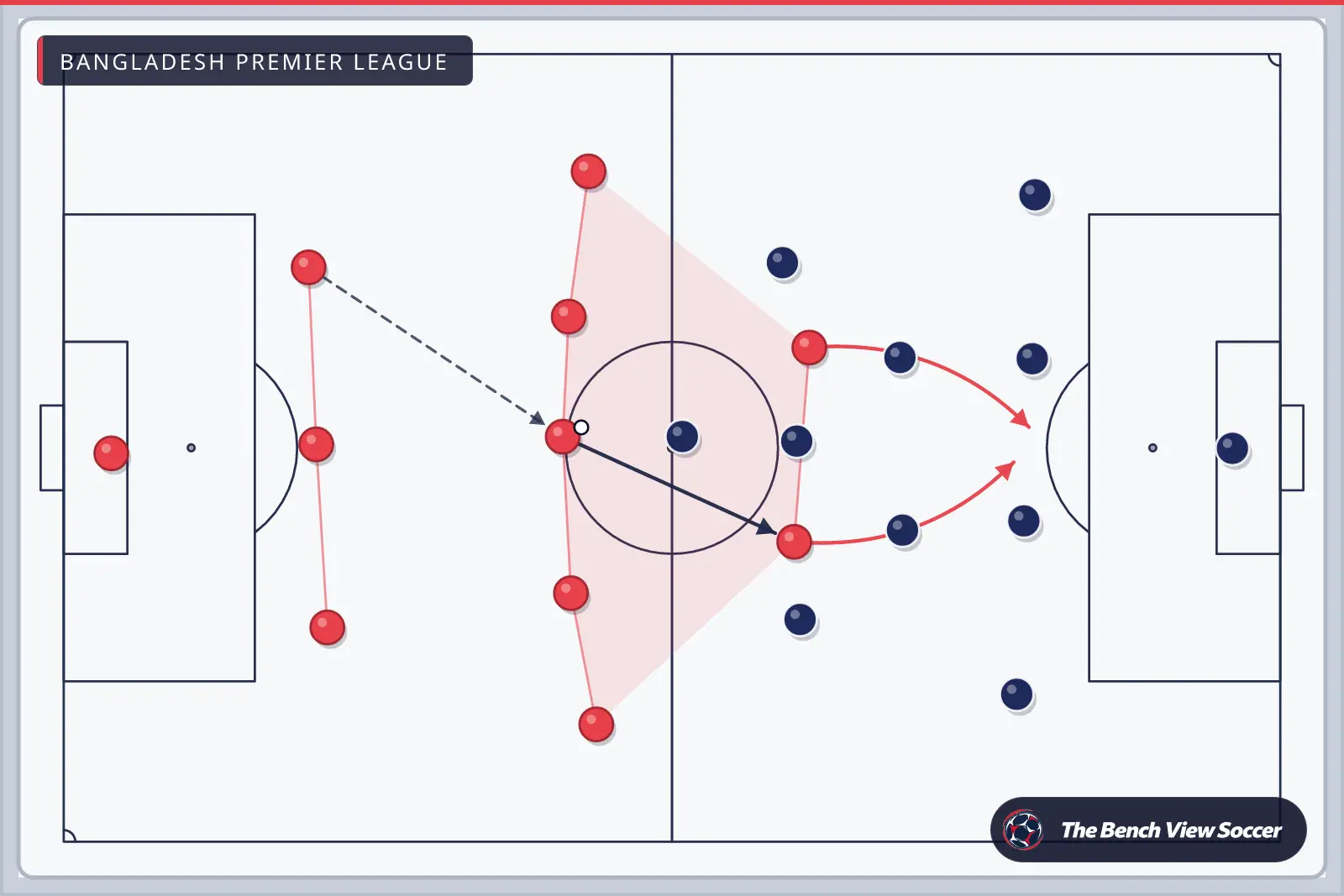
Bashundhara Kings have invested in youth teams and facilities, sending U18 players to training camps and regional tournaments. Abahani Limited runs youth selections and has partnerships with schools to scout talent early. Saif Sporting Club and Sheikh Jamal Dhanmondi Club have both organized youth trials and development clinics, showing how BPL clubs can create structured pathways to senior squads and AFC Cup exposure.
These clubs show practical models: dedicated age-group coaches, regular inter-academy friendlies, and education support. They also demonstrate the commercial side — sponsorship, community engagement and clear routes for promising players to be signed into professional contracts.
Best tips to boost youth football development in Bangladesh?
- Focus on ball mastery: encourage 20–30 minutes daily touches, even outside training.
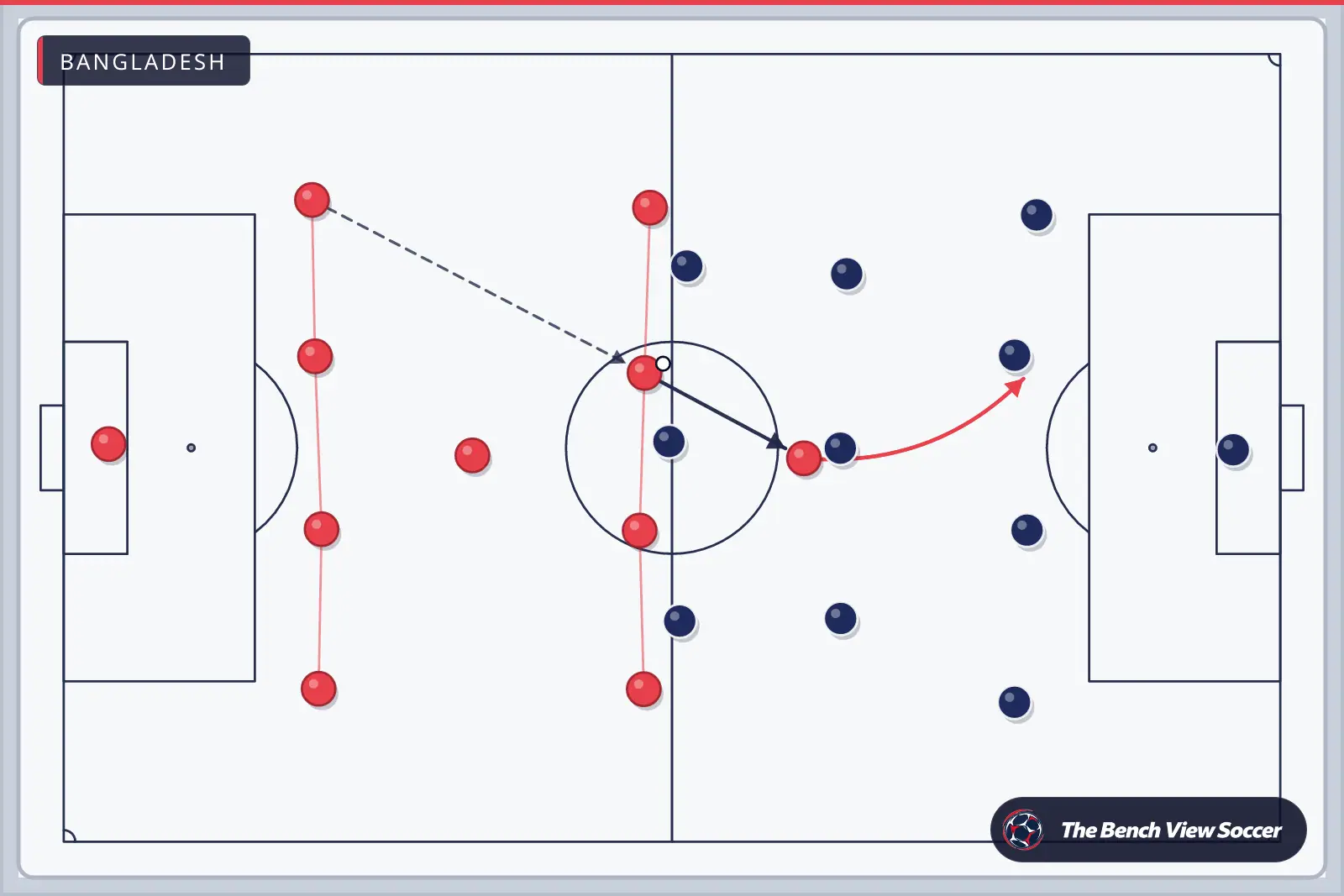
- Use small-sided games (3v3, 5v5) — they increase touches and decision speed faster than full 11v11 for young players.
- Measure progress with simple metrics: successful dribbles per game, passing accuracy in small-sided play, sprint recovery.
- Invest in coach education — a motivated volunteer coach with good tools beats an untrained paid coach.
- Keep academics and welfare aligned — scholarships and school flexibility retain talent.
- Promote exposure: festival tournaments, trials with BPL academies, and highlight reels for scouts.
Mistakes to avoid?
- Overemphasizing early specialization — forcing one position or intensive lifting too young can limit creativity and increase injury risk.
- Neglecting competition structure — training without meaningful matches stalls development; ensure regular, age-suitable competition.
- Ignoring coach quality — poor coaching habits (endless lines, no feedback) harm motivation and skill acquisition.
- Failing to link pathways — when clubs don’t coordinate with schools or district leagues, talented players fall through the cracks.
Frequently Asked Questions
How early should children start formal football training?
Start playful ball work as early as 5–6 years old with parent-led activities. Formal weekly sessions with qualified coaches are best from U8. Early years should prioritize fun and ball contact over rigid tactics or heavy physical training.
Related Resources
Can a village player reach the BPL or national team?
Yes. Many players start in small communities. The key is exposure: join local leagues, attend open trials, build a highlight reel, and seek regional camps or scholarship programs offered by BPL clubs and the federation.
What role do schools play in youth football development Bangladesh?
Schools are critical entry points. Regular PE, inter-school leagues and partnerships with local clubs provide consistent training time and match play. Schools also support education, which helps maintain long-term career options for players.
How can coaches access better training resources?
Coaches should attend BFF and club-run workshops, online courses, and community coaching clinics. Use session templates, progressive curricula and video analysis tools; partner with local BPL academies for mentorship and practical learning opportunities.
Start our free courses on The Bench View Soccer.